
Why The DND Wants a Revamped Military Modernization Plan

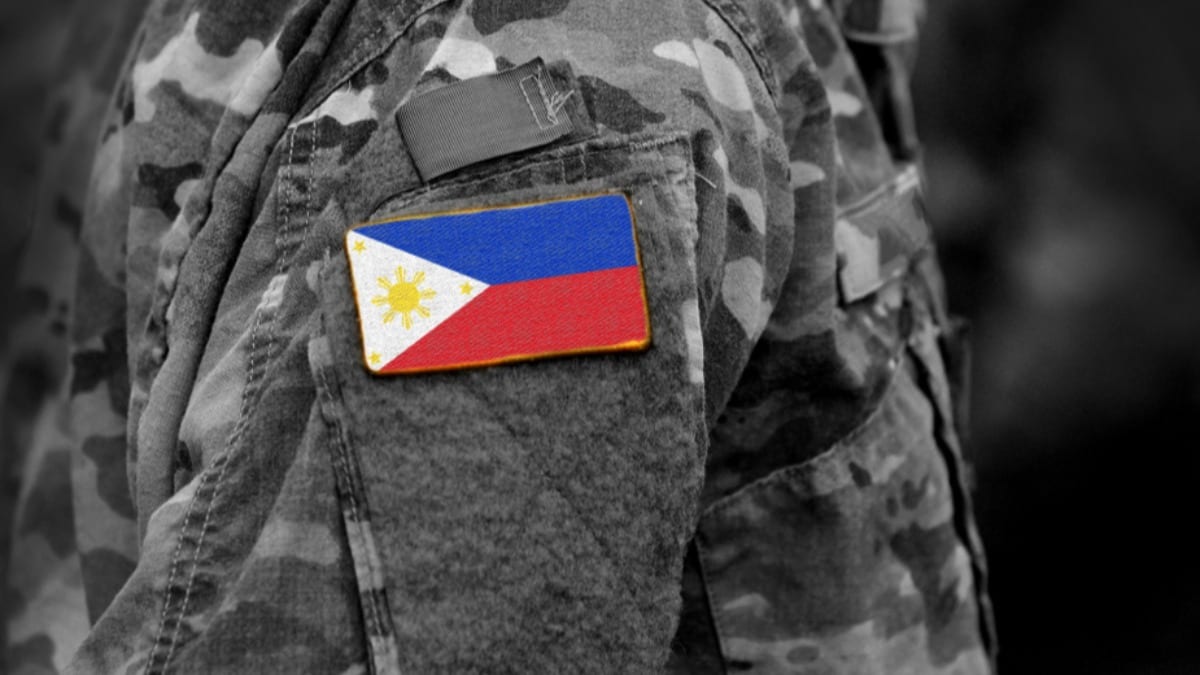
With the backdrop of heightened tensions with China in the South China Sea (West Philippine Sea) and reports of skirmishes in the disputed waterway, Philippine Defense Secretary Gibo Teodoro is asking Congress to tweak the country’s military modernization program to keep up with modern warfare.
The Defense chief said new security threats such as cyberattacks and other hybrid threats may be too much for the country’s aging military capabilities and equipment.
“What they used to call Moore’s Law – where cyber technology became obsolete every two years – no longer applies,” he said. “In some conflict areas today, changes happen every three months,” he said. “Artificial intelligence now enables adversaries to immediately pinpoint your capabilities.”
Manila is pressed to expedite its military modernization program as it allotted more than $35 billion for it over the next decade. The military is gearing up to boost its defense capacity with the procurement and acquisition of advanced naval ships, planes and missile systems to counter China’s imposing military arm in the region.
ALSO READ:
How The DoF Is Trying to Get Fighter Jets To Beef Up Manila's Defenses
Why the Philippine Coast Guard is Worried About Chinese Research Vessels
In Washington earlier this month, Philippine President Ferdinand “Bongbong” Marcos, Jr. met with US President Trump, State Secretary Marco Rubio and Defense Chief Peter Hegseth to discuss security cooperation amid China’s aggressive behavior in the South China Sea.
Hegseth had reaffirmed Washington’s “ironclad defense cooperation commitment with Manila to bolster deterrence in the Indo-Pacific region.
Beijing claims more than 80 percent of the South China Sea, which is a major trade route with more than $3 trillion worth of goods passing through it.
A United Nations-backed tribunal struck down China’s sweeping claim in 2016 as it failed to find legal basis.
Philippine neighbors, namely, Malaysia, Indonesia, and Vietnam also have competing claims over the disputed waterway. The Philippines has failed to enforce the UN ruling and has since filed hundreds of protests over "encroachment and harassment" by Beijing's vast fishing fleet and coast guard vessels.
Teodoro noted that modern warfare gear is quickly becoming obsolete at an astounding pace due to progress in new technology and artificial intelligence’s application in military operations.
Armed Forces of the Philippines Chief of Staff General Romeo Brawner, Jr. has said the Philippine military is bolstering its initiatives to stay ready for cyberwarfare, a new space for inter-state conflict.
“We are continuously updating and upgrading our cyber systems, because we have seen that one of the emerging forms of warfare is what we call cyberwarfare,” the AFP Chief said.
What Manila Has Done To Beef Up Its Military Might
Teodoro earlier broke the news that his agency is working with the Department of Finance to fine-tune and come up with financing plans for modern fighter jets to beef up the country’s military might.
The Defense secretary noted that the Philippines is weighing the costs of essential weapon systems, spare parts and the maintenance of these fighter jets with radar and air refueling planes.
The Philippines is on the third phase of its military modernization plan called “Horizons” and has earmarked $35 billion to build up its military prowess to respond to China’s flexing of military might in the region.
The Southeast Asian nation has been looking at multi-role combat jets to complement its existing inventory of air force planes as tensions with China continue to worsen.
Philippine Ambassador to the US Jose Manuel Romualdez earlier said the government was working with the United States to finance a $5.6 billion contract for 20 F-16 jets.
“The challenge isn’t just traditional threats anymore,” Teodoro said. “We now face asymmetric and hybrid threats, like cyberattacks and others.”
