
How Likely is an ICC Conviction vs. Former President Duterte?

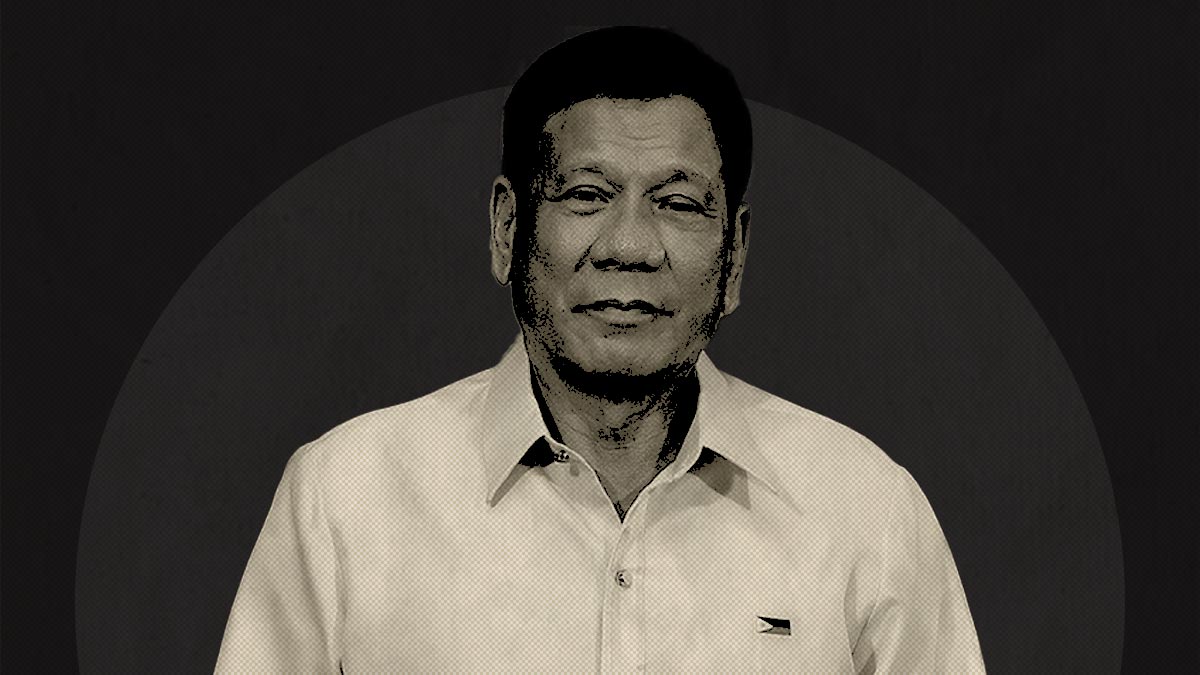
Last week, the Hague-based International Criminal Court (ICC) convicted Sudnaese militia leader Ali Abd-Al-Rahman or Ali Kushayb of war crimes in Darfur. A few days later, the ICC rejected former Philippine President Rodrigo Duterte's plea for an interim release.
This begs the question: what is the likelihood of the tough-talking former Philippine President suffering the same fate as the Sudanese leader?
Legal analysts say Kushayb's conviction should be a reality check for Duterte supporters.
For some context, Ali Kushyab was found guilty by the international tribunal for committing war crimes in the Darfur region in Sudan more than two decades ago. The atrocities committed in that part of Africa is considered to be one of the most extreme cases of ethnic cleansing and genocide against the region's non-Arab people and was also a battleground for a civil war between Sudan's army and the paramilitary Rapid Support Forces.
ICC Presiding Judge Joanna Korner found that Kushayb gave orders to "wipe out and sweep away" non-Arab tribes, which resulted in killings, rape, and other forms of destruction.
The ICC ruling is undoubtedly historic as it marks the tribunal's first-ever conviction. The militia leader was found guilty on 27 counts of war crimes.
ALSO READ:
What You Need to Know About the ICC’s Murder Charges Vs. Former President Duterte
Duterte Arrested for Alleged Crimes Against Humanity: How Did We Get Here
Much like the families of drug war victims that have testified in Duterte's case, survivors of the Sudanese conflicts and atrocities testified to villages being burned down, killings, and disturbing tales of sex slavery.
The Janjaweed armed group, which Kushayb led, had been accused of committed genocide over their systematic attack of non-Arab villagers in Darfur.
The milita leader is still awaiting sentencing before the ICC. Unlike the former Philippine President, the atrocities and killings committed in Darfur happened more than 20 years ago but lasted all the way until 2020.
The Sudanese warlord had claimed innocence and argued that it was a case of mistaken identity.
"The decision should definitely be a reality check," Michael Henry Yusingco, a constitutionalist, law lecturer, and senior research fellow at the Ateneo Policy Center, told Esquire Philippines in an interview. "They (Duterte camp) should really stick to a legal defense strategy, instead of using the detention of the former (President) as content for their political narrative. They have to win in a court of law. Winning in the court of public opinion must not be their goal."
Yusingco added that the landmark ruling is a reminder that a Duterte conviction is a distinct possiblity and that prosecutors believe they have a strong case against the former leader.
"Therefore, (the) case can only be won through evidence and legal argumentation. Political gimmicks will not be helpful at all," the lawyer added. "Rallying in front of the Hague will have no impact on the judges even if this is done every day."
Duterte, who is 80 years old, is standing on trial for his deadly drug war, which was a key pillar of his maverick persona during his presidency. On Friday (Oct 10), the international court struck down his legal team's request for temporary release. The Pre-Trial Chamber said the former President "continues to pose a flight risk" in the middle of pre-trial proceedings.
"Moreover, given Mr. Duterte's position as former President of the Philippines, he appears to have the necessary political contacts, as well as to benefit from a network of support within that country, including his daughter, who currently holds the office of Vice-President of the Philippines, that may help him abscond," according to the 23-page decision penned by ICC Pre-Trial Chamber 1 Presiding Judge Lulia Antonella Motoc, alongside Judges Reine Adélaïde Sophie Alapini-Gansou and María del Socorro Flores Liera.
The firebrand leader is facing three counts of murder involving alleged drug suspects and for reportedly approving summary executions during his terms as Davao Ciy mayor and President.
The Philippine government estimates that more than 6,000 alleged narcotics peddlers and users were killed during the bloody campaign. Though, human rights groups and watchdogs say the actual death toll is much higher, at about 30,000.
"The decision on interim release is mollifying, but at the same time acutely reminds us of how influential the Dutertes still are," Kristina Conti, an ICC-accredited lawyer who represents drug war victims, told Esquire Philippines in a Viber message. "But with the detention of Duterte the mastermind in the Netherlands, we expect victims and witnesses of the "war on drugs" here in the Philippines to be more emboldened to participate. Perhaps, the victims of all his other crimes as well."
In 2018, Duterte withdrew Philippine membership in the ICC about a month after the tribunal announced a preliminary probe into his anti-illegal drug campaign. The withdrawal took effect a year later.
Some legal experts and Duterte allies stand by the ICC losing jurisdiction over the crimes that happened during the drug war citing the aforementioned withdrawal.
The patriarch of the Duterte clan won over Filpino voters in the 2016 presidential race as many believed in his crime-busting and maverick image. He pledged to eradicate all illegal drugs from the country in just the first six months upon taking office, also targeting about 100,000 criminals.
Duterte's defense team has sought to postpone the ICC hearings as they claimed the octogenarian was not fit to stand trial, which only led to the court allowing a brief halt.
"This does provide a heartening opportunity that people who violate human rights and standards of human dignity will indeed suffer lifelong consequences," Hansley Juliano, who teaches political science at the Ateneo de Manila University, told Esquire Philippines in an online exchange. "The persistent attempts of the Duterte camp to sway the narrative domestically already belie to the ICC what a danger Mr. Duterte is to this country, and he should not be let go."
According to Human Rights Watch, the drug war has led to more than 12,000 deaths of mostly urban poor suspects and that at least 2,555 of killings have been attributed to the Philippine National Police.
"We await and hold on to the maxim: the wheels of justice turn slow, but grind exceedingly fine," Conti said.
