
Filipinos Among the Leaders in Ingesting the Most Microplastics in the World

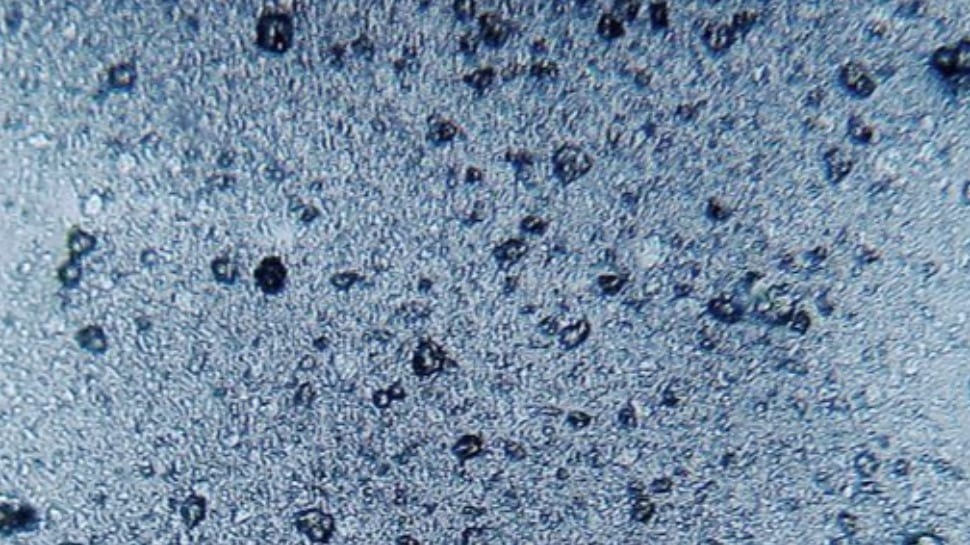
More recently, studies on microplastics have shown us just how damaging they can be to the environment and our own bodies. In fact, these things can even wreak havoc by killing off populations of larvae, mites, and other creatures that keep the ecosystem healthy. What's worse is that microplastics can directly damage our organs, and we ingest them every day, apparently.
A study by Xiang Zhao and Fengqi You from Cornell University examines our relationship with microplastics by looking at our inhalation and dietary uptake of such through food packaging. Published in the journal Environmental Science & Technology, the research looked into eating habits, food processing technologies, age demographics, and breathing rates per country.
Among some of the more harrowing conclusions found in the study was that microplastic uptake has only grown 6-fold from the year 1990 to 2018. The situation is far worse for regions like ours.
ALSO READ:
This Pet Memorial Service 'Turns' Your Pets Into Plants
The Dyson V15 Detect Is Especially Engineered For Homes With Pets
As it turns out the Philippines joins Malaysia, Indonesia, and Vietnam in the Southeast Asian region at the top of the global per capita list for dietary intake of microplastics across 109 countries. Meanwhile, China, Mongolia, and the United Kingdom lead the rest of the world in terms of breathing microplastics.
Microplastics can be found in major food groups, covering fruits, vegetables, proteins, grains, dairy, drinks, sugars, salt, and spices. Table salt consumption per capita, as it stands is equal in Indonesia and the United States. but of course, microplastics in Indonesian table salt were found to be 100 times higher. Indonesians also end up consuming about 15 grams of microplastics per month, the most for any country on the list.
“Industrialization in developing economies, particularly in East and South Asia, has led to increased consumption of plastic materials, waste generation, and human microplastic uptake. Conversely, industrialized countries are experiencing a reverse trend, supported by greater economic resources to reduce and remove free plastic debris,” explained You, a senior faculty fellow at the Cornell Atkinson Center for Sustainability.
So where do we go from here? A combination of waste management regulations and better water treatment technologies are key to this. The study asserts that a 90-percent reduction in aquatic plastic debris would mean a substantial decrease in exposure to microplastics. They put the numbers around 51 percent for developed countries and 49 percent for industrializing areas. Better said than done.
What Makes Microplastics Such an Existential Threat?
The thing with microplastics is that these things can take thousands of years before they decompose. This is because they don't break down into harmless molecules. Accumulating such poses both a risk to the environment and to our health. In fact, their bioavailability increases due to their size, which means they mostly impact humans and other species.
Toxicological studies on microplastics indicate that exposure to high concentrations of toxins it carries (like PS) can affect our lung cells. Among the other effects of microplastics on the body include oxidative stress, metabolic disorders, neurotoxicity, as well as reproductive and developmental toxicity, among others.
