

Safeguarding One of the World's Smallest Primates

The Department of Environment and Natural Resources (DENR) Region 12 Enforcement Division is filing criminal charges against Mindanao-based vlogger Ryan Parreno and his cousin in connection with their alleged maltreatment of two tarsiers. The vloggers reportedly violated Republic Act 11038 (Philippine Biodiversity Act) relative to RA 9147 (Wildlife Resources Conservation and Protection Act). The video, which shows them squeezing the creatures with their hands while shouting “smile, baby!” at them and laughing mischievously, has sparked negative reactions from netizens. Even an apology Parreno failed to deter DENR-12 from proceeding with the charges.
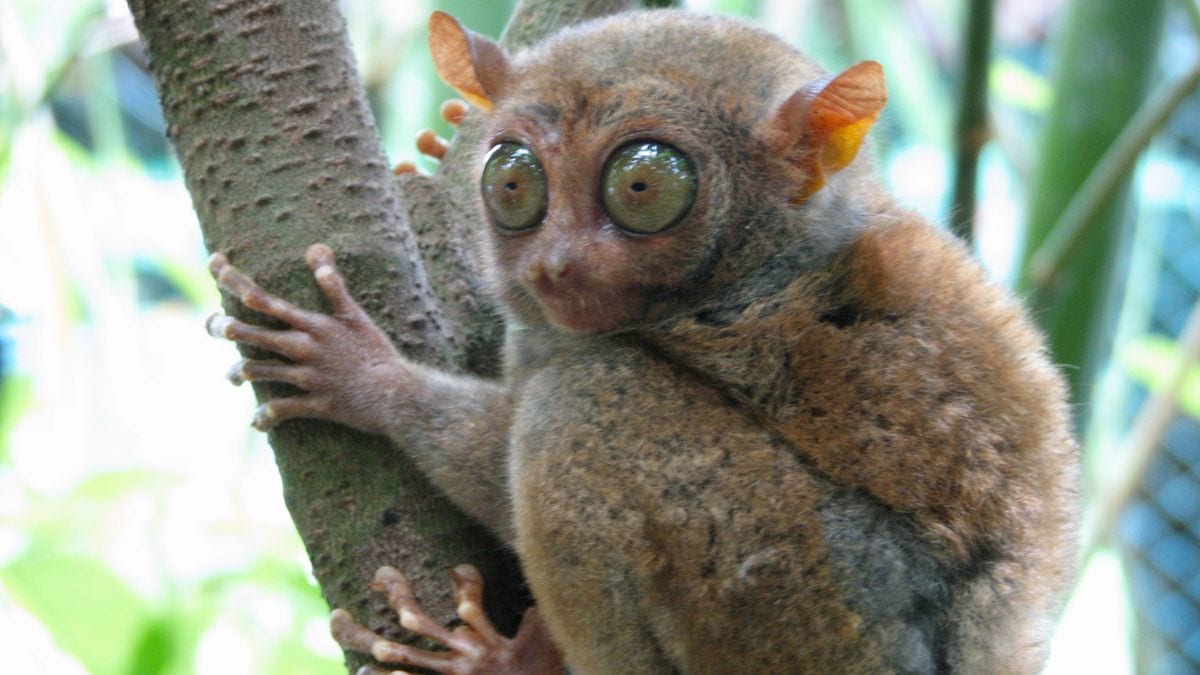
The Philippine tarsiers, known for their strikingly large eyes and nimble acrobatics, are undeniably captivating. These animals have long been a source of pride for the Philippines, particularly for the province of Bohol. After all, they hold the distinction of being one of the world's smallest primates. Yet, beneath their adorable facade lies a delicate reality. Although they may appear small and charming, they are not suited to be handled like typical household pets.
ALSO READ
Summer in Panglao: A Guide to Capturing the Beauty of Bohol
How a Philosophy Graduate From Ateneo Became Bohol's Premium Blademaker
We Should Stop Calling the Philippine Tarsier the World’s Smallest Primate
Not only are tarsiers incredibly delicate (they are about the size of a tennis ball), but they are also an endangered species. These nocturnal tree-dwellers are highly sensitive to stress, loud noises or bright lights disrupting their delicate ecosystem. Sadly, habitat loss and human encroachment are threatening their very survival.
As the two vloggers appear to squeeze the tarsiers, one cannot help but feel a sense of dread. The fact is, considering their fragile and small size relative to the average human hand strength, it's a grossly uneven match. But that's just part of the issue; the vloggers also made loud noises, shouting and laughing incessantly. In the video, you can see one tarsier letting out a desperate cry for help when held tightly by the vlogger's hand.
.jpg)
Had the vloggers did a little research on these tiny animals, they would have discovered that tarsiers are easily stressed, especially when in captivity. Holding or touching them is one of the stress triggers for these creatures, just like intense light (especially bright camera flashes), loud noises, or even when they are kept in enclosures. Tarsiers, when stressed, exhibit suicidal tendencies. They have been known to hit their heads against trees, the forest or dense vegetation on the ground, or, if kept in captivity, the walls of their enclosure.
The stress of prolonged interaction with humans can take a toll on a tarsier’s health, and the illegal pet trade further jeopardizes their wild populations.
There are several ways you can champion the cause of the Philippine tarsier. When visiting sanctuaries, prioritize responsible tourism. Stick to designated paths, maintain a quiet demeanor, resist the urge to shout at the tarsiers to get their attention, and refrain from using flash photography.
Supporting organizations like the Philippine Tarsier Foundation enables them to continue their vital research and habitat restoration efforts. Spreading awareness through social media or educating friends and family about the threats these creatures face can also make a significant difference. By becoming informed and advocating for their protection, you can play a crucial role in ensuring these unique animals continue to thrive in their natural forest habitats.
By learning about the tarsiers' needs and appreciating them from a distance, we can become their guardians, ensuring they remain not just subjects of cute souvenirs, but vital parts of the Philippine ecosystem.
[ArticleReco:{"articles":["16380","14406", "28927", "25460"]}]