
Taal Volcano Smog Vs. Metro Manila Smog: What's the Difference?

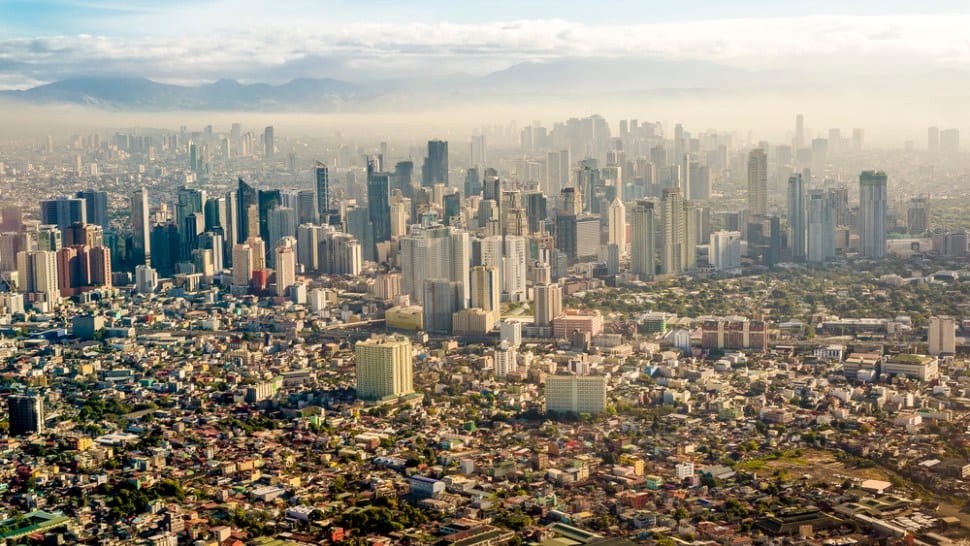
On Friday, September 22, local government units across Metro Manila and other parts of Luzon advised citizens to stay indoors as last evening's smog problem continued today.
While some of us were speculating that this was brought about by Taal Volcano's unrest, the Philippine Institute of Volcanology (Phivolcs) and the Department of Environment and Natural Resources (DENR) clarified that this wasn't volcanic smog, but rather smog coming from, well, local traffic.
According to DENR's Environmental Management Bureau, their tools "indicate heightened alert in some parts of Metro Manila, due primarily attributed to emissions from heavy vehicular traffic, especially during rush hour."
So why is it so visible then? The Department of Science and Technology clarified in a post that the conditions around Taal Vocano are different from the conditions in the National Capital Region, CALABARZON, and other parts of Central Luzon.
ALSO READ:
What's Happening at Taal Volcano?
The Possibility of Taal Eruption 'Increasing' Is Limited to Volcano Island, According to PHIVOLCS
"The meteorological conditions Friday morning (NCR, CALABARZON, and some parts of Central Luzon) is conducive for haze or smog formation. This occurs when very small particles get trapped close to the surface due to the presence of a thermal inversion, high humidity, and calm wind conditions," it said.
"These floating minute particles in the air could be from smoke, pollutants, or volcanic aerosols. Thermal inversion occurs when layers of the atmosphere don’t mix causing aerosols to get trapped."
The agency added: "Usually, the inversion disappears later in the day as heat from the sun allows the mixing of the air, allowing the aerosols to disperse. However, cloudy conditions may reduce surface heating, allowing the haze to persist."
Philvocs, on the other hand, noted that the vog found around Taal had a direction heading west-southwest, which means that Metro Manila wouldn't be on its pathway.
Of course, air quality in and around Metro Manila, particularly in Parañaque, Pateros, and Makati, is still poor. For instance, air quality in Makati and Pateros are classified as “unhealthy for sensitive groups" based on Friday's bulletin. Classes, government offices, and businesses have suspended operations in various cities, as well.
What Is Vog and How Does It Differ From Smog?
Taal Volcano was said to have spewed above-average sulfur dioxide and volcanic smog this morning. Vog happens when sulfur oxides emitted by a volcano react with moisture. Its droplets contain volcanic gas like sulfur. This can lead to irritation of the eyes, nose, throat, and respiratory tract.
Meanwhile, smog is formed when air mixes with pollutants and exhaust gases. These can be a direct result of human activity and other factors. Smog increases nitrogen levels on land and can lead to irritation in our respiratory tracts, as well. This is why smog and air quality levels are monitored more regularly.
