

Time to Demonetize P1,000 and P500 Bills

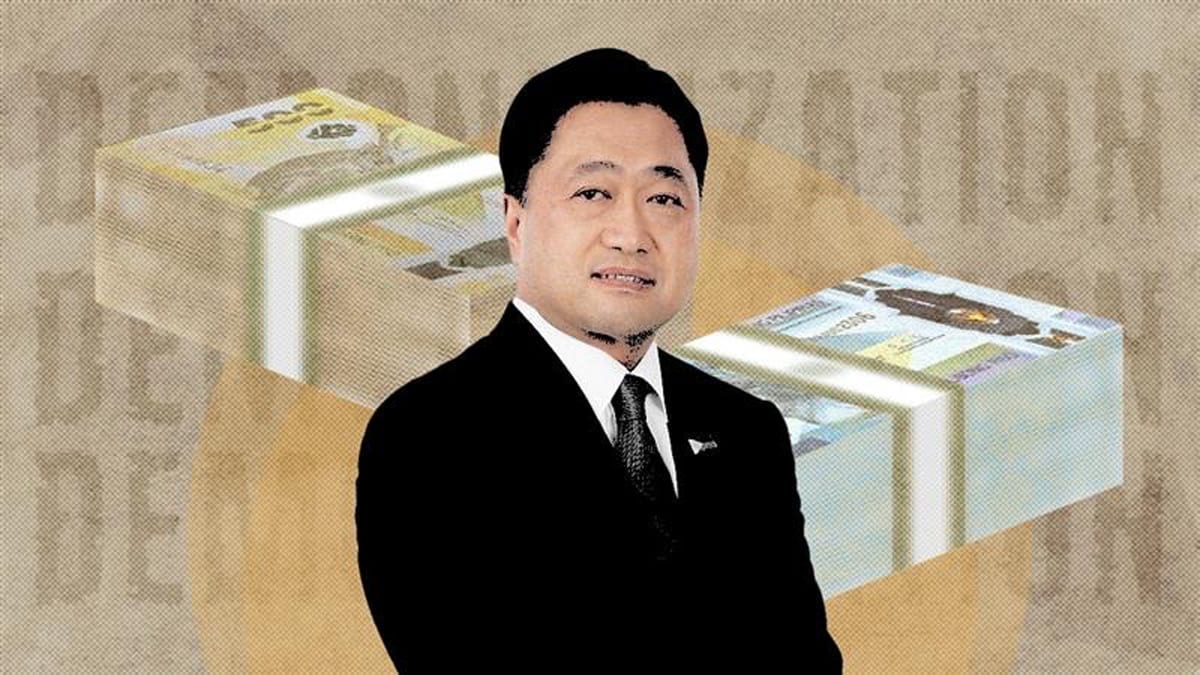
The testimonies of Bulacan DPWH engineers at the Senate Blue Ribbon Committee yesterday, September 23, gave us a chilling window into how corruption is fueled in our country. They described billion-peso cash deliveries where they said each large suitcase of P1,000 bills could only contain about P50 million.
They mentioned that a P1 billion cash delivery to a congressman at the Shangri-La The Fort parking lot required around 20 suitcases, multiple vehicles, and massive coordination.
Now imagine if the largest bill in circulation were only P200. That same P1 billion would have needed 100 suitcases, a convoy of vehicles, and a warehouse just to store the cash. The sheer impracticality would make this kind of corruption much harder to hide.
ALSO READ:
How a Nation's Frustration Found its Voice on the Streets
How Will Vince Dizon Fare as the New DPWH Chief?
A Strawman Plan for Demonetization
- Give the public six months to exchange old P1000 and P500 bills.
- Require presentation of a valid National ID for exchanges at banks.
- Any exchange of P500,000 and above must be deposited into a bank account and reported to the Anti-Money Laundering Council (AMLC).
This isn’t foolproof. Corruption will always look for ways to adapt. But it will raise the cost, the risk, and the logistical difficulty of hiding and moving dirty money. It will also force billions currently stashed in vaults, basements, under beds, and closets back into the banking system, where accountability can reach it.
We are not alone. Other countries have done this:
- India (2016): Withdrew its P500 and P1000 notes to target black money and counterfeit cash.
- European Union (2016): Phased out the €500 note to reduce money laundering and terror financing.
- Nigeria (2022): Redesigned and demonetized high-value notes to push cash hoards into banks.
- Singapore (2014): Stopped printing its $10,000 note for anti-money laundering reasons.
- Canada (2000): Withdrew the $1000 bill to fight organized crime.
These examples show that withdrawing large bills is a recognized global tool to shrink the shadow economy and strengthen transparency.
Anticipated Counter-Arguments
"This will inconvenience small businesses and ordinary citizens."
That’s why the plan is to give six months for exchange and allow direct deposit for larger sums. For most families and small shops, the amounts are manageable and can be exchanged at nearby banks.
"It could slow down economic activity."
In the short term, adjustments are real. But the long-term benefit is healthier, more transparent financial flows. Clean money in banks means better access to credit, stronger tax collection, and a more stable economy.
"Corrupt people will just move into crypto."
Some will try. But crypto isn’t as invisible as many think - transactions leave digital trails, and global regulators are tightening rules. More importantly, the last mile problem remains: bribes and day-to-day corruption in the Philippines still rely on cash. Moving billions into crypto doesn’t solve the corrupt official’s need to eventually pay people in pesos. At some point, dirty money must re-enter the banking or cash system, where it becomes traceable
"Corrupt people will just find another way."
True, this is not a silver bullet. But it makes corruption more expensive, riskier, and harder to hide. Raising the logistical barriers matters.
Demonetizing the P1000 and P500 bills is about making corruption harder and transparency stronger.
So the question is: What are we waiting for?
The author originally posted this piece on his Facebook account. We are republishing here with his kind permission. Minor edits have been made by the Esquiremag.ph editors.
