
Suits for Every Occasion: Which One Should You Wear?

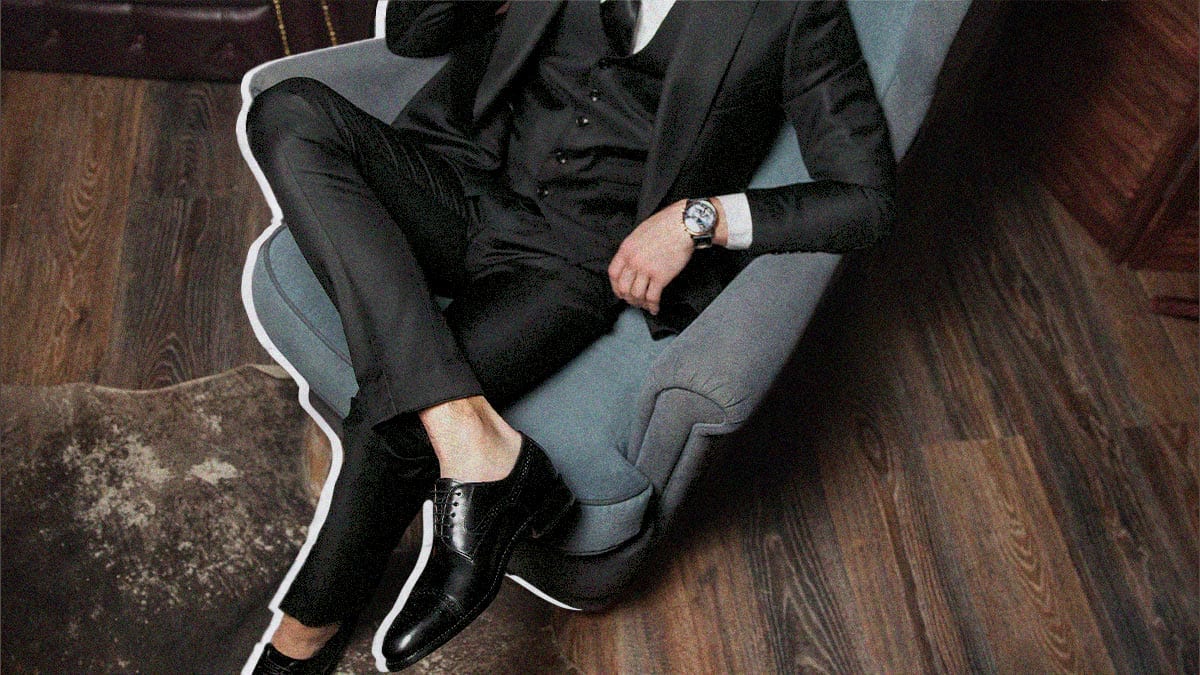
Deciphering an event invitation can sometimes feel like decoding an unfamiliar, foreign language. "Formal Attire," "Business Casual," "Black Tie Optional"—what do they even mean? Should you go for a tuxedo or a dinner suit, or just play it safe with your trusty single-breasted number? The world of suits is vast, and while a good suit will never betray you, the wrong one at the wrong event might just raise a few eyebrows.
Before we dive into the nuances of suits, however, let’s address the tuxedo elephant in the room. A tuxedo or "tux" is strictly for black-tie events—formal weddings, galas, and high-profile soirees. A suit, on the other hand, is far more versatile, spanning nearly everything from business meetings to cocktail events.
ALSO READ:
Where to Get a Black Tuxedo in Metro Manila
Handkerchiefs Versus Pocket Squares: What's the Difference?
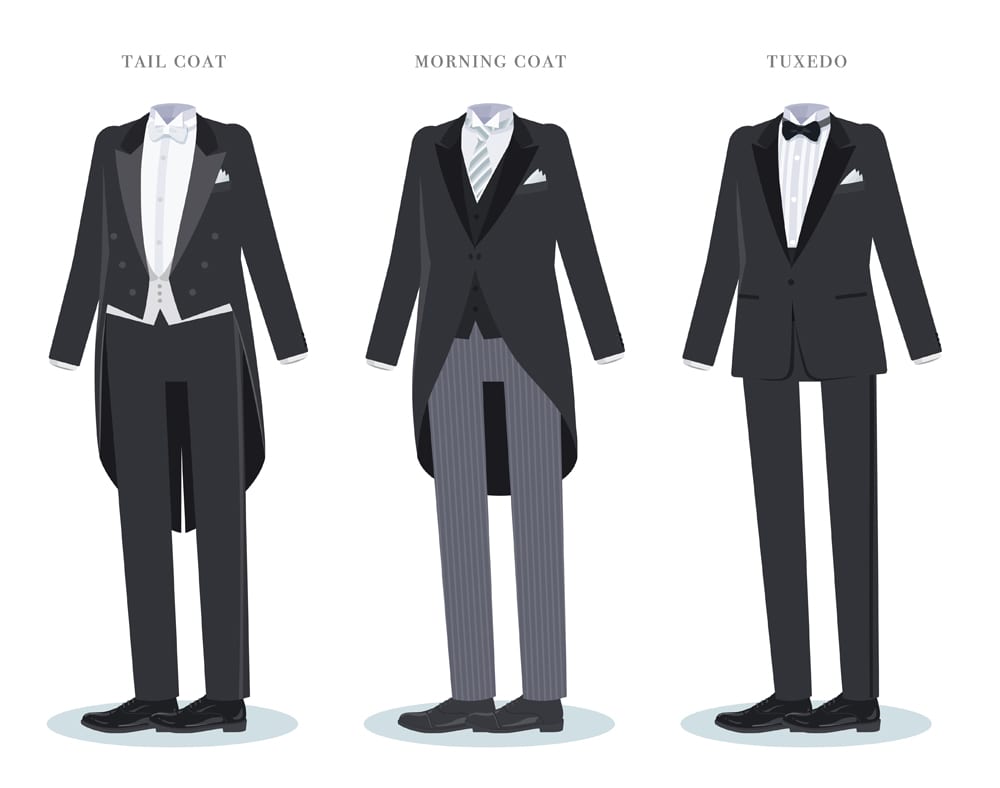
The suit's versatility, of course, is due to its many different faces, as you can see in our guide below:
Formal Suit
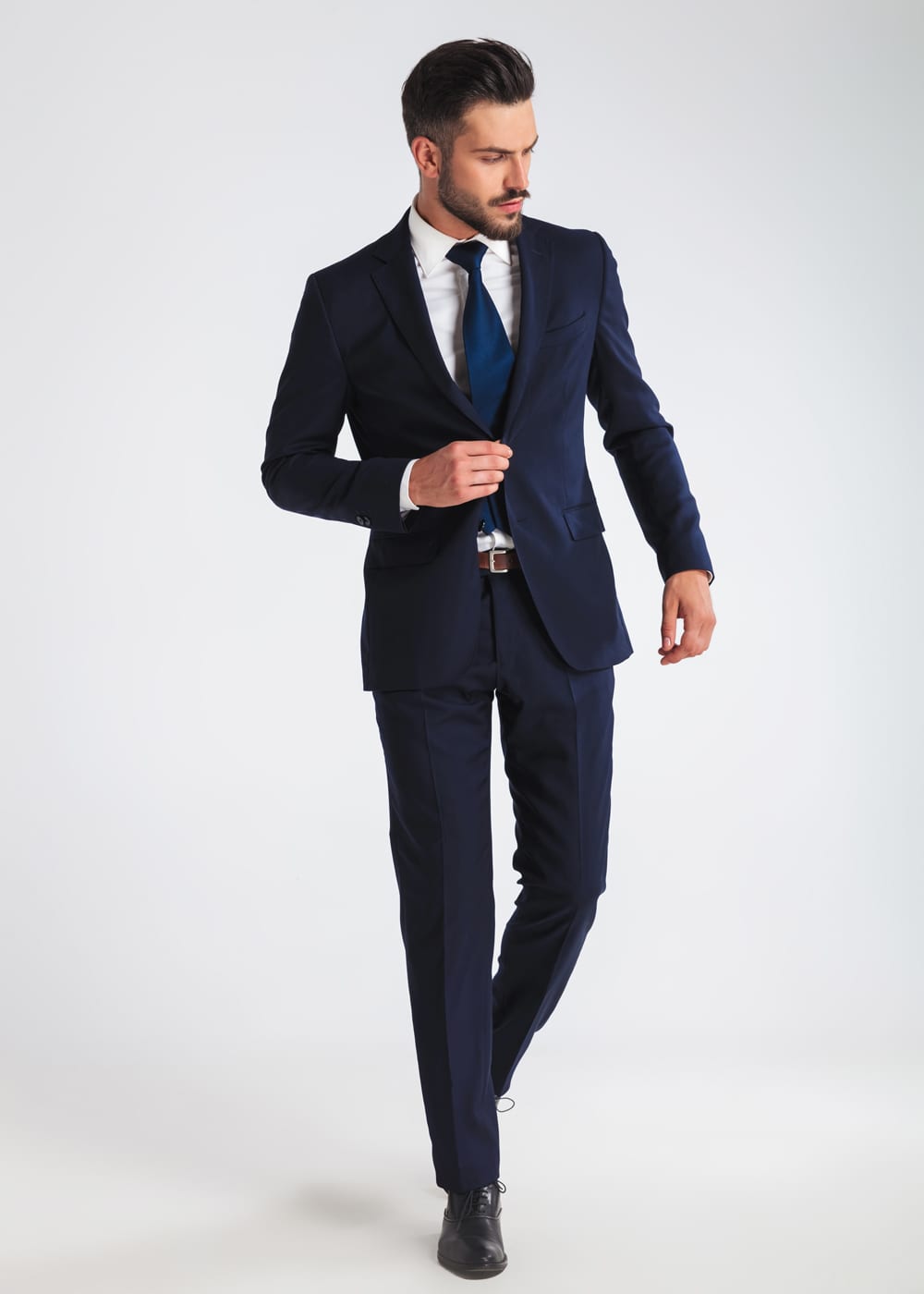
Your quintessential choice for business meetings, weddings, and evening receptions, formal suits are typically in darker hues (such as black, navy, or charcoal). Pair them up with a crisp dress shirt and a tie for an effortlessly polished look. Whether attending an industry conference or a sophisticated dinner party, a well-tailored formal suit is always a safe bet.
Dress Suit (a.k.a. Full Evening Dress, White Tie)
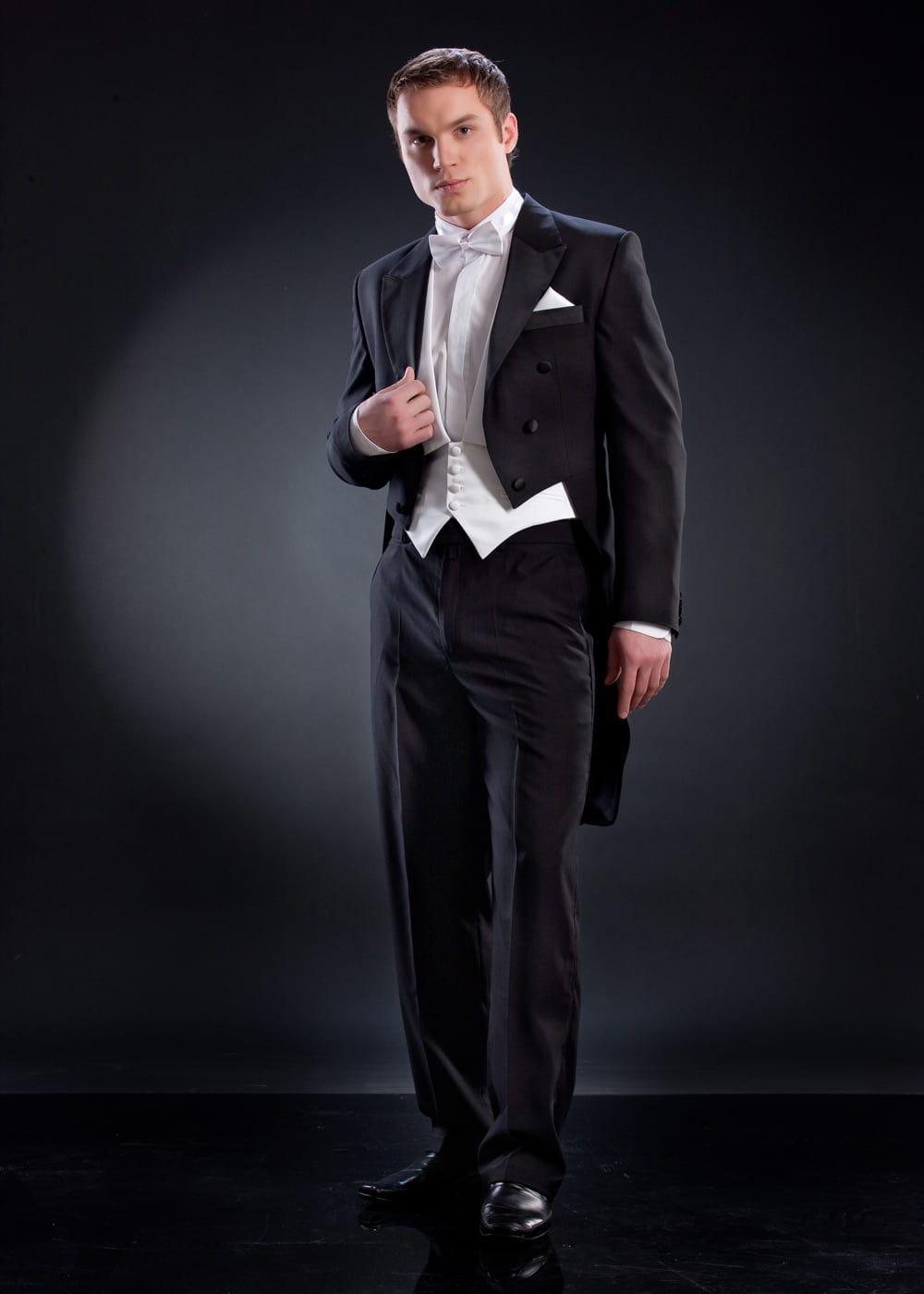
If you ever find yourself encountering a "White Tie" event, remember that wearing a full evening dress is an absolute must. White tie attire consists of a black tailcoat, a white waistcoat, and a white bow tie, often paired with high-waisted trousers and patent leather shoes. This suit is reserved for the most formal occasions, such as state banquets, royal gatherings, and prestigious award ceremonies. Needless to say, "White Tie" and "Black Tie" events are not the same, as the latter requires a tuxedo, so make sure to triple-check that dress code.
Morning Suit (a.k.a. Morning Dress)
Slim Fit Morning Suit Jacket, Marks & Spencer
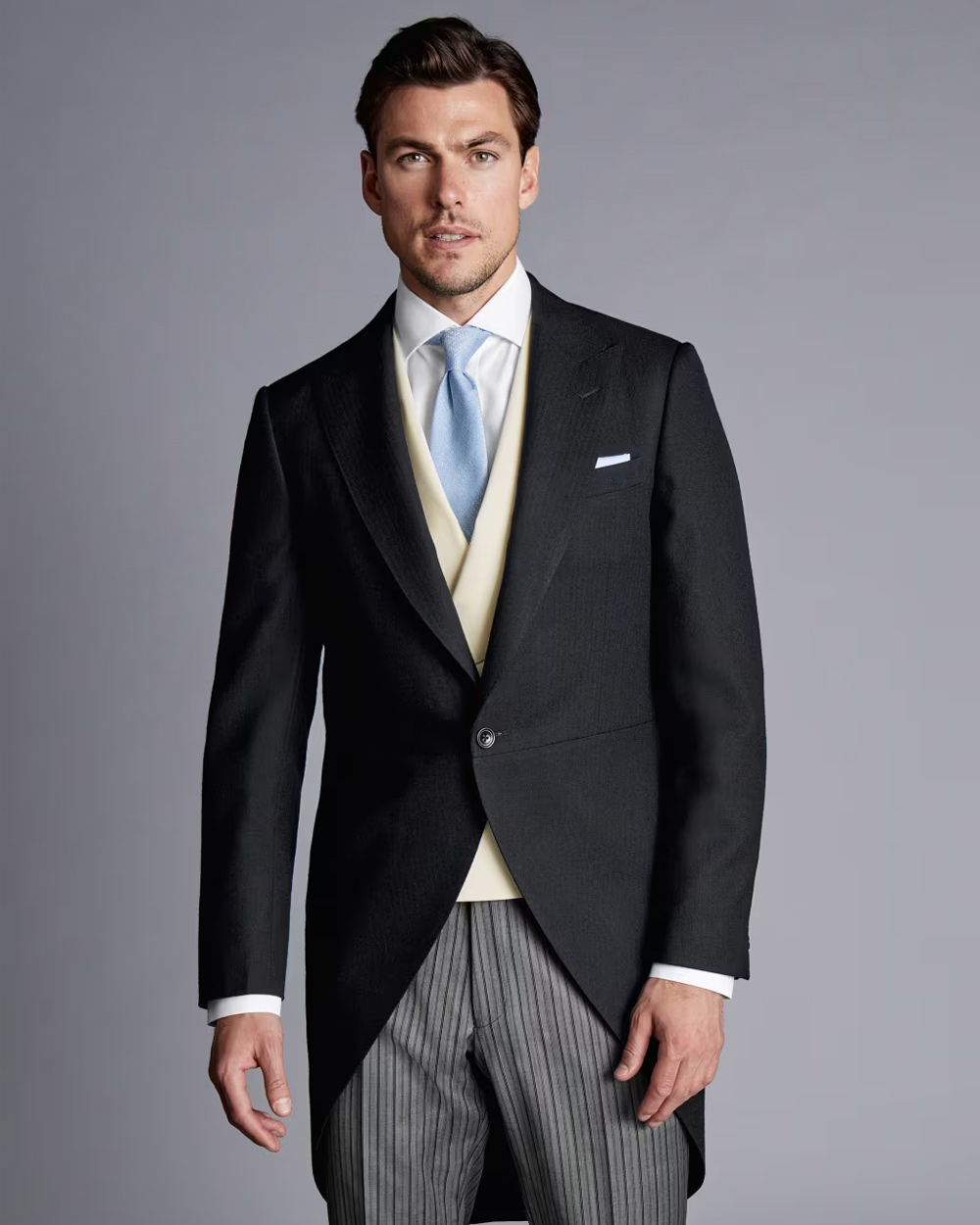
An aristocratic choice, the morning suit is typically seen at prestigious, formal events that happen before 6 p.m. It consists of a morning coat, waistcoat, striped trousers, and leather shoes. While not commonly worn in everyday life, it remains a go-to choice for events steeped in tradition—especially daytime events in the United Kingdom.
Summer Suit
Moss Green Thorpe Jacket, Marks & Spencer
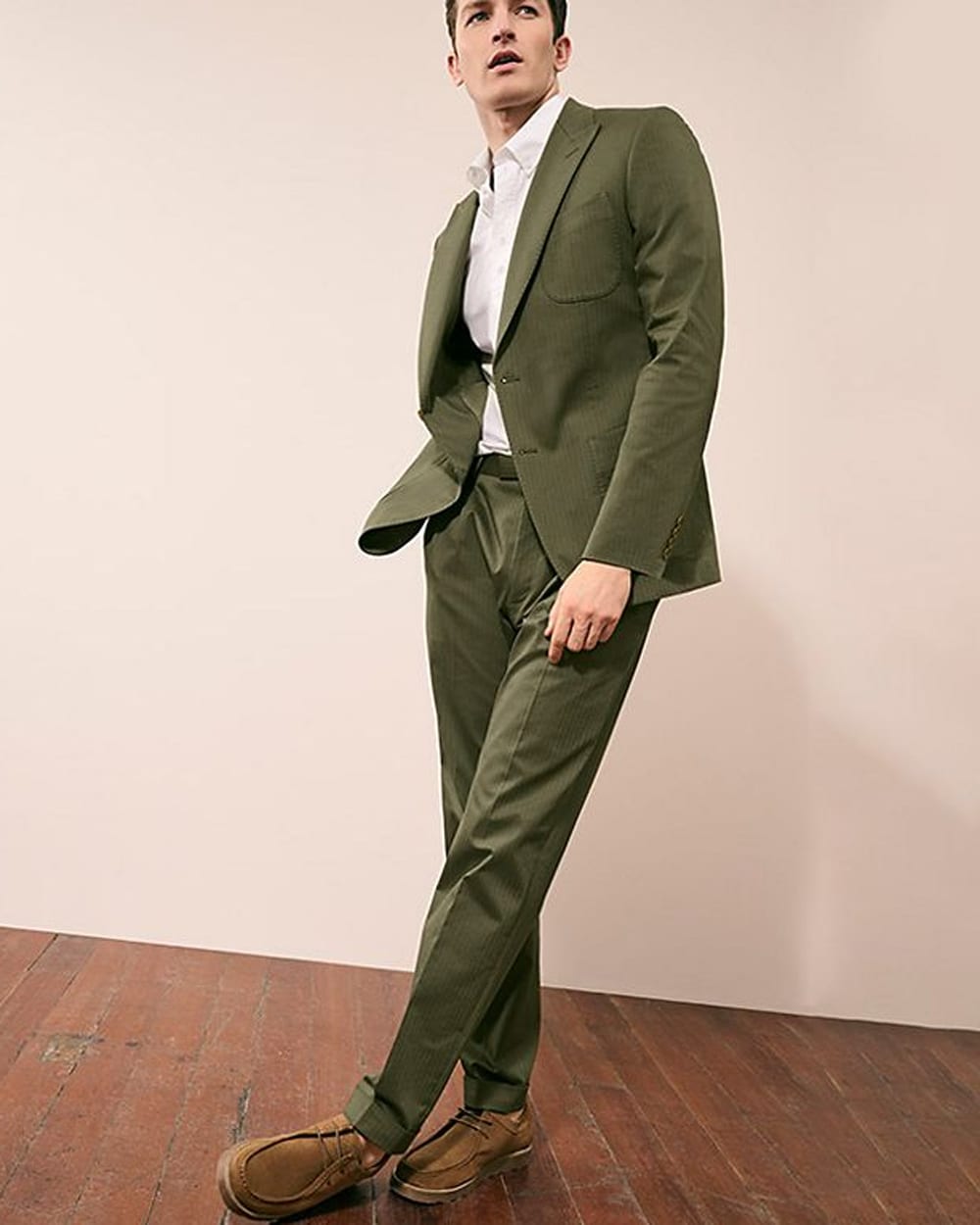
Summer events often call for lighter fabrics and softer colors. A summer suit, usually made from breathable fabrics such as linen or cotton, ensures you remain stylish without sweating buckets. These suits often come in light shades such as beige, light gray, or pastel blue, making them perfect for outdoor weddings, garden parties, and semi-casual gatherings.
Winter Suit
Wool & Cashmere Herringbone Suit, Brunello Cucinelli
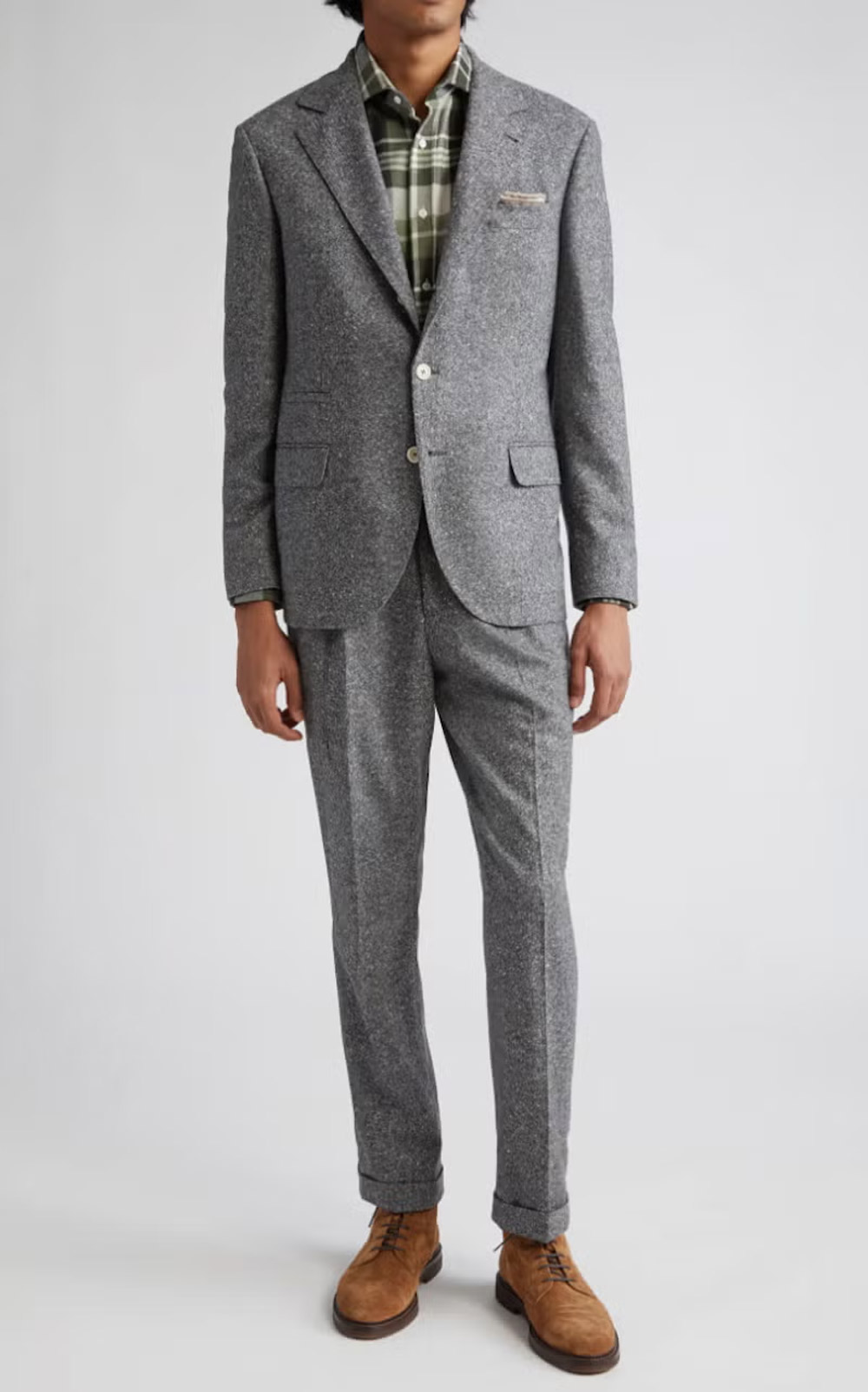
Colder climates and months demand suits that offer insulation without compromising style. Winter suits are typically crafted from thicker materials like wool, flannel, or tweed to provide warmth and structure. They often come in deep, rich colors such as dark brown, navy blue, and burgundy. Layering with a stylish overcoat or turtleneck can further keep you warm while elevating the look at the same time.
Lounge Suit
100% Linen Suit, Zara
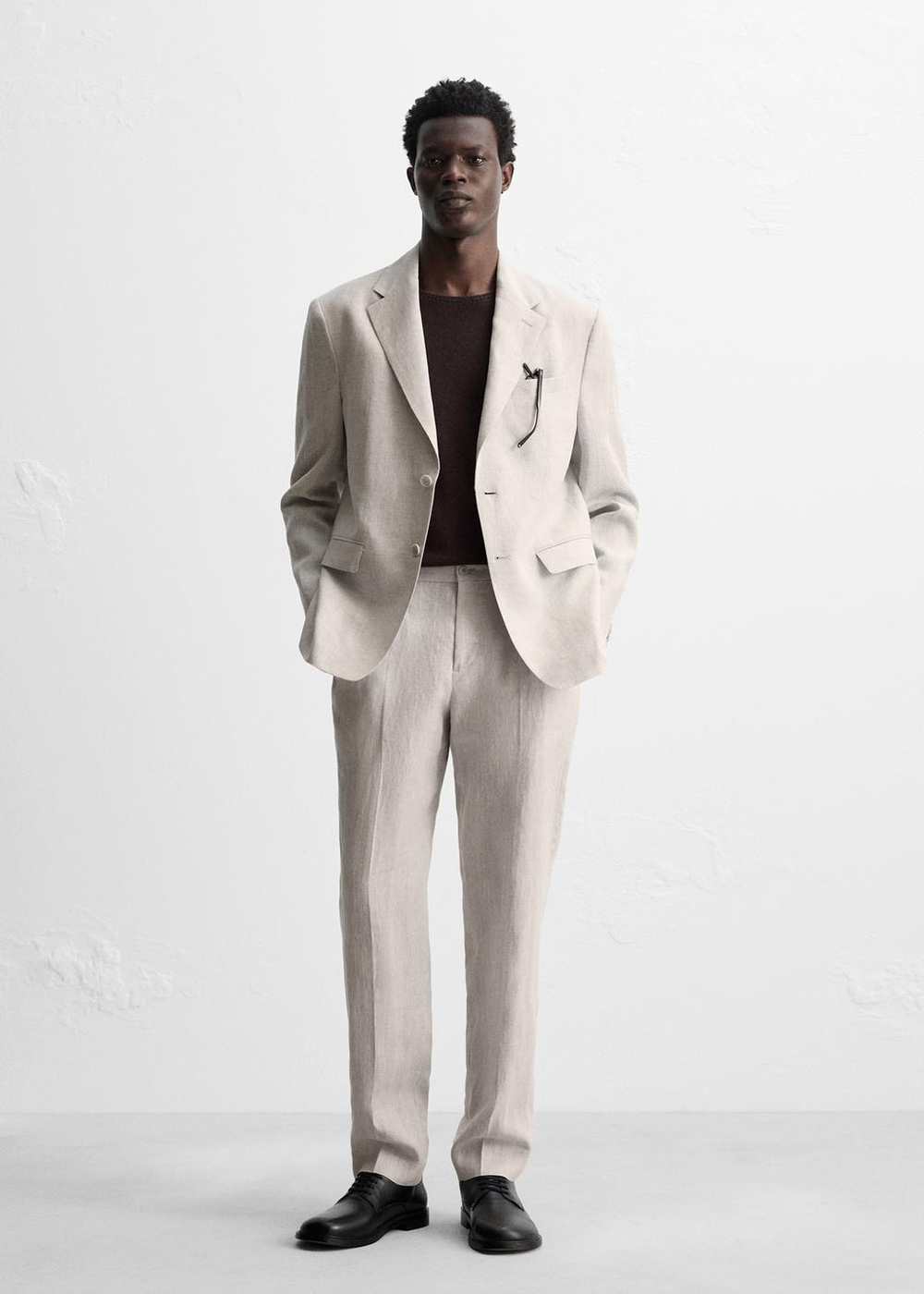
Another versatile option, the lounge suit strikes a balance between casual and formal. Perfect for business settings, dinner dates, or cocktail parties, this can be dressed up or down depending on the occasion. Pair it with a classic tie for a polished look, or leave the top shirt button open for a more relaxed, casual aesthetic.
Mandarin or Collarless Suit
Gray Mao Suit, Hockerty
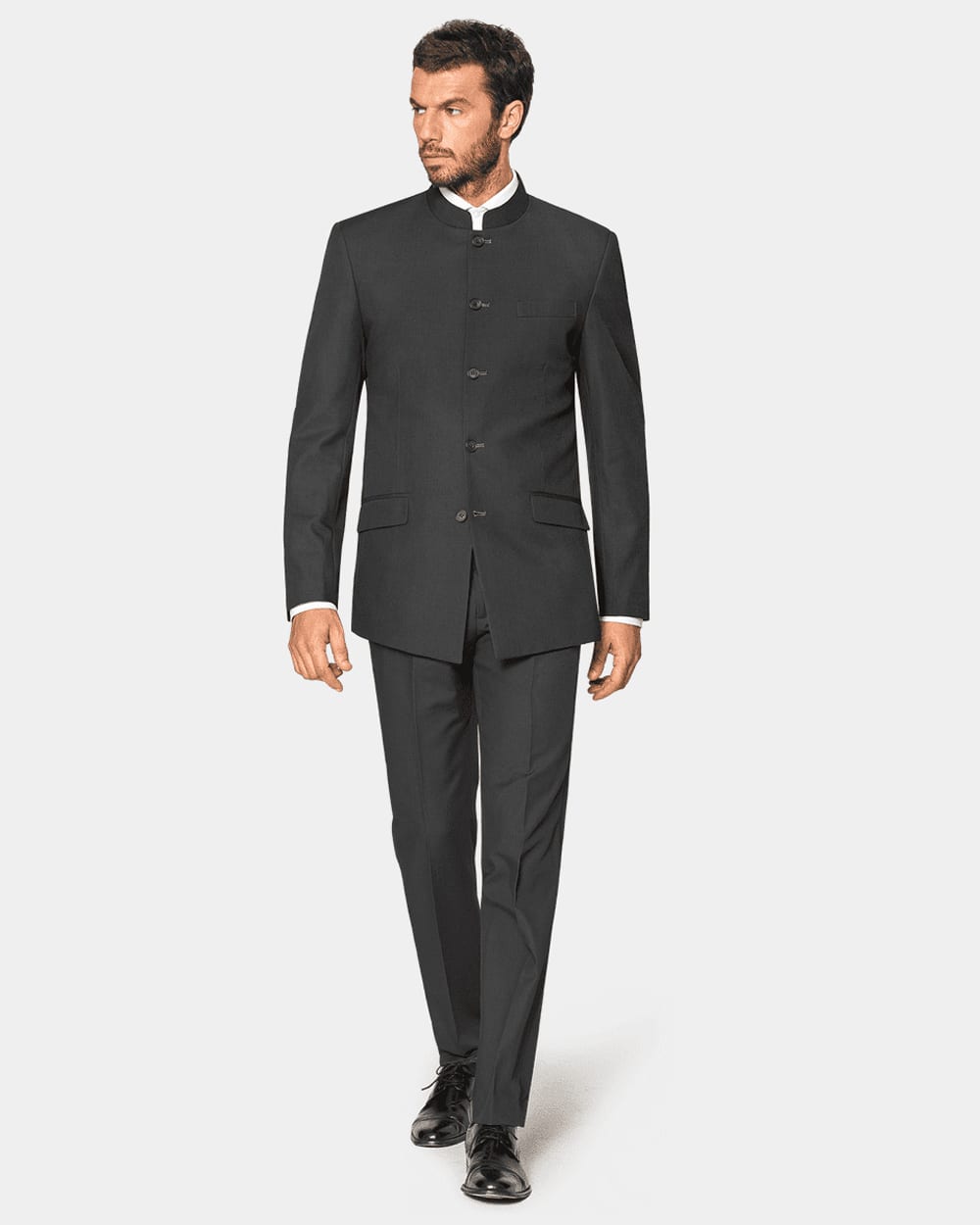
A suit with a history that dates all the way back to the Qing Dynasty in China, the Mandarin Suit–also known as the Nehru suit (after Jawaharlal Nehru) and Mao suit (after Mao Zedong)–was originally worn by nobles and high-ranking officials in Imperial China. Distinguished by its high-neck, rounded collar, the suit remains an elegant attire that can be worn for formal events and special occasions.
Single-Breasted versus Double-Breasted Suit
Double-Breasted Regular-Fit Suit Jacket, Mango
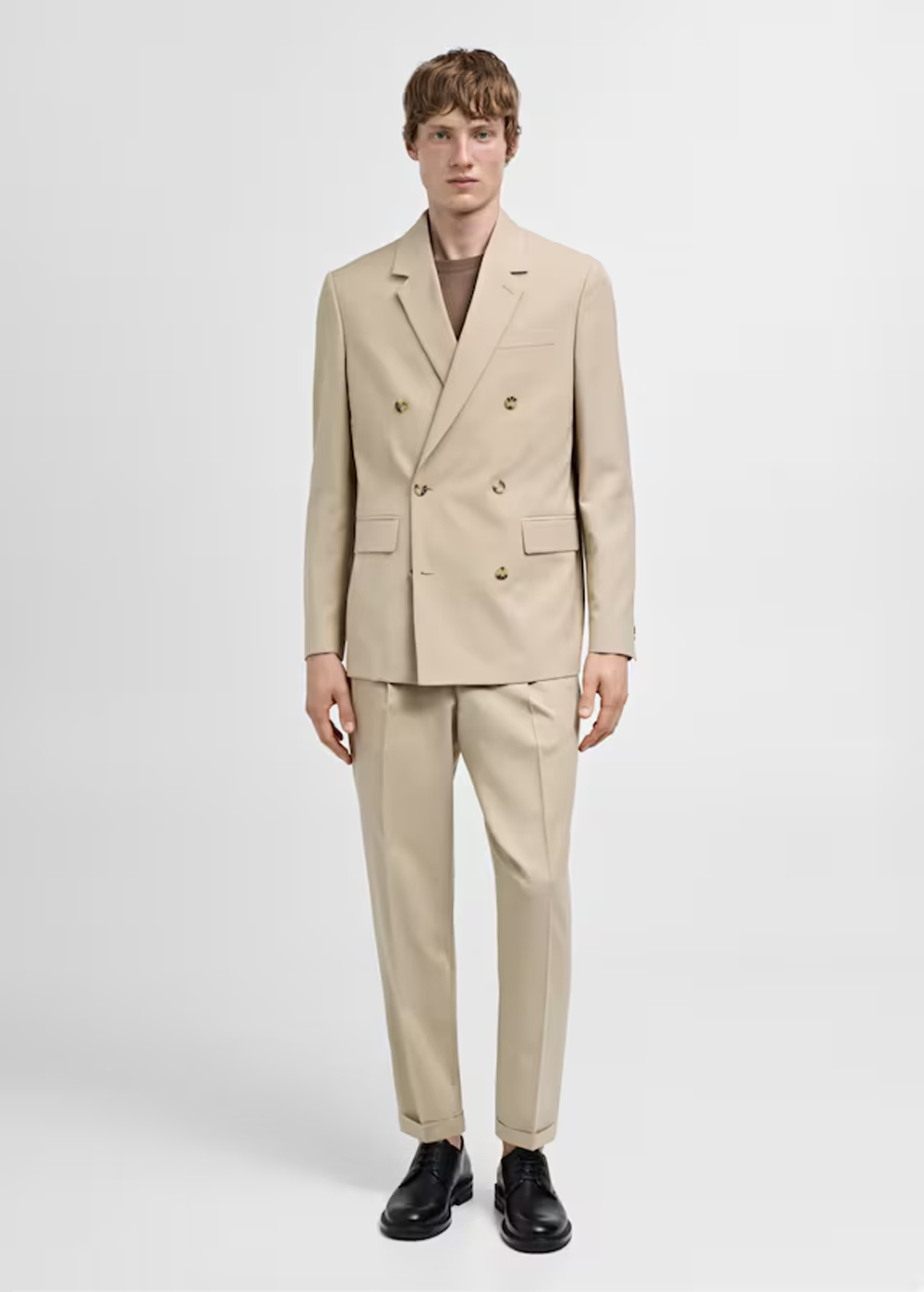
It’s all about the buttons between these two types of suits. Featuring a single row of buttons, a single-breasted suit is the most common and versatile, and it works well for both formal and casual settings. On the other hand, a double-breasted suit has two parallel rows of buttons. Exuding confidence and sophistication, this bold fashion statement is ideal for formal occasions and high-stakes business meetings.
Three-Piece Suit
Tailored Fit Navy Black Check Suit, Moss
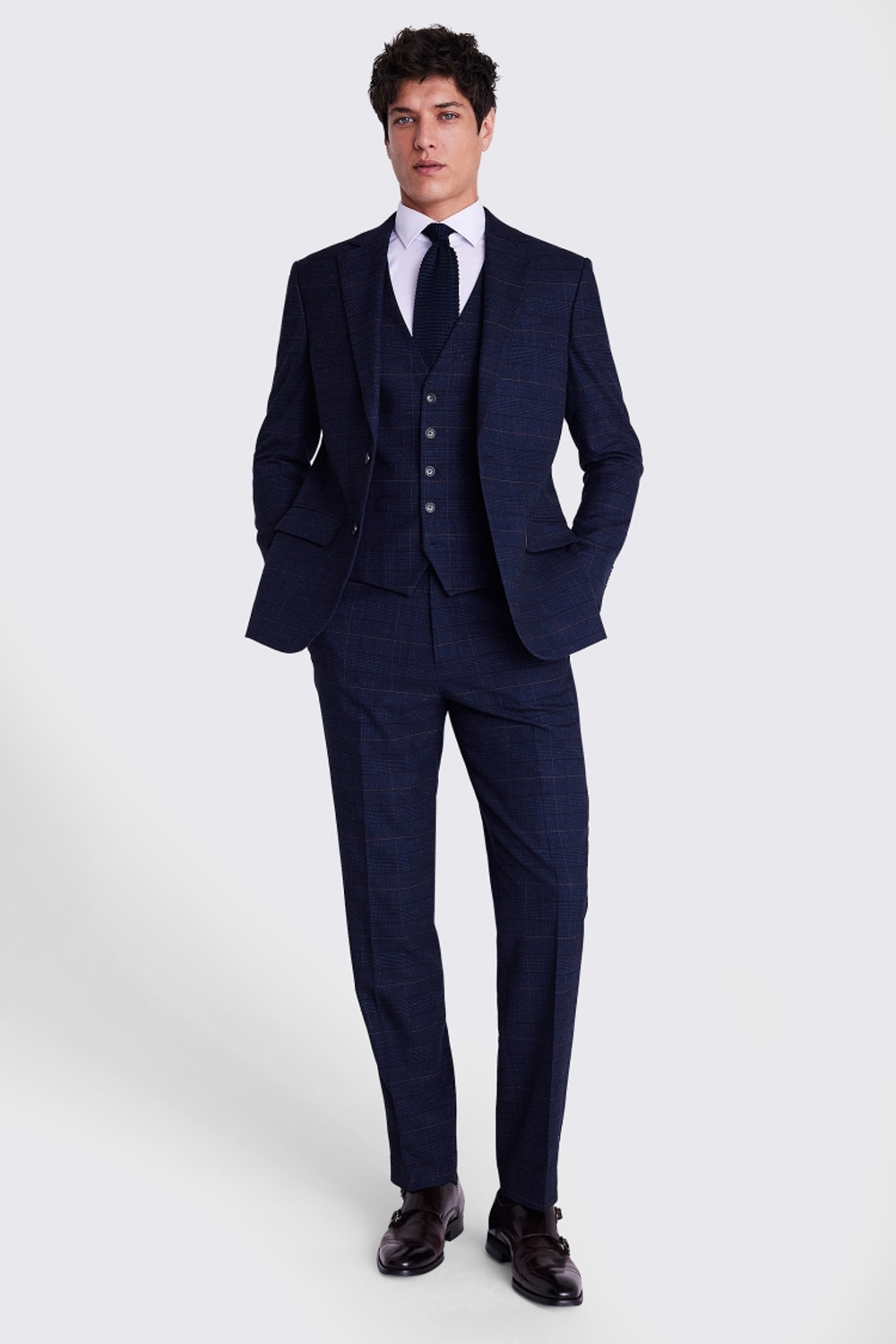
A regular suit comprised of a jacket and trousers can be elevated to a three-piece suit with the addition of a vest. Perfect for business professionals and special occasions, donning a vest adds a layer of sophistication to an already put-together outfit.
Comparing Suit Fabrics
Aside from the type of suit you’re wearing, you also have to pay attention to the fabric. The suit’s material plays a crucial role in its overall appearance, comfort, and suitability. Wool is the most commonly used fabric because of its versatility and adaptability to different climates. Ideal for year-round wear, a wool suit can fit most settings—formal or casual.
Another common fabric, cotton, is lighter and more breathable than wool. While they also provide a clean look, they’re mostly suitable for warmer climates and relaxed occasions. Linen, on the other hand, is even more lightweight—perfect for tropical climates and summer gatherings. They tend to wrinkle easily, however, so be sure to bear that in mind.
Tweed is the opposite of linen, as a heavy fabric that provides warmth and durability. It’s ideal for winter occasions and colder climates and is often associated with classic British-style suits. For a high-end event and formal occasion, another option is to go for a silk suit. Its shine exudes opulence and sophistication—key to making a fashion-forward statement.
These fabrics are the most common, but you may also encounter materials or variations such as cashmere, mohair, velvet, merino, and vicuña—the last one being the rarest wool in the world. Needless to say, rarity factors into how expensive your suit will be, especially if it’s a bespoke piece. Some of the most expensive suits in the world make use of Vicuña wool, such as the Dormeuil Vanquish II and Kiton K50—both worth US$1 million.
Mastering the Suit Game
Understanding the nuances of suits might feel overwhelming at first, but think of it as an opportunity to sharpen your style instincts. The right suit, after all, is more than just a piece of clothing—it’s a statement. A man’s suit speaks volumes before he even says a word, making it crucial to don the right one whether you’re dressing up for a crucial business meeting, a black-tie event, or you’re trying to charm your date.
Beyond simply owning a suit, however, its fit is key. A perfectly tailored suit enhances your silhouette and boosts confidence. While an ill-fitting suit, no matter how expensive, can diminish your entire look. Investing in a good tailor or understanding basic fit principles when trying an off-the-rack suit can make all the difference. Go out there and—in the words of the most suit-obsessed character in television history, Barney Stinson— "Suit up!"
