
Patek Philippe Celebrates the 20th Anniversary of Its Museum in Geneva

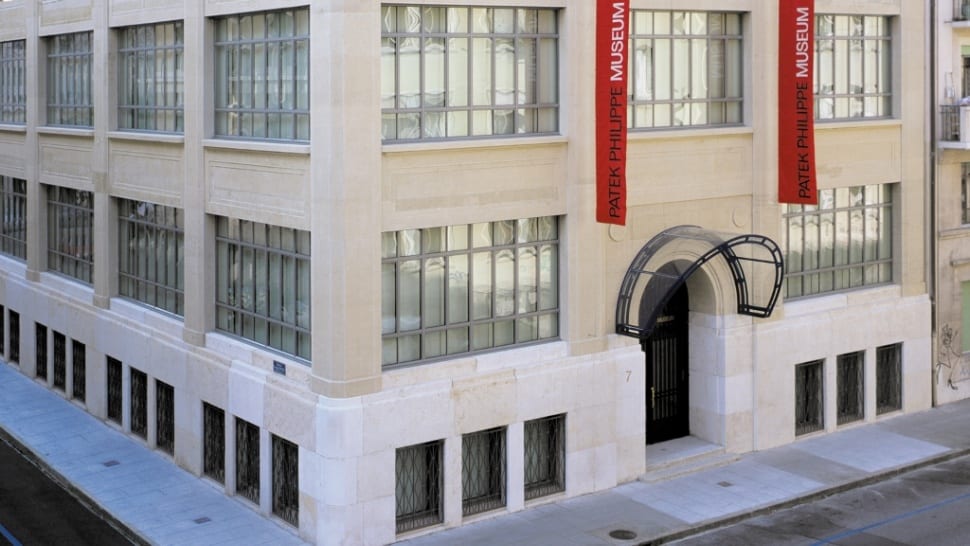
Creating what is certainly a "temple to watchmaking," Philippe Stern founded the Patek Philippe Museum in November 2001—so this month, the four-storey institution which houses one of the world's most important and prestigious horological collections, celebrates the 20th anniversary of its inauguration.
For an occasion like this, the Patek Philippe Museum is celebrating the best way it knows how: with a new museology which makes a visit to the museum even more vivid and engaging. The two main collections' layouts have been revamped, and audio guides have also been introduced. Plus, the museum is issuing two new 100-page publications for the anniversary.
Scroll down to see more photos of the Patek Philippe Museum below.
The Patek Philippe Museum is located in what used to be an industrial building that was painstakingly restored.

Its located at 7 Rue des Vieux-Grenadiers in the Plainpalais district of Geneva.
The building had been occupied by various watchmakers and artisans throughout its history.

Patek Philippe initially used the building for its production unit, but Stern later decided to present his collection in the space.
The first floor showcases Patek Philippe's most beautiful and exceptional creations.

From 1839 to 2000.
The museum houses five centuries of horological heritage.

There's also a focus on the world of horological decoration: engraving, enameling, gem setting, and guilloché work, to name a few.
Some 2,500 watches, automata, precious objects, and portrait miniatures are housed in the museum.

The second floor gives a tour of the history of the portable mechanical timepiece.

It houses the antique collection, from the sixteenth to the mid-nineteenth century.

One of the oldest timepieces, a German drum-watch made in about 1530, is displayed in the area.

At the time, the timepiece was worn as a pendant and was seen as a "mark of prestige" as only the wealthy could have access to it.
The area also offers a closer look at the development of the minute repeaters and the birth of the chronograph.

Here's another look at the second floor.

The library comprised of more than 8,000 works on horology and related subjects sits on the third floor.

Head on over to the Patek Philippe Museum's site for more.
