
The Story Behind Coldplay's LED Wristbands

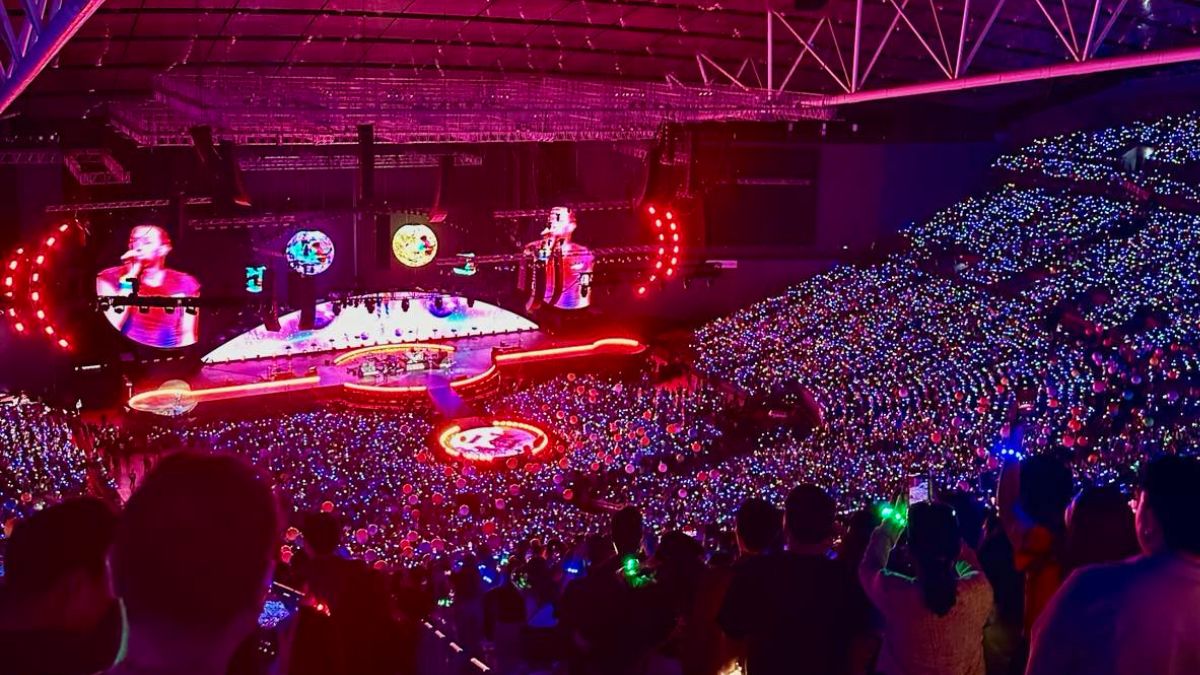
The LED wristbands worn by the audience in the recent Coldplay concert at the Philippine Arena undoubtedly brought a new level of engagement and excitement to the event. The wearable tech transformed the musical spectacle into a multisensory journey, ensuring that every attendee was a part of a collective, magical moment.
The wearing of wristbands has actually been part of the band's initiative to innovate and tour sustainably. They're made from compostable plant-based plastic and they're designed for reuse in the band's future performances. Which is why it's a shame that some Filipino fans neglected to return them, probably thinking they pass as great souvenirs. The recycling leaderboard displayed on Day 1 of Coldplay's Philippine tour revealed that only 87 percent of the wristbands were returned, compared to Japan with 97 percent, followed by Denmark with 96 percent, and Malaysia with 90 percent.
Who makes these LED wristbands and what's so special about them?
The wristbands used in Coldplay's Music of the Spheres World Tour were made by Pixmob, a Canadian company that specializes in creating immersive experiences through LED wearable technology and interactive audience engagement solutions. They are known for providing the LED wristbands and other lighting technology in high-profile events, including the Super Bowl Halftime Show, Olympic ceremonies, and tours of major artists like Taylor Swift, Imagine Dragons, and Coldplay.
The wristbands used in the Coldplay concert, feature seven LEDs, showcasing a full spectrum of colors and effects that could paint entire venues with dynamic visuals. A Pixmob RF Node, a compact yet powerful controller, enables these effects to be deployed easily, transforming the audience into a canvas of light that could act in unison or be divided into sections for a more complex and dynamic visual show. Through the PixMob Viz, the artists and people behind the show can get to preview the event in a 3D visualizer, syncing the effects to the timing and music.

According to Pixmob, it took them over 15 years of R&D to develop their largest range of LED Infrared and Radio Frequency effects. After producing more than 2,000 shows and events, the company says it has mastered the science behind it.
The future for Pixmob appears to be focused on sustainability and innovation. The company has, in fact, developed a recycling program to reduce waste at events, with over 85 percent of wristbands recovered at each show during Coldplay's tour, diverting nearly seven tons of waste from landfills. Pixmob aims to continue this trend and has set ambitious goals, such as doubling the amount of plastic waste kept out of landfills by 2025, eliminating all non-biodegradable materials from their products by 2030, and streamlining 100 percent of their products to be efficiently refurbishable by the same year.
The British pop-rock band, on the other hand, has taken steps to lower carbon emissions from their tours, set up recycling programs at concert venues, and use renewable energy sources. In their recent Manila tour, they engaged 100 volunteers to power up the "energy floors" at the Philippine Arena. Coldplay has been transparent about their sustainability goals and the challenges they face, as they strive to make their tours as eco-friendly as possible. The band members say they continue to seek innovative ways to integrate sustainable practices into their performances and operations.
