
Top 10 Books to Read When You’re Stuck at the ICC

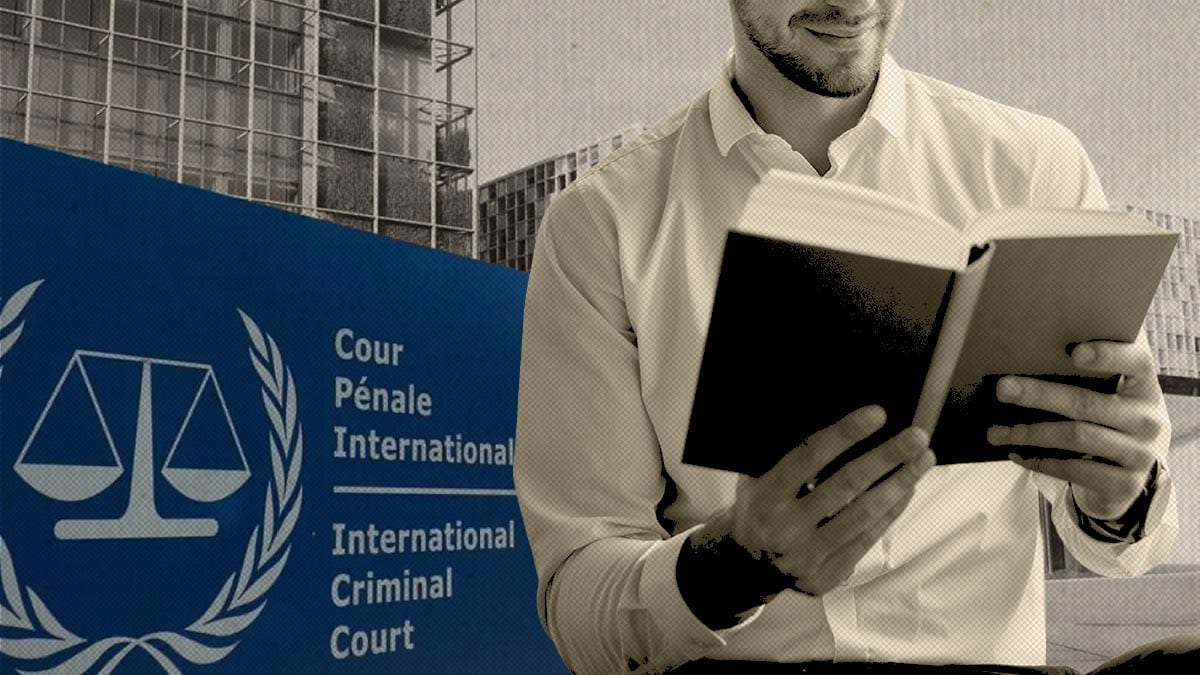
So, you’ve been indicted for crimes against humanity. Tough break. All those years of “strong leadership” (i.e., ordering terrible things to happen) have finally caught up to you, and now you’re stuck in The Hague. The place is basically purgatory, if purgatory had better lighting and plumbing. Here, it’s just you, your cell, and the creeping realization that your Wikipedia page will forever contain the word “atrocities.”
Your options for activity are severely limited. You can pace. You can stare at the wall. You can finally reflect on your life choices, although if self-awareness were your thing, you probably wouldn’t be here. The good news? You’ve got time. And since time, unlike your political opponents, is something you cannot make disappear, you might as well read.
ALSO READ:
Collateral Damage: How Duterte's Alleged Crimes Followed a Manila Cop to Canada
Today I Learned: Why the Interpol Is Involved in Duterte's Arrest
Below is a carefully curated list of books designed to suit your present predicament. They offer wisdom, perspective, and, at the very least, a few hours of mental escape from the unfortunate reality that the locks are on the outside now.
1| Crime and Punishment by Fyodor Dostoevsky
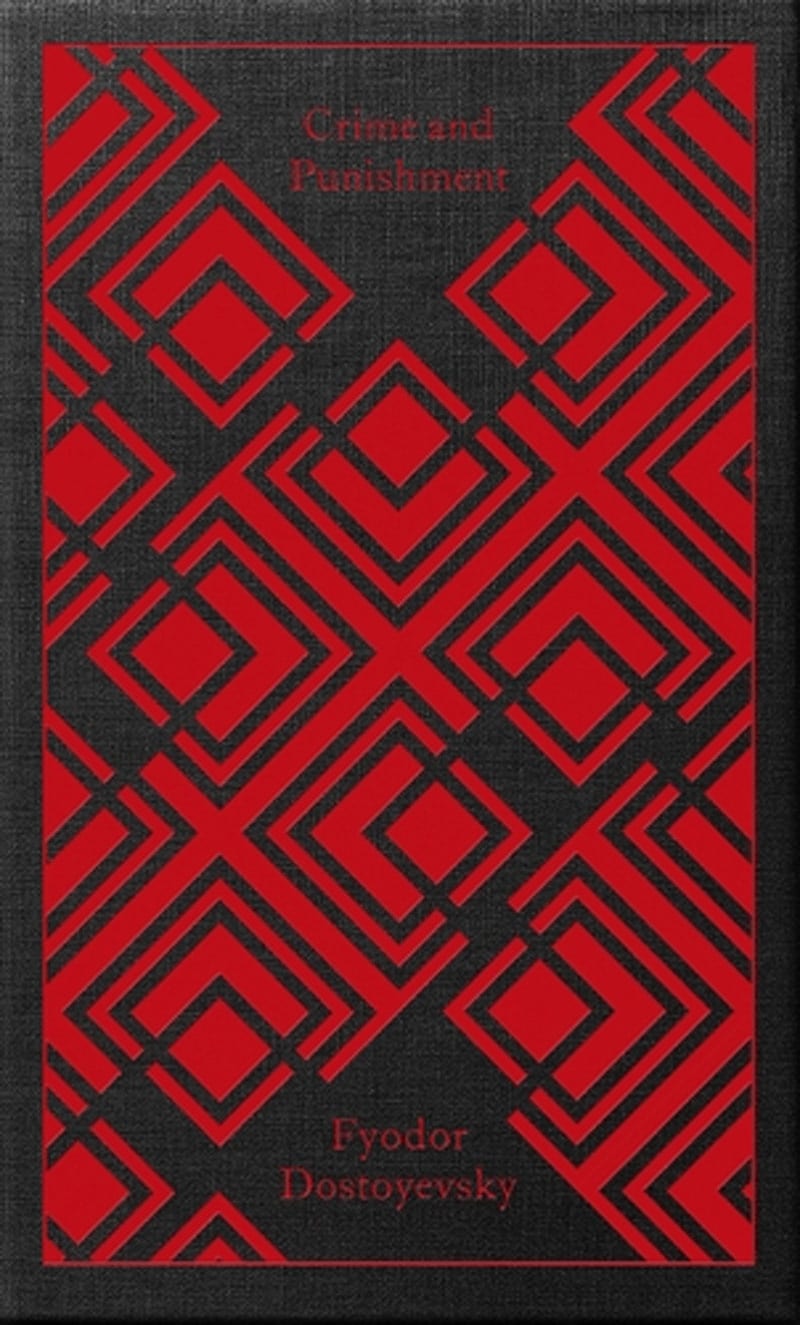
Meet our protagonist: Raskolnikov, a highly intelligent man who commits a slightly regrettable crime (murder) based on a deeply philosophical theory (excuses). He then spends the rest of the book sweating, spiraling, and learning the hard way that no amount of philosophy can make a brutal killing sit right in your conscience.
A cornerstone of the “FAFO” genre, this novel is perfect for anyone who has ever made a bold political move only to be rudely reminded that actions, in fact, have consequences. One small tip: maybe skim over the part where Raskolnikov confesses. Not exactly a winning strategy for your particular legal situation.
2| The Count of Monte Cristo by Alexandre Dumas
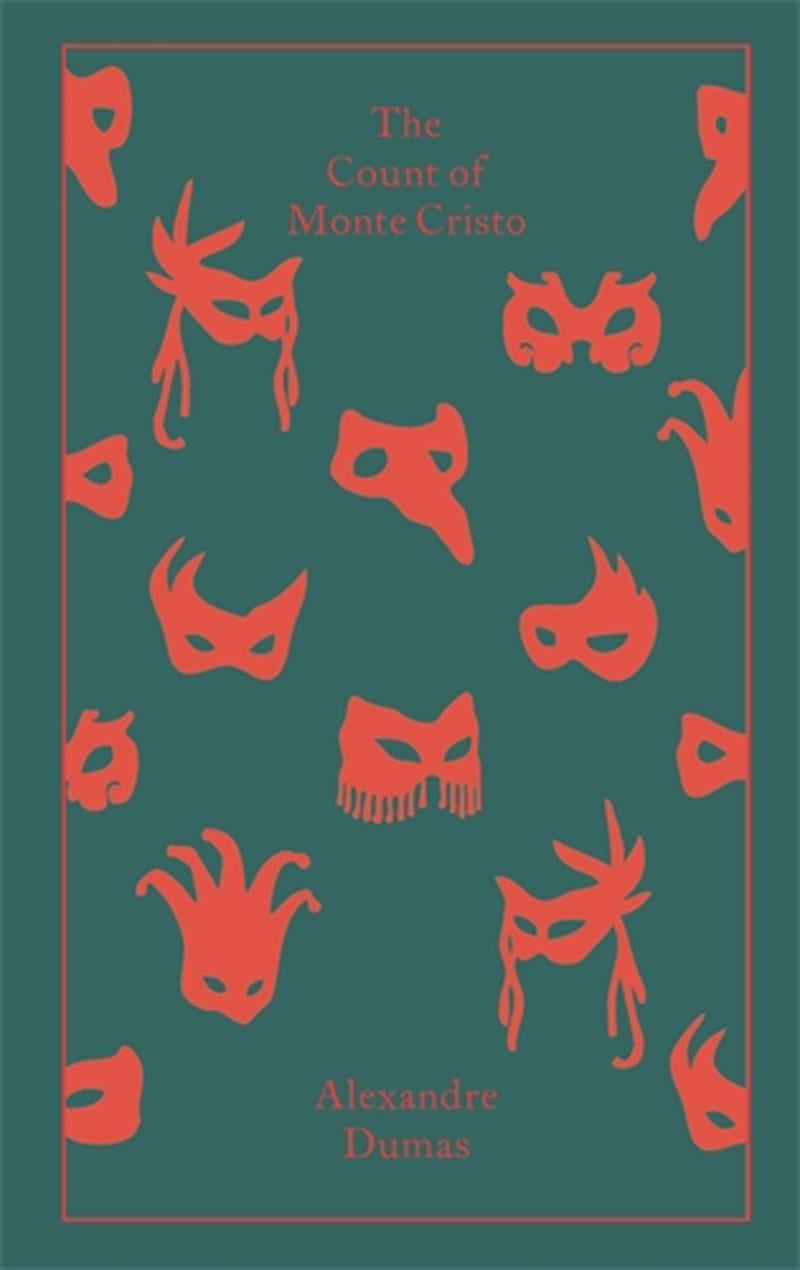
An edge-of-your-seat thriller about Edmond Dantès, a man who gets wrongfully imprisoned. After years plotting his escape, he breaks out and takes ruthless revenge on everyone who put him there.
Now, to be clear: We’re in no way encouraging you to take this particular book too literally. The Hague would strongly prefer that you take this in as a work of fiction, not as a manual. Sure, tunneling out with a spoon sounds exciting, but the Scheveningen Prison’s security measures are way more advanced than those of 19th-century France.
3| Les Misérables by Victor Hugo
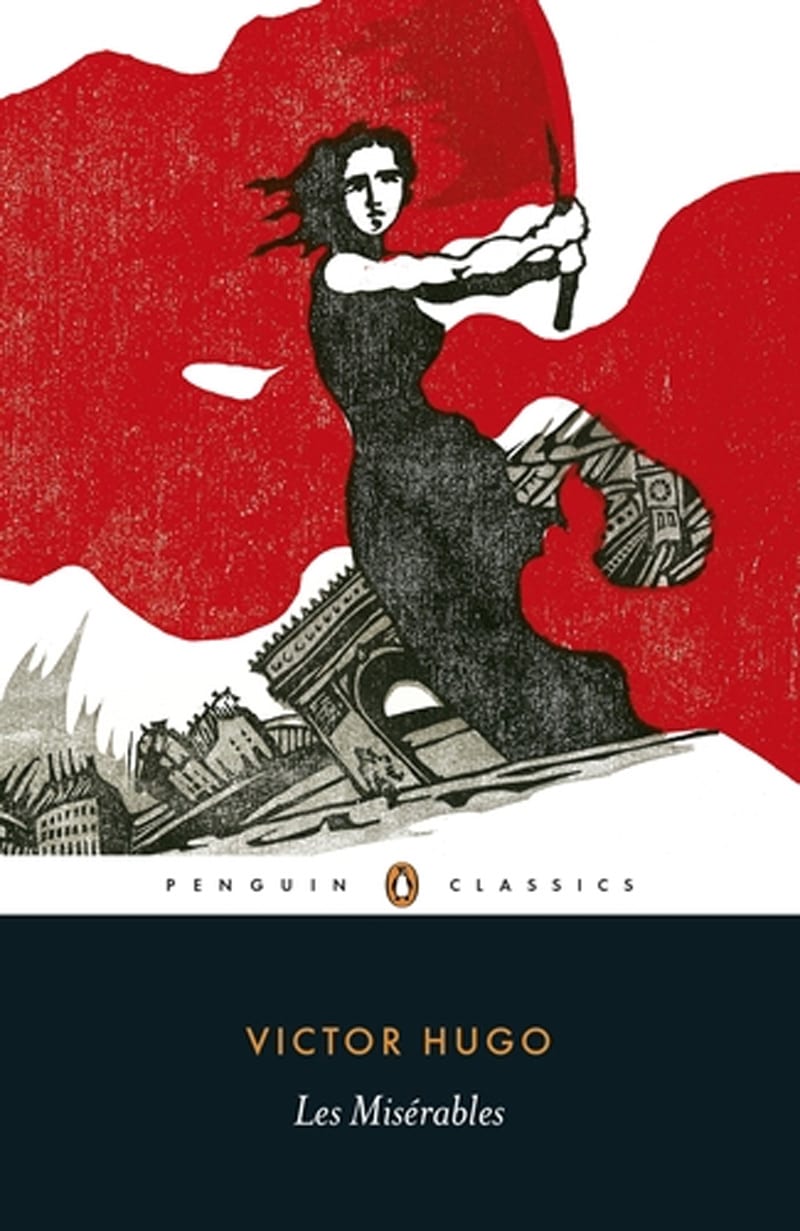
If The Count of Monte Cristo is a story of a man escaping and exacting revenge, Les Misérables is what happens when the guy on the run spends way too much time agonizing over guilt and morality—which probably makes him a little harder for you to relate to.
To be fair, though, Jean Valjean’s big crime was stealing a loaf of bread, while your résumé includes… let’s just say more complex infractions.
4| The Art of War by Sun Tzu
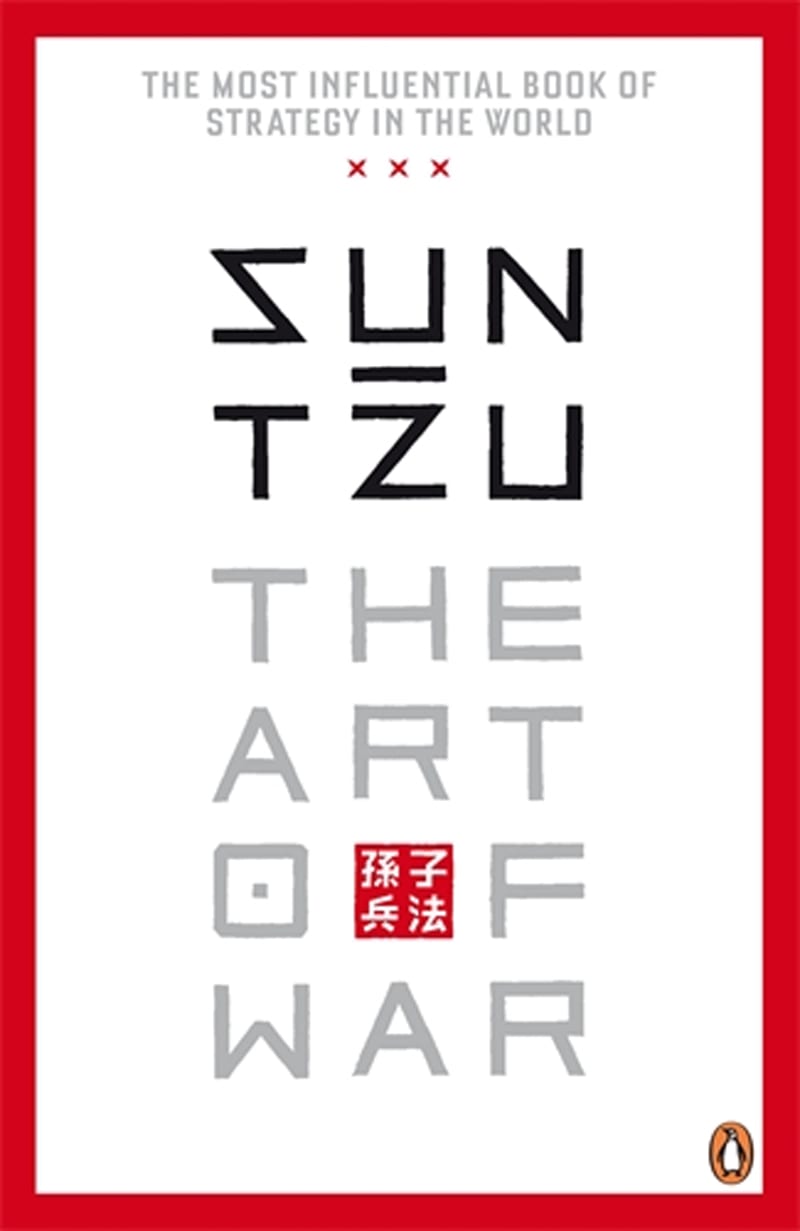
Chances are, you’ve definitely quoted this book ominously to subordinates while standing in front of a giant map. And chances are, you've also read it as a justification for war crimes.
Here’s Sun Tzu’s actual best advice: “The supreme art of war is to subdue the enemy without fighting.” It was the one that you apparently skimmed past in favor of “All warfare is based on deception.” Worked great for a while—right up until the ICC subpoena arrived.
5| The Gulag Archipelago by Aleksandr Solzhenitsyn
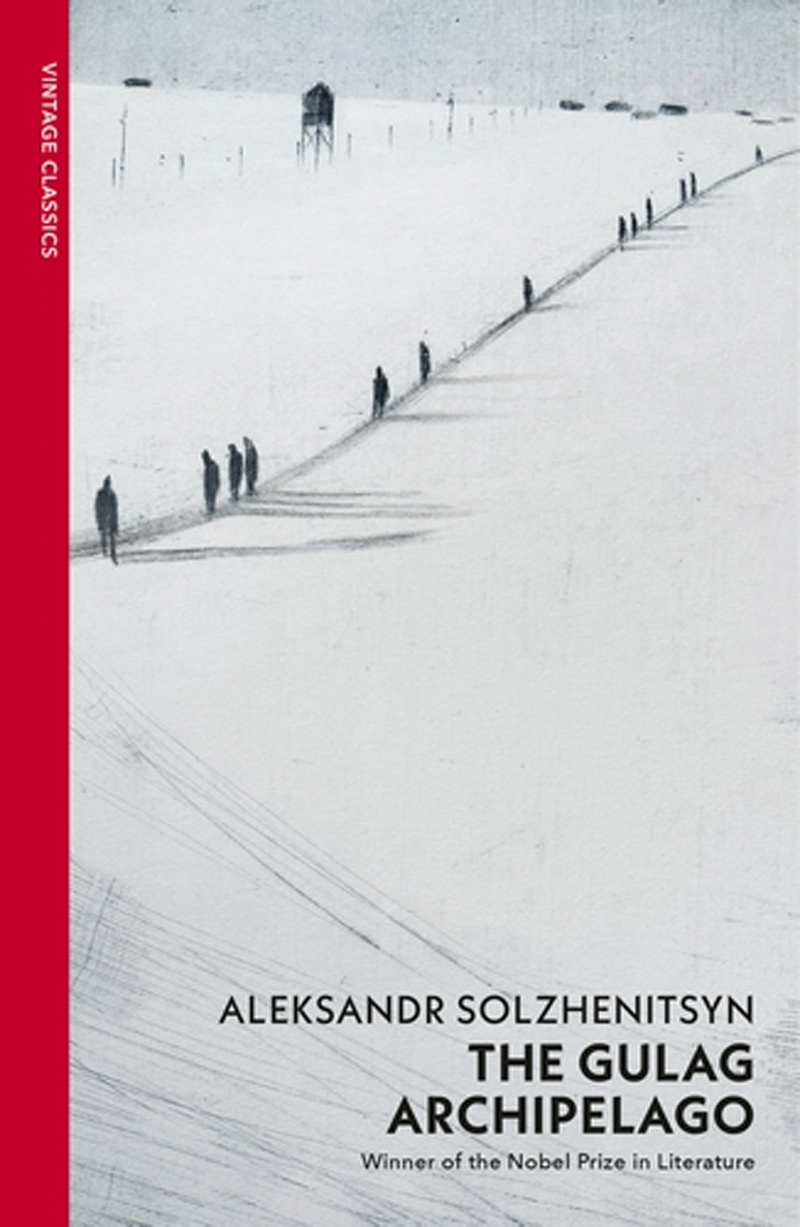
Nobel laureate Solzhenitsyn’s classic is a searing, unflinching exposé on the Soviet labor camp system, in which prisoners endured starvation and brutal forced labor. Now, depending on your perspective, this book will either provide:
(a) a valuable historical context on the horrors of political repression, or
(b) a surprising sense of optimism, because, let’s face it, things could be a lot worse.
You probably have decent food and a mattress that isn’t made of straw. Most importantly, while The Hague may feel a bit chilly compared to the tropical paradise you once ruled with an iron fist, no one has forced you to mine uranium in subzero temperatures. Perspective!
6| The Autumn of the Patriarch by Gabriel García Márquez
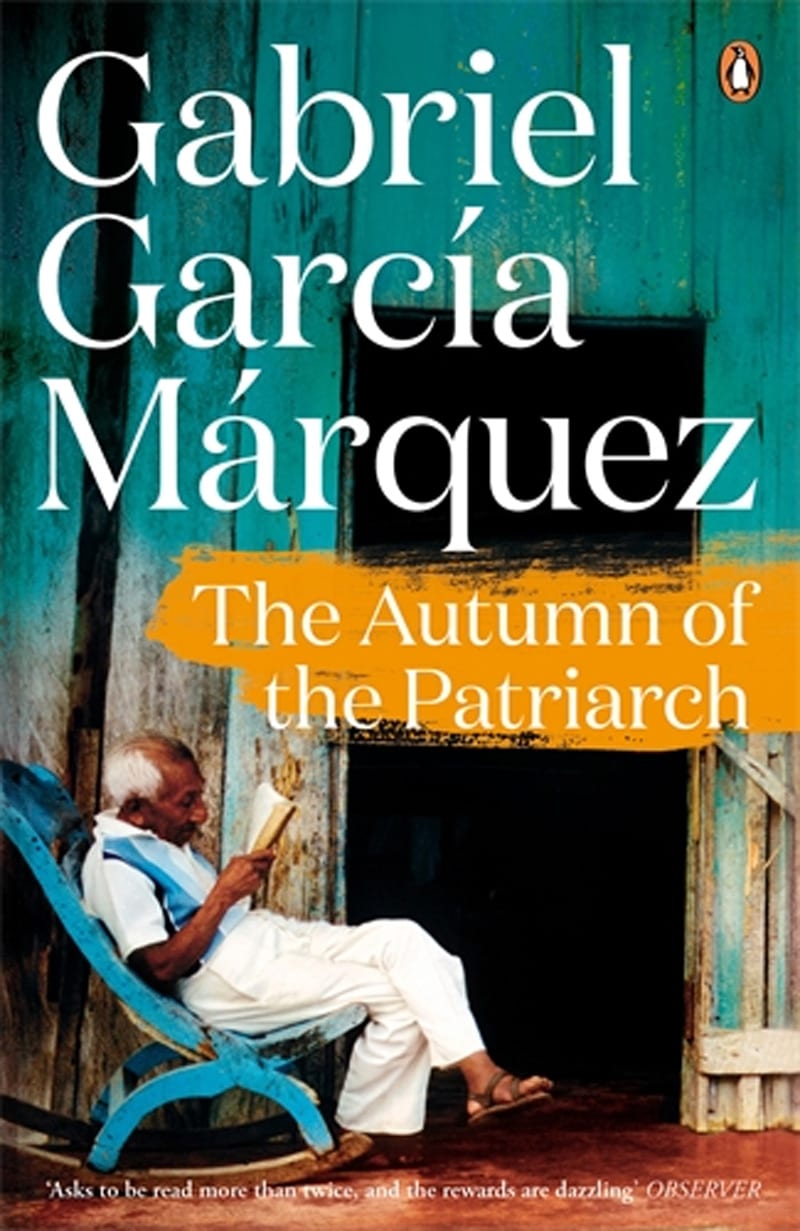
Another masterpiece from another Nobel laureate, this lyrical and hallucinatory portrait of a dictator in decline is steeped in the ghosts of his past betrayals and the crumbling of his palace. If you’ve ever felt that absolute power equals absolute solitude, García Márquez is here to reassure you: Yes. Yes, it sure does.
7| How to Win Friends and Influence People by Dale Carnegie
You really should have read this one already. Seriously. A beloved classic in the field of not alienating literally every single person around you, this book is filled with practical advice for building relationships, persuading others, and—here’s a wild concept—admitting when you’re wrong.
Granted, it’s a bit late to put these lessons into practice (most of your networking opportunities now involve defense lawyers and UN officials), but better late than never.
8| The Trial by Franz Kafka

Kafka’s novel is a surreal and anxiety-inducing tale about a man accused of a crime he doesn’t understand, by a faceless bureaucracy he can’t escape, in a system designed to confuse and crush him. Now, before you get carried away and call your situation “Kafkaesque,” let’s consider a few key differences:
(a) Joseph K. is a low-level bank employee, not the head of an internationally condemned paramilitary operation.
(b) Joseph K. is unjustly persecuted, whereas your legal team is currently working very hard to redefine the term “unjustly.”
(c) Joseph K. is baffled by the process. You, on the other hand, knew exactly how the system worked—until it started working against you.
Still, an oddly relatable read! If anything, it might provide some comfort to realize that, historically speaking, nobody ever fully understands what’s going on in court.
9| The Audacity of Hope by Barack Obama
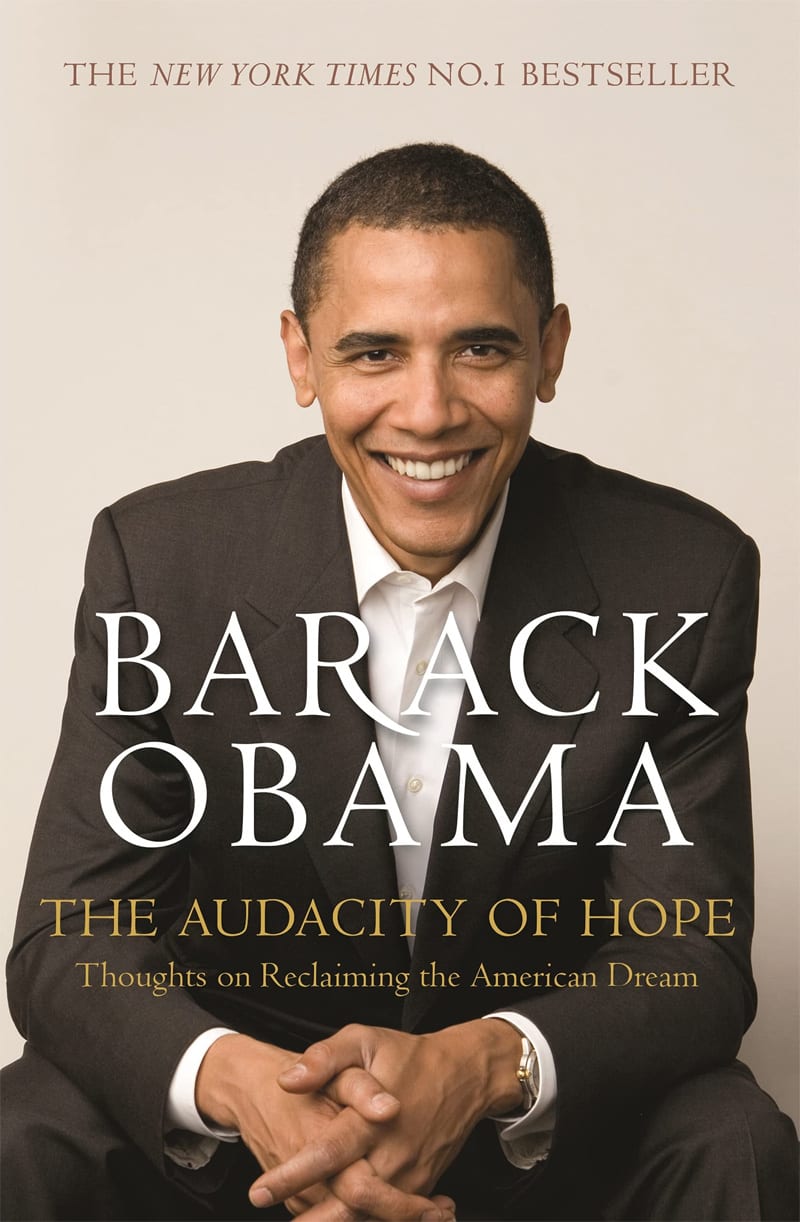
This book celebrates democracy, justice, and the moral arc of history, which we know probably feels less like an inspirational message and more like a direct personal attack. Consider this a test of your sense of irony: if you can make it through an entire chapter without hurling the book across your cell, congratulations! That’s called growth.
10| Some People Need Killing by Patricia Evangelista
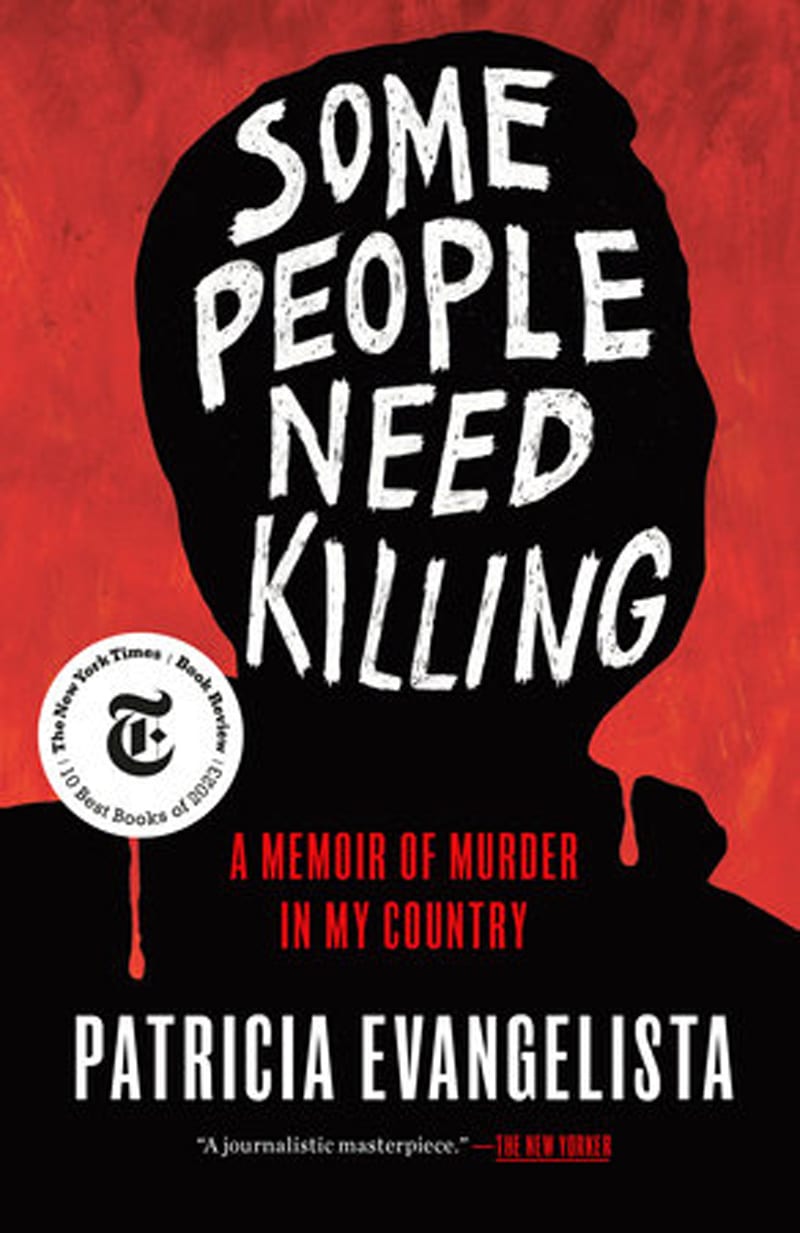
At its core, this nonfiction book is about violence. Not just the kind that leaves bodies in ditches or sprawled on city sidewalks (though there’s plenty of that), but also the subtler, more insidious kind: the violence of narrative, of justification, of the slow and deliberate erasure of outrage.
It’s about how governments can turn violence into policy, how propaganda makes people say things like “Well, I see their point,” and how entire nations can convince themselves—through heartbreakingly complex mental gymnastics—that mass murder is a mere byproduct of maintaining safety. Evangelista’s reporting might make for deeply uncomfortable reading—or a disturbingly familiar trip down memory lane.
Either way, the central question of the book is this: “How do people justify the unjustifiable?” The answer, as Evangelista shows, is that it doesn’t take much. A few words repeated often enough. A shared understanding that some people deserve it. And, of course, a bunch of well-compensated influencers willing to sell the narrative (who will end up in tears when summoned to a congressional hearing).
If nothing else, this book is a warning. About the stories we tell ourselves. About what happens when we believe them. Most of all, about what happens when we don’t realize—until far too late—that the world is waking up.
We hope this reading list provides you with intellectual nourishment during your extended sabbatical from international affairs! If you require further recommendations, feel free to consult the prison library staff. They may be among the very few people still willing to engage with you on a regular basis.
Happy reading!
