
An Ode to Bahaw: Why Leftover Rice Is Better Than Freshly Cooked

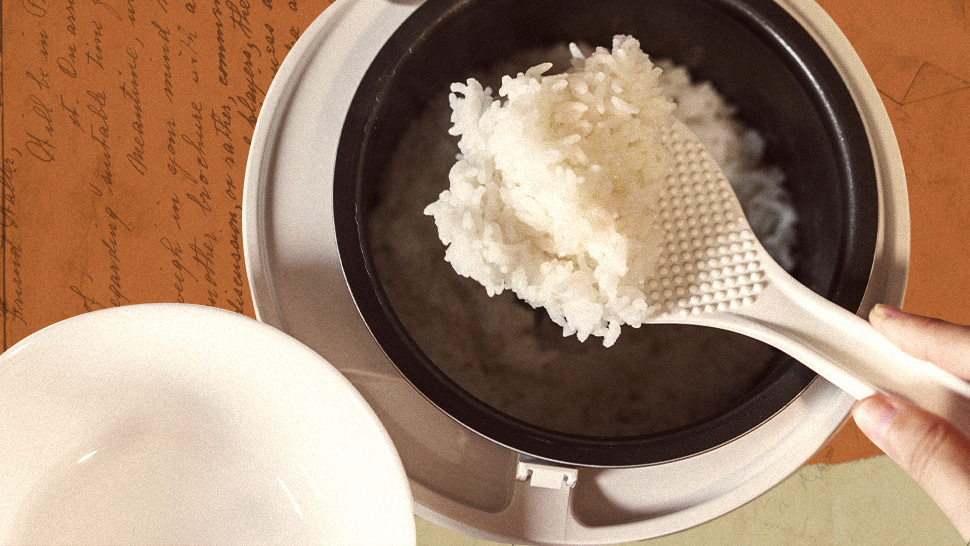
Like many people forced to stay indoors during this health crisis, I’ve been cooking for myself a lot more instead of ordering food or going out to eat. I do my groceries usually on a Sunday or Monday, and plan my meals for the rest of the week. One thing that I discovered about myself—or something that this pandemic reinforced—is that I prefer my rice cool and dry rather than hot and freshly cooked.
ALSO READ: FOOD
Here's How to Make Chef Tatung's Signature Adobong Bisaya
Study Shows Eating Bread May Make You Live Longer
Despite the fact that rice is meant to be eaten straight out of the rice cooker, steaming and still a bit moist, I like it better a few hours later. And I’m probably not alone in this preference. I bet there are other people out there like me who are willing to wait until the rice is no longer warm before digging in. Some might even insist on cooking a bit more so there’s sure to be some left over for later in the day—or even the next morning.
I’m here to tell you all that it’s perfectly okay—there’s no shame in eating bahaw.
Staple food
Recent health and fitness trends have vilified rice and cast it as the central culprit in a person’s unstoppable weight gain, to the point that there are entire movements around eliminating the grain from our diet. But we all know that, for a majority of the population, that’s never going to happen.
In the Philippines, and in many other countries in the region and the rest of Asia, a typical household’s mealtimes are centered around one thing: rice. “Magsaing ka na!” is a typical statement heard in nearly every home around 10 to 11 a.m., and again around 5 or 6 p.m. Ulam is a variable and always depends on the whims of the home cook, but god forbid a scenario where there’s freshly cooked sinigang, a warm bowl of kare-kare, or even a plate of fried chicken served on the dining table and *gasp* no rice.
There’s no denying the appeal of freshly cooked rice—the aroma wafting from the rice cooker; that fresh stab through the soft, perfectly white grain with a plastic or wooden spoon; and the first spoonful married with ulam du jour that reaches your mouth, helping satiate a rumbling tummy. It’s a daily ritual that most of us never give a second thought about.
But what gets me excited is when there’s leftover rice that’s been sitting inside the rice cooker for a few hours. Nope, I’m not even going to bother heating it up. I’ll scoop it right out and serve it straight up, preferably with something hot. The pleasure of bahaw with, say, hot sinigang soup, or lumpiang shanghai dipped in sweet-sour sauce, or even something as simple as canned tuna sauteed in lots of onion and tomatoes, is something I will never tire of.
Perfect for sinangag
I suppose hot rice would be perfect for that, too, but, to me, the contrast between cool rice and hot ulam elevates the dining experience. Plus, I like my rice with a bit of texture, something you only get when it’s cool and dry as rice scooped fresh out of the cooker is almost always smooth and mushy.
Having leftover rice also ensures there’s less waste, and eating it straight from the pot, instead of heating it up, consumes less energy.
However, if you insist on heating it up, let’s not forget—bahaw is perfect for making fried rice. Toss that leftover rice into the wok with freshly chopped garlic and a bit of cooking oil and serve it with your ulam of choice—tapa, tocino, hotdog, bangus, leftover menudo, whatever—and you’re all set.
Additionally, the benefits of cool rice extends further than just taste. According to the Smithsonian Magazine, scientists in Sri Lanka have discovered that refrigerating cooked rice with a teaspoon of coconut oil could cut the amount of calories we absorb from it by up to 60 percent.
ALSO READ: FOOD
Here's How to Make Chef Tatung's Signature Adobong Bisaya
Study Shows Eating Bread May Make You Live Longer
So there you go. Practical, delicious, and good for your health. What’s not to love about bahaw?
