
The Best Kitchen Knives of 2020 (According to Top Chefs)

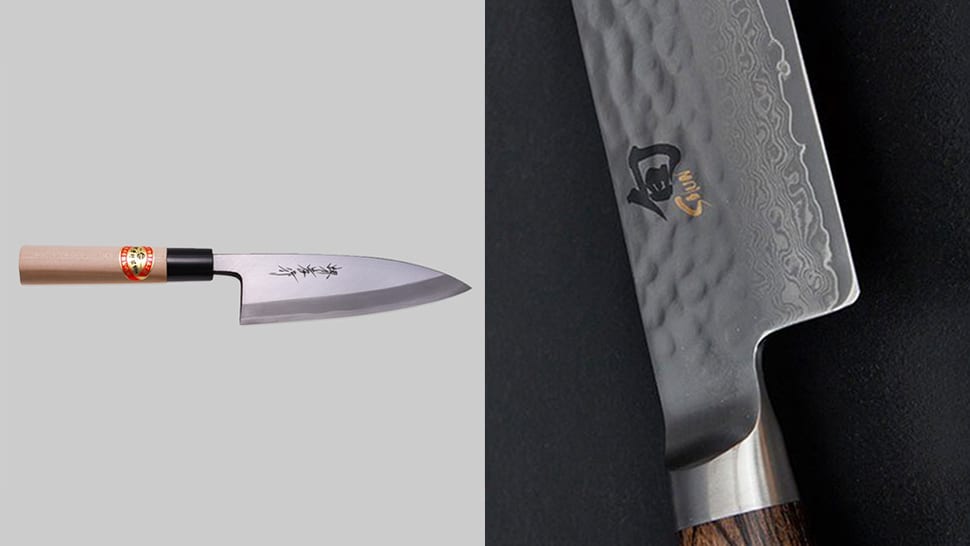
Cutting ingredients with a lackluster knife is not only difficult, it's also dangerous. As any professional chef will tell you, a blunt, slippery blade is more likely to send you to A&E than a sharp one. What’s more, watching a grown man tackle a tomato with a dull knife is a truly pitiful sight. For the sake of your physical and mental wellbeing, as well as your reputation, it’s time to invest in a quality set.
That’s why we asked top chefs, restaurateurs and food stylists for their buying recommendations, from easy-to-wield Japanese knives to razor-sharp paring blades, forged by the best brands around. They also gave us some maintenance and chopping advice, to ensure that your new tools live to prep another meal.
1| Matt Bishop, Head Chef at Roast, Borough Market, Borough
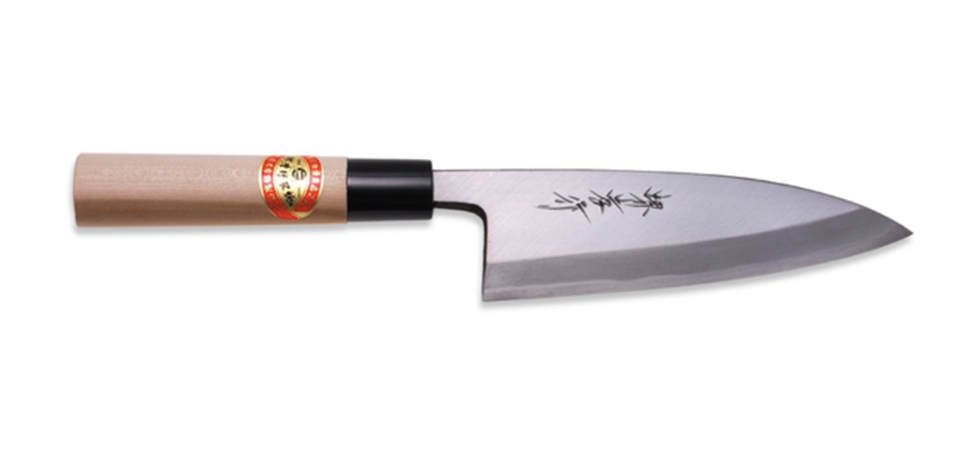
"My favorite knives are Japanese [Takayuki Traditional Deba]. They’re unbeatable when it comes to carving. They may seem like a lot of work to maintain and care for when you first start using them, but the results they yield are far superior. I sharpen mine most nights for a few minutes, and then will give them a little top up on a diamond steel before using them. If you’re going to splash out on a decent knife, make it a proper chef’s knife. Mine is my all-round best friend—reliable and there to count on when I need it! The shape and weight means it’s perfectly suited to prep: chopping herbs, slicing raw meat, chopping veg and preparing fruit."
2| Alex Claridge, Chef founder of The Wilderness, Birmingham

"My everyday knives are Mac professional and Shun—proper workhorse knives that sharpen well but don’t cost the earth. When choosing a knife for home don’t be seduced by the 'package' block of five you’ll never use—the home kitchen needs just a few knives kept sharp. Invest in a good chef knife, paring knife and filleting knife and you’re good to go. Knives need love and attention, so invest in a knife sharpener or—if you’re the ambitious home cook—a set of whetstones. Remember, you’re more likely to end up in A&E with blunt knives than a sharp, well maintained blade. For something more serious, I’m inappropriately in love with Joel Black Knives."
3| Kostas Papathanassio, Executive Chef, 5 Social, Mayfair
"My team of chefs mainly use Japanese knives. The only issue with them is that they are easily damaged, therefore it’s important to look after them well. I also believe that it’s not always about the knife, it’s about the way you use it—good knife skills are a must! Make sure, for example, you’re not using a knife that’s too big for the job. For someone inexperienced, a big, sharp knife can be dangerous!"
4| Rosemary Shrager, professional chef and TV host
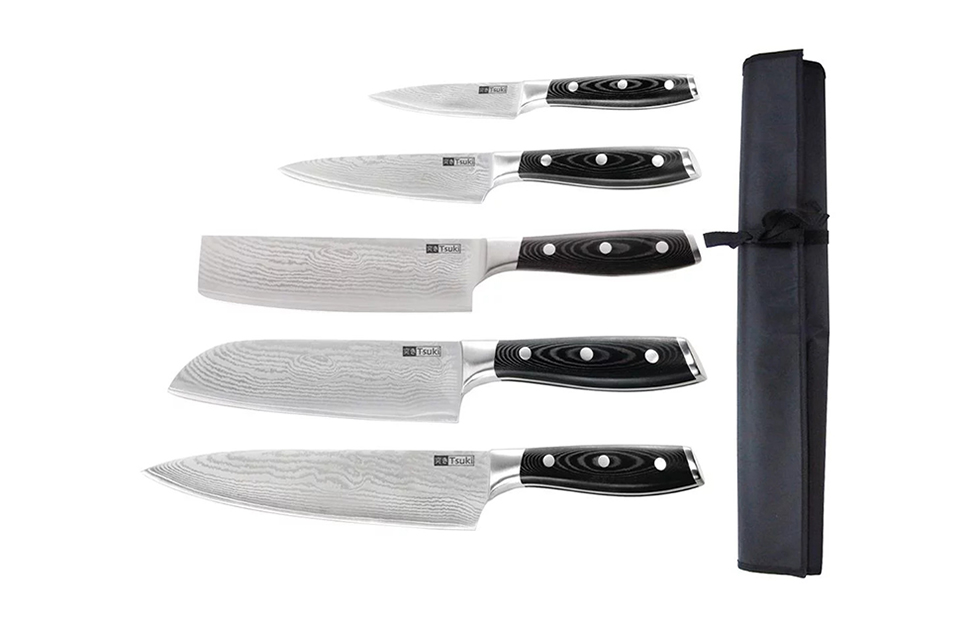
"I love my Zwilling East West knife. I use it all the time, it’s good for chopping and slicing, also because of its wide flat side it replicates more of a cleaver, so you can move the chopped food easily into a pan. I also find the balanced weight really good, which is very important. My advice to anybody buying an expensive knife is to take something to cut in the shop and try the weight and balance."
5| Paul A. Young, chocolatier, TV chef, pâtissier and chocolate stylist

"My go-to knife is my Global G-80 cook's knife. I’ve had Global knives for 20 years and love their perfect balance. There are no joins so its super easy. It’s great for general food prep and excellent for chopping chocolate and for cutting brownies into perfect clean-sided squares. Never put them in the dishwasher as the chemicals are too harsh and the blade can get damaged. Wash and dry them immediately after cutting anything acidic and sharpen with a whetstone once a week if using the knife regularly."
6| Tom Aikens, Chef Founder of Muse by Tom Aikens, Belgravia

"My favorite knives are by MAC, Wüsthof, Shun, and Zwilling JA Henckels. In London, the best place to buy a knife is The Japanese Knife Company shop on Baker Street—it’s brilliant—but if you’re looking for the real deal, it’s Japan itself! MAC do a good basic set (three pieces with a wrap to keep them in) for about £60 but you can splash out and get a very serious professional set for yourself as well. Wüsthof & Henckels do a good one, but they are a bit dearer. If you’re after one decent knife, make it a paring knife—it’s a chef’s best friend."
7| Dean Edwards, MasterChef finalist 2006, TV chef and author

"I use an 8” Flint & Flame chef’s knife for 90% of the jobs in the kitchen. For a home cook I would suggest investing in one good quality knife and a steel to keep it sharp. Tips: keep your knife in a wrap and don’t just throw it in a drawer otherwise it will blunt easily. If you totally lose the edge on your blade take it to your local butcher and ask them to grind it back to a razor sharp edge. Most accidents happen with blunt knives."
8| Shaun Presland, Executive Chef at Pacific

"I use only 2 brands of Japanese knives—‘Aritsigu’ (hand-forged carbon steel; sashimi, fish filleting and vegetable styles) along with ‘Nehoni—Nenox’ (stainless steel; petty, sujihiki and gyuto styles). My knives are all bevelled on one edge (similar to a chisel) as I find this gives more control of the blade and polishes the flat surface of what I’m slicing. I particularly like the way that Japanese knives treat the food they cut: the balance in the arm, the steel quality and durability, and the idea that there may be a bit of someone's pride in the knife that is passed on to me. I’ve been buying my Aritsigu knives from the same knife maker in Tokyo since 1996. Choose a knife that feels comfortable in your hand and is well balanced—the knife is an extension of your arm, much like a golfer choosing a club."
This story originally appeared on Esquire.co.uk.
* Minor edits have been made by the Esquiremag.ph editors.
