
Toyo Eatery Chef Shares Secrets to Great Pork Barbecue, Siomai, Kinilaw in New Netflix Series

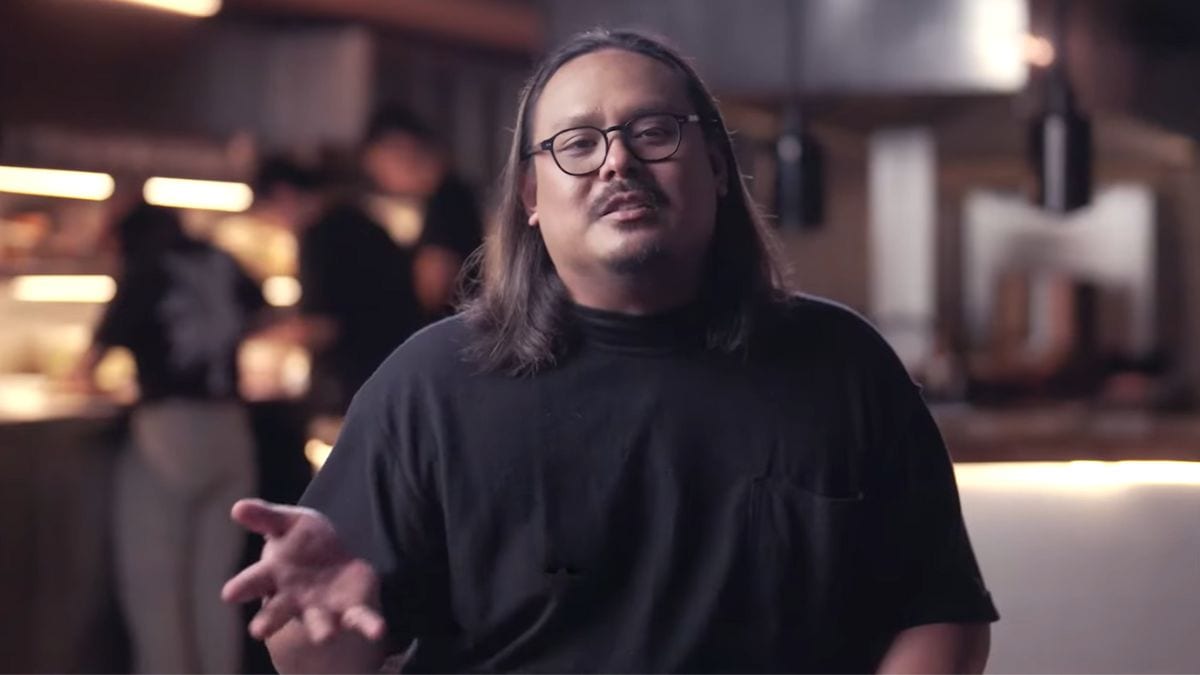
Jordy Navarra, the celebrated chef and owner of Toyo Eatery—honored as one of Asia’s 50 Best Restaurants—holds a profound respect for ingredients. He selects them not only for their freshness and quality but also for their origin and story, understanding that each element contributes a unique narrative to the final dish.
He shares this in the Netflix documentary series Chefs Uncut, now streaming on Netflix. The show features the stories of six distinguished Asian chefs, showcasing their creative flair and unwavering commitment to the culinary arts.
Navarra explains that in cooking, influencing the taste early in the process—such as selecting the type of vinegar, determining the source of the garlic, or understanding the flavor profile—leads to a more unique outcome.
ALSO READ:
This Negros Occidental Farm is Setting New Standards in Aquaculture
Filipino Ice Cream Gets the Spotlight on Netflix Docu 'Somebody Feed Phil'
In the show, the award-winning chef shares four culinary creations that are relevant in his life journey—pork barbecue, kilawin, siomai, and banana catsup.
Jordy, having enjoyed pork barbecue throughout his life at birthday celebrations and as comfort food, naturally decided to add pork barbecue on Toyo's menu.
"The barbecue dish is three types of barbecue that sort of represents what I like to eat in happy times. We use three cuts of pork that we layer on top of each other and then put on a stick as one bite of barbecue," he says.

Navarra says the secret to making a great pork barbecue is achieving the "best balance of flavor, texture." The meat is grilled and then brushed with a special barbecue sauce, a recipe developed even before the inception of Toyo.
"Every time we make the barbecue sauce, we add the old sauce to it, a sort of continuity. Then it sort of evolves over time and it becomes something that the generation takes care of," he says.
Toyo pairs its pork barbecue with steamed rice, accompanied by both green and ripe fermented mangoes, fermented shrimp paste, coconut vinegar, pork jowl, and chicken ball.
Hong Kong holds a special place in Navarra's heart due to his formative internship experience at Chef Alvin Leung's Bo Innovation. Since dim sum is a dish that connects the Philippines with Hong Kong, he decided to create a version of siomai, widely popular across the Philippines.
Toyo's siomai is crafted from fermented black rice sourced from Capas, Tarlac, encased in a wrapper of fresh radish, and served with chili garlic. "It's [Jordy] being witty about it, but not too obvious," says Maya, Navarra's wife.
Meanwhile, they treat kinilaw not just as a dish but as a culinary technique, utilizing acid to transform texture and taste. Maya highlights it as Navarra's homage to the Philippines, showcasing various local fish like mackerel, yellowfin tuna, and galunggong, and ingredients like fermented rice (tapay), traditional lime (kabayawa), and unique additions like rice chips with Ilocos seaweed (gamet), and pomelo.
Their approach is meticulous, aiming to present each ingredient in its purest form. "Kinilaw has been a tradition for a long time, and it's easy for people to compare kinilaw to ceviche. But for us, kinilaw stands on its own. It is distinctly Filipino. Believing in and appreciating what we have is the beginning of understanding the potential of what we, as Filipinos, can achieve," says JP Cruz, the restaurant's sous chef.
Toyo takes their condiments seriously. Since banana ketchup is a staple in Filipino households, they made an effort to create their own banana ketchup using a specific banana variety called bulkan.
"In Capas, Tarlac, farmers shared a story about how bulkan bananas emerged after the eruption of Mount Pinatubo. The seeds made their way into their community and began growing naturally, resulting in very sweet, aromatic bananas," he says.
To make the ketchup, they allow the bananas to ripen until they're black. Then, they create a paste from the fruit's flesh and add aromatic ingredients for added depth. Tomatoes are also included to achieve the red color. As for the peels, they use them for vinegar production.
Navarra values the innovative presentation of Filipino food in various contexts, seeing it as an opportunity to explore and express the richness of Filipino culture. "That's the thing that still keeps me going today," he says.
[ArticleReco:{"articles":["28985", "29031", "28985", "28878"]}]