
Most Filipino Gen Zs Shop to Reward Themselves. Here's Why

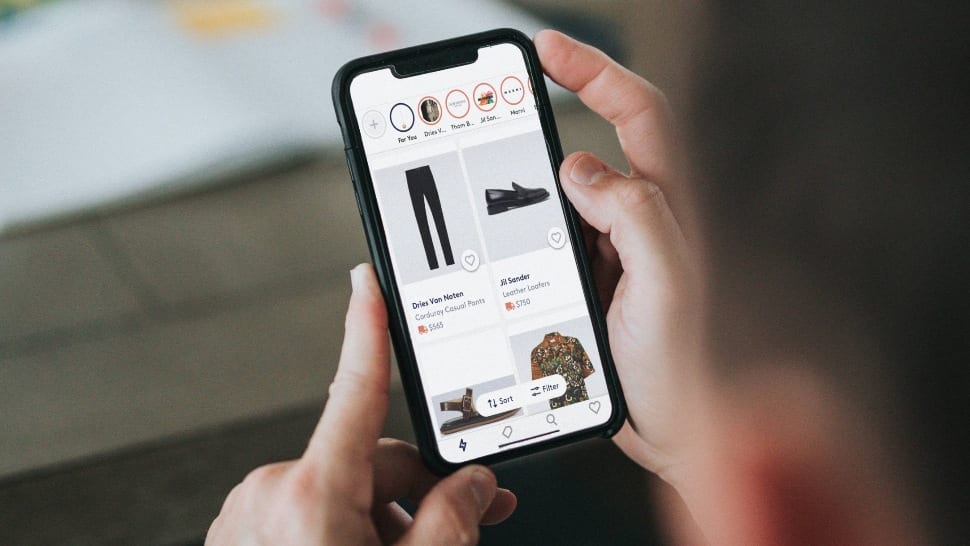
Call it impulsive buying, revenge spending, or whatever else you want. For Gen Z consumers, shopping is something they believe they deserve after working themselves to the bone to earn money.
This notion is actually backed by findings from Filipino-focused sociocultural research firm The Fourth Wall. According to the study, three in every four Gen Zs living in urban areas in the Philippines shop online “because they believe they deserve it.”
Among the factors driving this behavior are their desire for happiness, fear of missing out on trends, as well as their need to reward themselves after overcoming study or work-related stress. It is likewise attributed to the Filipinos' “sayang” mindset, where daily struggles and deprivations lead them to seize opportunities to treat themselves.
“This self-rewarding behavior among Filipino Gen Zs stem from their growing self-awareness, driving them to seek rewards that affirm that sense of self-worth,” John Brylle Bae, research director at The Fourth Wall, said.
ALSO READ
Why Are Filipino Consumers Spending More Money on Things They Don't Need?
More People 'Window Shopping' Online, But Spending Is Nearly Flat
The survey revealed 50 percent of Gen Zs' finances come from full-time jobs, businesses, or side gigs, while the other half are from allowances provided by parents. These consumers make about six online purchases every month.
“The young generation is rapidly becoming a significant portion of the consumer market, and is already shaping market trends, especially the e-commerce space,” observed Bae.
This shopping habit developed by Gen Zs does not stop them from making smart choices as buyers. In fact, most of them (81 percent) splurge based on quality, instead of just considering price competitiveness. The study found that these consumers are likely to repurchase from the same shop if it consistently delivers affordable and high-quality products at the same time. But they are also willing to be introduced to new brands, regardless of their “emotional attachment” to current ones.
Moreover, Filipino Gen Z consumers tend to shop based on trust and personal affinity. The majority (60 percent) still rely on word of mouth to learn about products, while others (59 percent) consider social commerce advertisements important to their shopping experiences. Despite this, 81 percent of Gen Zs do not buy products immediately after hearing about them, but instead do their own research and assessment first by browsing customer reviews on other shopping platforms and Google.
A 2022 research paper found that roughly 91 percent of this demographic use the internet to look up potential purchases, with most of them buying from e-commerce platform Shopee (83.67 percent) than its competitor, Lazada. Influencers and content creators play an important role in these consumers' buying decisions, too, considering many of those personalities make actual and out-of-pocket reviews on products they are deemed “experts” in.
All these boil down to the fact that Gen Zs are the first generation to grow up with the internet and digital services, which is why they prefer the convenience of online shopping. As cited in the study, almost all respondents (92 percent) use their own mobile phones or gadgets for purchases, with 53 percent leaning toward paying with cashless methods.
For Dean Bernales, founder and CEO of Uniquecorn Strategies, which conducted the survey with The Fourth Wall, this underscores the importance of understanding and adapting to the consumer behavior of the younger generation.
“Online retailers should pay close attention to the shopping desires and needs of Filipino Gen Zs,” Bernales said. “Brands need to reassess their supply chain strategies and enhance their social commerce platforms to build trust, create personal connections, and develop a relatable image to capture the young market.”
What brands should do to attract more Gen Z consumers
There are several key opportunities for brands to connect with the Gen Z market more effectively. For one, advertisers can utilize more personal yet credible media platforms, such as podcasts. This will help brands leverage self-expression and identity in their branding, enabling them to establish a personal affinity, which the target consumers love. Another way to do so is by focusing on user-generated content (UGCs). These include reviews, testimonials, and other social media posts offering insights into their companies and products from buyers' perspectives.
“Ultimately, leveraging UGCs [let] you establish a reputation as a trust signal,” a study from digital marketing expert Spiralytics said. “Take pictures, for example—[80 percent] of consumers prefer product photos from actual buyers over company or stock pictures. So, allowing buyers to post images of their purchases via product reviews strengthens your reputation as a trustworthy brand.”
For brands looking to tap influencers, adapting different messaging strategies and formats to align with their content will allow them to appeal better to their niche audiences.
What's ultimately important is for brands to take into consideration the Gen Z consumers' hobbies, interests, and even desired personal images when developing their products and services to further boost their engagement and loyalty, according to the study.
There are 41 million Gen Zs in the Philippines, making up for about 38 percent of the population, based on the Philippine Statistics Authority's (PSA) official census as of 2020.
The Fourth Wall is a research and analysis firm that understands and assesses customer and talent sentiments through the Filipino sociocultural lens. It aims to offer clear insights and practical, actionable solutions tailored to the needs of the Philippines.
Uniquecorn Strategies, on the other hand, establishes itself as the first and only startup-focused public relations agency in the country. It caters to more than 50 companies, with its clients raising a total of $211 million in combined funds to date.
