

Southeast Asia's First International Shrine Is Found in Antipolo

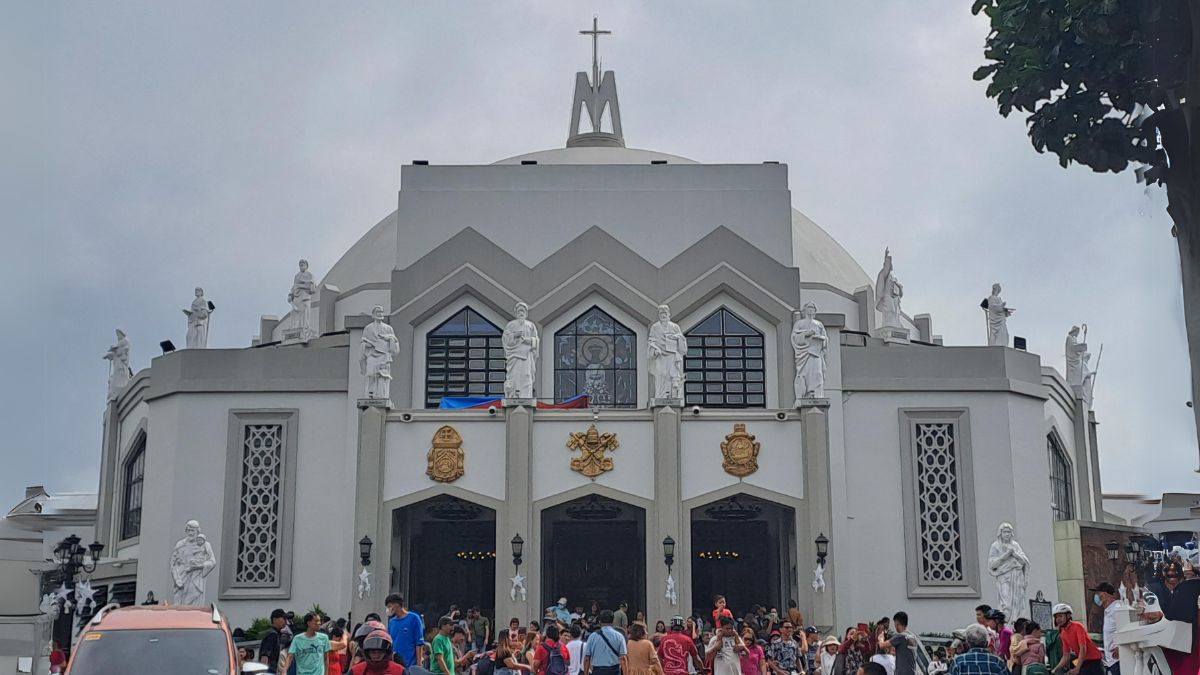
The Antipolo Cathedral, also known as the National Shrine of Our Lady of Peace and Good Voyage (Nuestra Señora de la Paz y Buen Viaje), with a history spanning nearly four centuries, will be officially designated as an international shrine on January 26.
This milestone event will be attended by more than 80 bishops from across the country. The ceremony, set to commence at 10 a.m., will be led by Archbishop Charles Brown, the Apostolic Nuncio to the Philippines.
Prior to the Mass, a procession of the image of Our Lady of Peace and Good Voyage will be held at 8 a.m. from the sacristy to the church’s facade. This will be followed by a rite of coronation of the image will at 9:30 a.m. led by the papal nuncio and Bishop Ruperto Santos of Antipolo.
ALSO READ:
Quiapo Church Has Now Been Officially Recognized as a National Shrine
San Agustin Church Named Most Beautiful Building in the Philippines, According to Study
It was in June 2022 when the Vatican confirmed that the cathedral had been granted the distinction of becoming an international shrine — a first for Southeast Asia and the 11th of its kind globally. The decree from the Vatican stated that the cathedral's elevated status became official on March 25 of the previous year.
A shrine is a sacred place that must meet specific requirements outlined in the norms for shrine designation. The local bishop approves the statutes of a diocesan shrine, while the conference of bishops holds the approval authority for a national shrine. For an international shrine, the Holy See is the exclusive approving body.

The responsibility for approving the designation of international shrines and coordinating their activities falls under the Section of New Evangelization of the Dicastery for Evangelization, led by Archbishop Rino Fisichella as its pro-prefect.
The Antipolo Cathedral, also the country’s first national shrine, is a popular pilgrimage site visited by many devotees of Our Lady of Antipolo. The image of Our Lady of Peace and Good Voyage enshrined there is venerated by thousands of pilgrims, particularly during its feast day and the pilgrimage season in May.
The cathedral's early history began with the Franciscans as the first missionaries, but the Jesuits, led by Rev. Juan de Salazar, built the initial church in 1591. The church was completed in 1632 to house the image of Our Lady of Peace and Good Voyage. It faced destruction from a Chinese revolt in 1639 and was damaged by several earthquakes. Despite this, it became a prominent pilgrimage destination, even visited by Jose Rizal in 1868.
The church was demolished during World War II in 1945 by Allied forces but was rebuilt, with the new shrine completed in 1954, designed by José L. de Ocampo. It was declared the National Shrine to Our Lady of Peace and Good Voyage by the Catholic Bishops Conference of the Philippines on January 14, 1954, and became a cathedral in 1983.
The cathedral's pilgrimage season features several events, including a motorcade to Quiapo Church, the arrival of the image on May 1st, and a procession to Pinagmisahan Hill on the first Tuesday of May, where a mass has been held since 1947. The Pilgrimage Season starts on the first Tuesday of May and ends on the first Tuesday of July.
