
Rainwater Worldwide Is Now Unsafe to Drink, According to Study

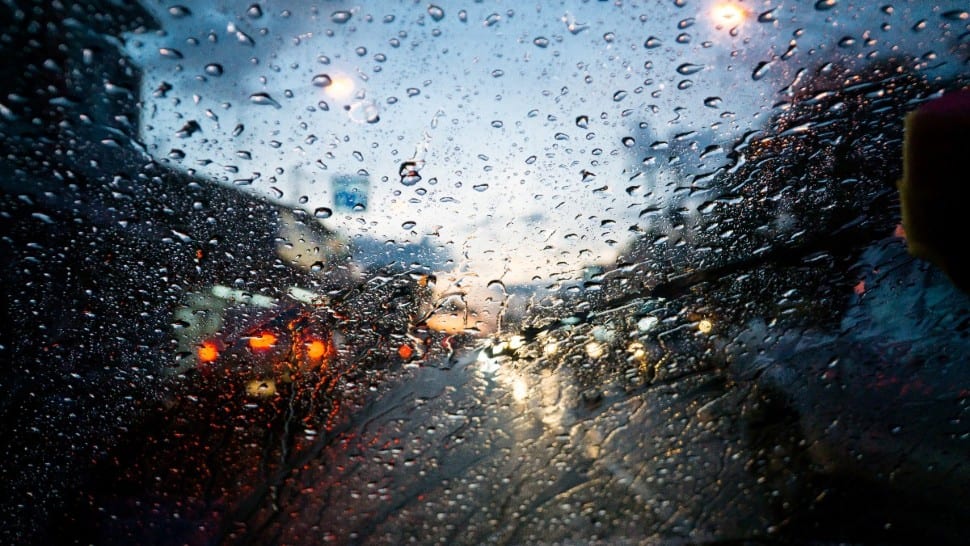
A new study authored by Stockholm University scientists has concluded that rainwater in every place of the world is and will be unsafe for consumption.
This is due to to the high levels of toxic chemicals like per- and polyfluoroalkyl substances (PFAs). These things are usually called "forever chemicals" because they, well, take forever to disintegrate. They were initially found in package, but have now apparently spread to our water and air.
"There is nowhere on Earth where the rain would be safe to drink, according to the measurements that we have taken," Ian Cousins, the lead author of the study published in Environmental Science and Technology, told AFP.
ALSO READ:
Someone Asked an AI Program to Paint What Manila Would Look Like in 2070
Metal Straws vs. Plastic: Their Impact on the Environment
The group has compiled data that dates back to 2010. With their findings, it suggests that, even the levels of PFAs in the rain of Antarctica or the Tibetan plateau have exceeded the drinking water guidelines set by the U.S. Environmental Protection Agency. What's more troubling is the fact that these two regions, which were considered relatively clean for the longest time, have "14 times higher" PFAs levels than the U.S. standards.
PFAs can accumulate in the body once ingested. Some studies point out that exposure to these can lead to developmental delays in children, higher risks of obesity or cancer, and fertility issues.
The worst part of all this is that the planet is now "irreversibly contaminated," says the study.
"We have made the planet inhospitable to human life by irreversibly contaminating it now so that nothing is clean anymore. And to the point that's it's not clean enough to be safe", he stressed. "I'm not super concerned about the everyday exposure in mountain or stream water or in the food. We can't escape it... we're just going to have to live with it."
