
48 Hours in Tokyo for First-Timers

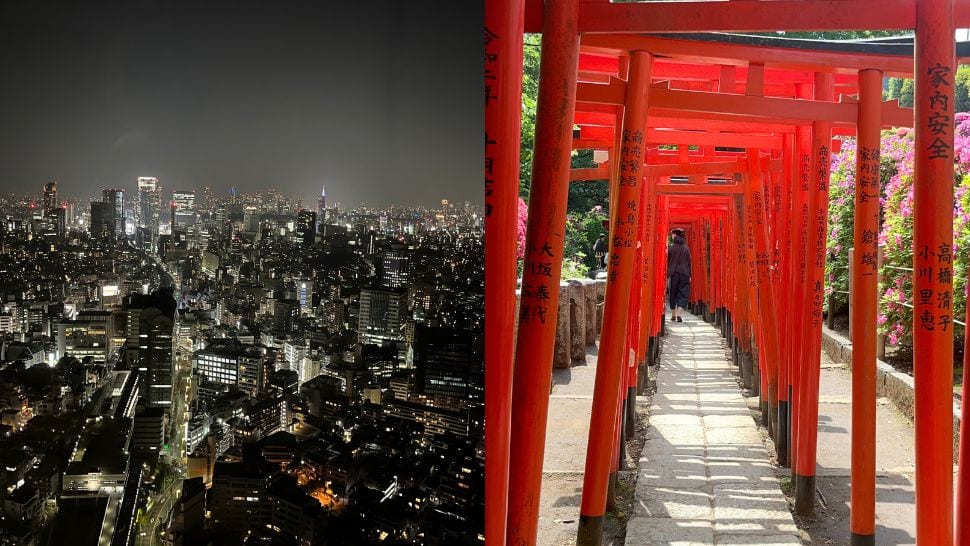
Japan never gets old. It doesn’t matter if you’ve visited the country countless times. Tokyo will always have something to offer. So it’s not surprising that it’s one of the most intimidating cities to visit for the first time. Never mind the foreign language for English speakers—Tokyo is the biggest, most populous, and most complicated city in the world, bigger than even Delhi and Shanghai. Tokyo can be overwhelming for first-time visitors, who could up failing to appreciate what the city has to offer simply because there’s too much being offered.
Also read:
A Curated Guide to 48 Hours in Sapporo
48 Hours in Kyoto, a City Stuck in Time
We’ve witnessed it firsthand—tourists bumbling about the sidewalks, noses stuck in guidebooks that seem to only complicate things more. So, for the Filipinos visiting Tokyo for the first time, we’ve prepared a quick and easy guide to a 48-hour trip to the big city.
DAY 1
3 p.m. Start your trip at old Tokyo.
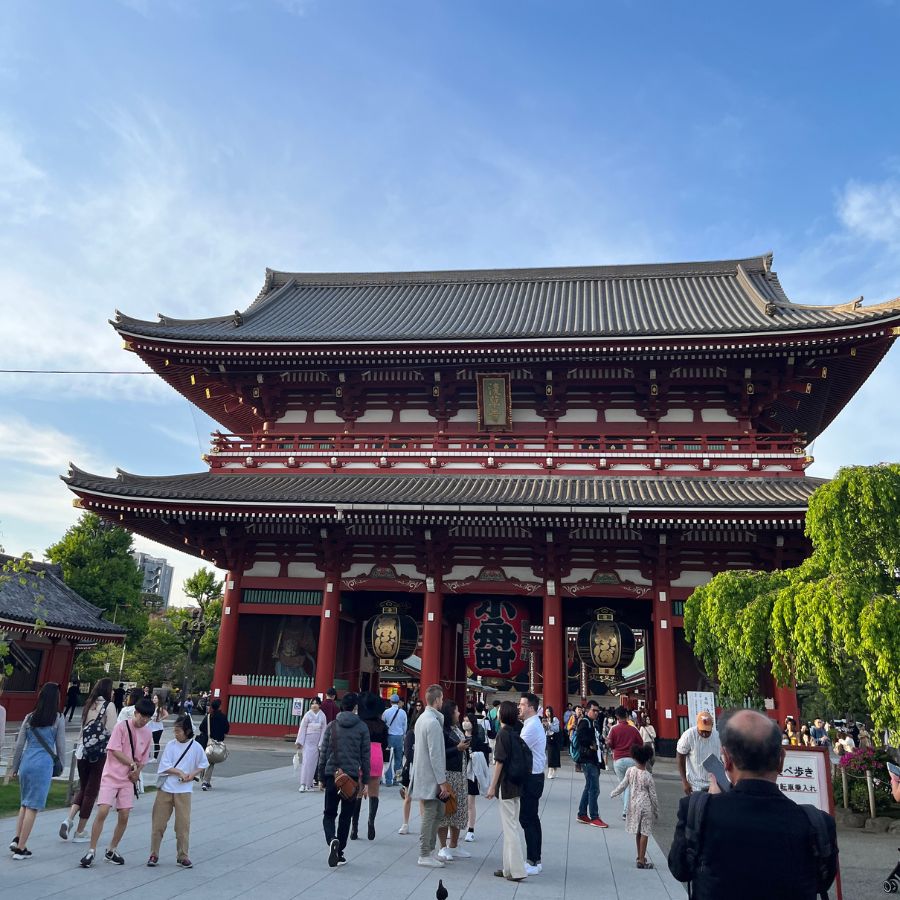
First things first. Get yourself a Suica or Pasmo card the minute you land in Tokyo. These are available at every train station in Tokyo, even the ones at Haneda and Narita, and will get you anywhere in Tokyo. Top up your card, determine the line to your hotel, and alight at your station. Once you’ve checked in to your hotel, kick off your Tokyo trip with a visit to the older side of town—Asakusa.
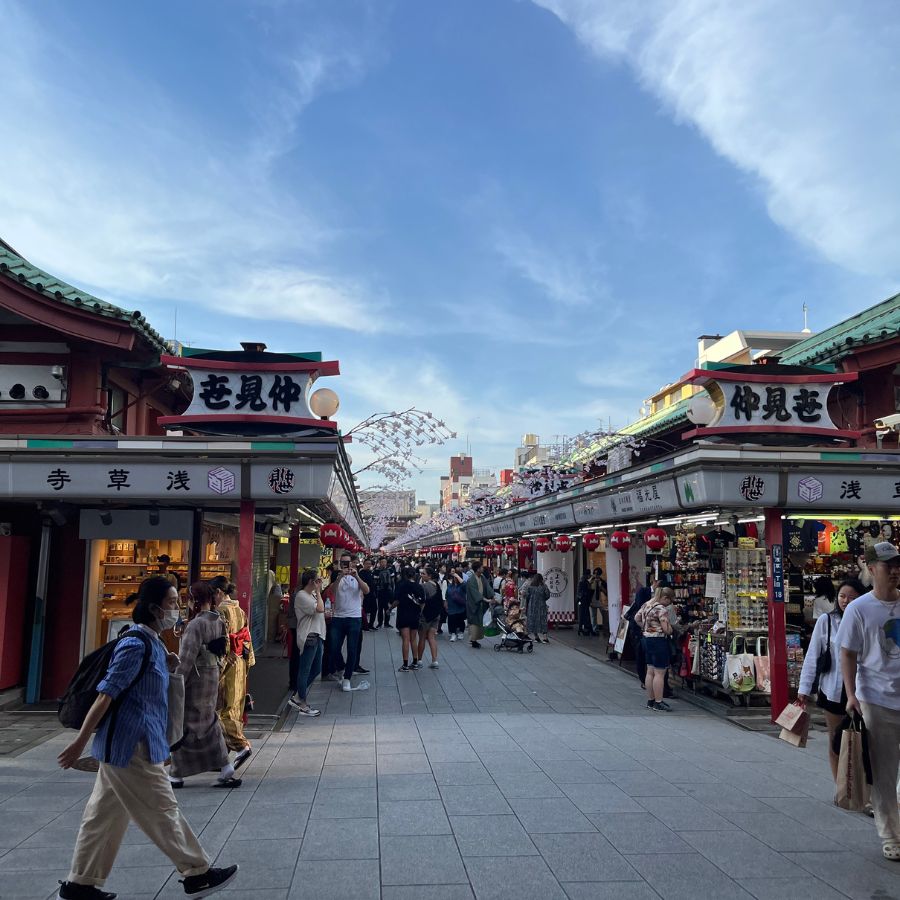
Asakusa is one of the few areas in Tokyo that’s still holding onto the remnants of its past. It’s a Buddhist and Shinto compound made up of famous temples, shrines, and mini-monuments. But for tourists, its value is in the unlimited tourist-friendly stores scattered around the area. Get your souvenir shopping out of the way first. Every souvenir you could possibly want will be found at Nakamise Shopping Street, and trust us when we say you won’t find a better place to get everything you want. Nakamise is sandwiched between the giant Kaminari Gate on one end of the street and Senso-ji Temple on the other, so you won’t get lost.
Entrance cost: Free
5 p.m. Splurge on a yakatabune dinner.
Listen, we know you’ve watched all the enticing videos of 7-11 and Lawson meals in Japan. And we will confess, they are really good. But while you’re in Tokyo, you deserve the full Tokyo meal experience. Schedule a dinner at any of the yakatabune (private boat) meals along the Sumida River, which is just a short walk away from Asakusa.
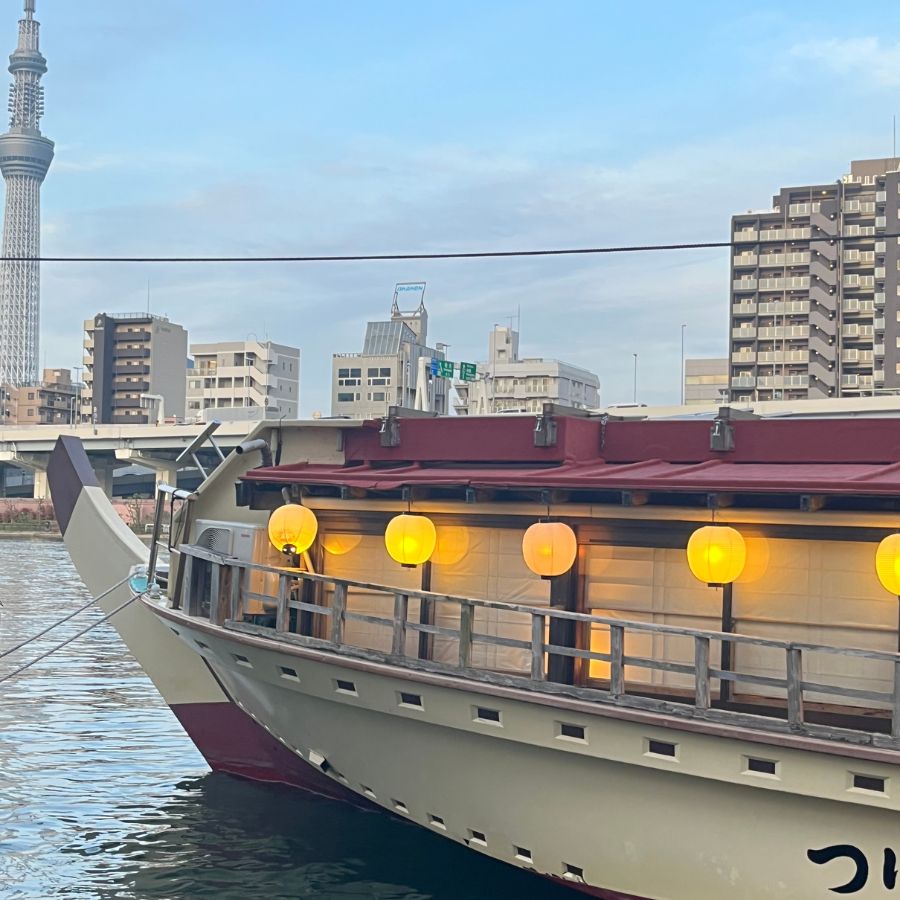
These boats were once used by shoguns and other important people in Japanese history. It was the ultimate VIP experience for the Japanese elite back when geishas would perform for small groups aboard the boat. Yakatabune meals are taken in the traditional Japanese style, sitting on tatami-matted floors. Because you’re on a boat, enjoy multiple courses of sashimi and seafood tempura as you sail down the Sumida River.
Cost: About Y9,000 at Yakatabune Komagata
DAY 2
10 a.m. Get your ‘grams at Nezu Shrine.
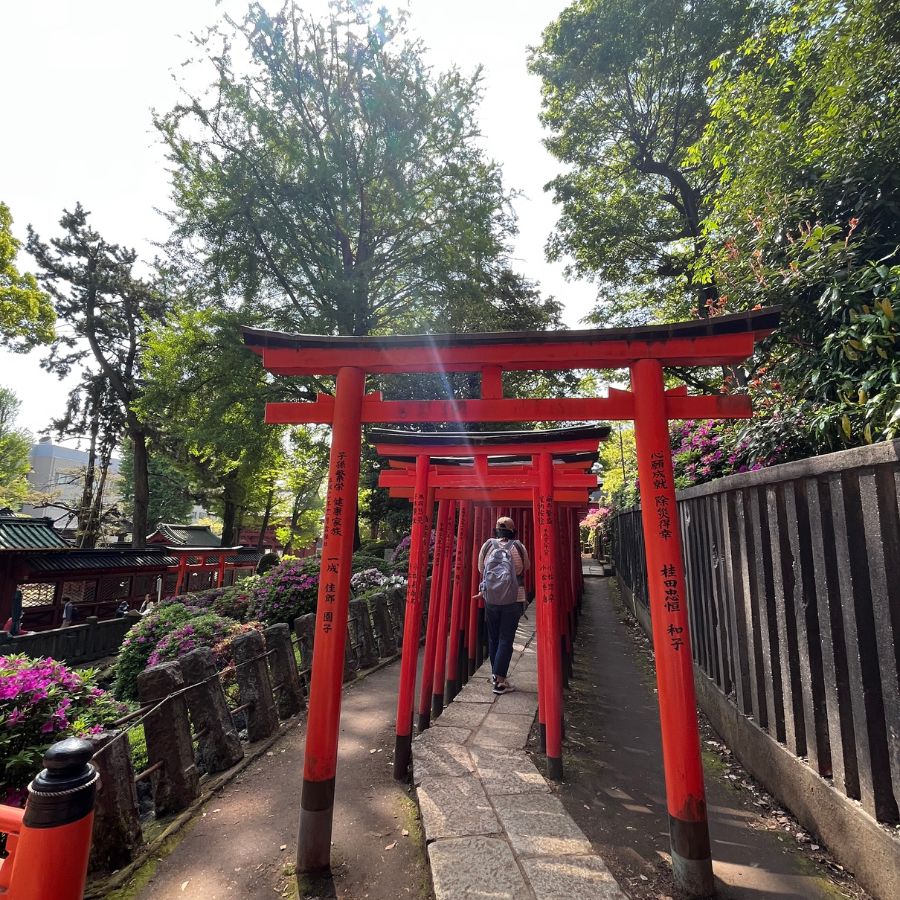

Since it’s spring, it would be remiss of us not to mention Nezu Shrine. Japan in spring is a sight to see, and Nezu Shrine is surrounded by stunning greenery and flower gardens at this time of the year. Nezu Shrine’s tunnel of toris and nearby azalea garden make it the perfect spot to get that ‘gram. There’s even a viewing platform at the nearby Otome Inari Shrine if you want to view the pond and surrounding nature.
Entrance cost: Free, but the Azalea Garden charges Y300.
12 p.m. Stand below Tokyo Tower.

Now, we say this with the utmost respect. Tokyo Tower is an Eiffel Tower dupe. But it’s still a sight to behold. Take time out of your day to visit this tourist attraction, and even if you’re afraid of heights, you can still appreciate the tower from down below. Unlike the Eiffel Tower, Tokyo Tower is a little more practical. There’s a mall at the foundation of the tower, giving tourists plenty of options for lunch. Grab a bite at any of these nearby restaurants, then visit Minato City Shiba Park nearby so you can get the full view of Tokyo Tower surrounded by flowers in full bloom.
Entrance cost: Y1,200
3 p.m. Get lost in Shibuya and Harajuku.

Shibuya and Harajuku might be the most popular areas in Tokyo for tourists. It’s almost required that you walk the famous Shibuya Scramble Crossing and stroll down the anime-inspired streets of Harajuku. Still, this is one tourist trap that we shamelessly love. Join the tourist bandwagon when you cross Shibuya, then visit the nearby Hachiko Memorial Statue for a required pic with the doggo. Then, it’s time to shop. There’s a reason Shibuya is the place for tourists. It’s home to some of the best, biggest, and most affordable brands in the metro. Ginza is for luxury and Western labels, but Shibuya is for when you want full-on Japanese-branded clothing, accessories, and skincare hauls.
And if you’re traveling with kids, particularly teenage girls, you can take a 10-minute walk to nearby Harajuku to explore all the kikay and kawaii fashion stores in the area.
7 p.m. Transform into a real city boy/girl at Shinjuku.
If Shibuya is for tourists and shoppers, Shinjuku is the BGC of Tokyo. It’s the economic center of the metro where locals and expats flock to. During the day, you’ll see the Japanese salaryman rushing to work, and during the night, he'll trade his cup of coffee for a can of Asahi. Granted, you might see a salaryman sleeping on the street, passed out from sheer exhaustion, but it’s all part of the experience.

Kill time walking around Shinjuku at night, getting lost in the narrow alleys and neon lights. Then, if you’re not planning an after-party, end the day with a big dish of Japanese curry, perfect for spring. If you’re traveling alone, dine at CoCoICHI, which is so introvert-friendly that you won’t even have to talk to anyone to order. A dream come true.
DAY 3
10 a.m. Spend the day at Ueno Park.
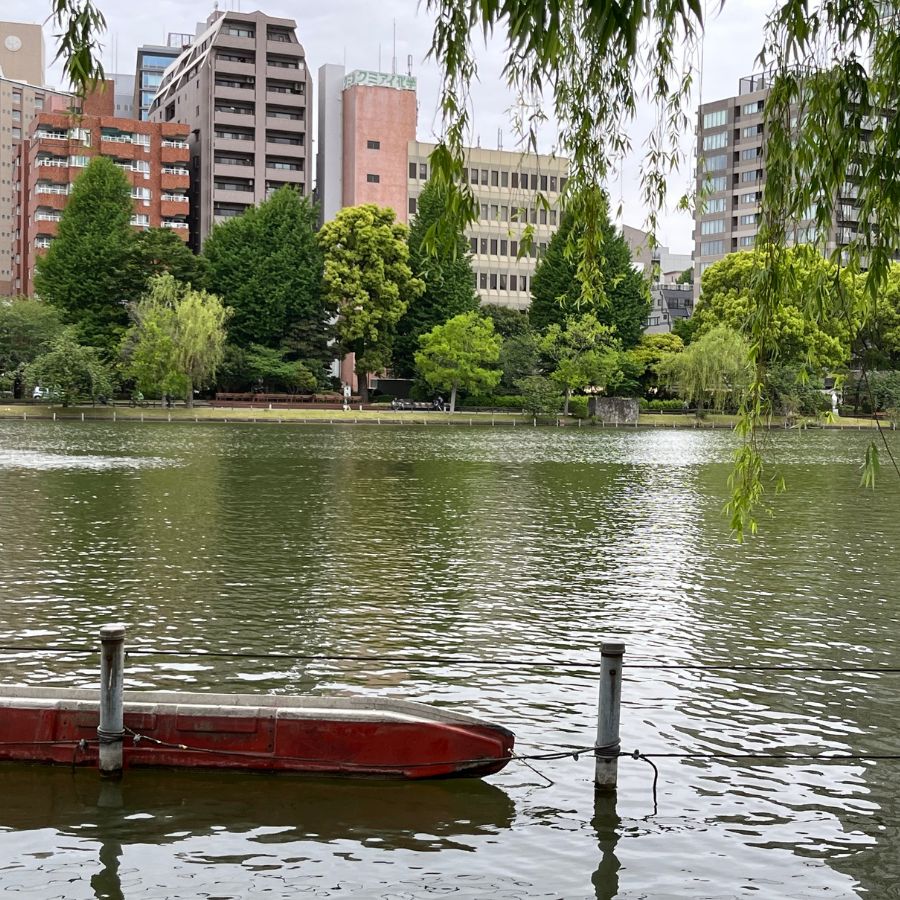
After all the traveling and commuting of Day 2, take a breather on Day 3. Block out the morning for Ueno Park, which is home to countless tourist-friendly places like the Ueno Royal Museum and the Ueno Zoo. In spring, Ueno Park is a jungle of cherry blossom trees, but even when the cherry blossoms have fallen, it’s still a lovely area to visit.
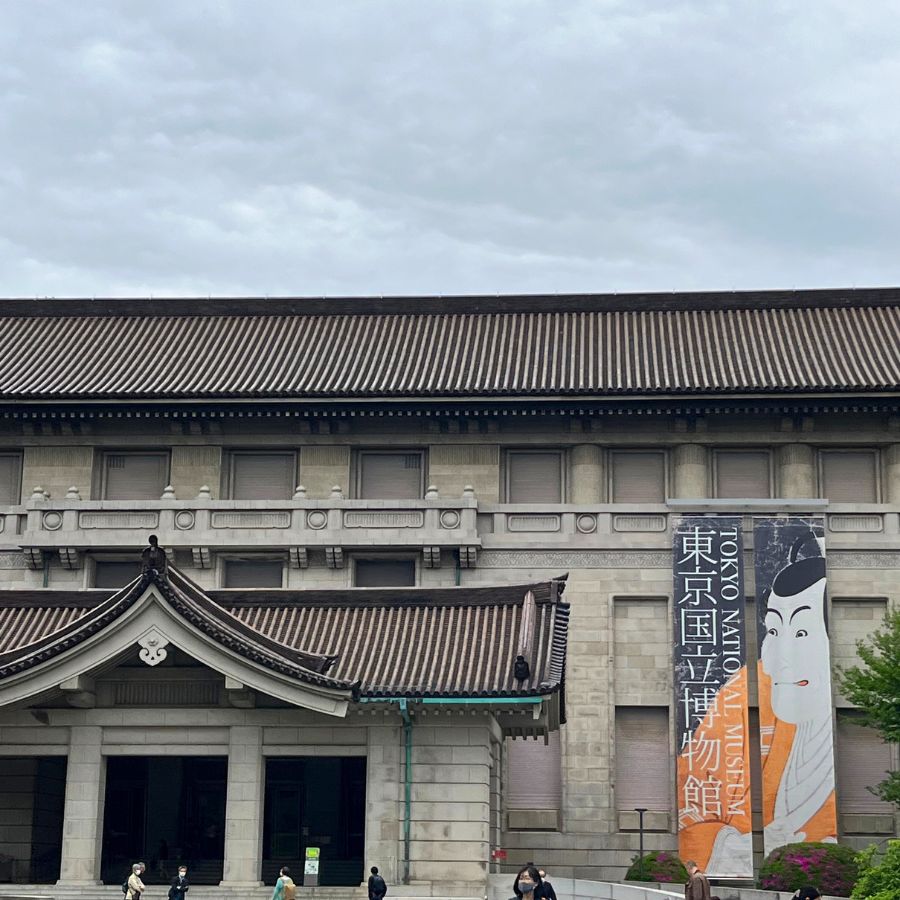
Take a long walk along the Shinobazuno Pond or visit any of the many shrines and temples located in the park. And if you’re traveling with a friend, you can even take a swan rental or boat ride. Ueno Park’s the best place to slow down from the hectic pace of Tokyo, and there’s usually a food market at the Takenodai Square near the Big Fountain where you can grab a cheap meal.
12 p.m. End the Trip at Amekoyo.
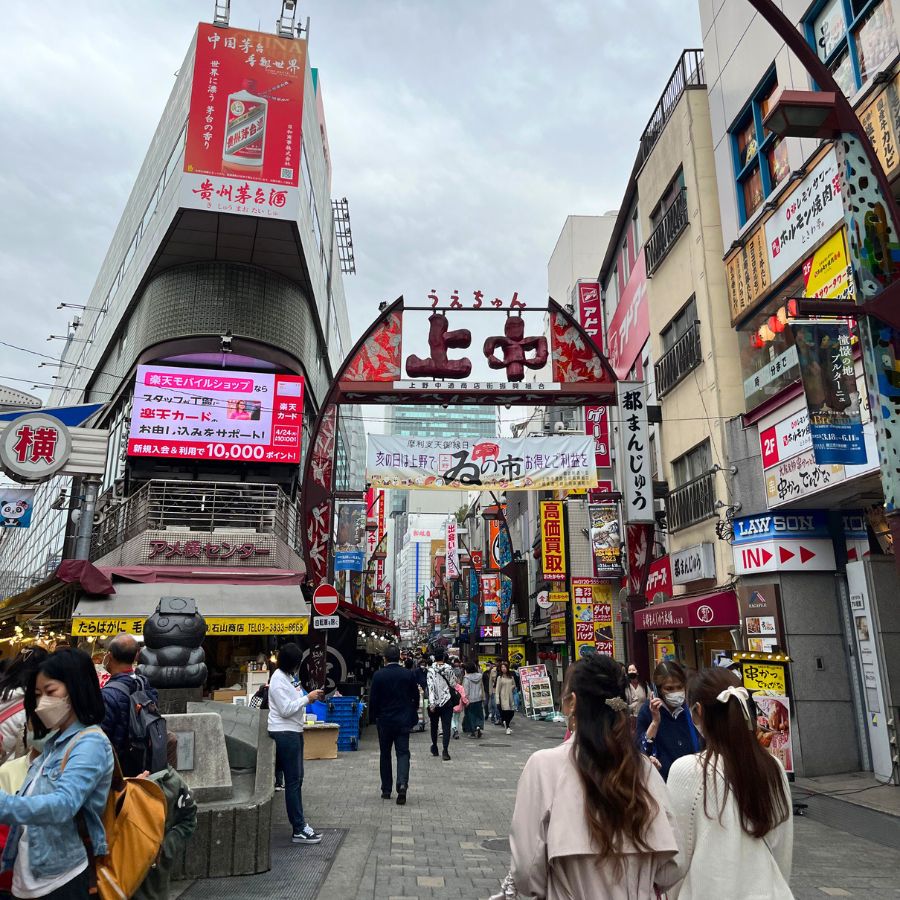
For some last-minute shopping, visit Amekoyo, which is just a short walk away from Ueno Park. While most tourists flock to Shibuya, Akihabara, and Harajuku for their shopping, those who have done their research know that Amekoyo is where you go for the best and cheapest deals. From clothing and skincare to herbal teas and sneakers, Amekoyo has it all. Fun fact: the “Ame” in Amekoyo actually stands for America, because back in WWII, this area was once the site of a black market, which probably explains the cheap prices at Amekoyo to this day.


It’s also one of the best places for thrift shopping. Gen-Z-friendly Shimokitazawa can get a little pricey, but Amekoyo still maintains its affordable prices for even its most high-end thrift prices. And for sneakerheads, Amekoyo hides some of the cheapest steals for the latest editions of New Balance, Adidas, Converse, and more.
