
Foreign Tourist Numbers in 2025 Likely to Stall at Six Million

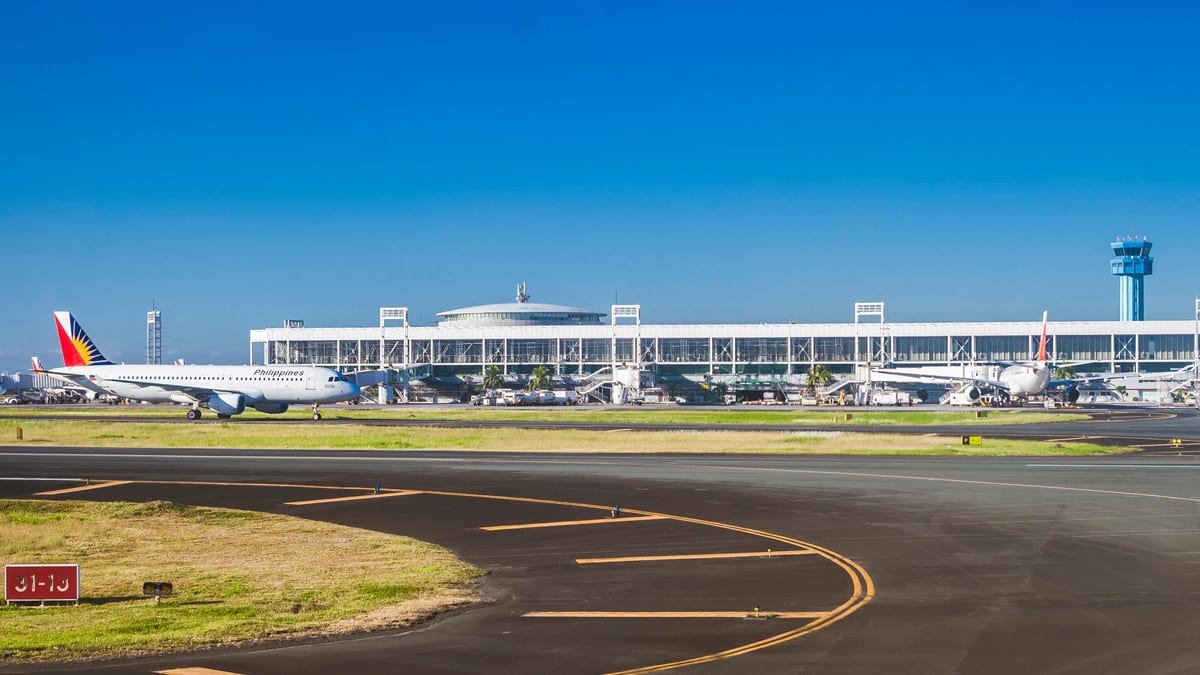
Despite the country's continued push to revive its tourism industry, foreign visitor arrivals to the Philippines are expected to remain flat at six million in 2025, mirroring the performance in 2024. Analysts and tourism stakeholders point to persistent challenges in key source markets, global economic pressures, and geopolitical developments as factors holding back growth.
Speaking at a recent briefing, Alfred Lay, Director for Hotels, Tourism, and Leisure at Leechiu Property Consultants (LPC), noted a stagnation in the pace of arrivals during the first quarter of the year. "We’re plateauing in terms of increases," he said, citing Department of Tourism (DOT) data showing 1.65 million arrivals from January to March 2025—a slight 0.6 percent dip from the same period in 2024.
A significant drop in South Korean tourists, down 14 percent to 395,059 in Q1, was attributed to the depreciation of the South Korean won and ongoing political instability. Lay emphasized the need for vigilance, calling South Korea a key driver of our tourism rebound that requires focused strategies to recover. "We need to be very, very mindful, be cautious, and seek solutions to deal with that," he added.
Meanwhile, China—a consistent top-five market since 2008—was conspicuously absent from this year’s Q1 numbers, further dampening hopes for a robust recovery in regional arrivals. Lay noted that regional competitors have surged ahead by offering generous visa-free or visa-on-arrival programs that attract more international travelers.
ALSO READ:
Surprise? Boracay is No Longer the Top Local Travel Destination for Foreign Tourists
Foreign Retirees in the Philippines Face Uncertainty After Baguio Evictions
Fil-Am Travel at Risk
Adding to the uncertainty is the growing unease among Filipino-American travelers, a demographic that has historically been a dependable segment of the U.S. market. The recent crackdown by U.S. Immigration and Customs Enforcement (ICE) on green-card holders with prior convictions is expected to cause a "chilling effect" on balikbayan and VFR (visiting friends and relatives) travel.
Randi Alampay, Associate Professor at the Asian Institute of Tourism, University of the Philippines Diliman, explained a likely hesitation among Filipino-Americans and other U.S.-based residents. Permanent residents and even temporary visa holders may now opt for short-haul regional travel or cancel trips altogether. He shared that some overseas Filipinos are postponing travel for the rest of former President Donald Trump’s term due to uncertainty around immigration enforcement.
Arturo P. Boncato Jr., group general manager at Megaworld Hotels and Resorts, echoed these concerns. ICE detentions "could deter movement. Statements like deporting U.S. citizens are new and could be taken with extra caution," he said.
In fact, ICE has recently detained at least two Filipino-Americans: one upon arrival in Seattle from the Philippines, reportedly due to a decades-old non-violent offense, and another after a routine ICE check-in in Georgia. Though these may be isolated incidents, they could stoke anxiety among green-card holders planning to travel to the Philippines.
Still, optimism remains in some corners. Jose C. Clemente III, president of Rajah Tours Philippines, which manages the Department of Foreign Affairs’ Very Important Pinoy (VIP) Tour in the US, reported that registrations for the 20th edition of the program remain steady. “I’m keeping my fingers crossed that the program won’t be affected,” he said, noting that 200–300 Fil-Am participants typically join the annual tour.
Despite this uncertainty, the Filipino-American market remains strong in numbers. Data from the DOT showed 128,772 Fil-Am arrivals in 2024, a steep jump from just 44,422 in 2019. Yet the current climate raises questions about whether this momentum can be sustained.
ALSO READ: What Trump's Re-Election Means for Filipinos
Airlines, Trade Wars, and Tariffs
Adding to the industry’s anxieties is the broader geopolitical landscape. Lay warned that the U.S.-led global tariff wars—rekindled by Trump’s sweeping April 2 announcement of new levies on foreign exports—could indirectly hit tourism through rising airfare costs and economic slowdown.
According to the Leechiu analyst, the impact on travel may not be immediate, but discretionary spending like tourism always takes a hit when the global economy stumbles. He pointed to the fragility of the airline supply chain as another pressure point. With just two major aircraft manufacturers—Boeing and Airbus—supplying a tightly linked global market, any tariff-driven disruption could lead to costlier tickets and more limited connectivity. Having 20,000 suppliers for some 50 countries, plus tariffs averaging between 10 and 49 percent, can put a lot of pressure on airfares and airlines' ability to find spare parts, he explained.
The International Air Transport Association (IATA) has already flagged softening passenger traffic across North America, citing weak consumer confidence.
Industry Reaction and Outlook
In response to LPC’s projection, Philippine Hotel Owners Association executive director Benito C. Bengzon Jr. acknowledged the challenges but remained hopeful. "Our hotels continue to depend to a large extent on business coming from international guests. Revenue is still our main performance indicator, but we still need to see growth in the headcount to achieve full recovery on all fronts," he said.
Boncato suggested that renewed marketing efforts emphasizing the convenience and value of short-haul travel could lure back South Korean visitors as political conditions stabilize.
Meanwhile, the Department of Tourism is expected to revisit its ambitious National Tourism Development Plan (NTDP) targets for 2023–2028. Last year’s arrivals of 5.95 million fell short of the DOT’s 7.7 million goal—a 23-percent gap that has prompted internal recalibrations. The NTDP serves as the DOT’s strategic roadmap to achieve annual tourism targets, including foreign visitor arrivals, domestic travel, inbound revenue, employment, and more.
