

Exploring Lisbon: A Journey Through Portugal’s Vibrant Capital

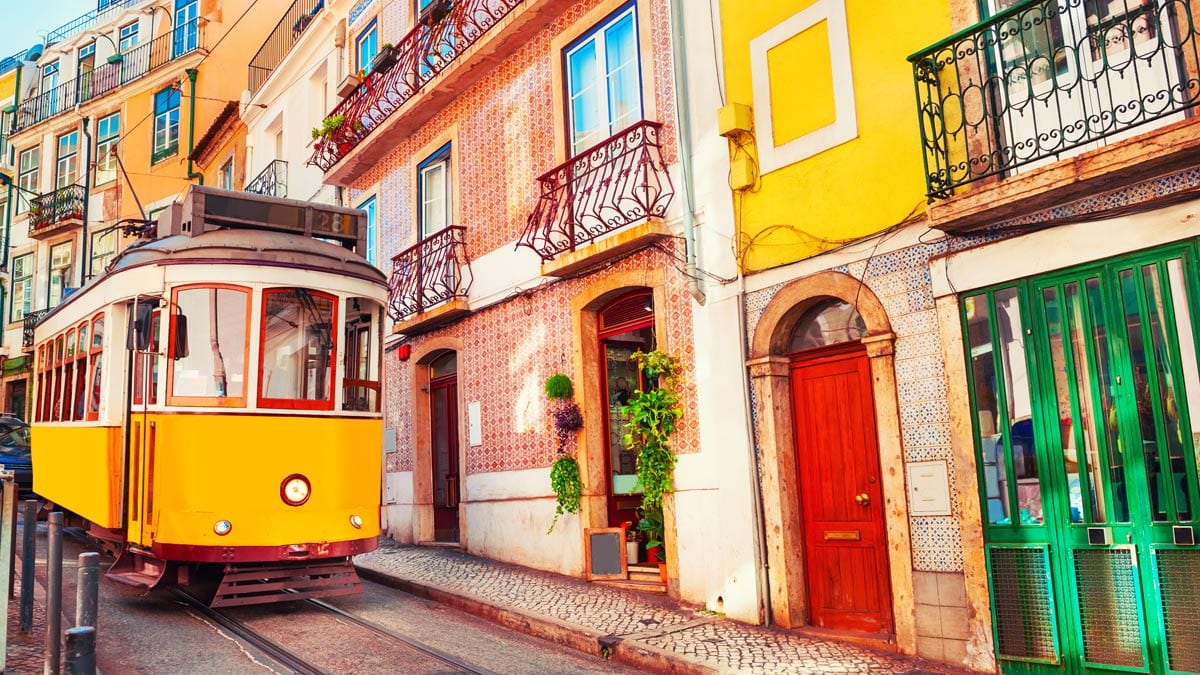
Portugal first came onto my radar when our undergraduate literature teacher required our class to read Blindness by Jose Saramago, who won the Nobel Prize for Literature in 1998. The setting of the novel was vague, but after reading it and learning more about the novelist, my interest in Portugal grew. When the opportunity to visit the country arose more than a decade after that class, I decided to include it in my itinerary.
ALSO READ:
Portugal in the Age of Discovery
From the POV of the Portuguese, the Age of Discovery was a time of great wealth and conquests of supposedly unknown lands. Emphasis on 'supposedly' as these places in the Americas, Asia, and Africa had their own civilizations before the conquistadors and colonizers came. The rulers of Portugal and Spain sponsored galleons and armies to discover new territories, which other European powers followed. This epoch spurred shifts in power in Europe and the colonization of other countries, which some would argue was the precursor to globalization. This era opened supposedly unknown sea and trade routes and access to goods and resources. You’ll find monuments that immortalize the feats and discoveries of the likes of Vasco da Gama, Henry the Navigator, and Fernão de Magalhães (a.k.a. Ferdinand Magellan).
Padrão dos Descobrimentos
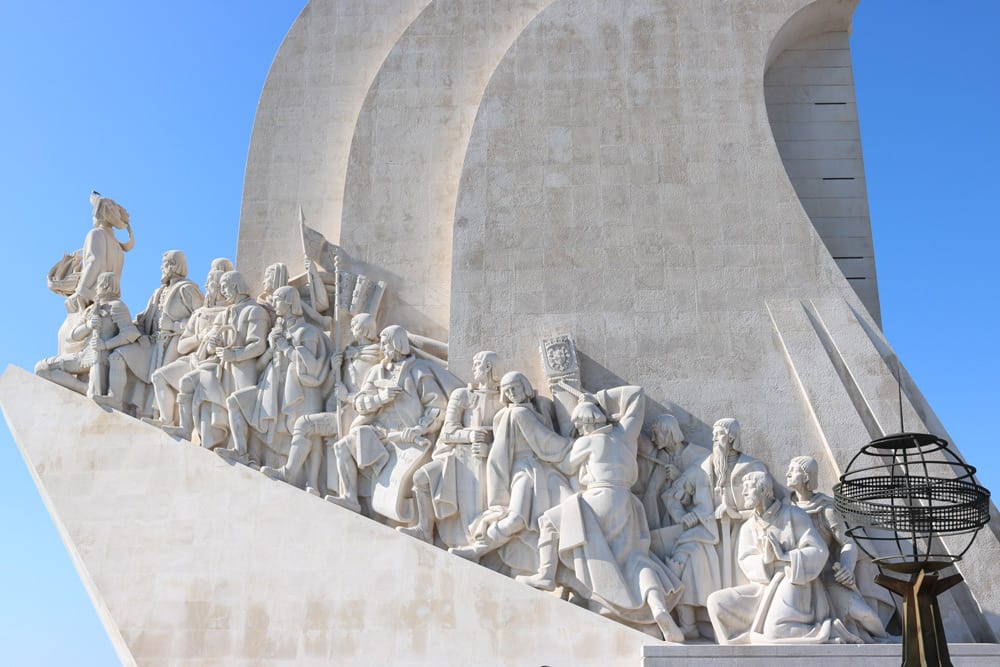
The Padrão dos Descobrimentos (Monument to the Discoveries) commemorates the explorers who set out for lands unknown to them. This huge statue situated along the Tagus River looks like a caravel’s prow. The monument’s inauguration took place in 1960 and coincided with the commemoration of Henry the Navigator’s 500th death anniversary. The monument also has a frieze of statues of notable figures during the country’s Age of Discovery, like Vasco da Gama, Henry the Navigator, St. Francis Xavier, and Ferdinand Magellan, just to name a few.
Torre de Belém
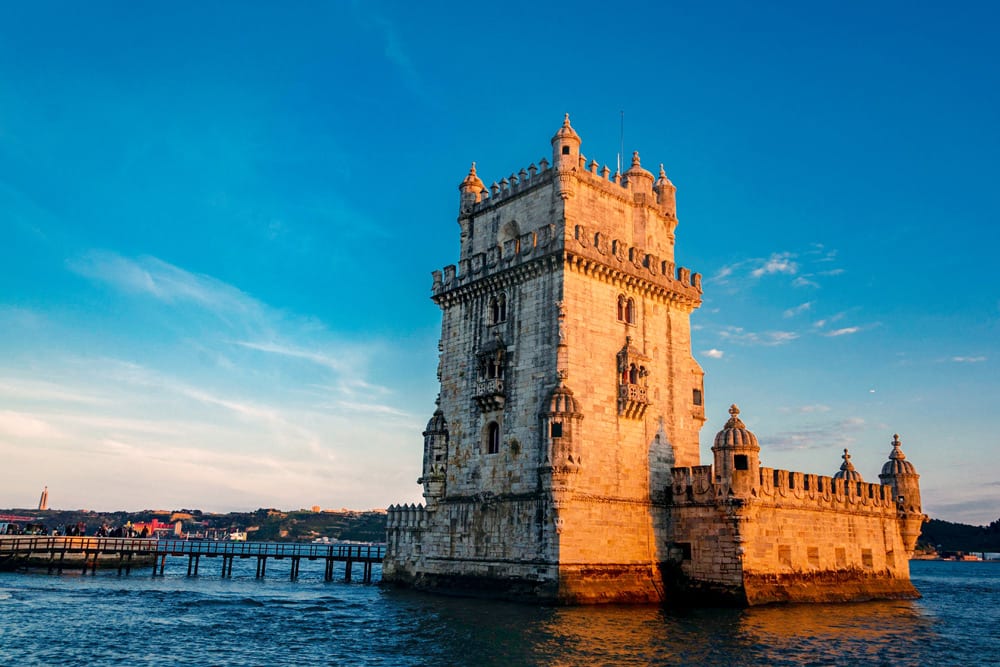
Torre de Belem (Belem Tower), declared a UNESCO World Heritage Site in 1983, is another historic monument associated with the country’s Age of Discovery. The idea behind constructing the tower was to defend the entrance of the River Tagus from invaders. Construction concluded in 1519 during the reign of King Manuel I. Its elaborate exterior is characterized by armillary spheres, ribbed cupolas, bartizans, and sculptures.
Mosteiro dos Jerónimos
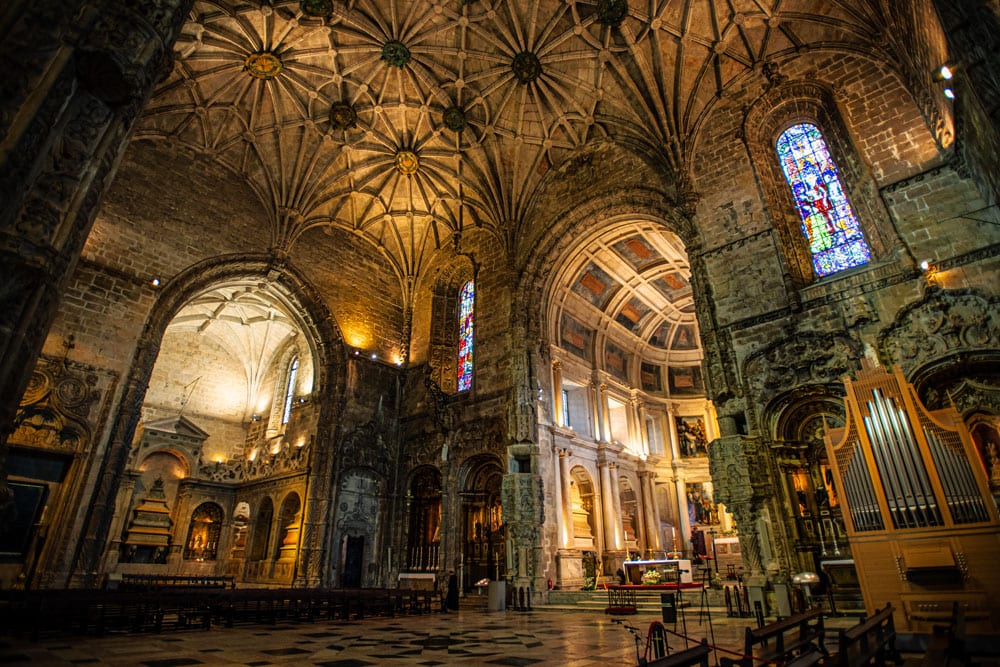
A short walk from the Belem Tower is the Mosteiro dos Jerónimos. The latter, which dates to the 16th century, is an example of Manueline architecture. It uses detailed sculptures and themes related to the discoveries and maritime expeditions of the navigators and conquistadors who explored the world during the Age of Discovery. You’ll find the tombs of prominent people inside the complex namely Vasco da Gama, poet Luís de Camões, Manuel I, his descendants, and other members of the royal family.
Bom Dia, Lisboa
“Olá” “Oi!” “E aí?” “Bom dia.” You’ll most likely hear these common phrases when walking around Lisbon. These various forms of greetings just show how the capital of Portugal will invite you and draw you in with its vibrant and rich culture and the confluence of old and new. Its colorful districts, architectural heritage, and beautiful views will want to make you stay a little bit longer.
Castelo de Sao Jorge
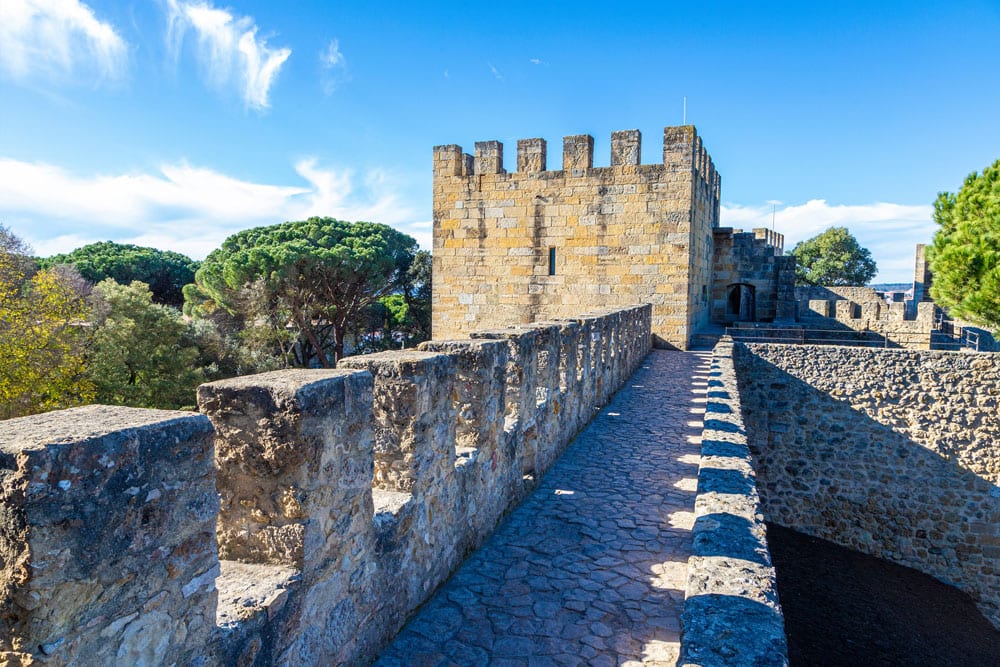
Perched above the city, Castelo de Sao Jorge is a reminder of the city’s long and storied past dating to the Iron Age settlement and the Roman Empire. The castle looms large over Lisbon and is an integral (and picturesque) part of its cityscape. The Moors and Christians fought over control of the fort. Extensive additions and renovations took place during the reign of King Afonso Henriques and his successors. The castle's transformation also reflects Lisbon's evolution over the centuries.
Elevador de Santa Justa
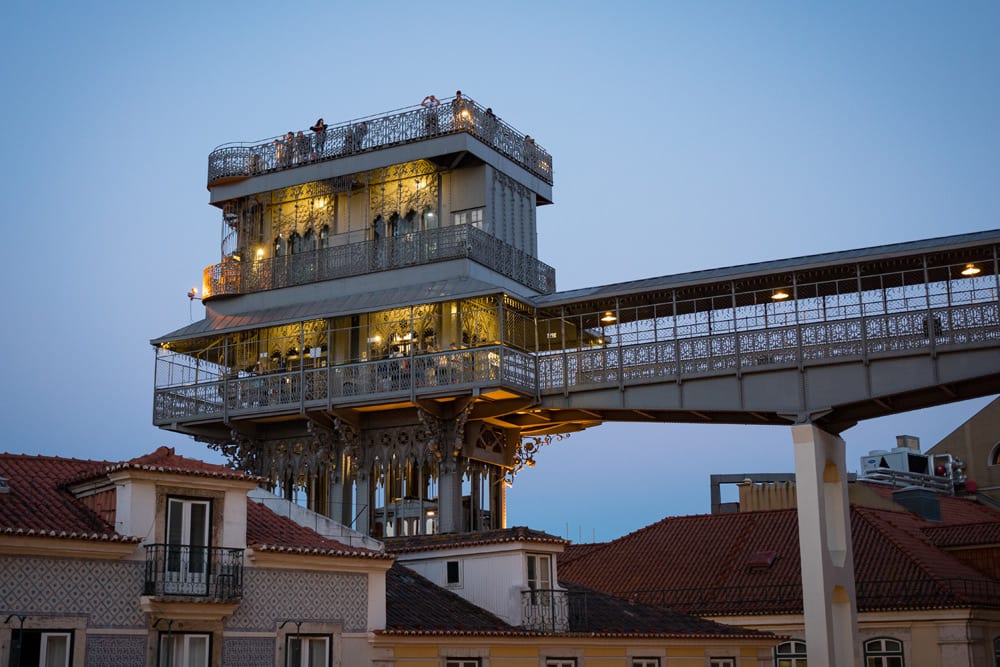
Amid the city’s urban sprawl is an iconic piece of architecture (a relic of a bygone epoch), the Elevador Santa Justa. This wrought iron structure used to take daily commuters to and from Rua do Ouro to Largo do Carmo. It’s now a novel mode of transportation that tourists take to experience the past. You’ll have to queue for some time to ride it. Once you reach the top, you’ll get beautiful overlooking views of the city.
Sé
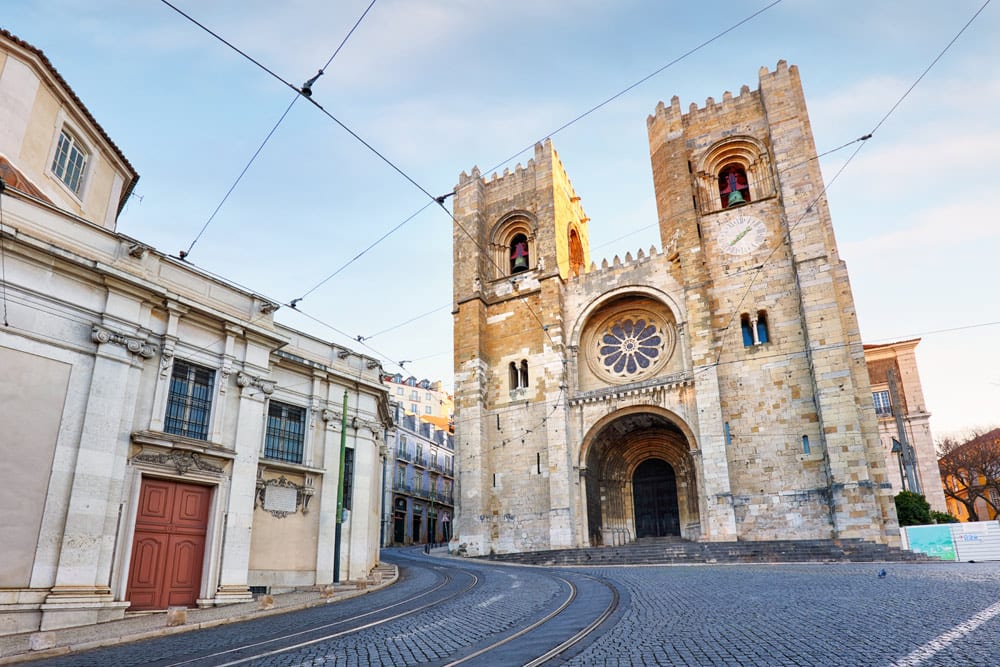
The Sé (Lisbon cathedral) dates to the 12th century when King Afonso Henriques beat the Moors and took Lisbon. The cathedral has undergone many alterations and additions, from its Romanesque to its Gothic-inspired, to Neo-Romanesque architecture over the centuries. It has seen many kings and queens come and go. It stands tall as a vestige of the country’s history amid the constant change happening around it.
Arco da Rua Augusta
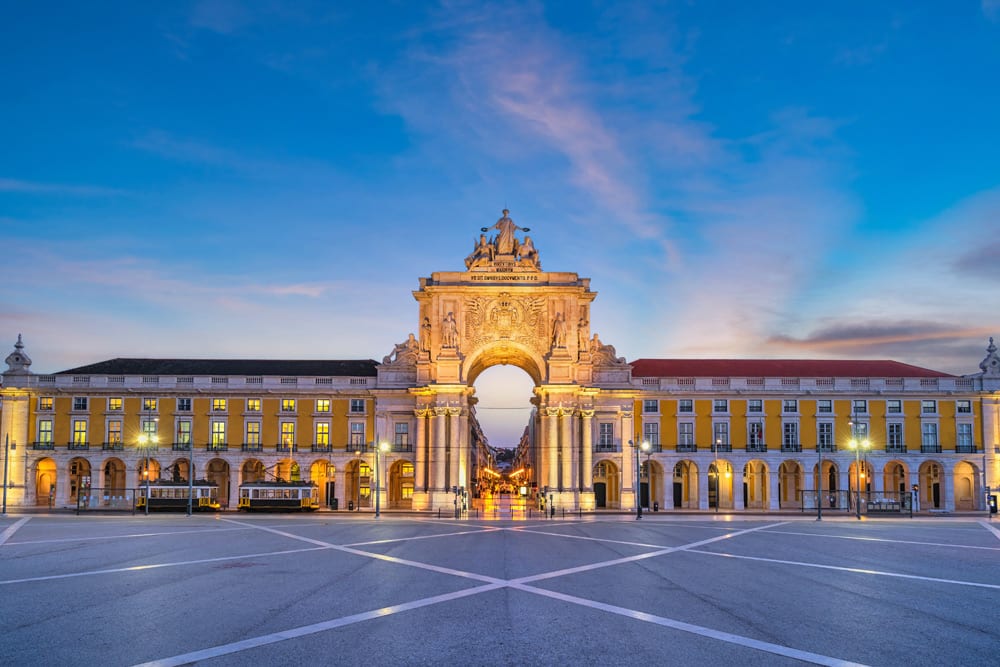
Lisbon’s riverfront square stays true to the city’s adventurous roots wherein visitors and locals alike can look out into the vast horizon and let their imaginations linger in a plane of uncertainty. The Arco da Rua Augusta is a monument to the city’s resilience and evolution (one of quite a few in a city that’s centuries old). A cataclysmic earthquake ravaged Lisbon in the mid-18th century. King Jose I had the city reconstructed with wider roads, vast squares, and structures that could withstand earthquakes. The construction of the arch came naturally as the city recovered from the natural disaster. It became a symbol of revival. The inauguration of Arco da Rua Augusta took place in the 19th century. One of the arch’s main features is the Latin words “Virtutibus Maiorum Ut Sit Omnibus Documento,” which means “To the virtues of the greatest, so that it may serve as a lesson to all.”
Igreja do Carmo
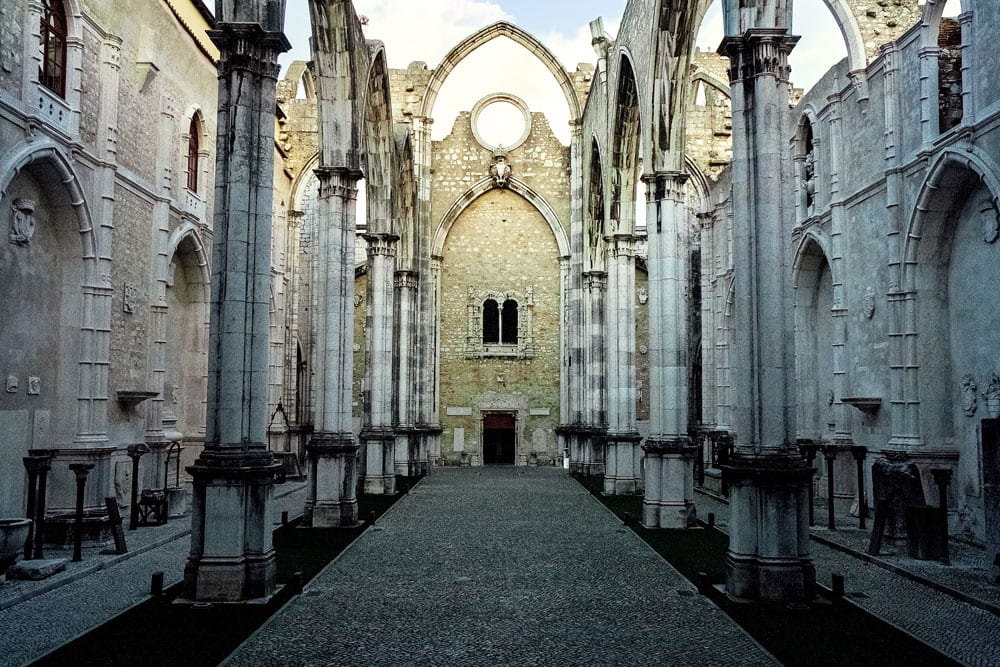
Some monuments and parts of the city have been restored or modernized as displays of the city’s revival and resiliency. However, some are left as they were, like permanent scars. Igreja do Carmo's parishioners attended mass during All Saints’ Day in 1755 when a catastrophe rocked Lisbon and left it in ruins. The attendees died and ravaged the church with only its Gothic arches left standing.
Palácio Nacional da Ajuda
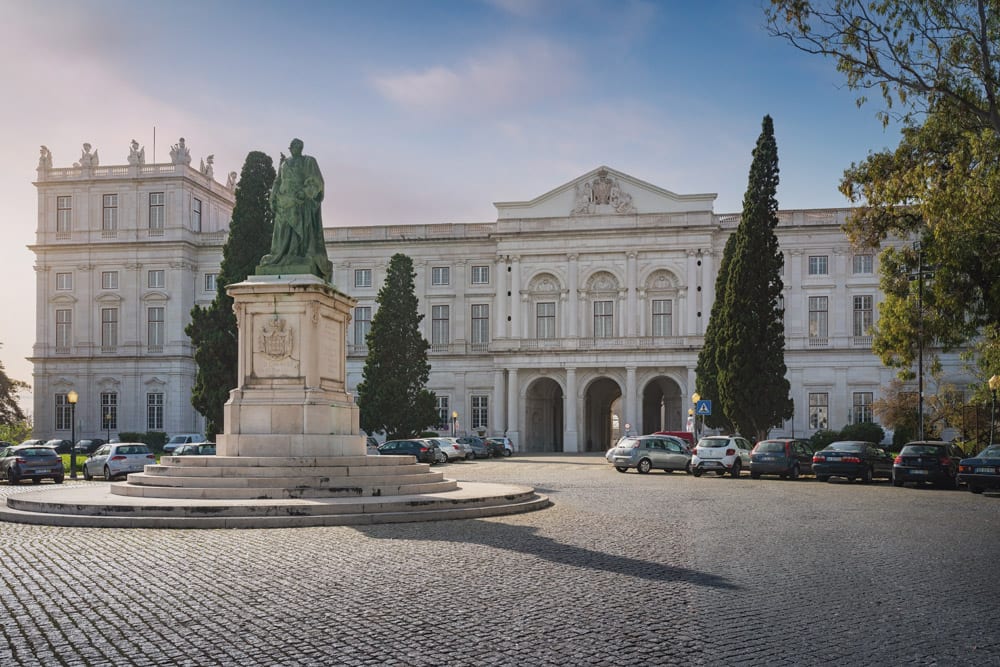
The Palácio Nacional da Ajuda is a Neoclassical building that dates to the 19th century. It used to be the residence of the royal family. It’s now a museum and a go-to venue for state ceremonies. Exploring the palace provides you with a glimpse of the lavish and opulent lifestyle of the imperial court. The rooms and halls have ornate and elaborate decorations, ceramics, textiles, sculptures, furniture, and paintings.
Lisbon's Culinary Gems
I’m no food connoisseur, but I try my best to get a taste of a city or a country’s cuisine on every trip. This adventure mostly involves eating in random places or sometimes fast food chains to see what their local menu looks like.
One unforgettable dish I had (not just in Lisbon but in Portugal) was the Francesinha. I ordered it every time I had the chance. Some would describe it as a “heart attack on a plate,” but I just couldn’t get enough of it. The usual recipe of this Porto specialty includes thick slices of bread, ham, Portuguese sausage, steak or roast beef, fried egg, melted cheese, tomato, and its most important ingredient, sauce. The sauce can make or break the dish you’re getting. After eating Francesinha, I would recommend getting dessert at Landeau. The latter has a reputation for serving, as some patrons would say, “the most delicious chocolate cake in the world” (I’ll let you decide when you get to try it). Its soft/viscous texture and sweetness are just right.
Lisbon is a fascinating city. Experience a journey through history (both the good and the bad) as you explore its neighborhoods and visit its monuments. Its revival and continuous evolution (without forgetting its history) are lessons we can learn from.
