
What is There to Do in Switzerland?

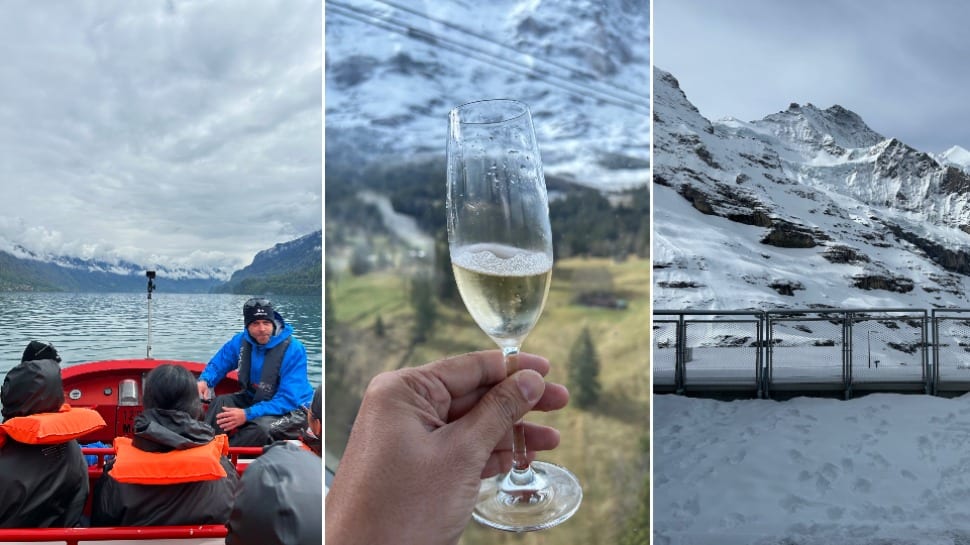
The cliche reply would be skiing down its snow-capped mountains and indulging on chocolates and cheese. The more unfamiliar answers just might surprise you. Even better, have you booking the next flight to Schweiz (German), Suisse (French) or Svizzera (Italian), or simply Switzerland to most of the world.
A view of the top of the Jungfraufroch
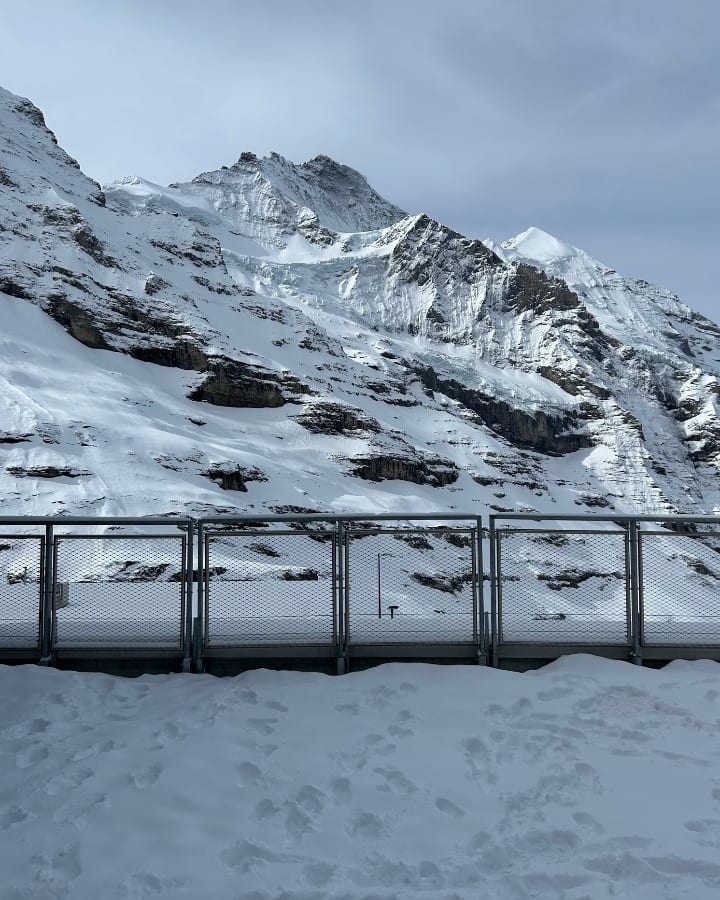
This country boasts of diverse landscapes. Let’s break it down into numbers: it has 48 mountain peaks that are at least 4,000 meters high, 1000 square kilometers of glaciers, and an estimated 1,500 lakes which, along with other bodies of water such as streams, account for four percent of the country's surface area. Given this, it’s only appropriate to appreciate its natural beauty.
Enjoy the ride
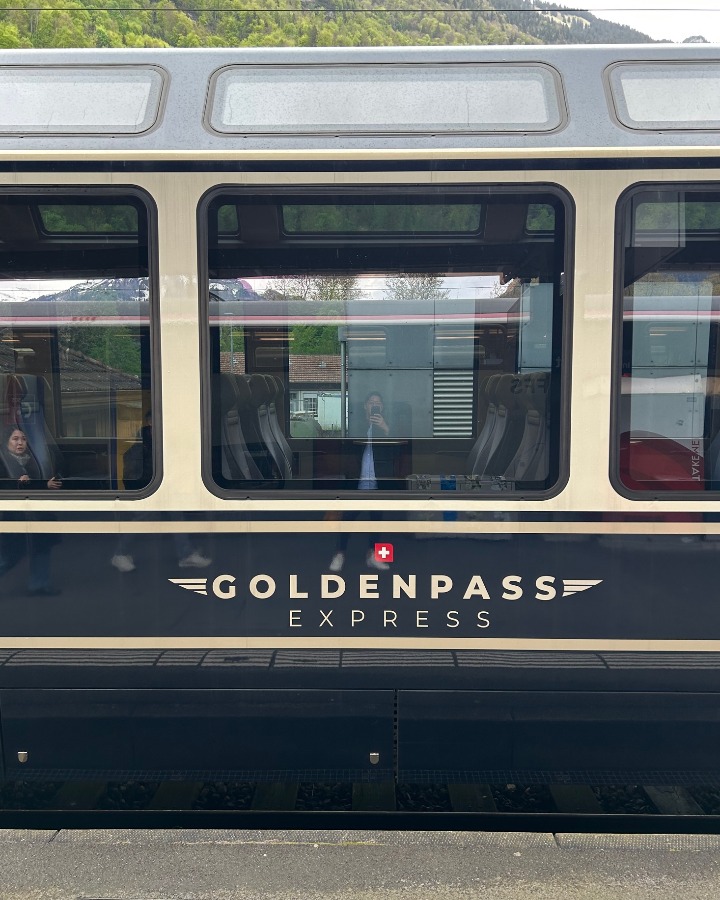
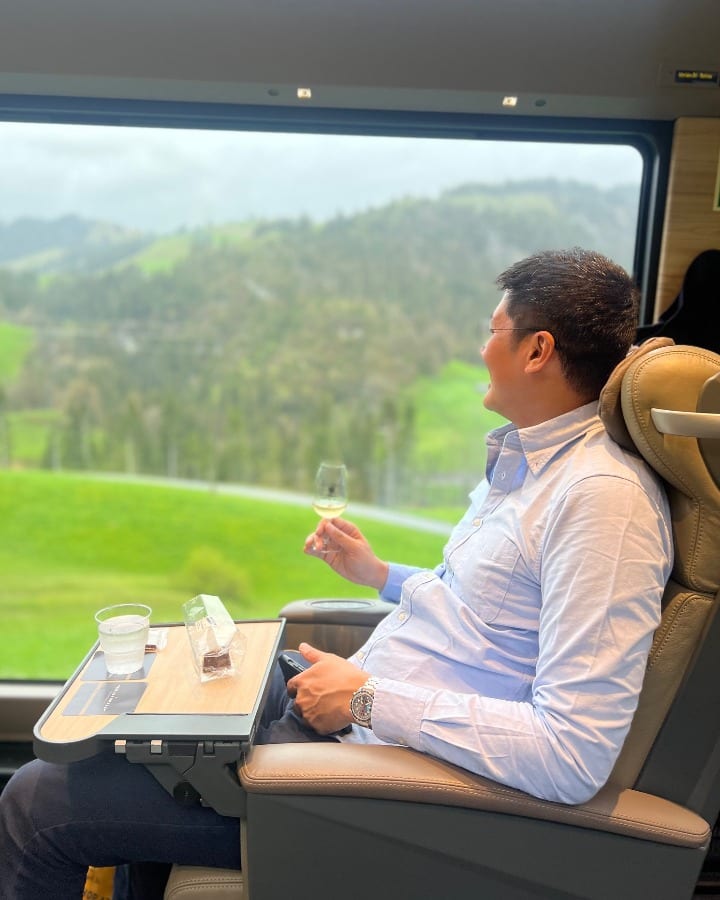
Mother Nature did a good job on Switzerland. And one way to acknowledge this is by taking the Golden Pass Express, considered one of the nation’s most picturesque train routes. As you enjoy a curated board of cold cuts and cheeses along with your glass of local wine, the journey will take you in and around mountains (either cloaked in snow or lush with flowers and greens, depending on the season), passing through Gstaad, Château-d’Oex and Montbovon. Book a seat in the Prestige cabin for floor-to-ceiling glass windows, heated swivel chairs, and lots of space and privacy.
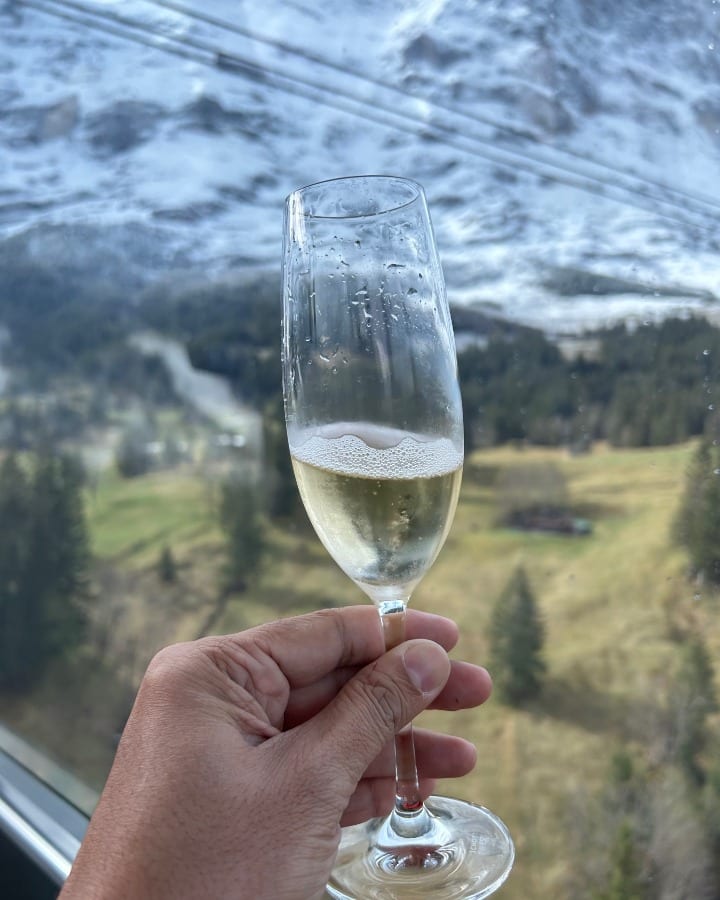
Chilling inside the VIP cable car
On board the steamboat on Lake Geneva
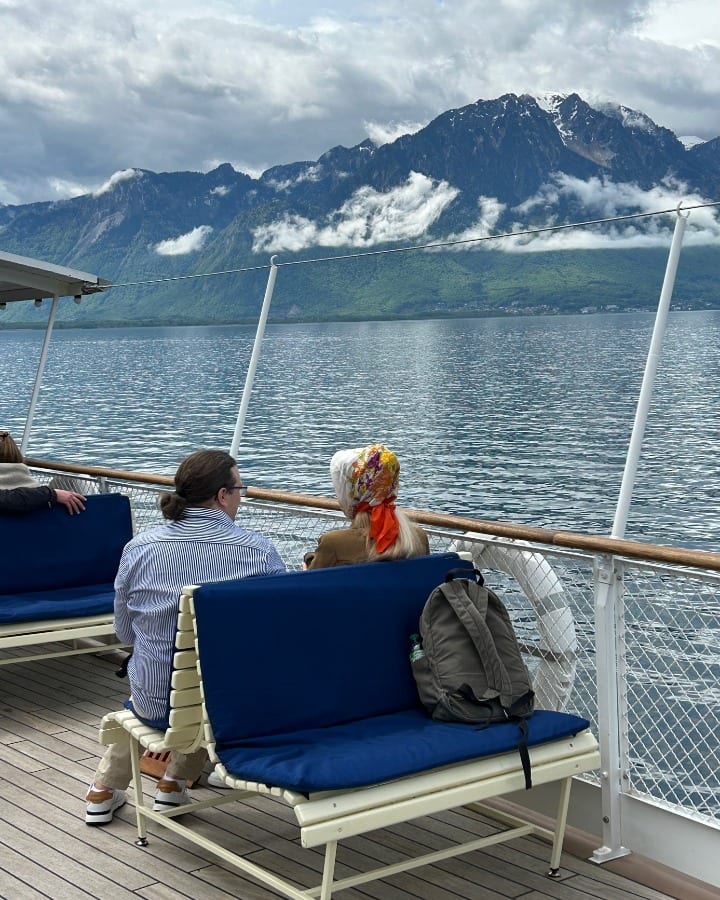
You can also admire nature’s bounty from the water, Lac Leman or more commonly known as Geneva Lake to be exact. Purchase a ticket in one of the well-oiled belle époque paddle steamboats and glide through the pristine lake to any of the stops, which include Geneva, Vevey, Montreux and Lausanne. Depending on the route, you may even find yourself seeing neighboring France. And while you’re at it, match the panoramic sights with a filling three-course meal.
Get physical
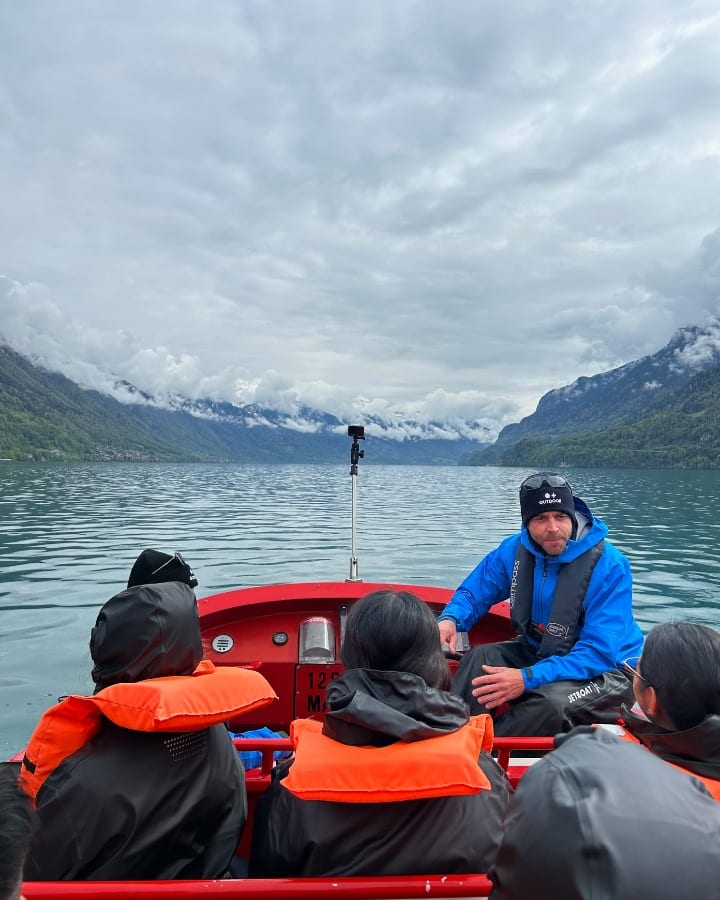
Interlaken, a resort town in the Bernese Oberland region of central Switzerland, is so-named because it lies in between two lakes—Lake Thun and Lake Brienz. And locals and tourists alike take advantage of this natural setting by engaging in pursuits such as bathing in turquoise waters and canoeing in spring, kayaking and stand-up paddling in winter, and hopping on a jet boat for a wild adventure come summer.
Jetboat ride in Lake Thun
All aboard the Golden Pass Express
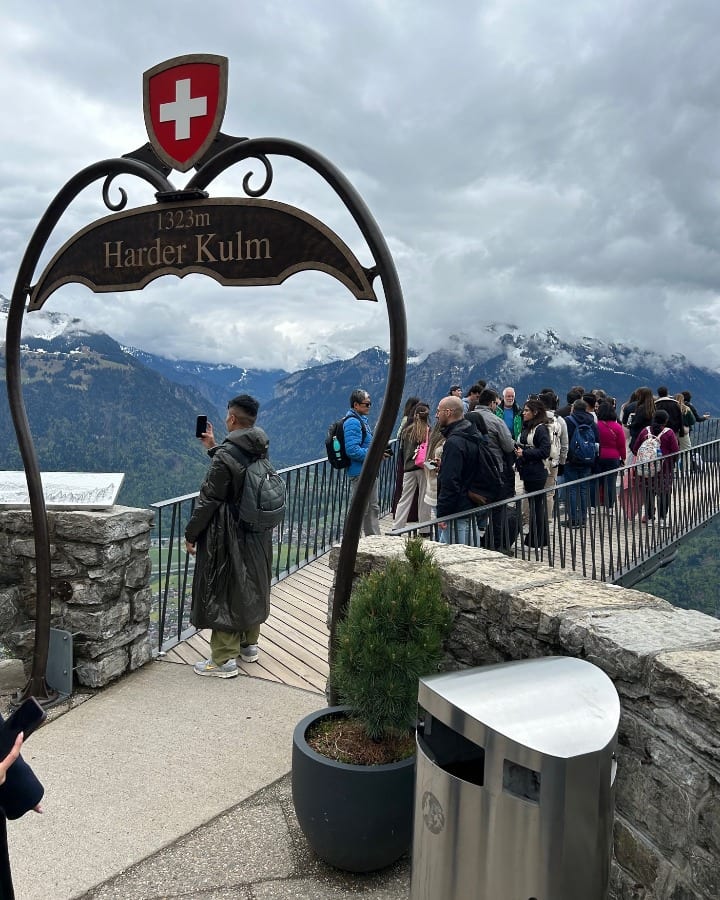
If you’re planning to stay dry then take a fitness hike up the short but steep Harder mountain. There’s a funicular railway that can easily get you to the peak in 10 minutes, but where’s the fun in that? Going by foot won’t take long but it’s nevertheless demanding and rewarding, paying your effort and patience with a panoramic view of the big three mountains—Eiger, Mönch and Jungfrau, as well as delicious fondue and ice cold beer at Panorama, a restaurant with a viewing platform.
Go to the snow
Located in a UNESCO World Heritage Site, Jungfraujoch is a saddle over two major mountains of the Bernese Alps: Jungfrau and Mönch. With an elevation of 3,463 meters above sea level, you certainly will get to see, touch and feel snow anytime of the year. On the summit, you can marvel frozen sculptures in the Ice Palace, eat in an array of restaurants that offer glacial views, and stand in a 1C environment at the observation decks called Sphinx and Plateau.
Viewing deck on top of the Harder Mountain
There are a number of ways to get to the top, but the fastest option is via the Eiger Express’s tricable gondola. And you can arrive to Jungfrau in style by availing of the VIP service, which entitles guests access in the premium lounge (it is equipped with snacks, a bevy of beverages and a toilet) while waiting for your private ride; and your own cable car, which is carpeted, armed with swivel seats, and a bottle of chilled champagne.
Learn something new
The alphorn is an instrument, consisting of a several-meter-long wooden natural horn of conical bore and a wooden cup-shaped mouthpiece, that was once used by the Swiss shepherds to communicate to each other. With the passing of time, it was forgotten. But the romanticism of the 19th century and the revival of folklore helped resuscitate this national symbol.
Writer learns how to play the alphorn
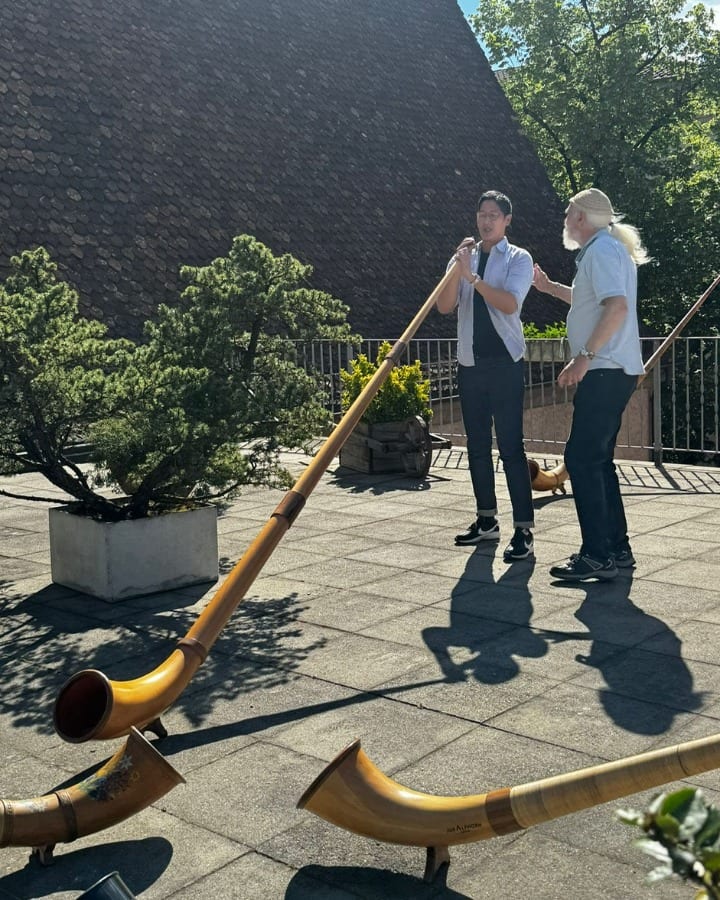
In the alpine town of Chur, Switzerland's oldest city with an over 5,000-year-long history of settlement, bearded Werner Erb, a social worker-slash-master of the instrument, teaches interested individuals how to play the alphorn as well as conducts performances all over the country.
Working on a mechanical watch
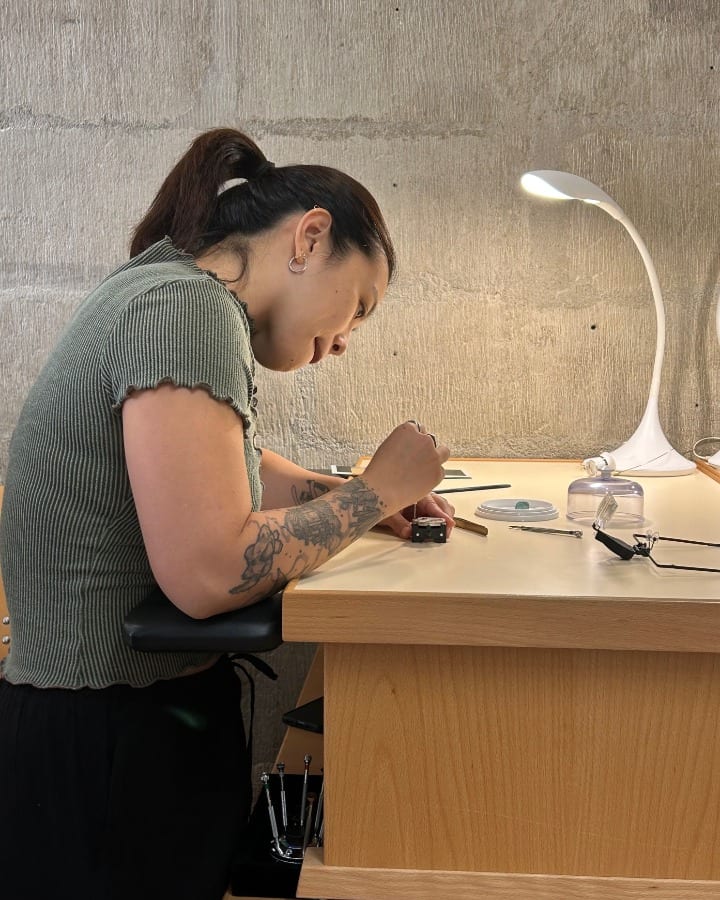
In Geneva, you can make your very own customized timepiece in just half a day. With the help of the craftsmen of Initium, you can either take a 3-hour course that leads you into the world of watchmaking as well as dismantling and reassembling a mechanical watch. Or spend a couple of hours putting together your own Furlan Marri.
Soak in the culture
Lausanne houses the official museum of the International Olympic Committee. Specifically found in the district of Ouchy, the three-floor structure extensively celebrates the history, athletes and spirit of the world's foremost sporting competition. The tour will introduce guests to Pierre de Coubertin who is responsible for conceiving the Olympic Games as an international event, an assortment of medals and torches used over the years, and an impressive collection of photos and videos featuring milestone moments in sports and artifacts from athletes such as Rafael Nadal’s shoes and Roger Federer’s tennis racket.
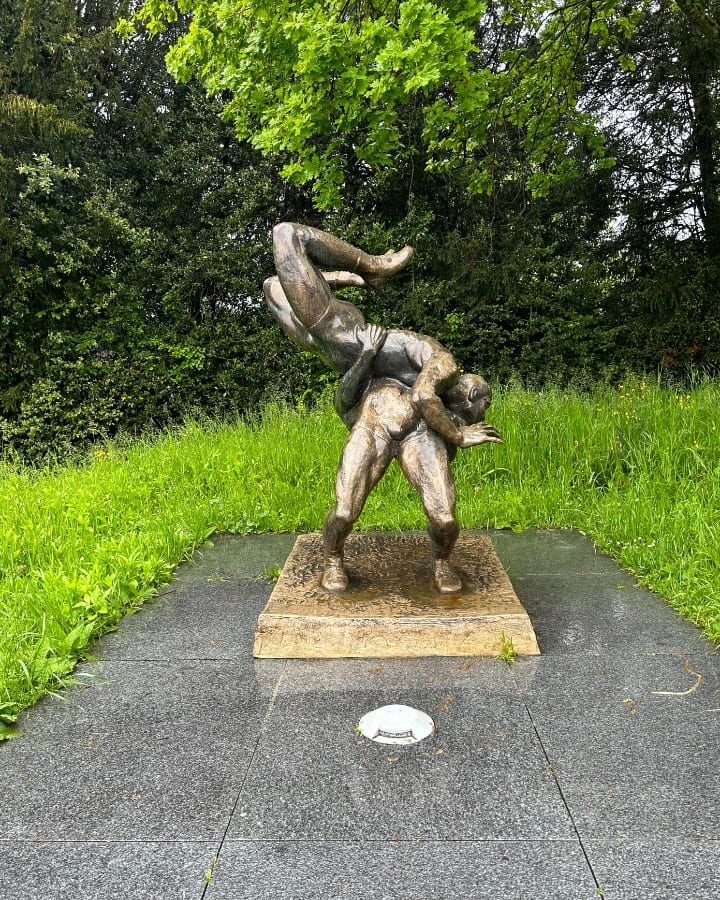
Some items at the Olympic museum

One of the statues that greet guests upon entry to the Olympic Museum compound
Zurich, on the other hand, has the impressive Kunsthaus, which keeps one of the most important art collections in Switzerland, spanning the Middle Ages to contemporary art. Spread out over three buildings, the masterpieces not only come from Swiss artists such as Johann Heinrich Füssli and Ferdinand Hodler, but also from celebrated masters like Pablo Picasso, Vincent van Gogh, Édouard Manet, and Henri Matisse.
Self-portrait of Vincent Van Gogh in the Kunsthaus Museum
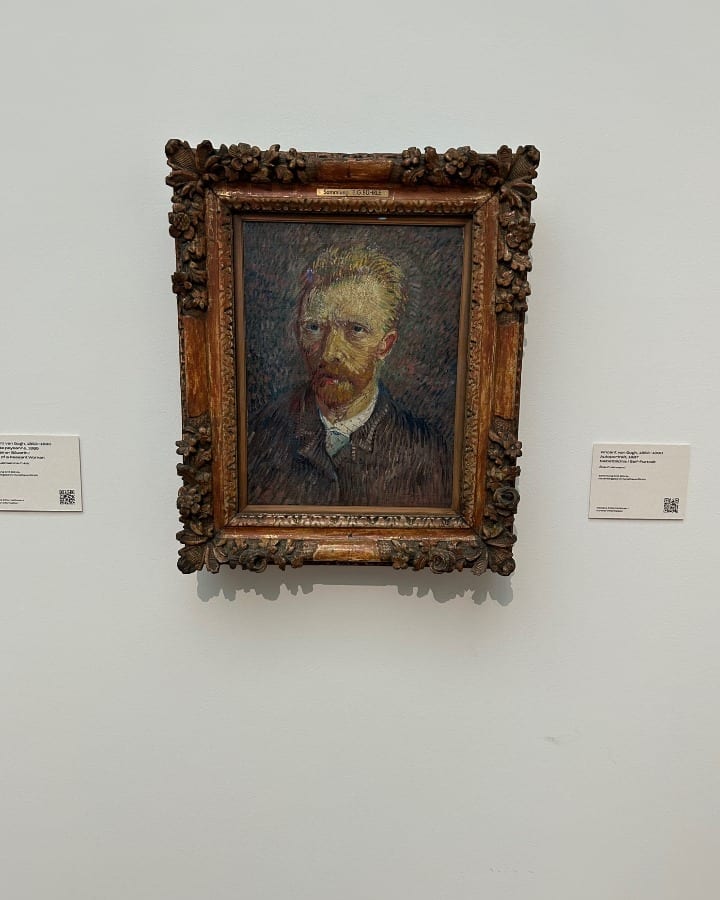
It currently houses the controversial Emil Bührle Collection, which includes numerous works of great art-historical value such as Claude Monet’s enormous water lily painting. It’s disputed because of the manner in which the works were acquired, considering that Bührle is an arms manufacturer and dealer.
So what is there to do in Switzerland?
A lot.
Writer in the Golden Pass Express Train
Special thanks to Batiste Pilet and Nazrul Jumahat of Switzerland Tourism, and Gia Remulla and Imen Basrai of Heavens Portfolio. Follow the author @fooddudeph in Instagram.
