
Filipino Women Experienced a Significantly Higher Level of Pandemic Stress Than Men, But Why?

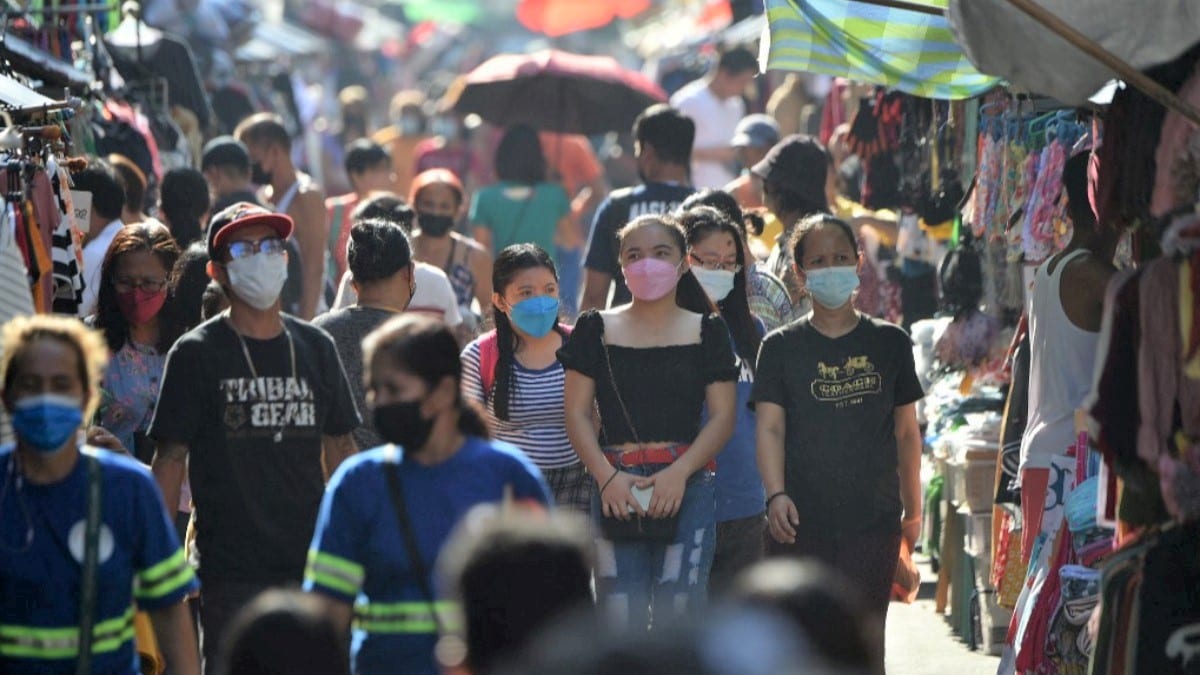
The COVID-19 pandemic is no longer considered a global health emergency, according to the World Health Organization, but the psychological impacts it had on us in those three long years cannot simply be erased overnight.
The COVID-19 pandemic hit hard across the globe, and for Filipinos, it seems to have been worse for women—as results of an international study by the International Journal of Environmental Research and Public Health show. The study compared the stress responses of Filipino men and women during the pandemic. It found that compared to men, women experienced significantly higher levels of stress, anxiety, and depression at the early start of the pandemic from March 28 to April 12. We can only imagine how much worse it got at the peak of the lockdowns.
According to the study, women younger than 35 experienced the most depression. Men who lived alone came in second.
Prior research has repeatedly shown that Filipino women were more negatively impacted by the COVID-19 pandemic than men (like a local SWS survey taken at that time), but few to none explain the social, economic, or demographic factors that contribute to this outcome. Now we know why.
Also read: It's a Pandemic of Sadness Too, Here's Why (And Where to Get Help)
Study shows why Filipino women were more stressed out during the pandemic
The burden of responsibility is to blame for this increased pandemic stress, most especially for women who are daughters, wives, homemarkers, caretakers, and breadwinners all at once.
According to the study, women in the Philippines bear multiple responsibilities, from chores to childcare to caring for older family members. Stuck at home, they are expected to manage almost everything in the household while still fulfilling their professional roles.
The study cited a UN Women report that revealed a 60% drop in women's income during the initial month of the pandemic. It also cited McKinsey & Company's findings that women face more severe economic consequences due to existing inequalities, being nearly twice as likely to lose work compared to men.
It doesn’t help that women comprise most of the workforce in industries that the pandemic happened to hit the hardest like hospitality, tourism, and restaurants.
For the other sex, negative impacts of the pandemic were most felt among men who suffered from social isolation.
“We found that household size is the main determinant of depression in men and that unmarried men were more likely to feel the impacts of the pandemic than men who were married,” the study read. “This implies that marriage is a protective factor for men, but may be a risk factor for women.”
Also read: When Your Boss Asks You to Return to the Office, How Do You Deal With Anxiety?
From: Spot
