
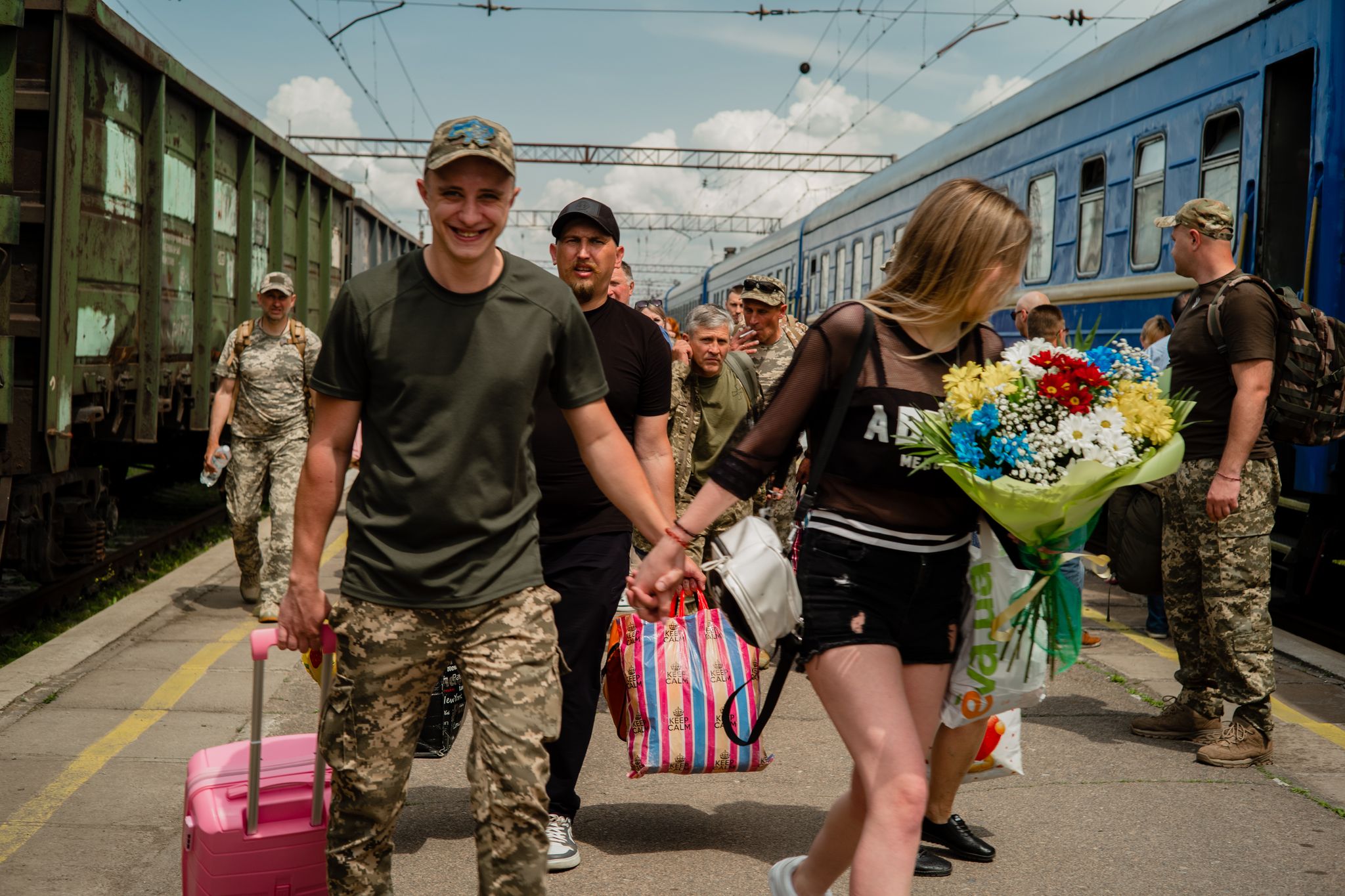
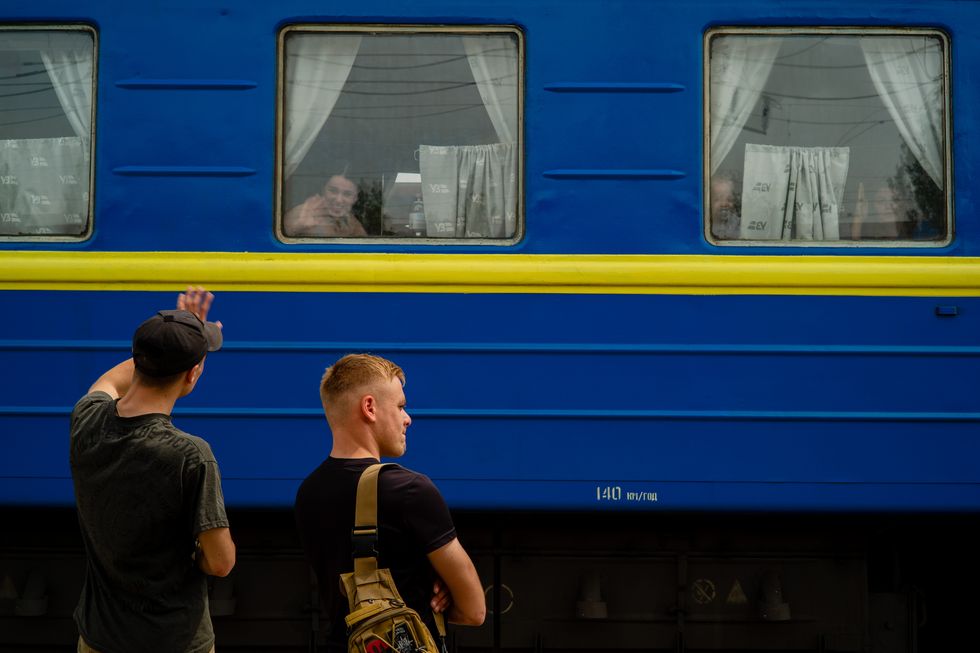
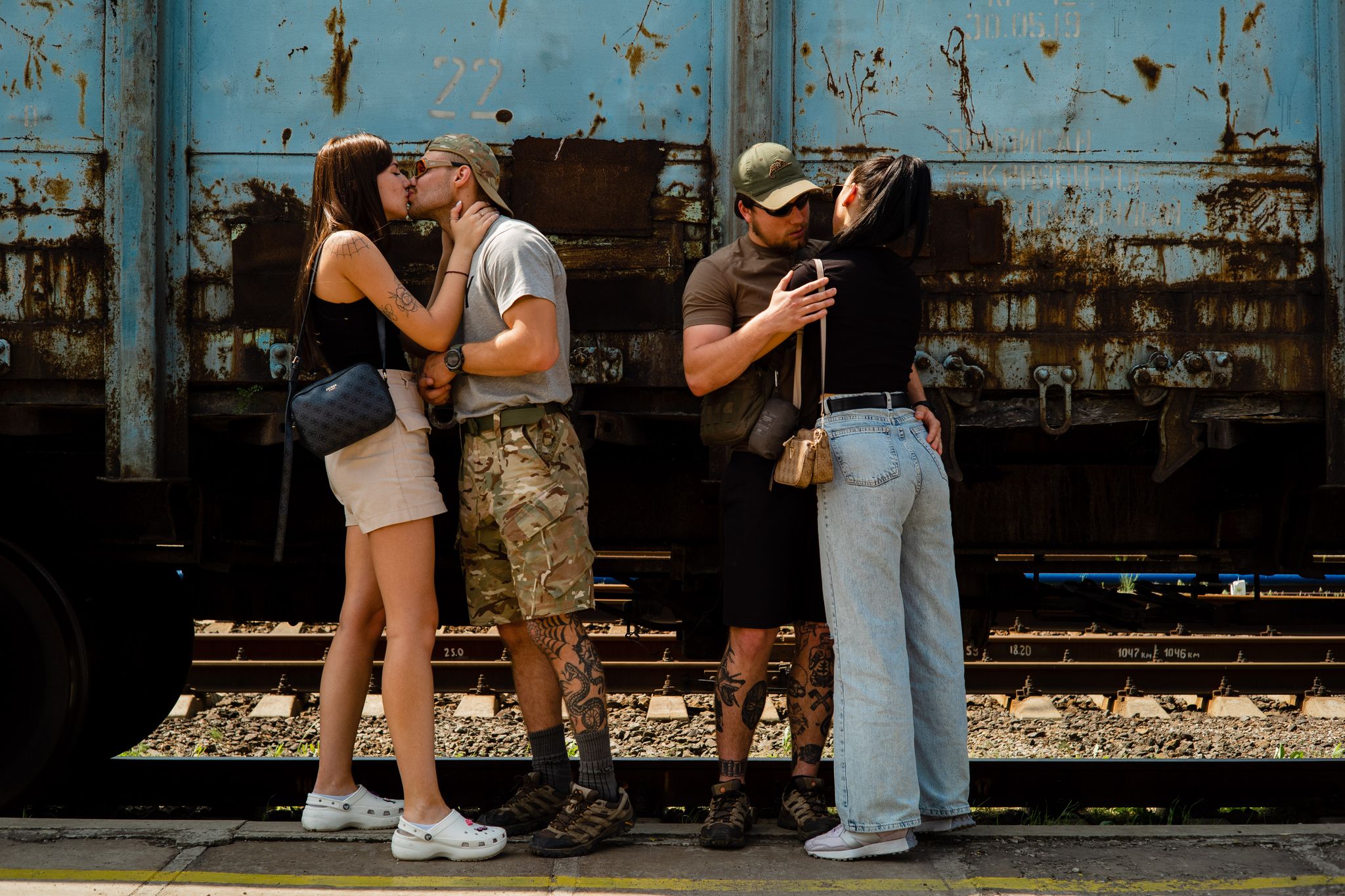
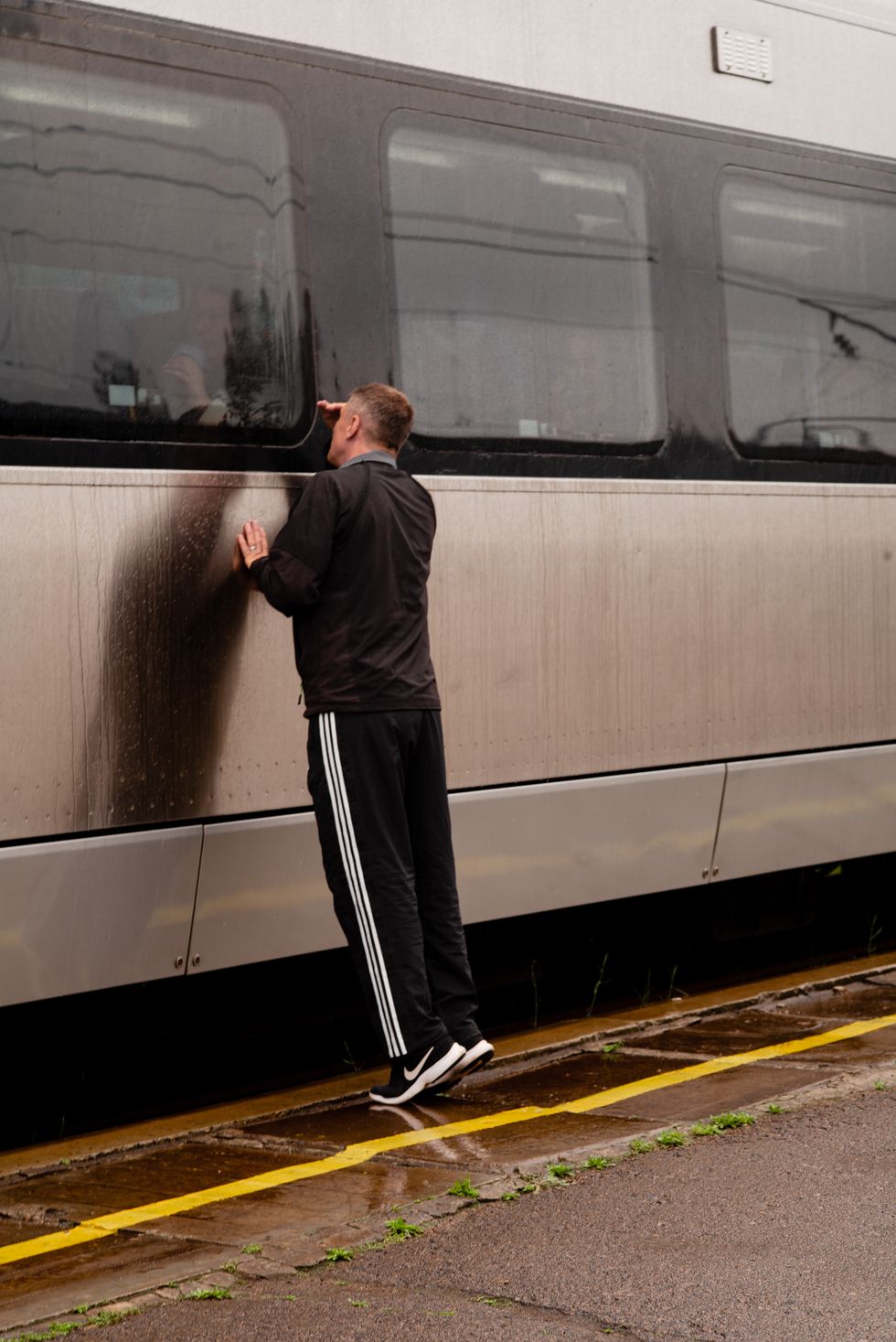
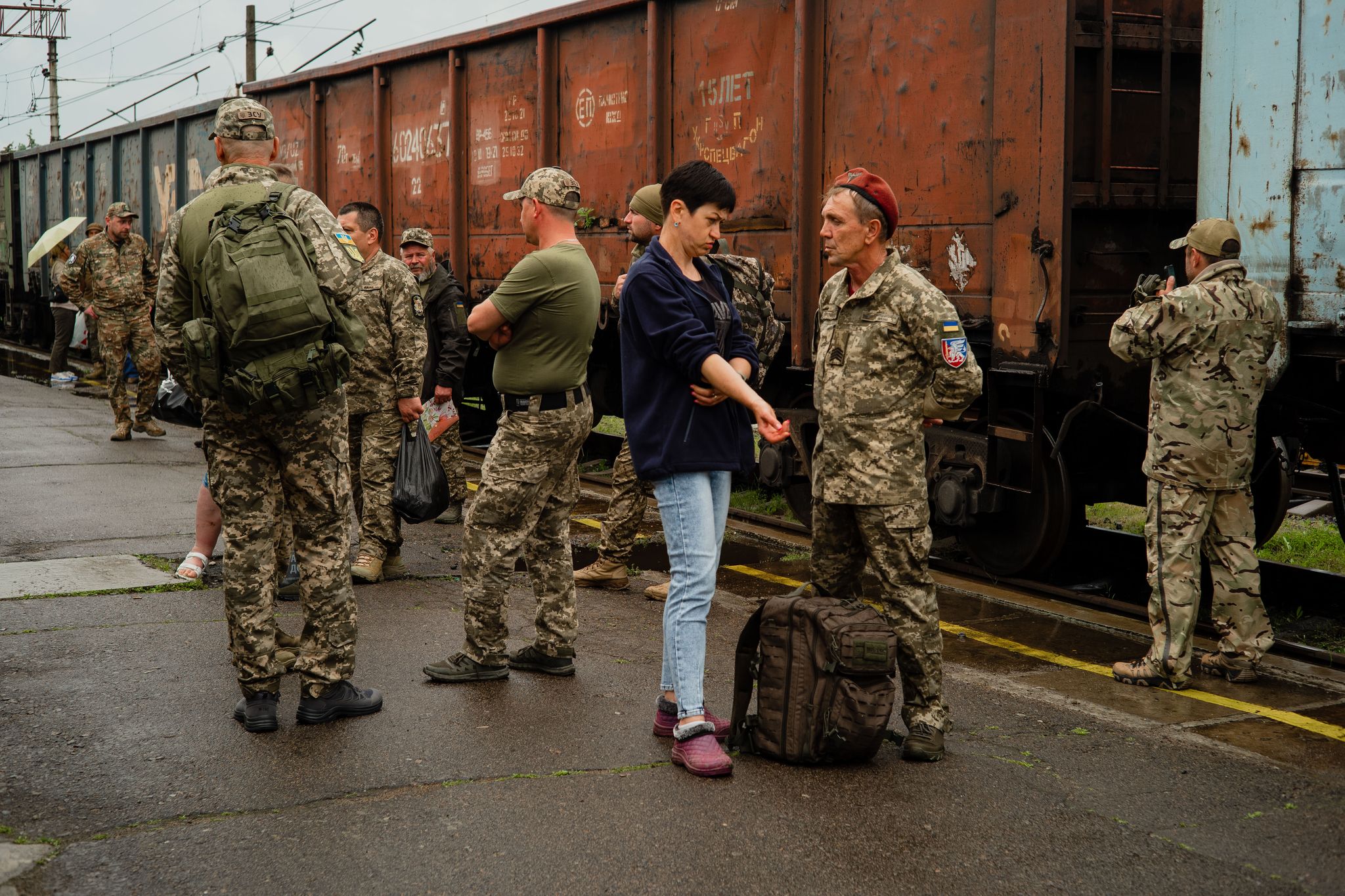
Above: 1 of 21: Awaiting a train departure in Kramatorsk, the farthest stop east on this rail line open to civilians.
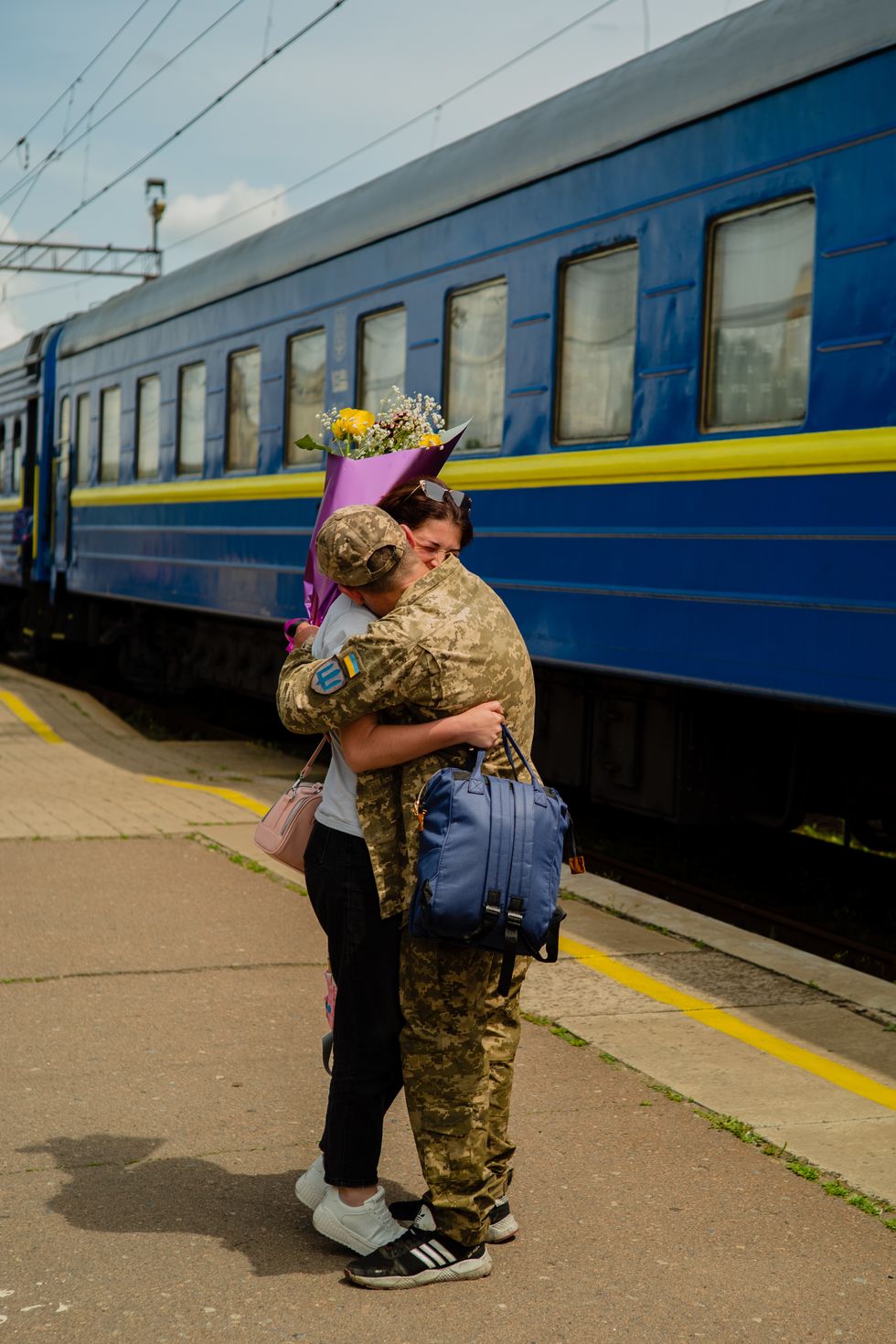
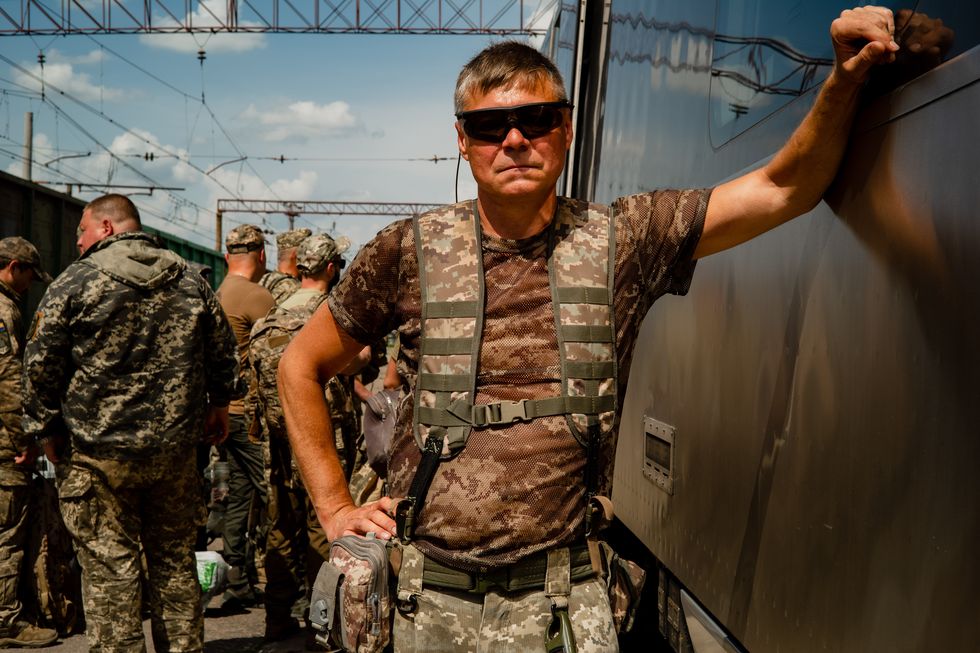
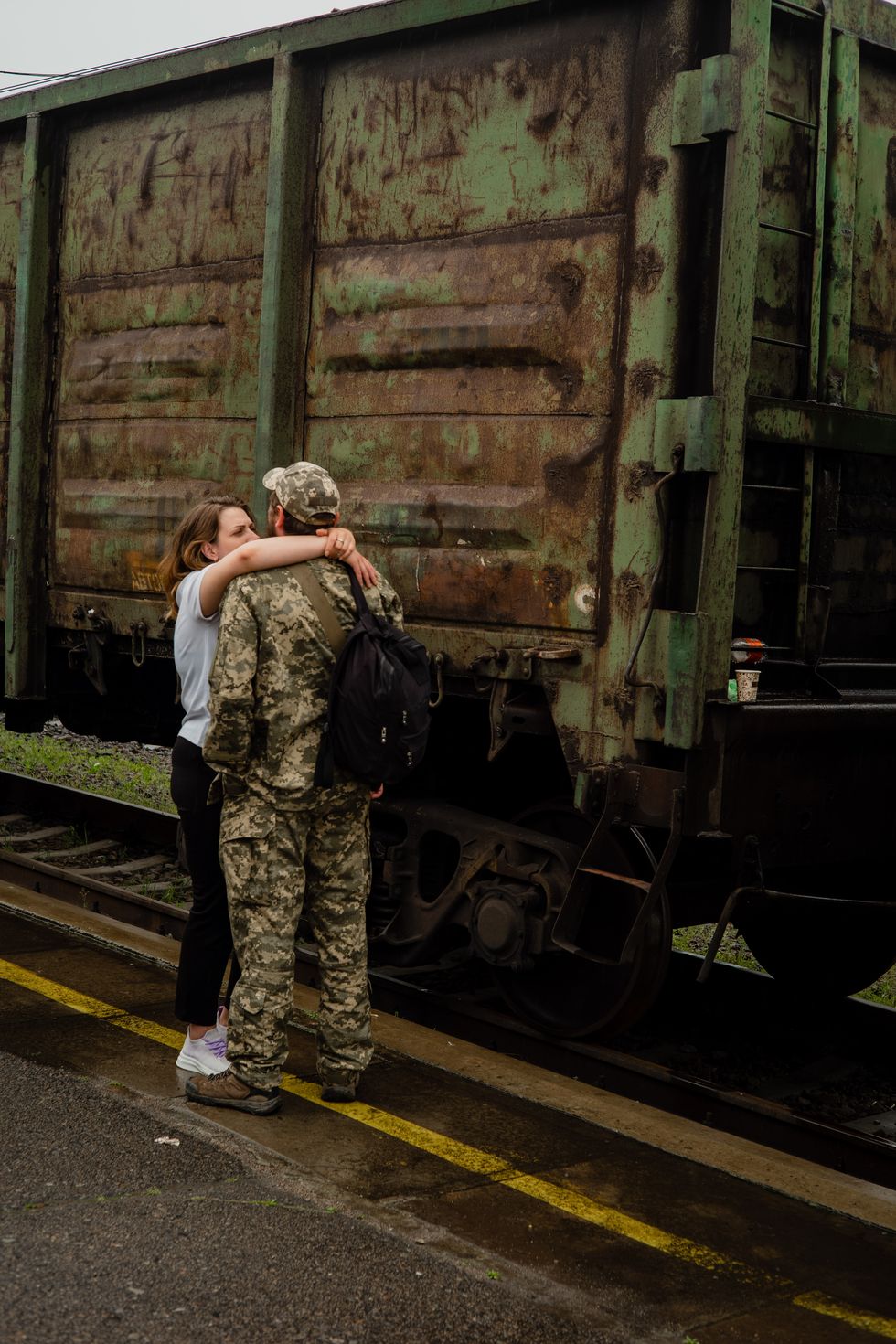
On the eastern front of Ukraine, Kramatorsk is where the rail line ends and the frontline begins. Though the troops’ forward line is twelve miles away, the city lies within range of enemy artillery, which Russian forces remind its citizens of daily. In April 2022, at the Kramataorsk rail station, Russia carried out one of its worst attacks on Ukrainian civilians, killing 60 and wounded over 120. Today, the station bears no sign of the tragedy that unfolded here just over a year ago; it has once more become a site of constant turnover, farewells, returns, reunions, feelings of hope and desperation.
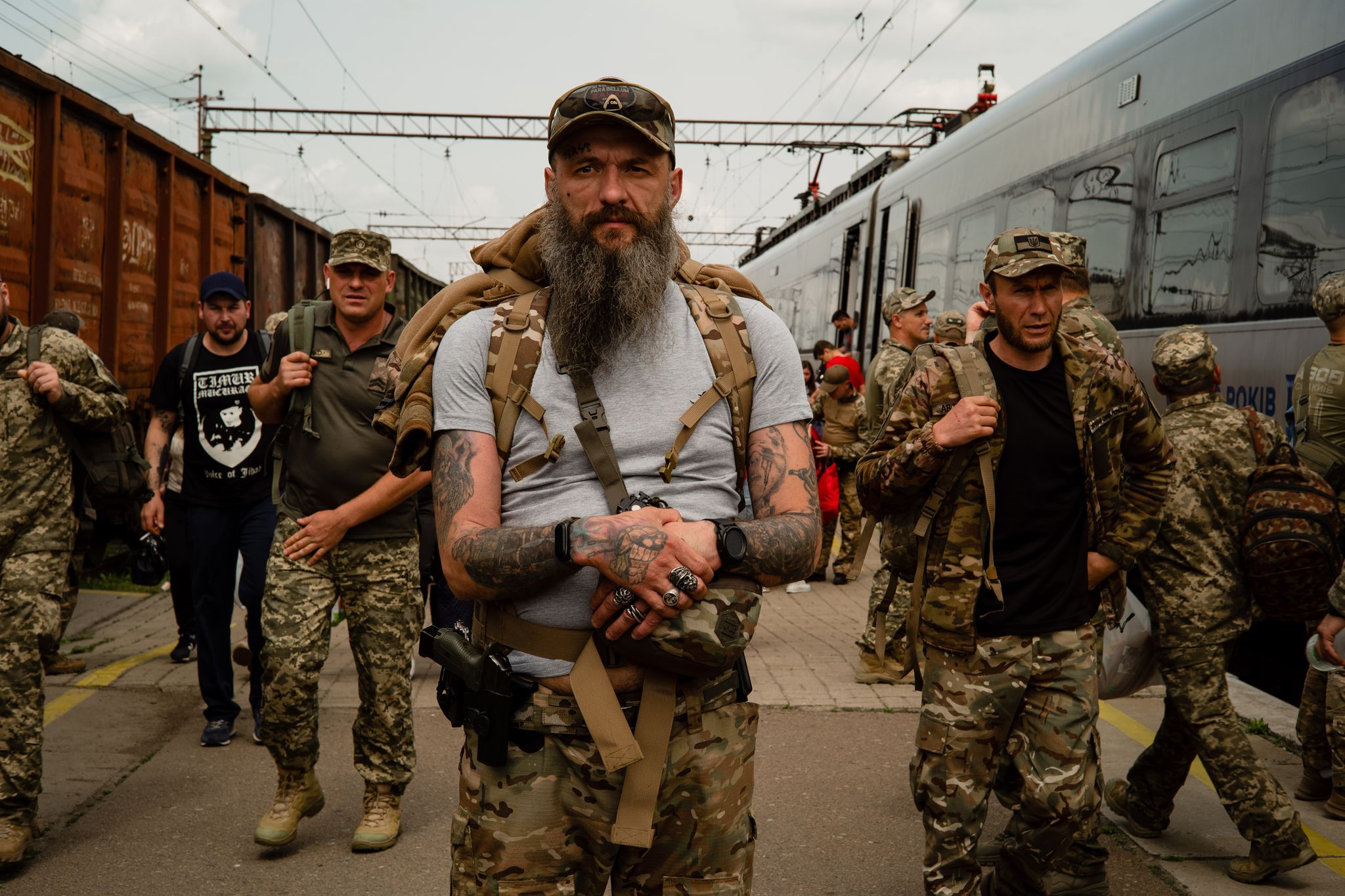
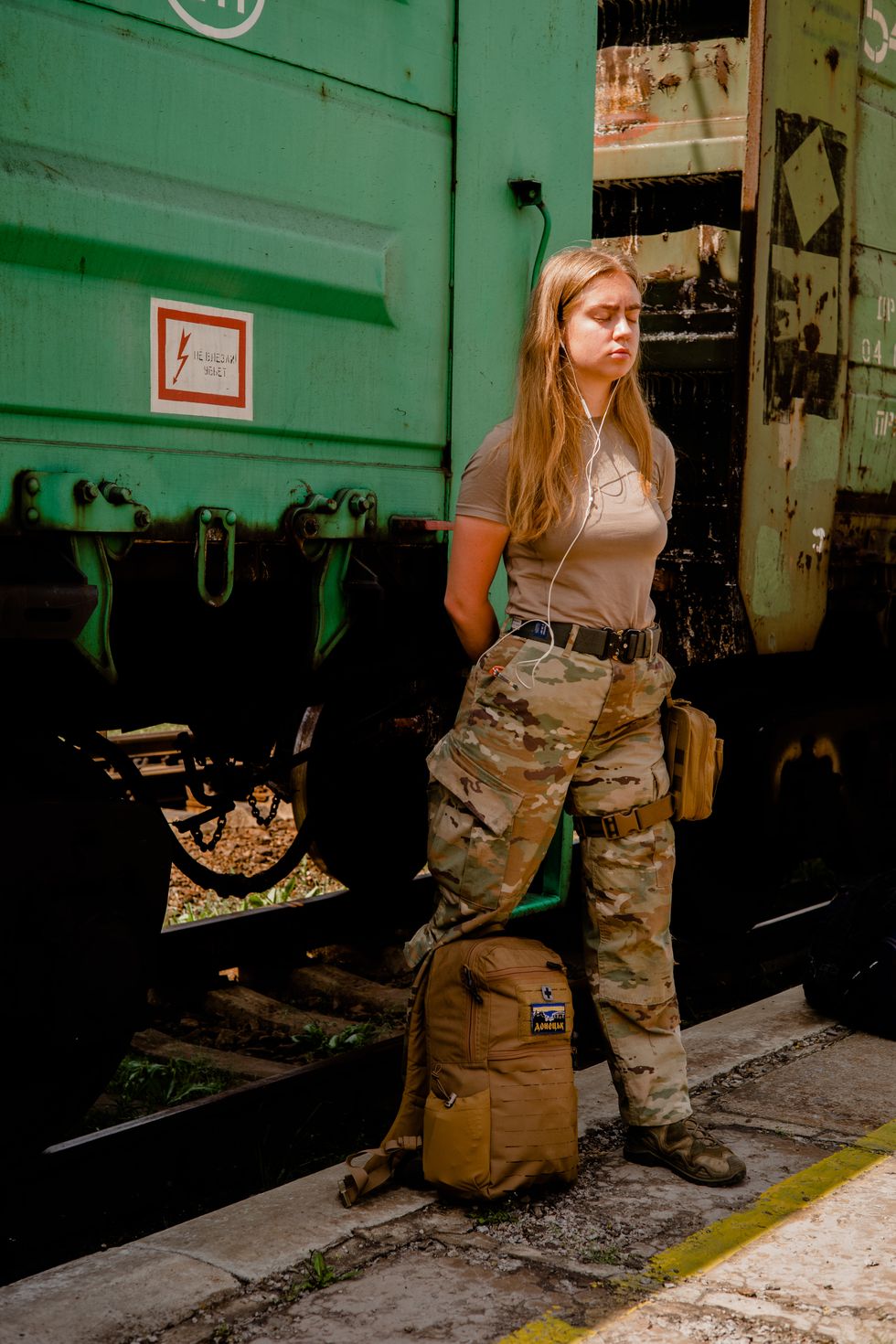
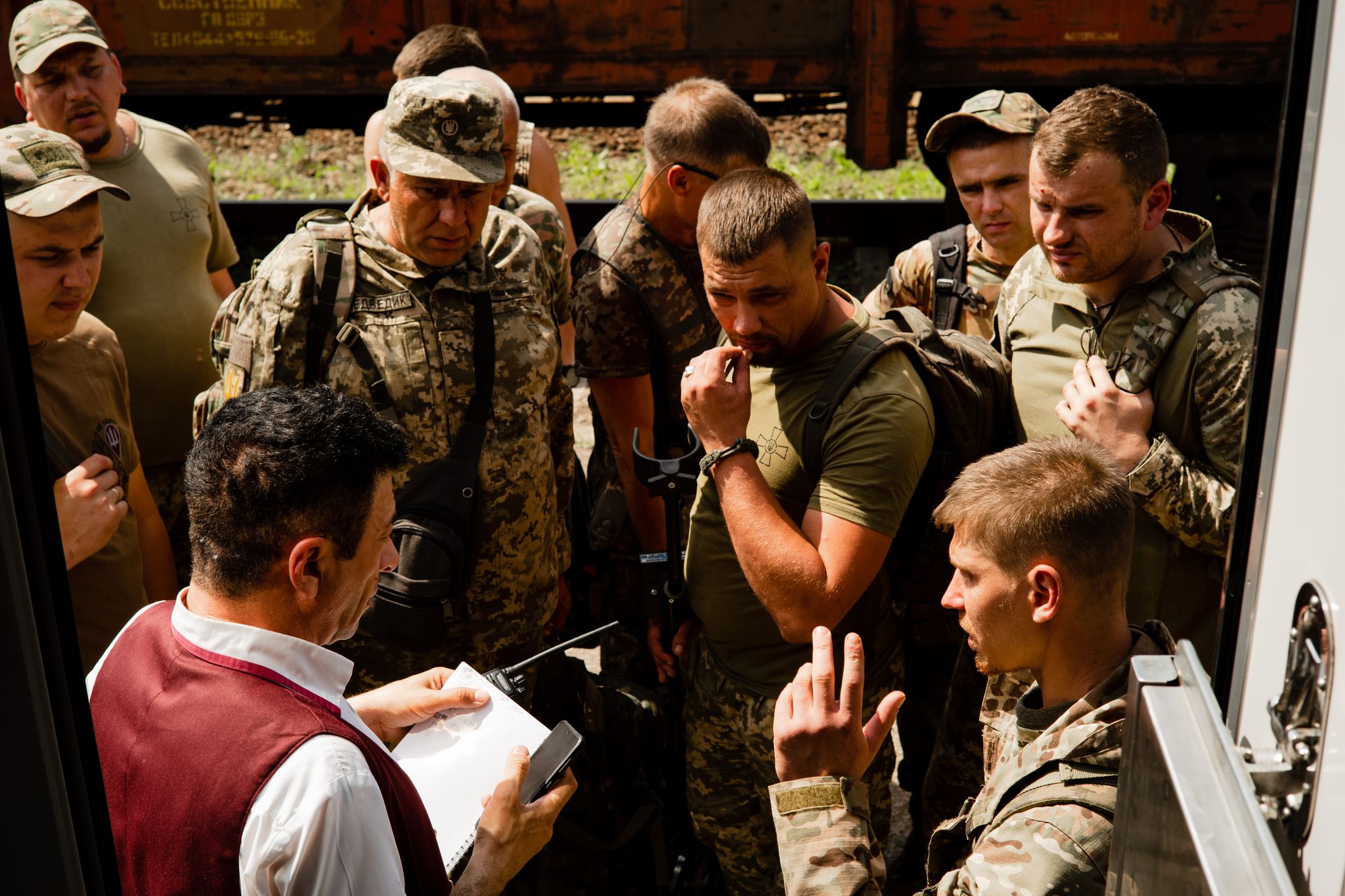
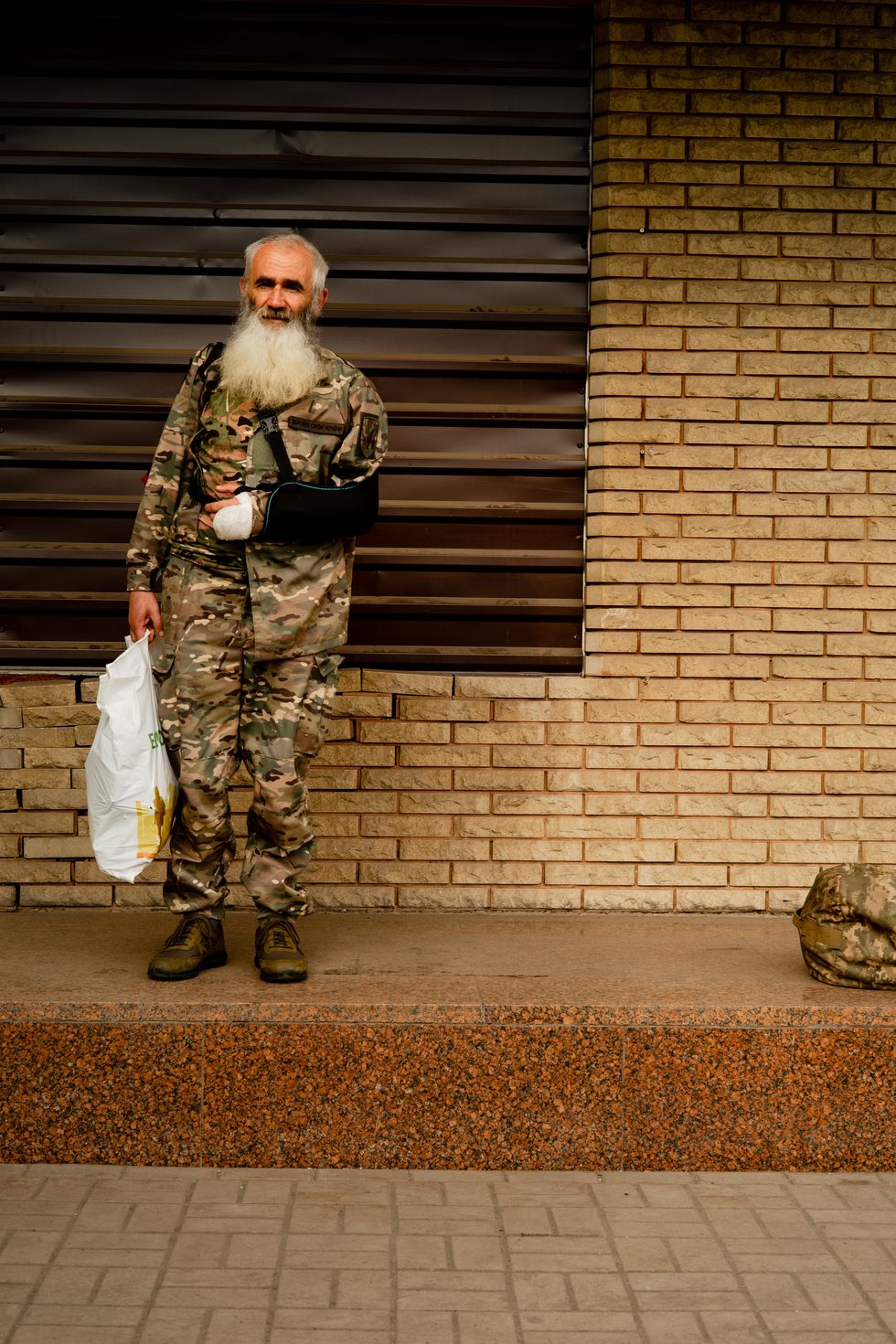
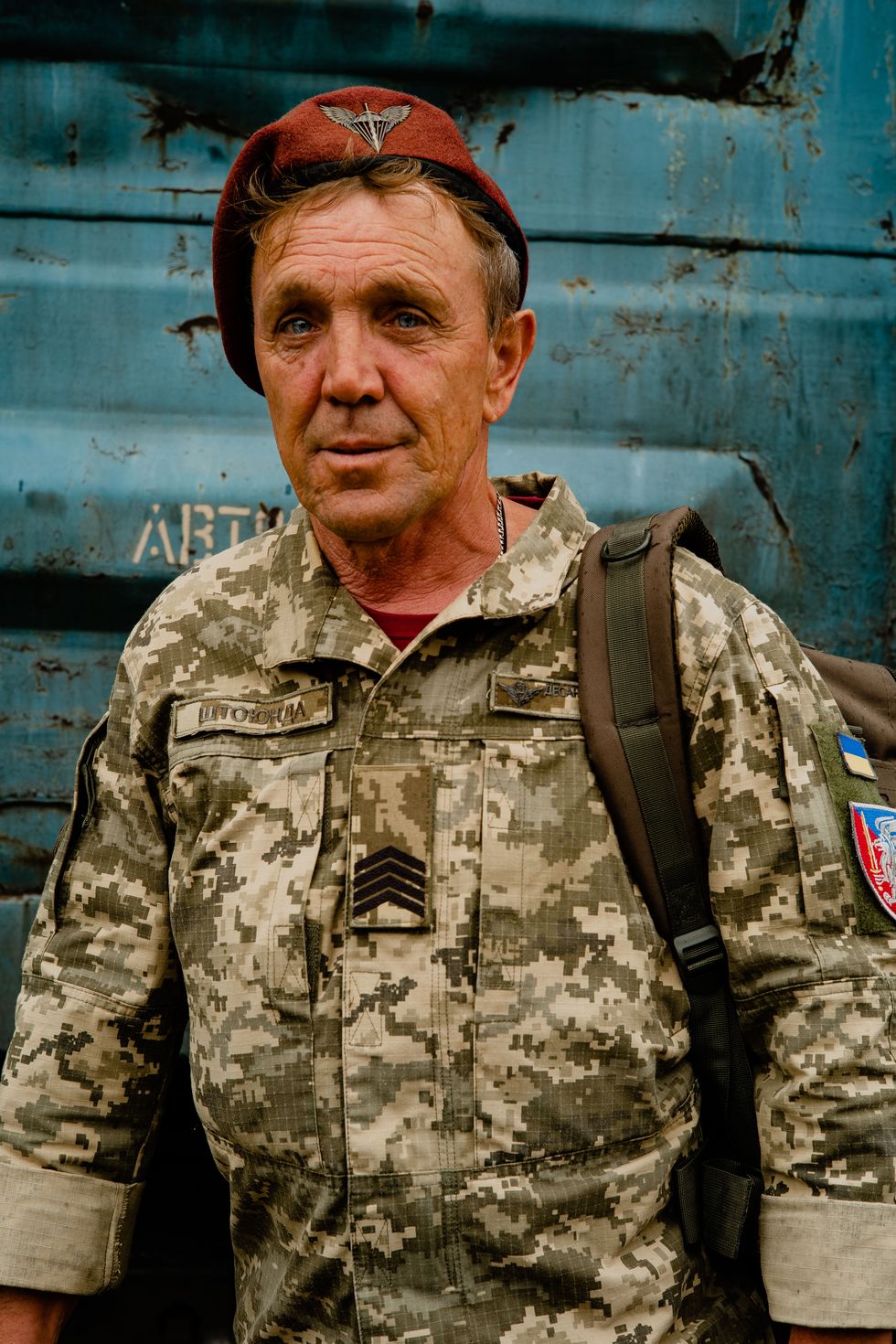
Soldiers of the Ukrainian Armed Forces (UAF) see loved ones off, await combat replacements, welcome home wounded comrades in recovery. Many soldiers waiting to depart from Kramatorsk for the west carry scars—crutches, eye patches, recently amputated hands—where they hope to receive better medical treatment.
For the soldiers returning from Bakhmut, which has seen the war's most bitter fighting, little more needs to be said than its name. Once home to a population of 71,000, the city has been decimated, the site of an estimated 100,000 casualties between Ukrainian and Russian forces, and is now in the hands of the invaders. Theirs, however, was a Pyrrhic victory; the battle over Bakhmut is ongoing and remains a struggle of strategic significance.
Additional reporting by Anya Korzun.
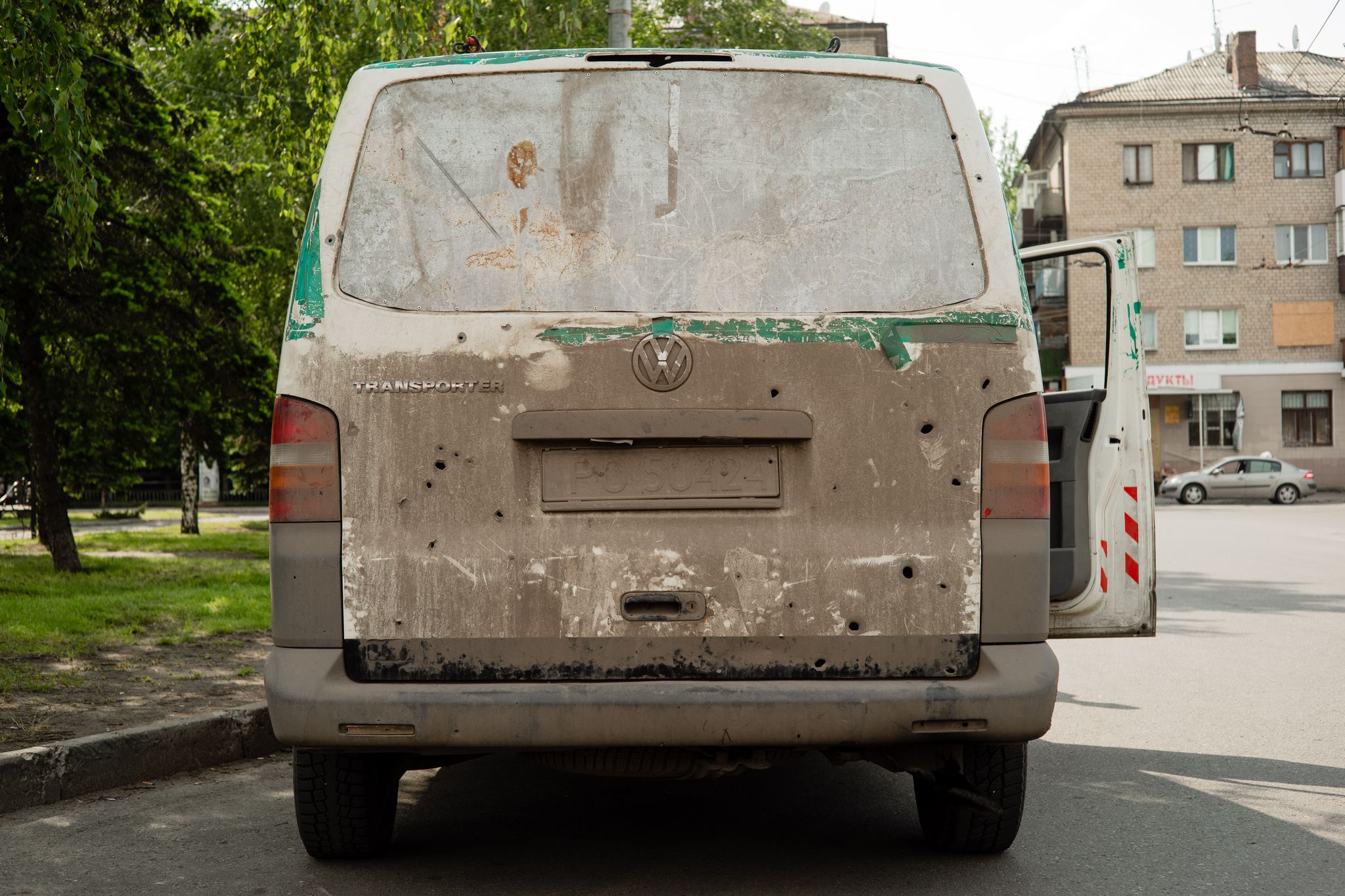
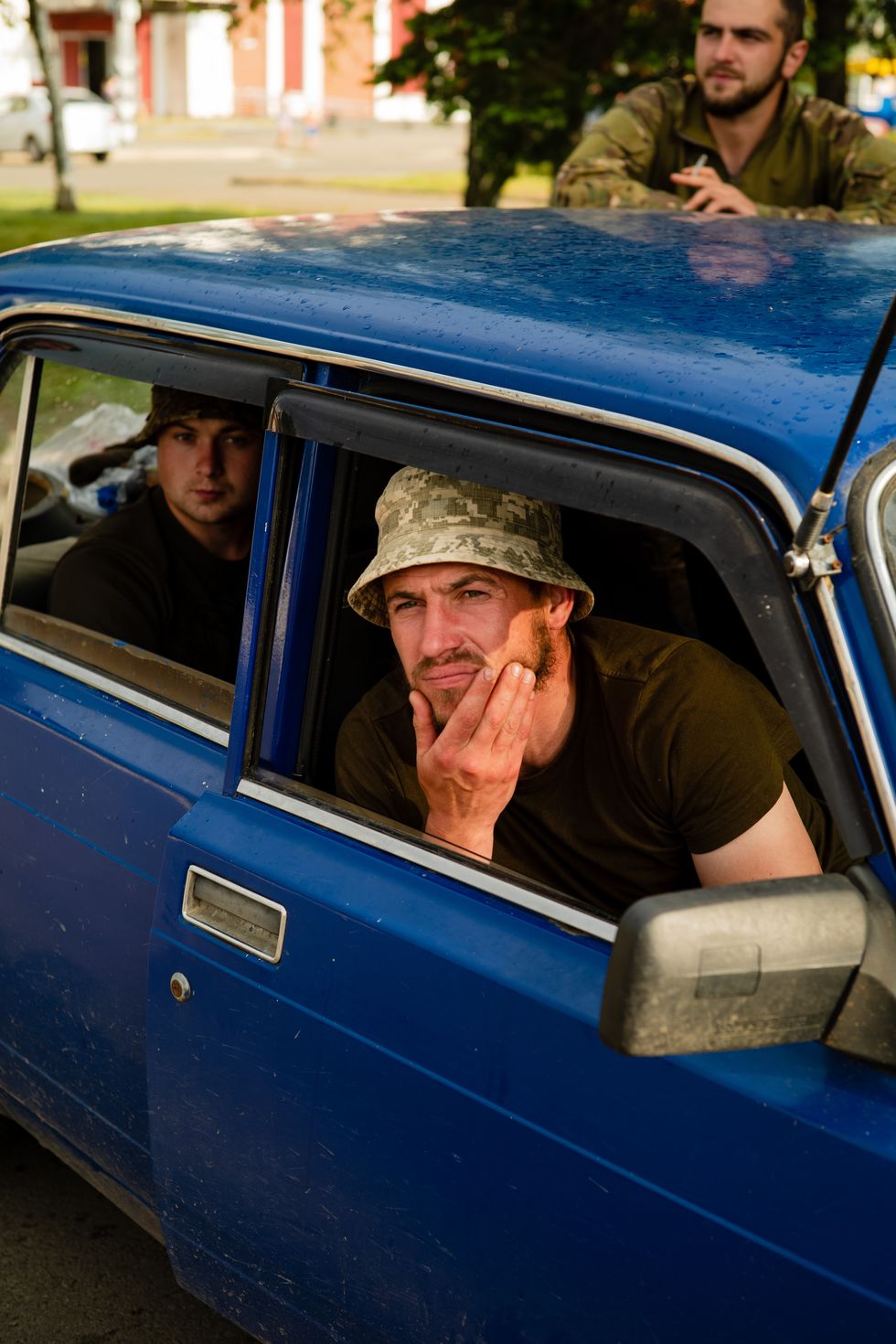
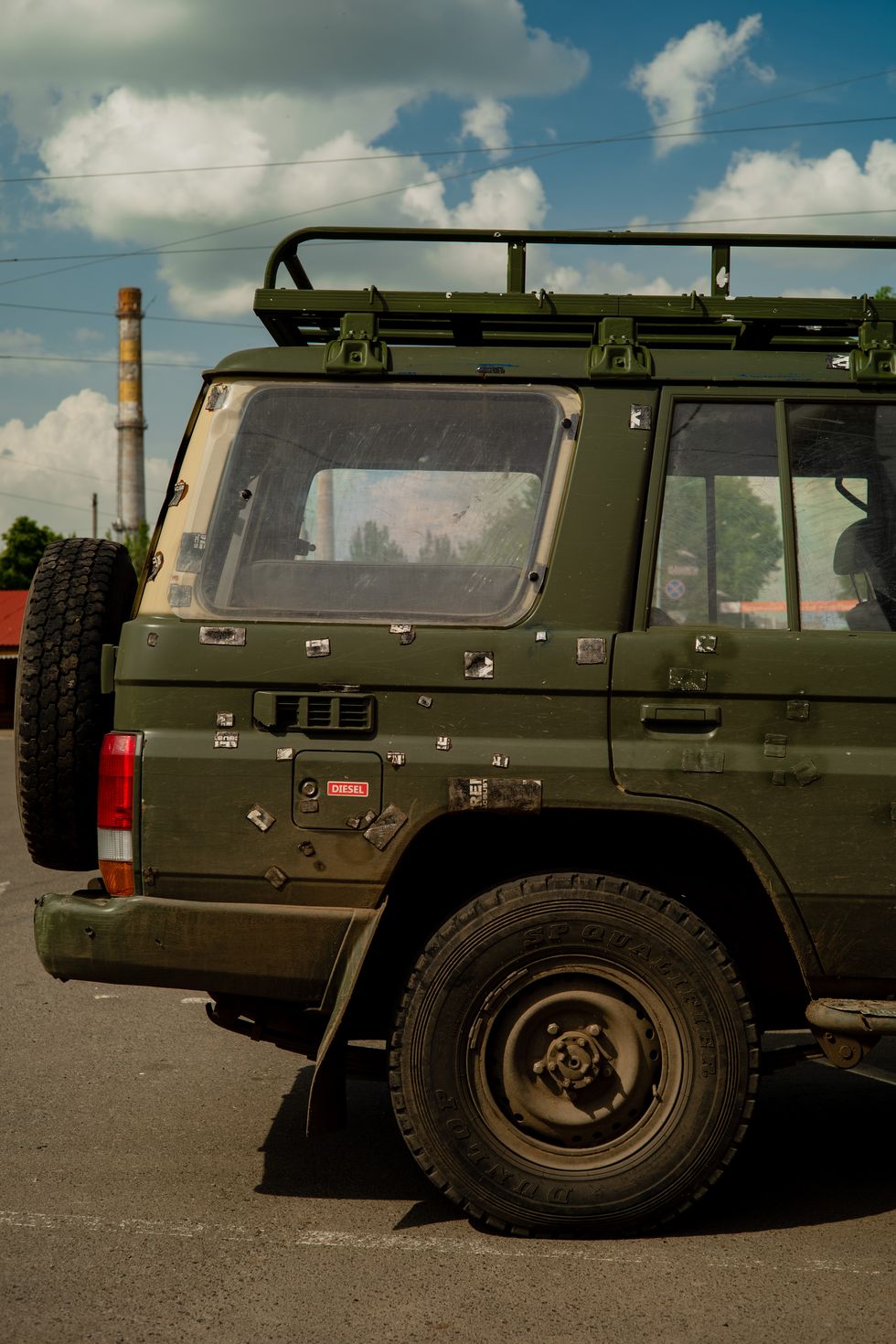
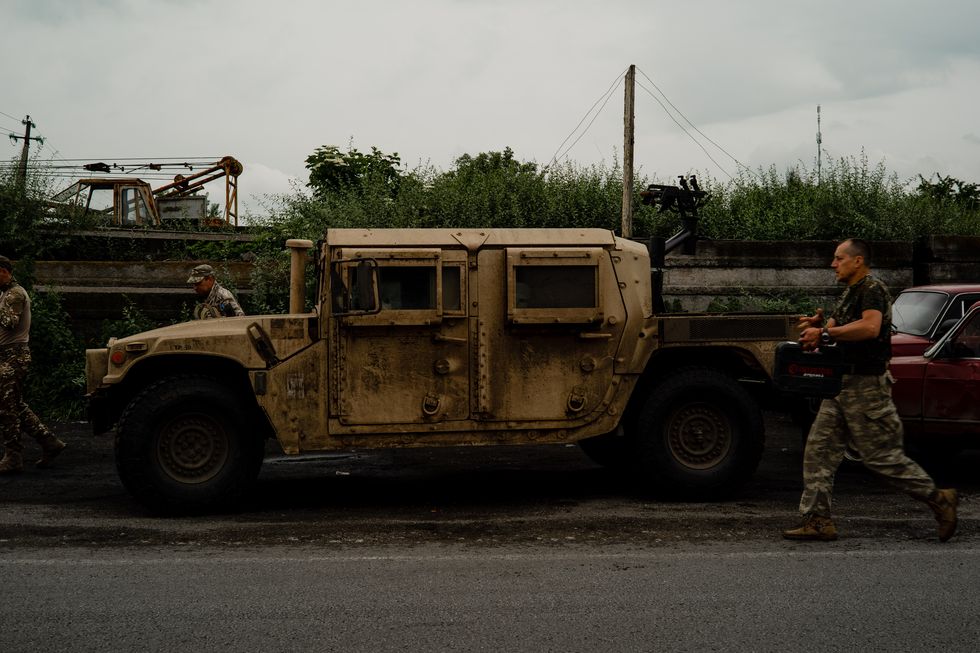
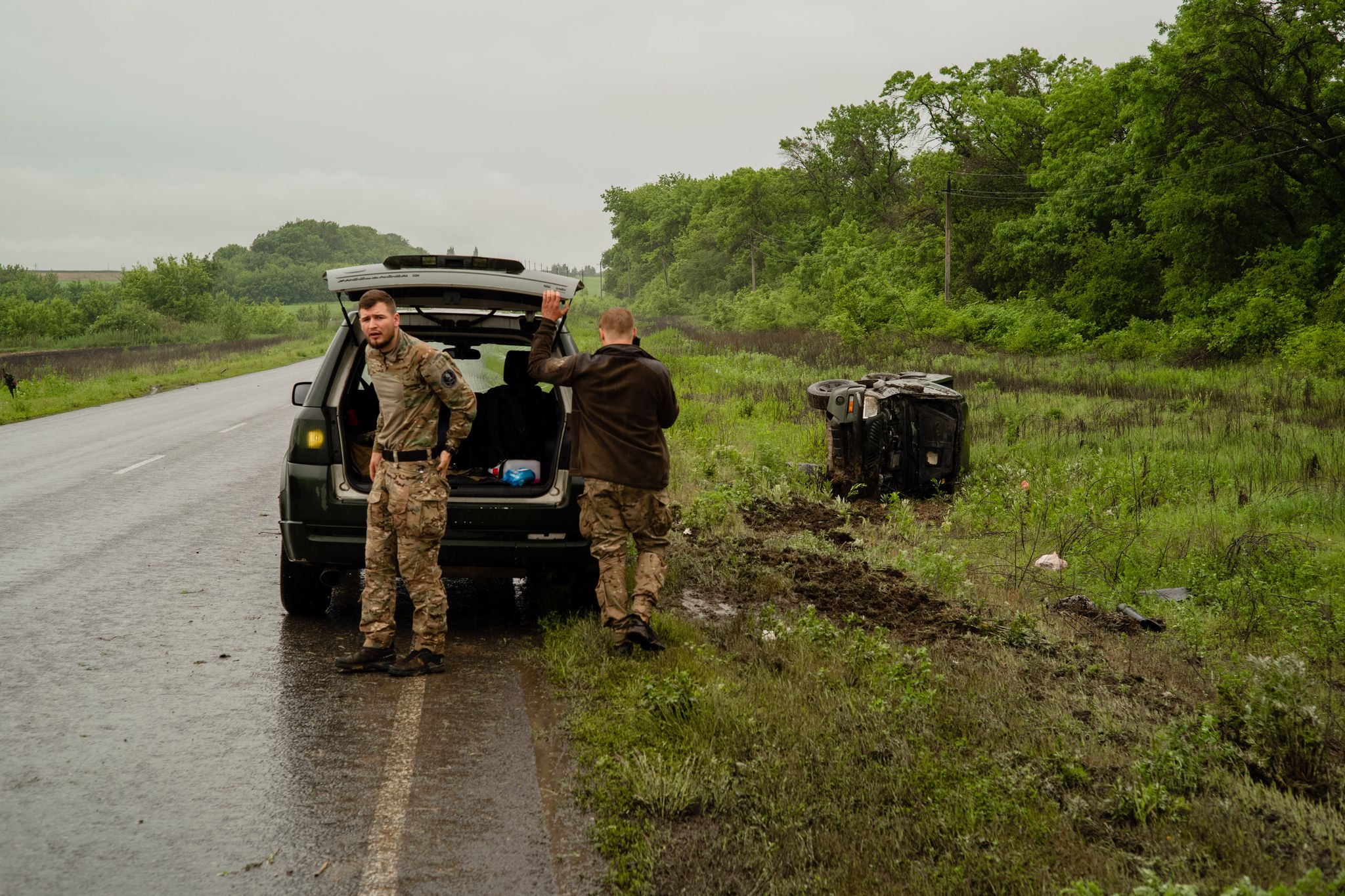
2 of 21: Most military vehicles picking up and dropping off soldiers at the station are in fact re-purposed civilian cars, now pockmarked with Russian artillery.

.jpg)
