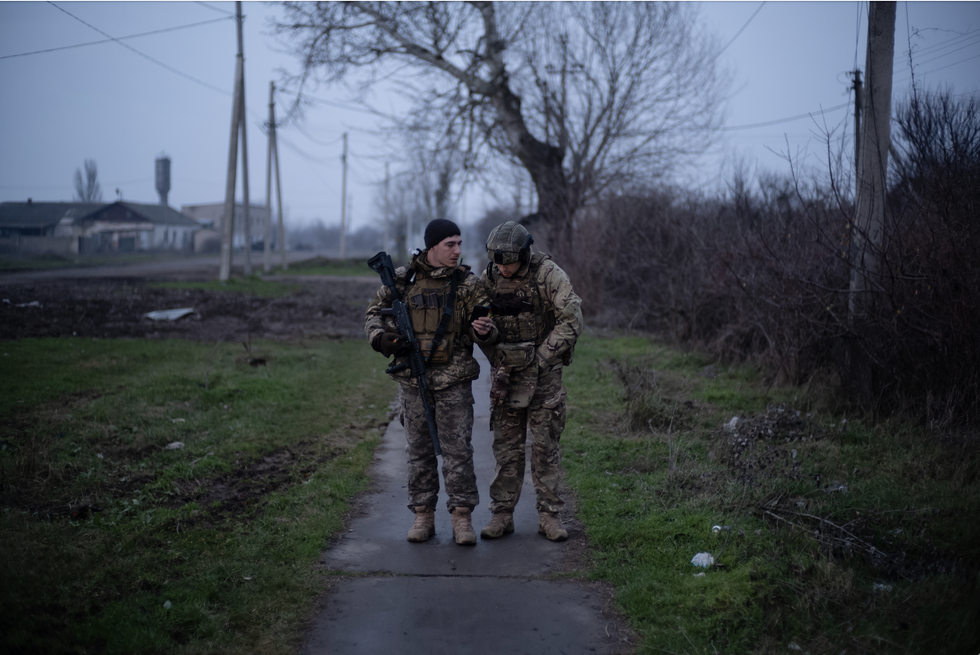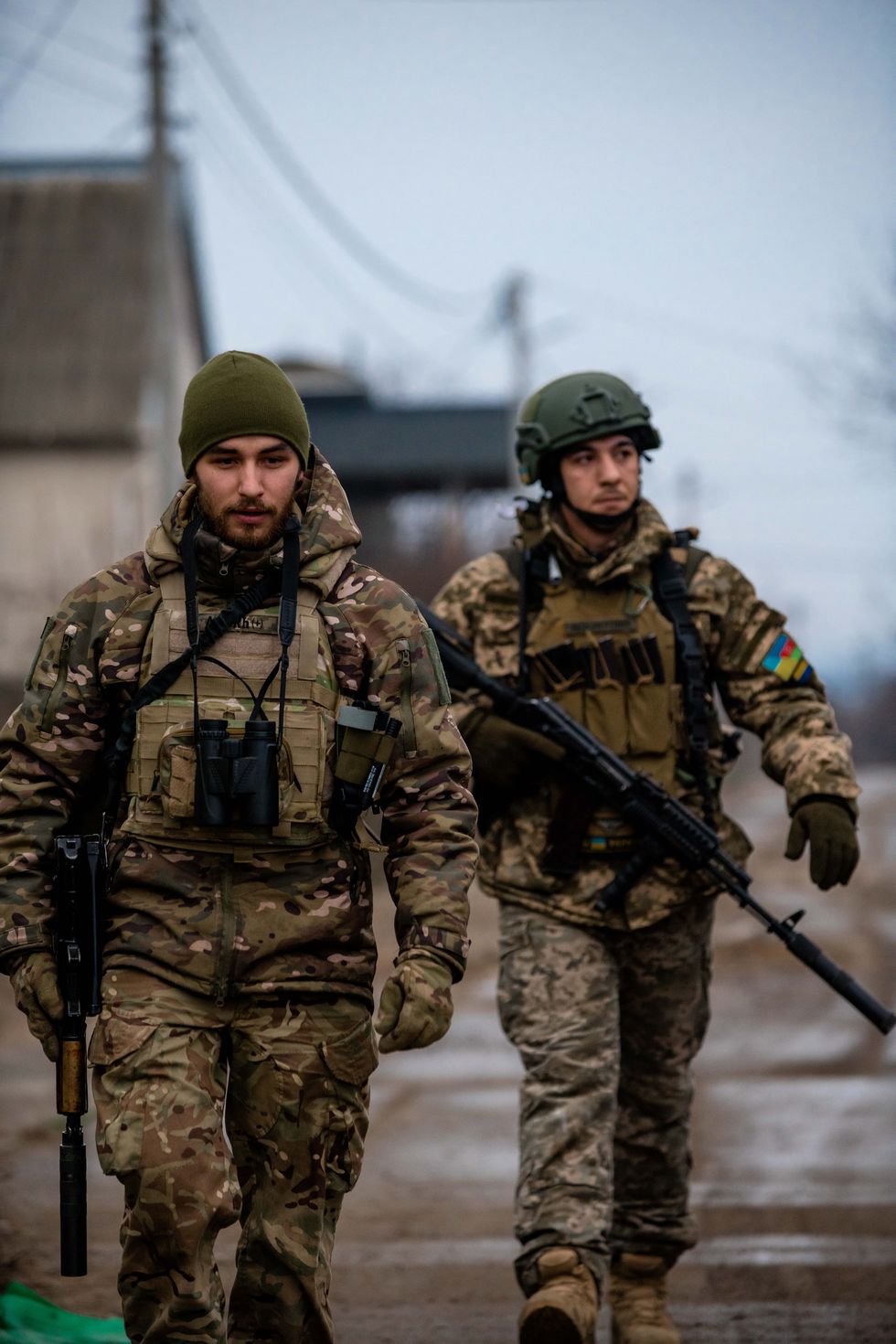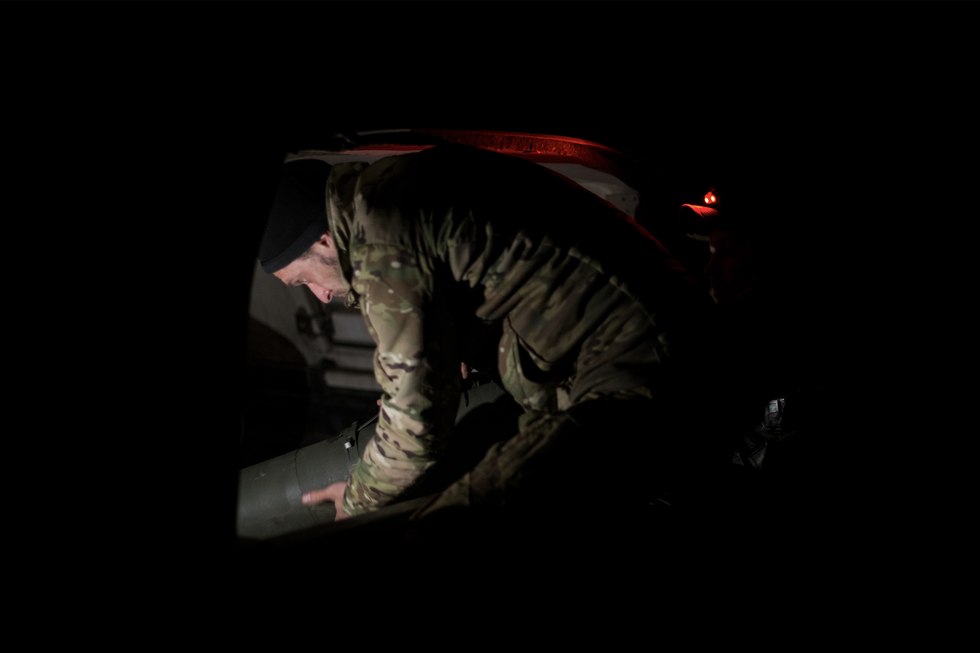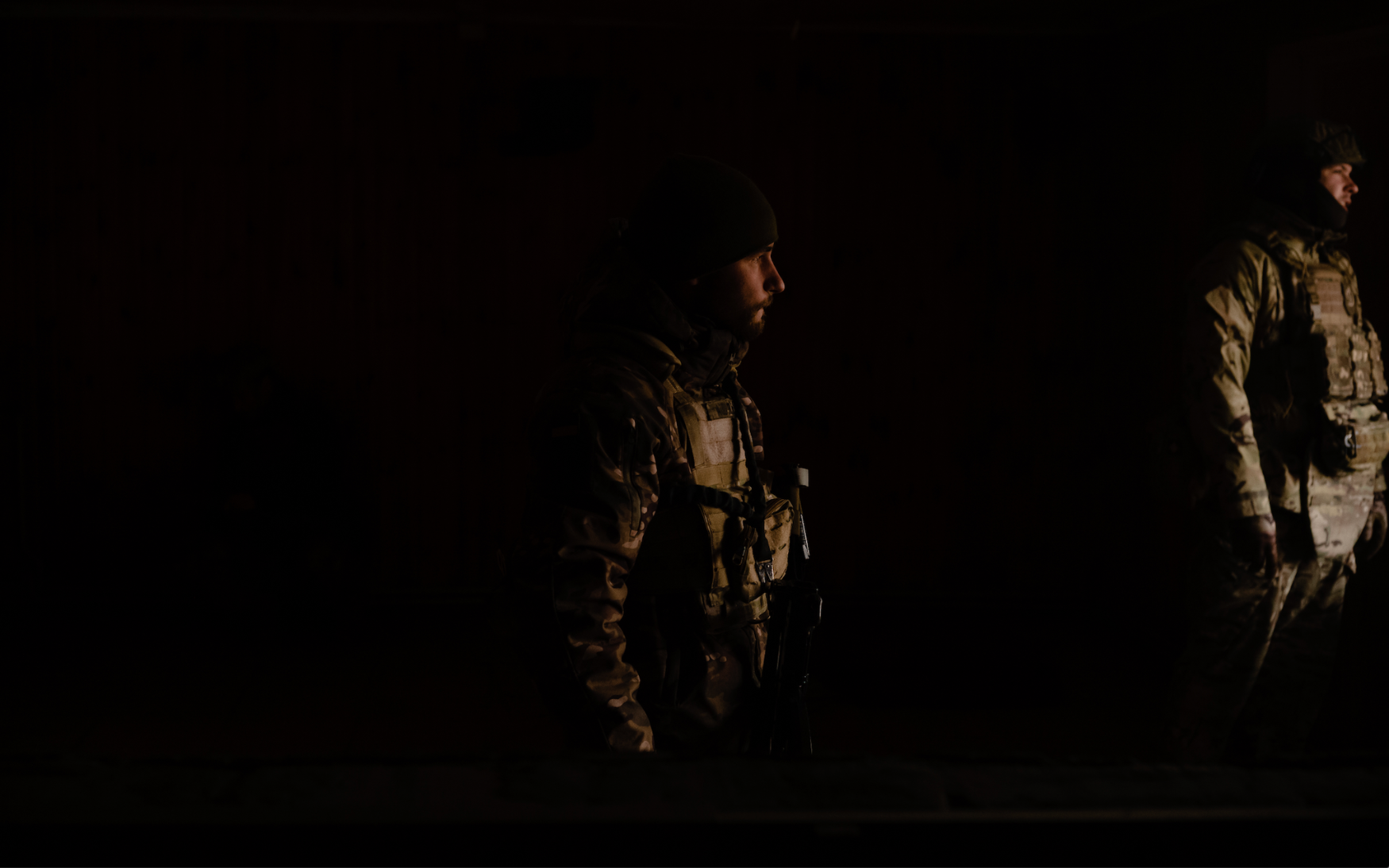
In Kherson, on the Black Sea in southern Ukraine, December 24 is considered Christmas Eve by only a few citizens; east Ukraine follows the Eastern Orthodox liturgical calendar, which marks January 7 as Christmas Day. This year, the Bratsvo Battalion, a volunteer Ukrainian Orthodox militia, was among them, celebrating Christmas on the 25th for the first time in a deliberate move away from the Russian Orthodox calendar, and from Russia. To mark the occasion, the battalion had no services, tree, or presents, but only a patrol to ambush nearby Russian forces—as they had done most days since Russia’s invasion nine months ago.
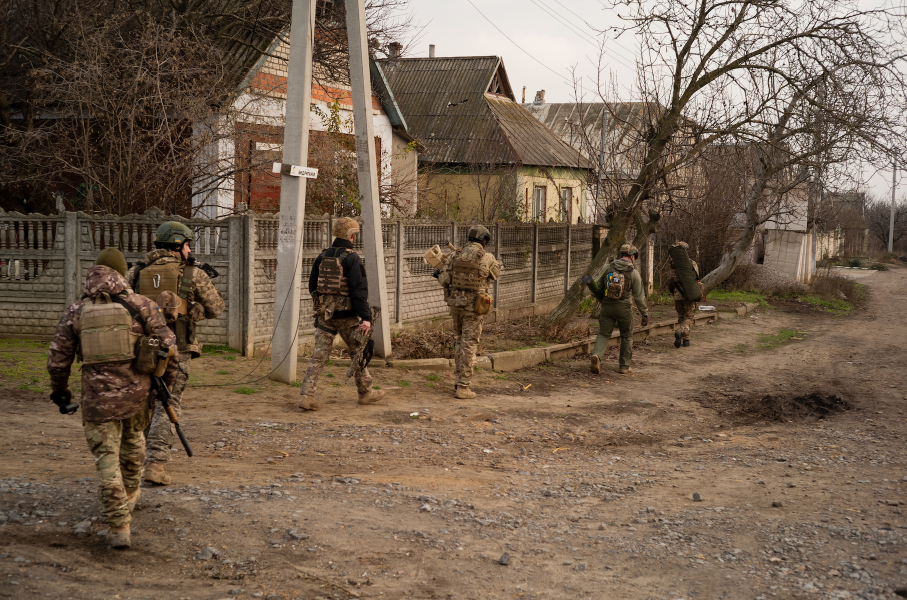
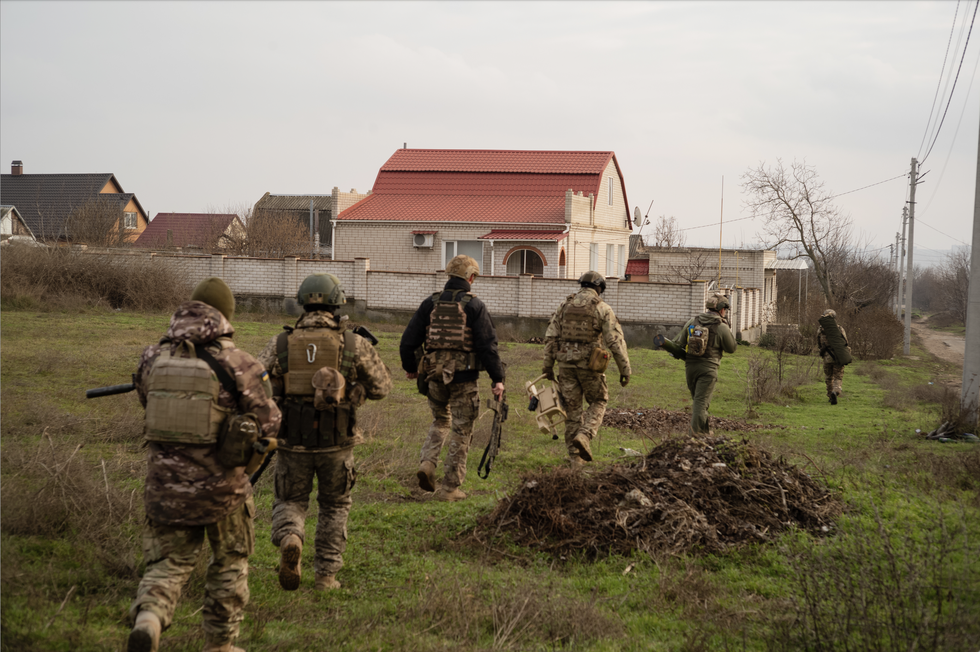
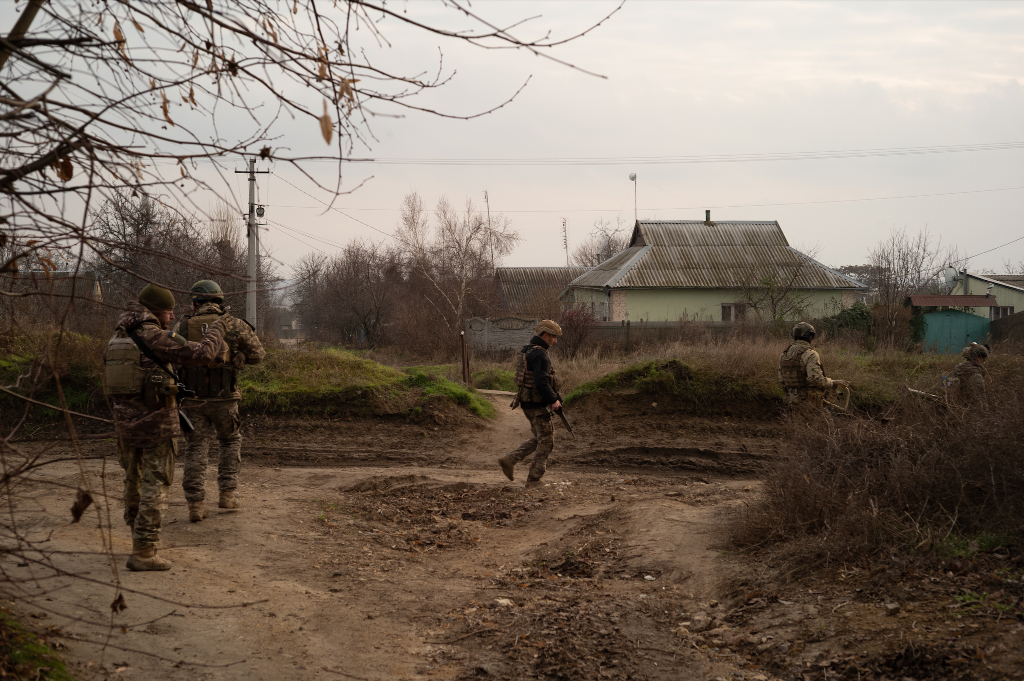
The Bratsvo patrol made its way in ragged trucks to the front lines along the Dnipro River, which now divides Ukrainian and Russian forces since the latter’s withdrawal from Kherson, in early November. The last kilometer of the patrol’s commute was the most dangerous: driving off-road while under direct Russian observation and fire. The patrol pushed their war-torn trucks, bouncing across the muddy ground, to their screeching limit.
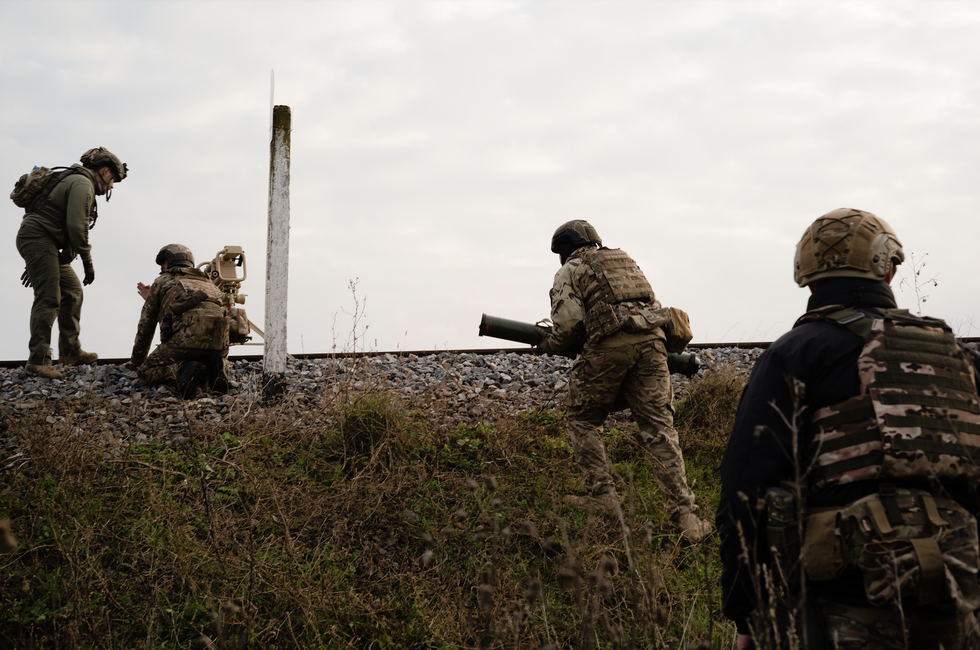
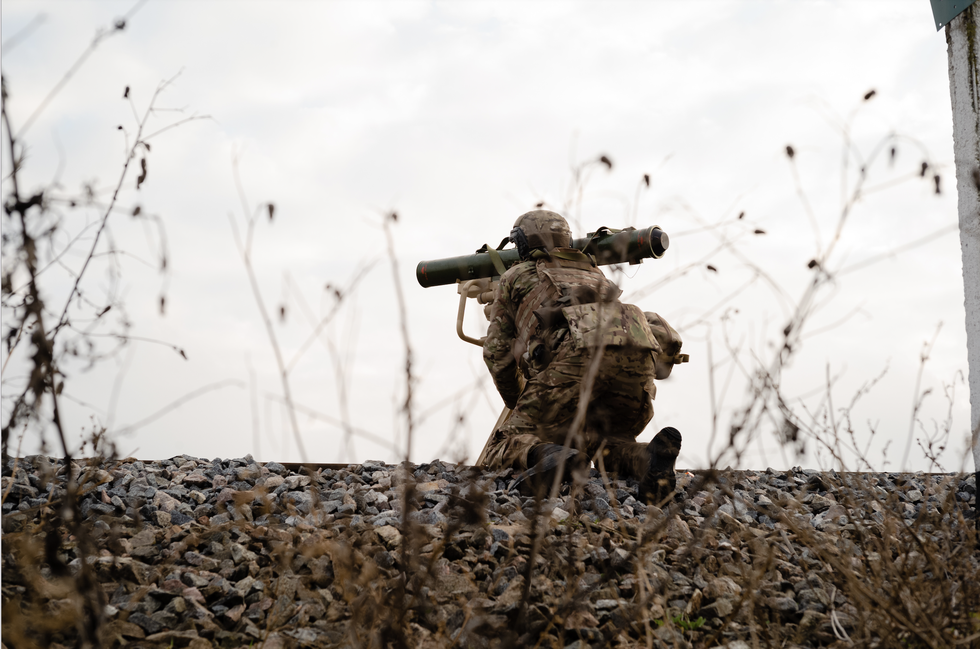
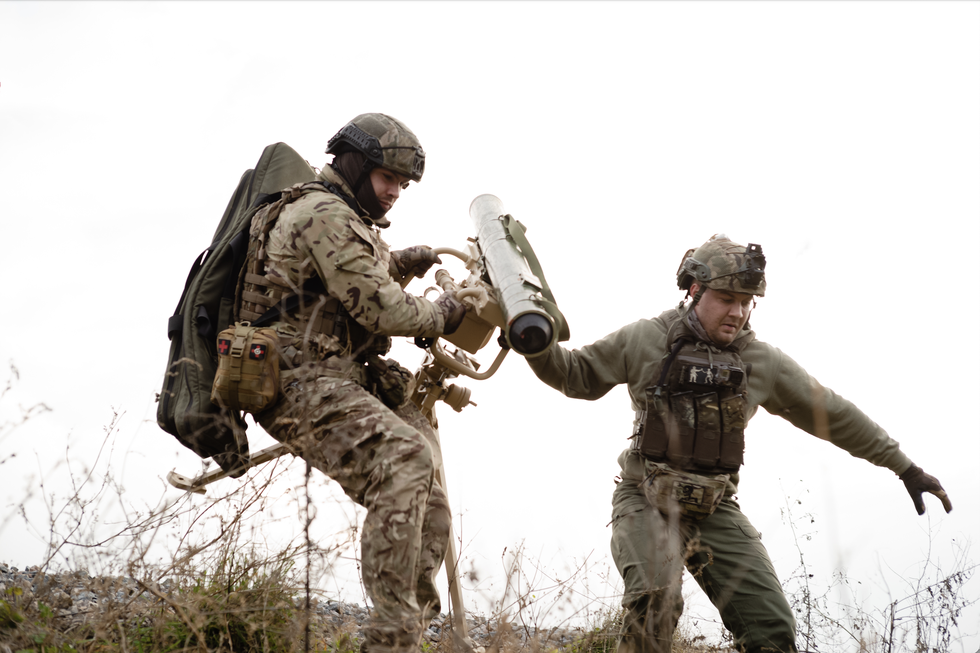
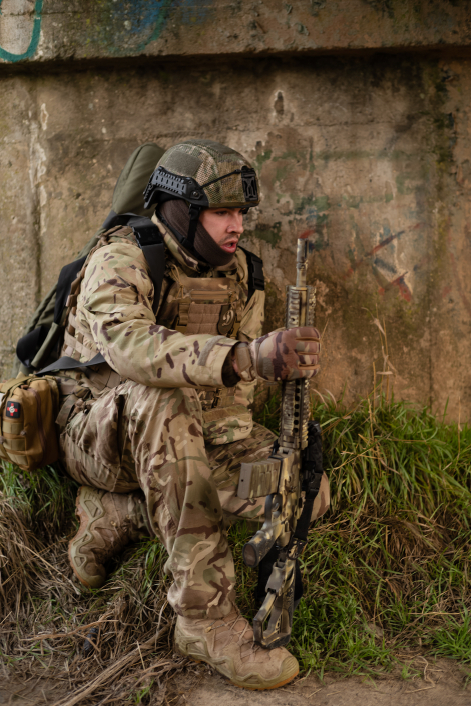
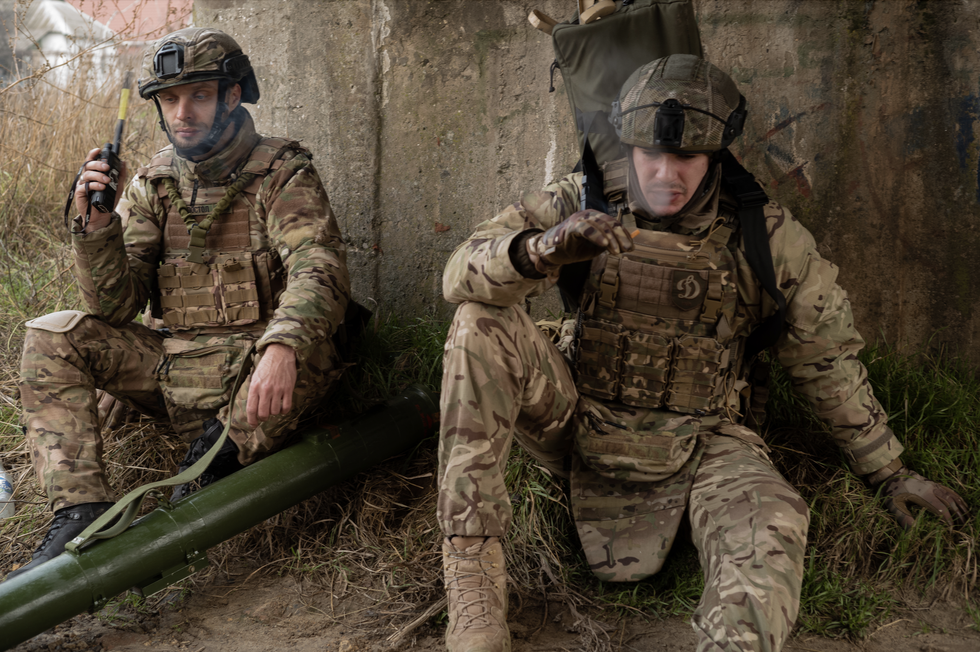
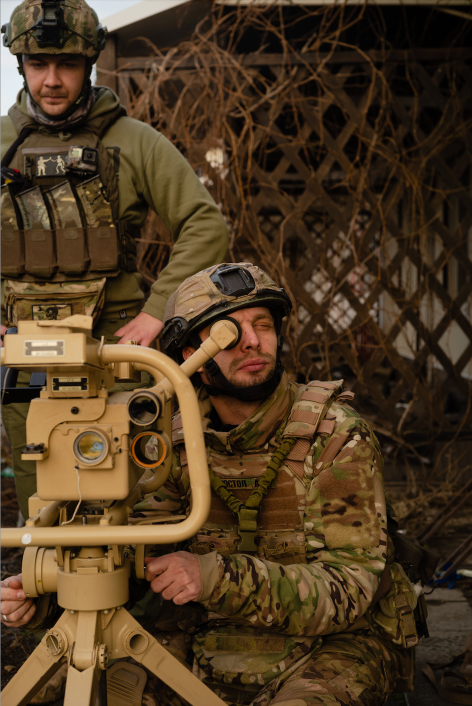
Artillery, including the chugging of a Russian DSHK heavy machine gun, followed them to the front. The team took shelter while waiting for their command to give the all-clear. Waiting for another vehicle to arrive, the patrol’s younger members, nicknamed “Apostle,” “Ari,” and “Gambler,” reviewed the Corsar anti-tank system they would soon use in an attempt to destroy a nearby Russian position. The shelling dropped off, leaving behind clouds of acrid smoke.
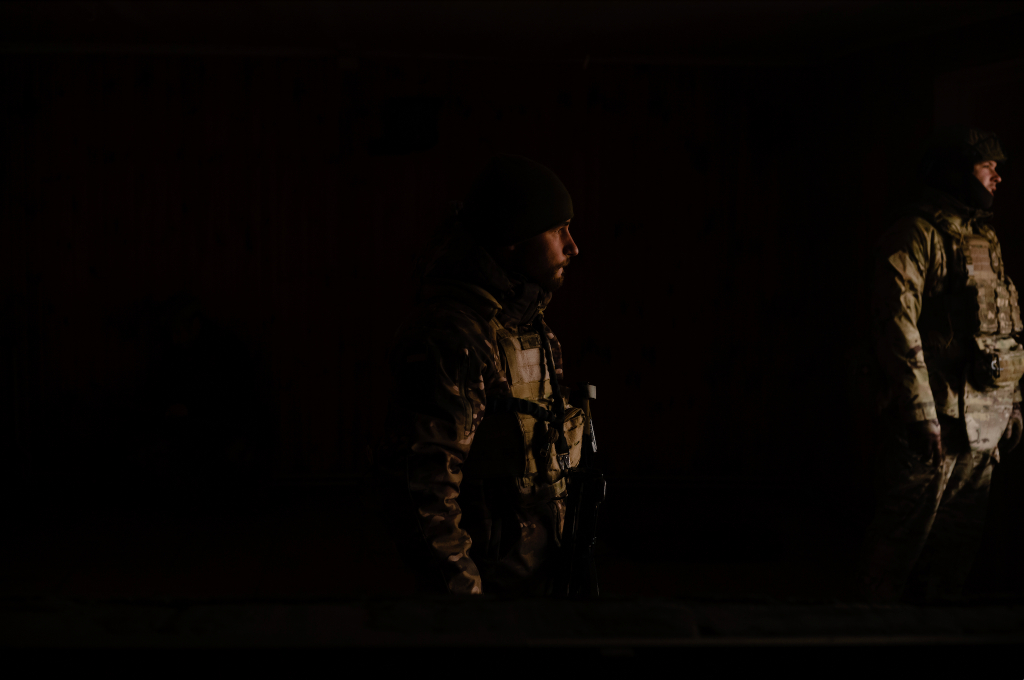
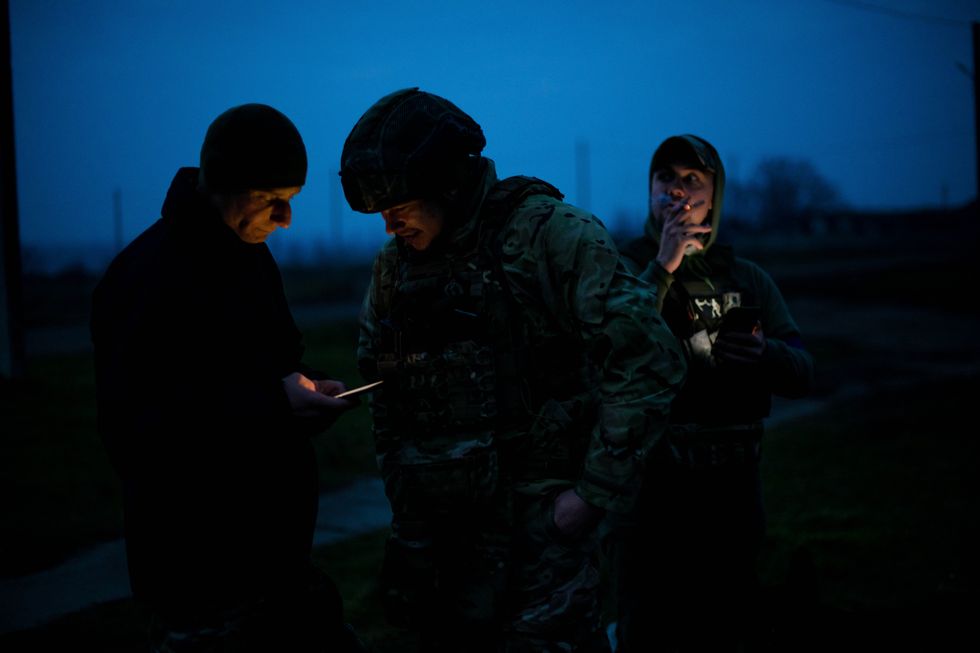
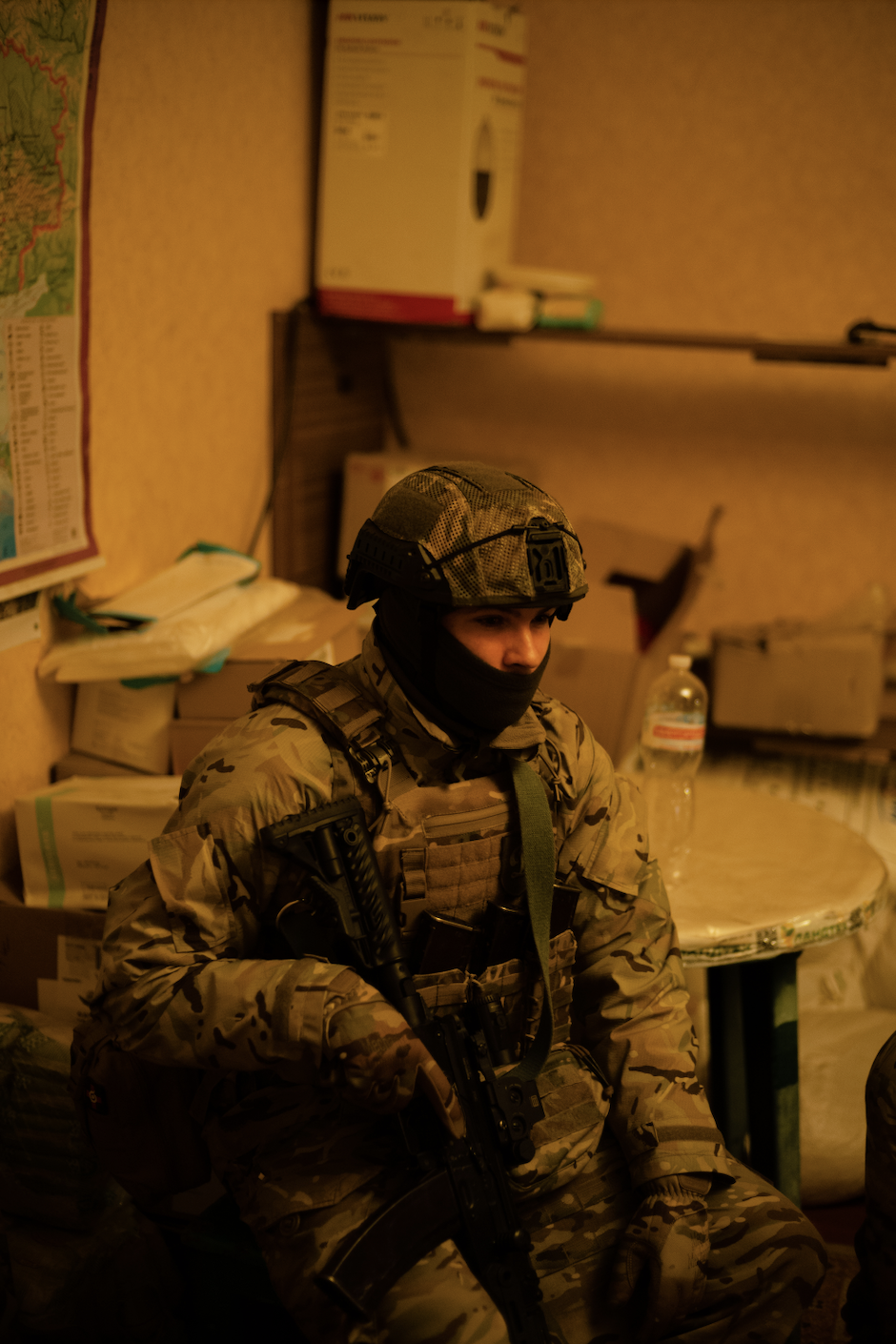
A member of Bratsvo Battalion nicknamed “Gambler” listens to an intelligence update before departing for a patrol beyond the front line.
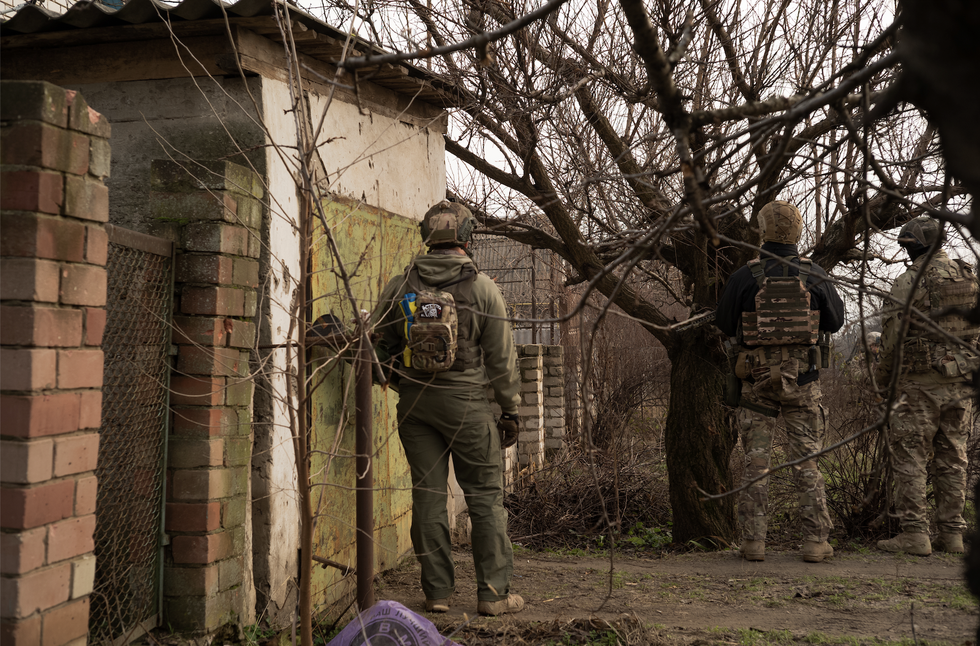
Practicing before a patrol: “Apostle” (right) reviews how to aim and fire the Corsar anti-tank system while his loader “Ari” watches.
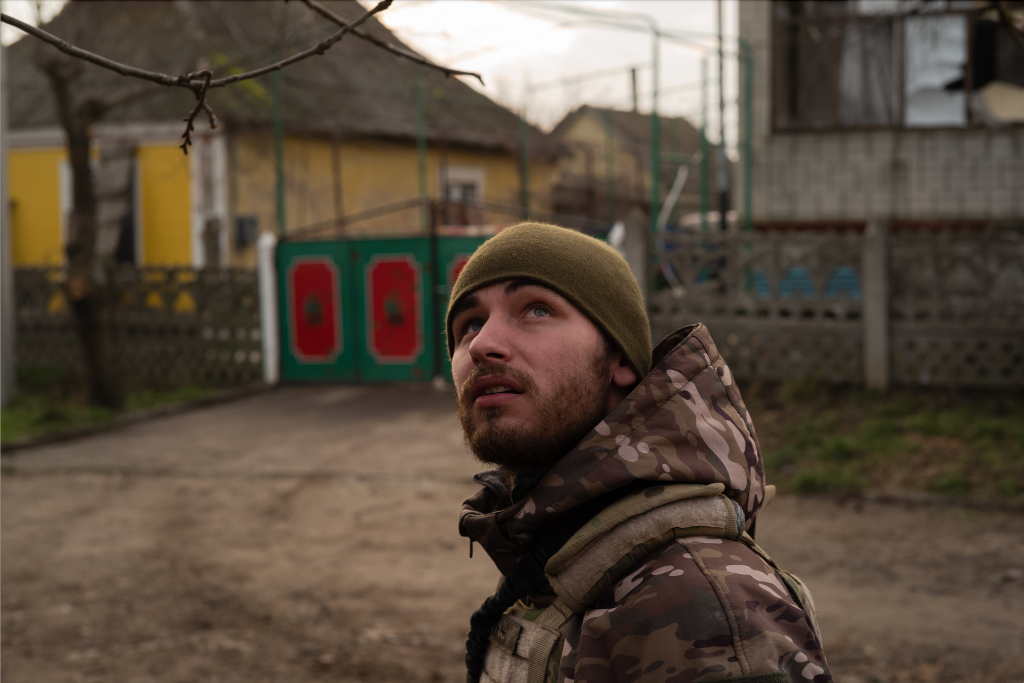
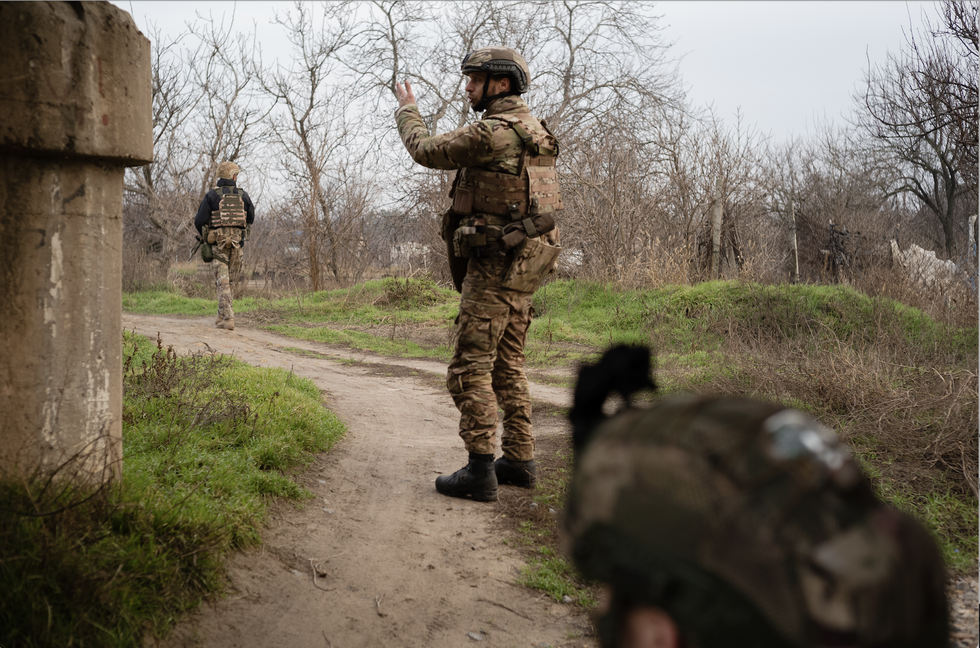
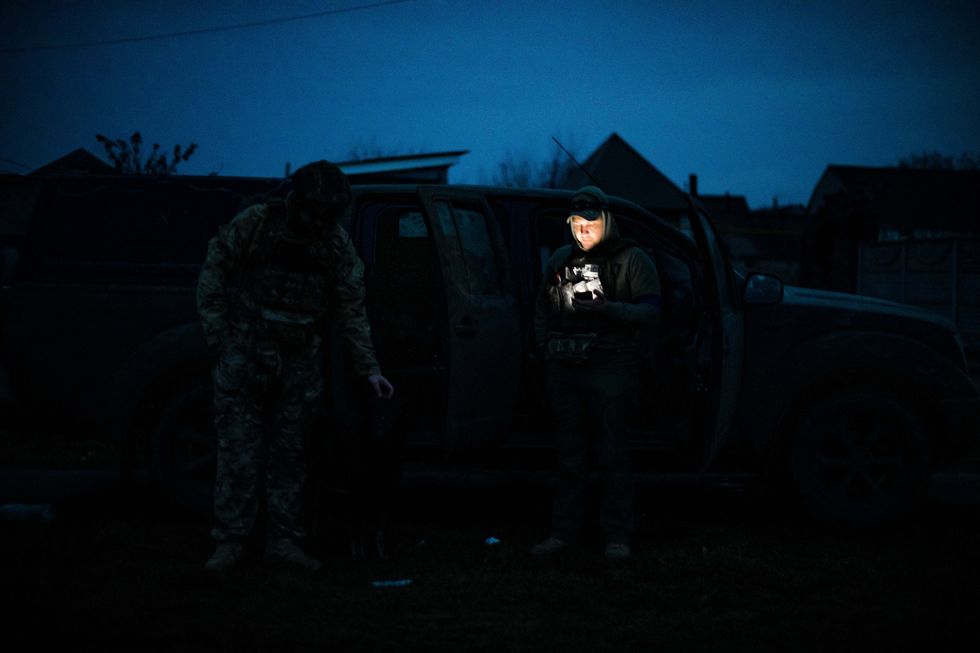
“Musician,” one of Bratsvo’s intelligence officers and the patrol’s leader, waits for the artillery to stop and the patrol to begin.