
Today I Learned: The Longest Papal Election in History Ran for Almost Three Years

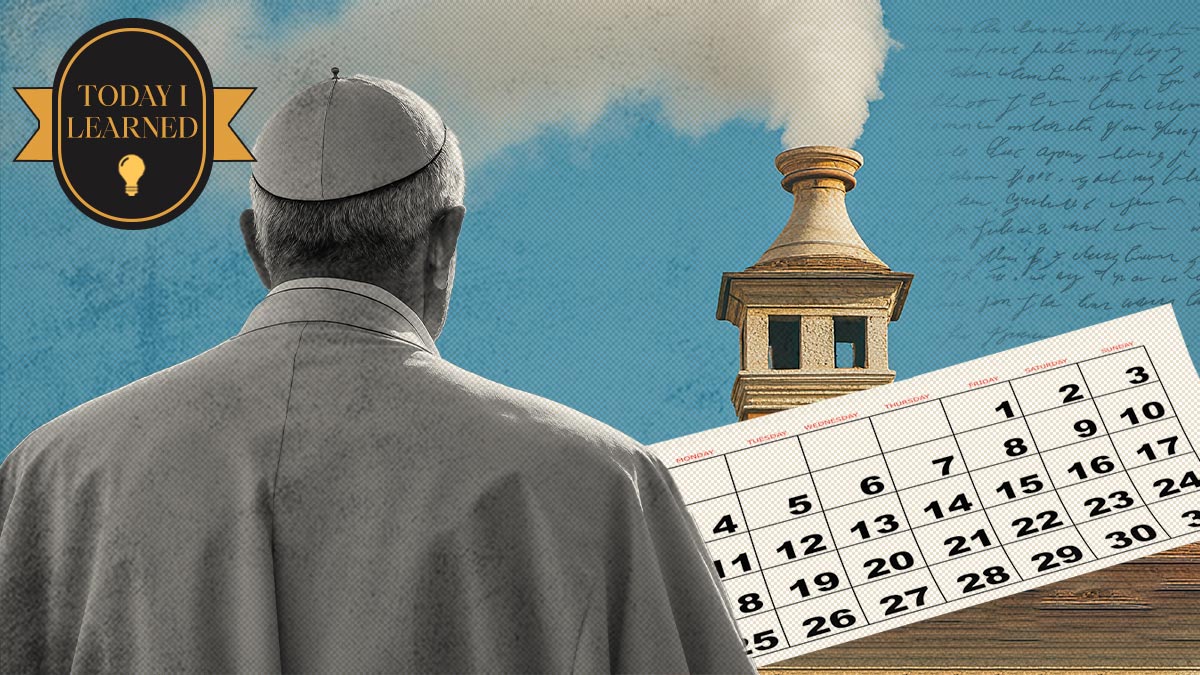
The subsequent papal conclave following the death of Pope Francis last April 21, 2025, is likely to be one of the most followed moments in the history of the Roman Catholic Church. Why? Probably because a lot of people watched the political thriller film Conclave in 2024, and—somehow—we finally understand how conclaves work, if only through the fictional work.
The papal election or conclave is a centuries-old tradition that unfolds whenever the papacy becomes vacant to determine the next spiritual leader of over a billion Catholics worldwide. It commences with the gathering of the College of Cardinals, appointed by previous popes, at the Sistine Chapel. As of writing, there are 252 cardinals, 135 of whom are eligible to vote, meaning they are below 80 years old.
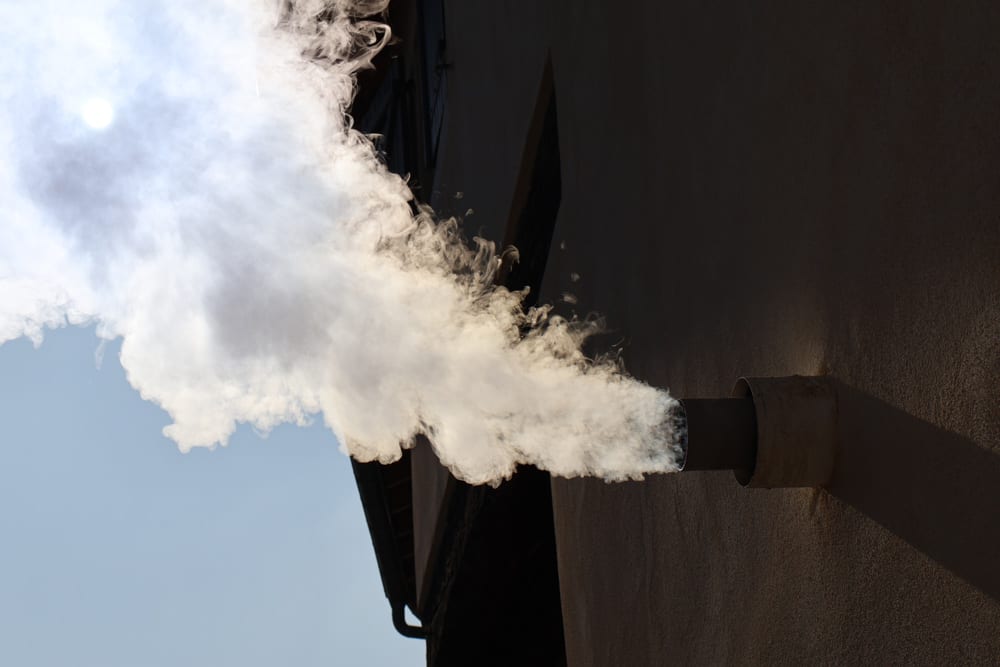
Cardinals engage in a series of ballots, each conducted in silence, reflecting the gravity of their task. A two-thirds majority is required to elect a new pope, a rule that ensures the chosen candidate has broad support within the College. If the supermajority vote is not met, black smoke (fumata nera) emerges from the chimney of the Sistine Chapel; if the votes reach two-thirds, white smoke (fumata bianca) emerges, signaling that we have a new pope. This requirement can lead to multiple rounds of voting, sometimes extending the conclave over several days—and, for one moment in history, almost three years.
ALSO READ:
3 Ways Pope Francis Set Himself Apart From Previous Popes
A Brush with the Divine: Remembering Pope Francis’ Visit to Manila
The Longest Papal Elections in History
1268-1271 Papal Election: Two Years and Nine Months
The longest papal election in Roman Catholic history ran from 1268 to 1271, when Pope Gregory X was elected as the head of the Church from September 1, 1271, to his death on January 10, 1276.
The conclave, which began on November 29, 1268, is remembered not only for its length but also for the dramatic events that unfolded during its nearly three-year duration. Divided by the political tensions of the era, the cardinals represented two powerful factions: the Guelphs, who supported the papacy, and the Ghibellines, who favored the Holy Roman Emperor.
Among the cardinal electors, the division was between the French Angevin cardinals—mostly appointed by Pope Urban IV (whose papacy ran from 1261 to 1274)—and the mostly Italian cardinals. The former supported the invasion of Italy by Charles of Anjou, who was crowned as King of Naples and Sicily by Clement IV, further strengthening the influence of the French monarchy in the Italian peninsula. This division created a deadlock that seemed impossible to break. At the death of Pope Gregory X's predecessor, there were 20 cardinals in the Sacred College, with one of them, Rodolphe of Albano, absent throughout the elections. He was with King Louis IX of France in his crusade in Tunisia, where he died on August 11, 1270—while the papal election was still ongoing.
The cardinals began the election by meeting and voting once a day in the Episcopal Palace in Viterbo, before returning to their respective residences; tradition dictated that the election should take place in the city where the previous pope died, if the late pontiff had died outside Rome.
The papal election started out with a once-a-day meeting at the Episcopal Palace in Viterbo, as tradition dictated that the election take place where the previous pope died. At the end of the day, the cardinals can return to their residences, unlike the present-day conclave, where cardinals are required to stay within Vatican City.
The papal election dragged on for months with no resolution in sight. By 1269, months after they started, the cardinals were meeting only intermittently. In a desperate bid to force a decision, local magistrates took the drastic step of locking the cardinals inside the Palazzo dei Papi di Viterbo. Anecdotes say that food was rationed to bread and water, and that even sections of the roof were removed to expose the cardinals to the elements. These extreme measures were intended to expedite the decision-making process, but the stalemate persisted.
Aside from Rodolphe of Albano, two other cardinals died during the duration of the papal election: Hungarian cardinal Istvan Bancsa (died in Rome on July 9, 1270) and Giordano dei Conti Pironti da Terracina from Terracina (died in Viterbo on October 1, 1269).
The turning point came when a compromise was reached through the intervention of external powers, including the kings of Sicily and France. They proposed a solution that involved appointing a small group of cardinals to make the final decision. The cardinals agreed to cede their authority to a committee of six. On September 1, 1271, this group elected Teobaldo Visconti, an Italian archdeacon from Piacenza, as the new pope. Visconti, who was on a pilgrimage to the Holy Land at the time, accepted the election and took the name Gregory X.
Pope Gregory X's election marked the end of the longest papal conclave in history and set the stage for significant reforms. Recognizing the need to prevent such prolonged elections in the future, Gregory X introduced regulations to streamline the process. These reforms laid the groundwork for the modern conclave system, ensuring that future papal elections would be conducted with greater efficiency and order.
1314-1316 Papal Election: Two Years and Three Months
However, Pope Gregory X's rule of staying in one place until a decision is made was not followed during the 1314–1316 papal conclave, another long election in history. Instead of having the cardinal electors stay in the Curia, they did the conclave at the episcopal palace of Carpentras in France and then the Dominican house in Lyon. The cardinals were divided into three factions: the Italian, the Gascon, and the French/Provençal. The first wants to return the papacy to Rome, the second wants to hold on to the power that they enjoyed as relatives of the previous pope (Clement V), while the third just wants to oppose the two. Once again, a compromise committee was tasked to select its candidate, and after two years and three months, it resulted in the election of Pope John XXII.
Pope Francis was elected pope on the fifth ballot on the second day of the 2013 papal conclave: March 13. His papal inauguration was held on March 19, 2013, at St. Peter's Square.
