

Here's What the Names Balintawak, Tayuman, and Antipolo Mean

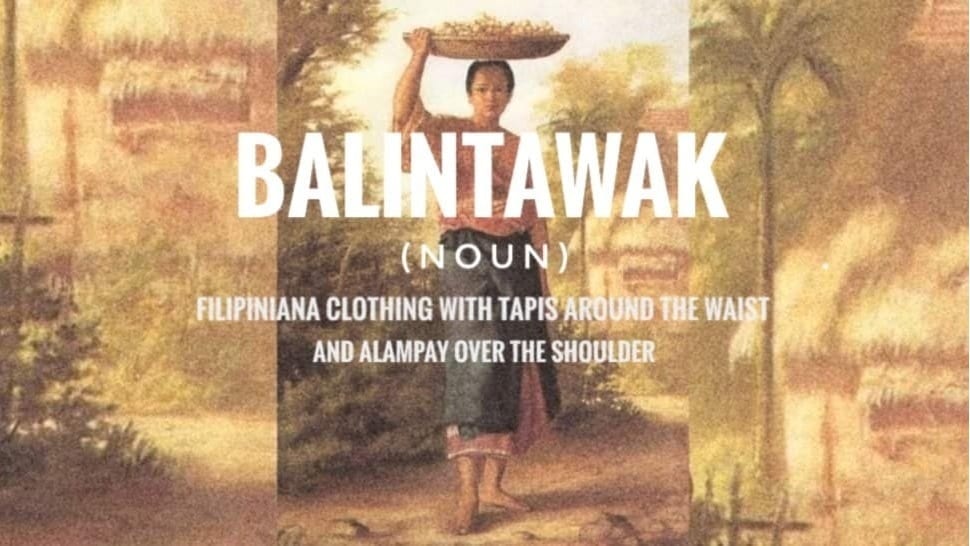
It is common in geography to name places after objects, but as people grow accustomed to these names, the original meaning gets lost in history as they associate the word more with the place than the thing it was named for.
Here are a few surprising facts about the lost meanings of places’ names in the Philippines.
Balintawak
View this post on Instagram>pBalintawak is a district in Quezon City. But the word balintawak refers to a style of Filipiniana clothing worn by women: attire with a cloth or tapis over the saya or skirt, and another cloth or alampay over the shoulder worn like a short shawl.>p
>pTayuman>h2 Photo by Franz Eugen Köhler, Köhler's Medizinal-Pflanzen | Public Domain.
>pTayuman is a very busy street in the heart of Manila. Its name has literally colorful origins: Tayuman is the Tagalog word for a place where fabrics are dyed with an indigo pigment. Additionally, it also means a place where there are many tayom plants. Its lilac-colored flowers are used for dye.>pBaguio>h2
 Photo by Shutterstock.
>pThe Summer Capital of the Philippines was named after bagiw, the Ibaloi word for moss. The place had plenty of bagiw because of the cool climate in the mountains. If you go to Baguio, you can still see bagiw growing on one side of the pine trees there.>pMarilao>p
>p
Marilao is a city in Bulacan, which, incidentally, got its name from bulak or cotton. Marilao supposedly got its name from a the word madilaw or yellowish, owing to the abundance of a plant with yellow flowers. >p>pKawit>h2


