
The stereotypical dream diving location is a colorful coral reef: towers of hard corals in different shapes and hues, with a multitude of growth forms from the well-known staghorn corals to encrusting corals and ones growing in the form of plates. In-between these hard corals thrive numerous soft corals, shaped like spread-out fans or like oversized pieces of broccoli, and massive barrel sponges, which would take the arms of two divers to reach around. On top of this living coverage of the sea floor dance thousands of colorful reef fish, belonging to many hundred different species.
This is what many snorkelers and divers enjoy when they visit tropical seas, like those in Apo Island or Tubbataha Reefs, two of the Philippines’ most popular diving destinations.
ALSO READ
How Did the Janitor Fish End Up Surviving—and Thriving—in the Pasig River?
See Photos of the Stunning Underwater Marvels of Palawan's Tubbataha Reef
But there are other popular diving destinations as well, which don’t look spectacular at a first glance at all; the sites are often barren, and their seafloor is only covered in sand, with the occasional soft-coral covered rock or the odd discarded tire or can. These are the famous “muck diving” sites, and the Philippines feature some of the world’s best. Together with Indonesia’s Lembeh straight, Anilao in Batangas and Dauin in Negros are probably the most well-known muck diving destinations.
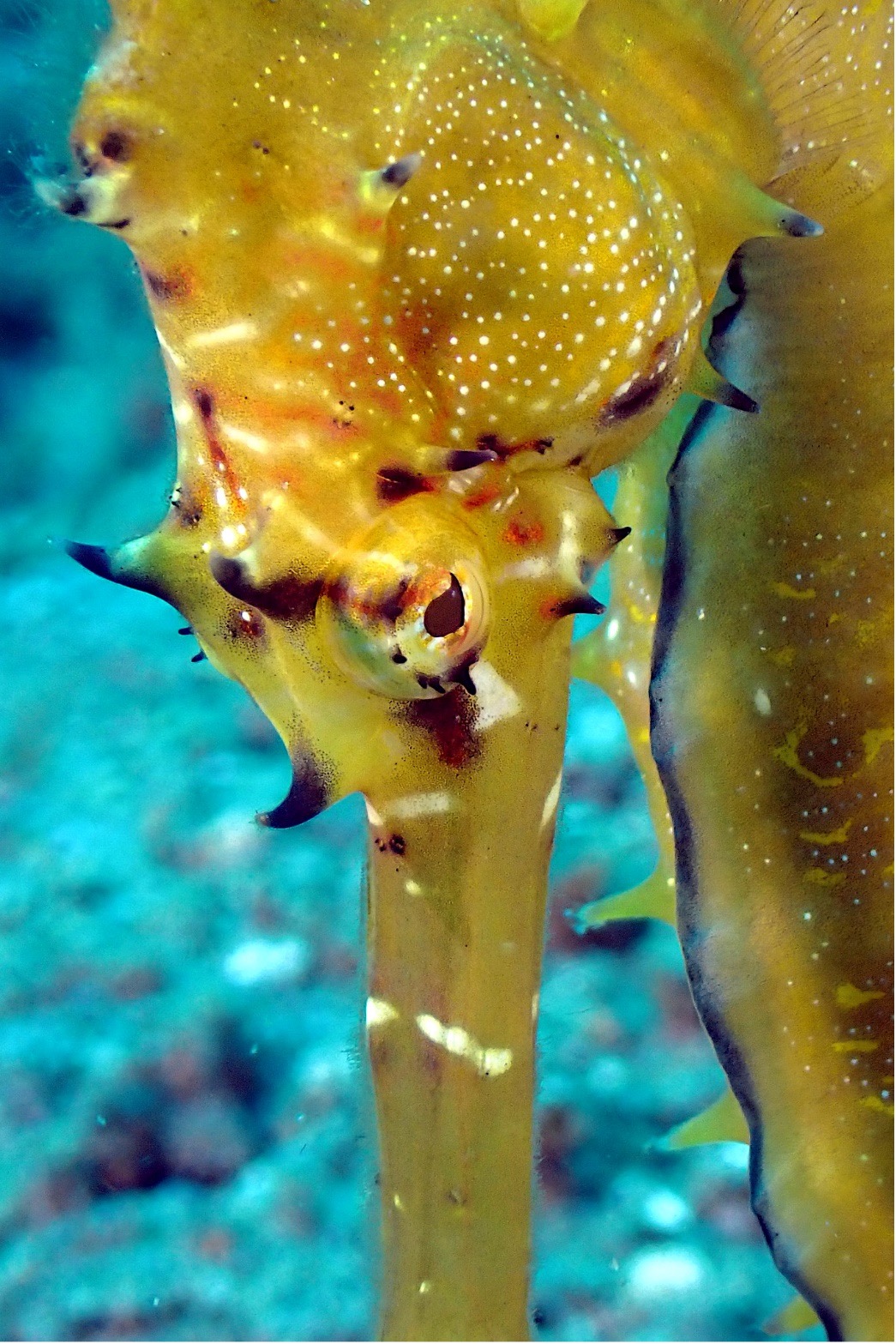
So what’s to see in the “muck?” The generally featureless underwater sandy plains are home to a unique group of animals, which are either well-camouflaged, venomous or poisonous, or very fast to disappear under the sand when a threat approaches.
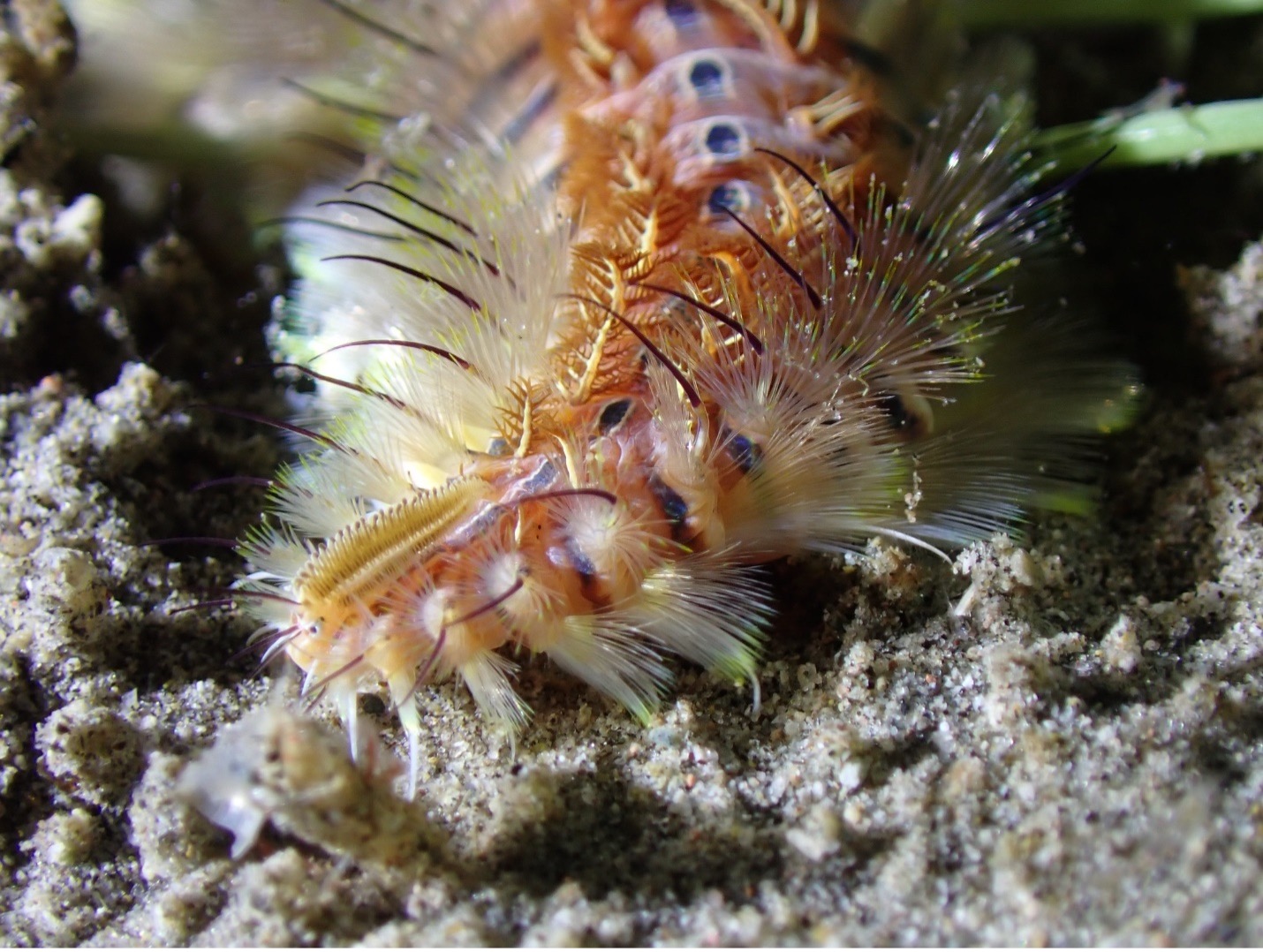
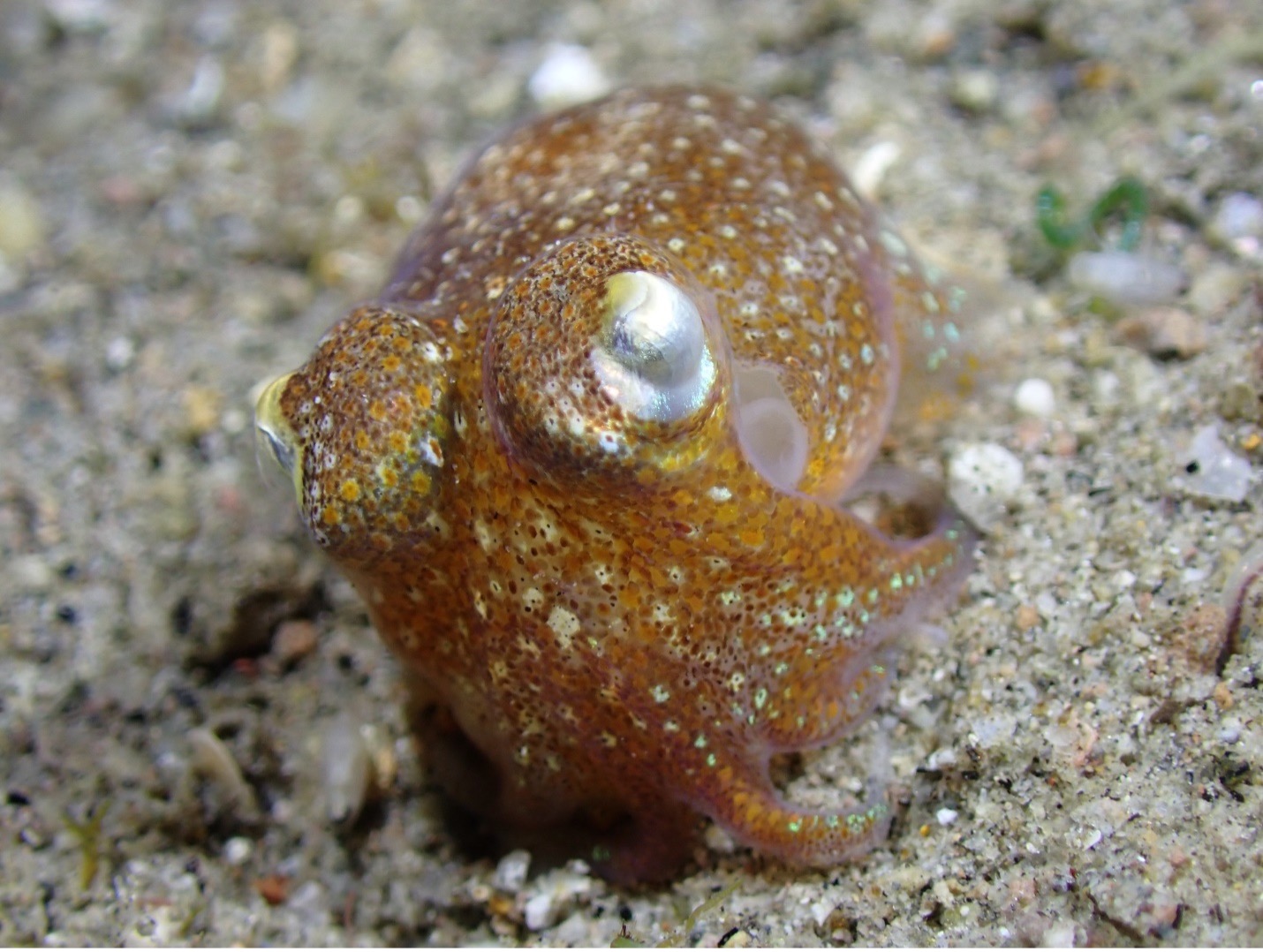
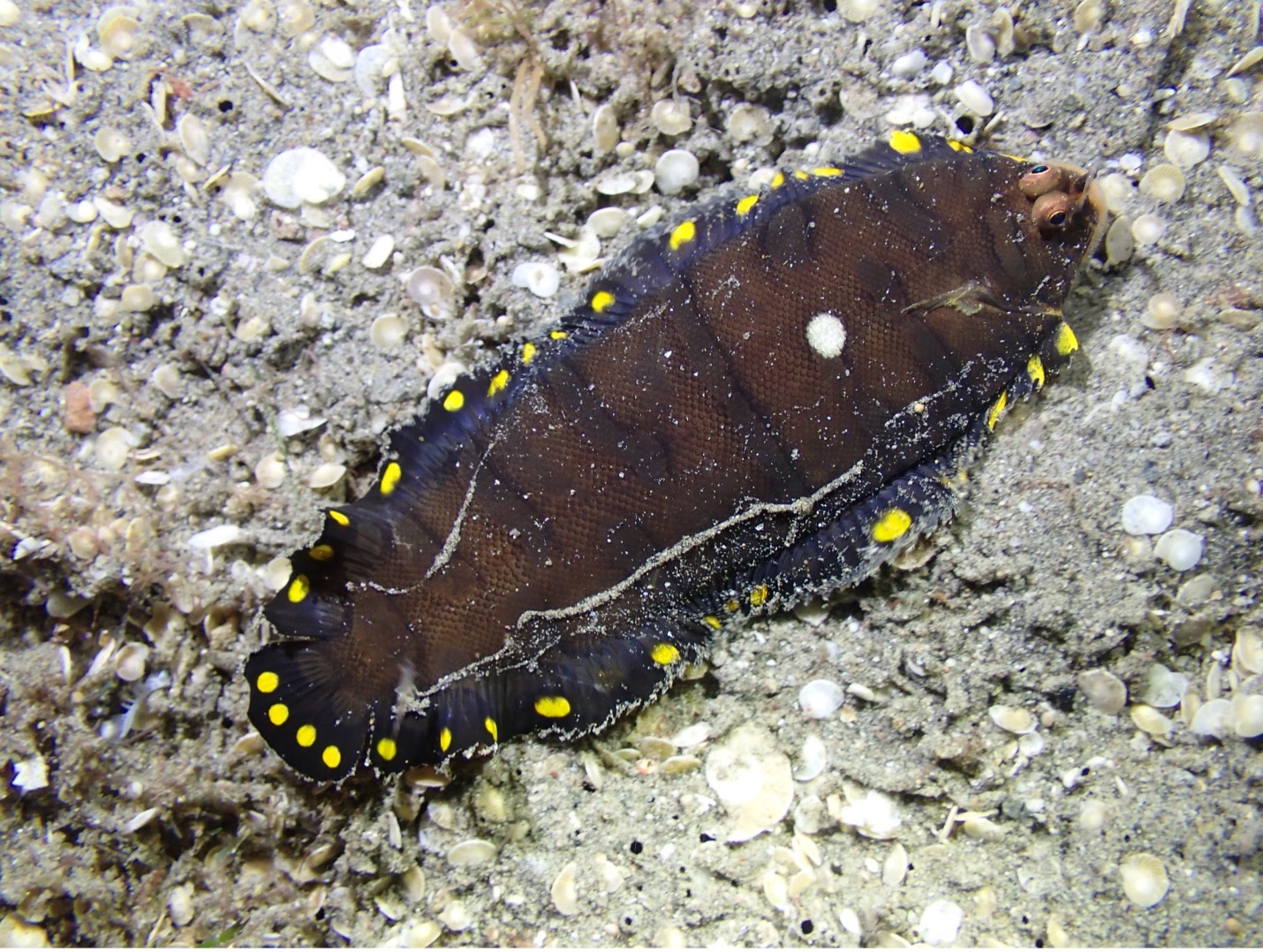
These animals are often bizarrely formed: fishes that look like flatworms or like balls of algae, iridescent spiny worms, and cuttlefish (relatives of squid) that change the patterns on their skins in fractions of a second. These are the stars of muck diving—animals so strange and unusually shaped that they surprise and enthuse even the most experienced underwater photographers.
Finding these animals is a daunting challenge; their very survival depends on being able to hide well. Many of them are colored and textured like the sand they live in while others are extremely skittish and disappear under the sand in no time should they sense a larger animal approaching, such as a predatory fish, or a diver mistaken as a threat to their life. Other muck diving critters are minute, and without knowing where to look for them the chances of finding them are almost zero.
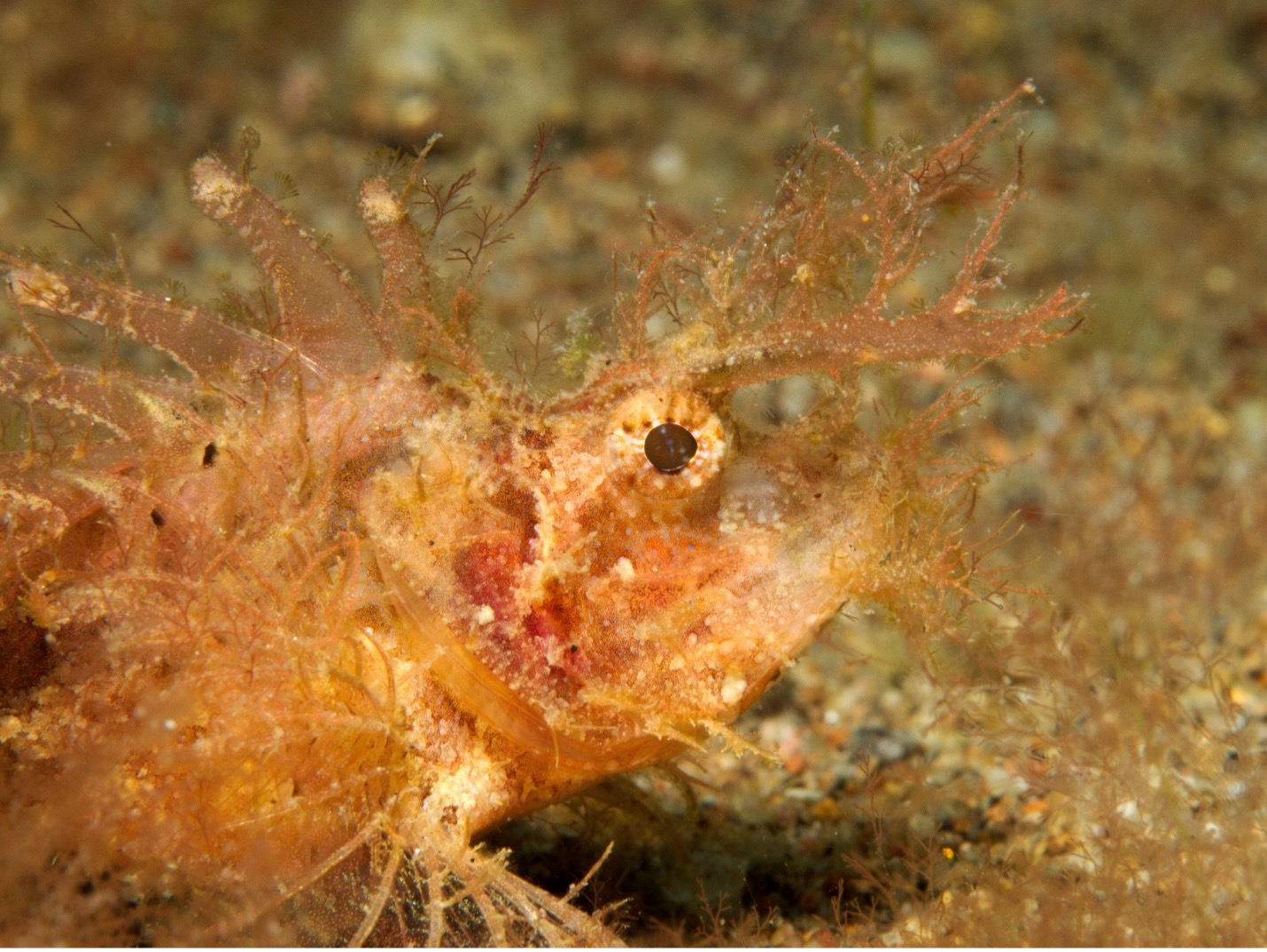
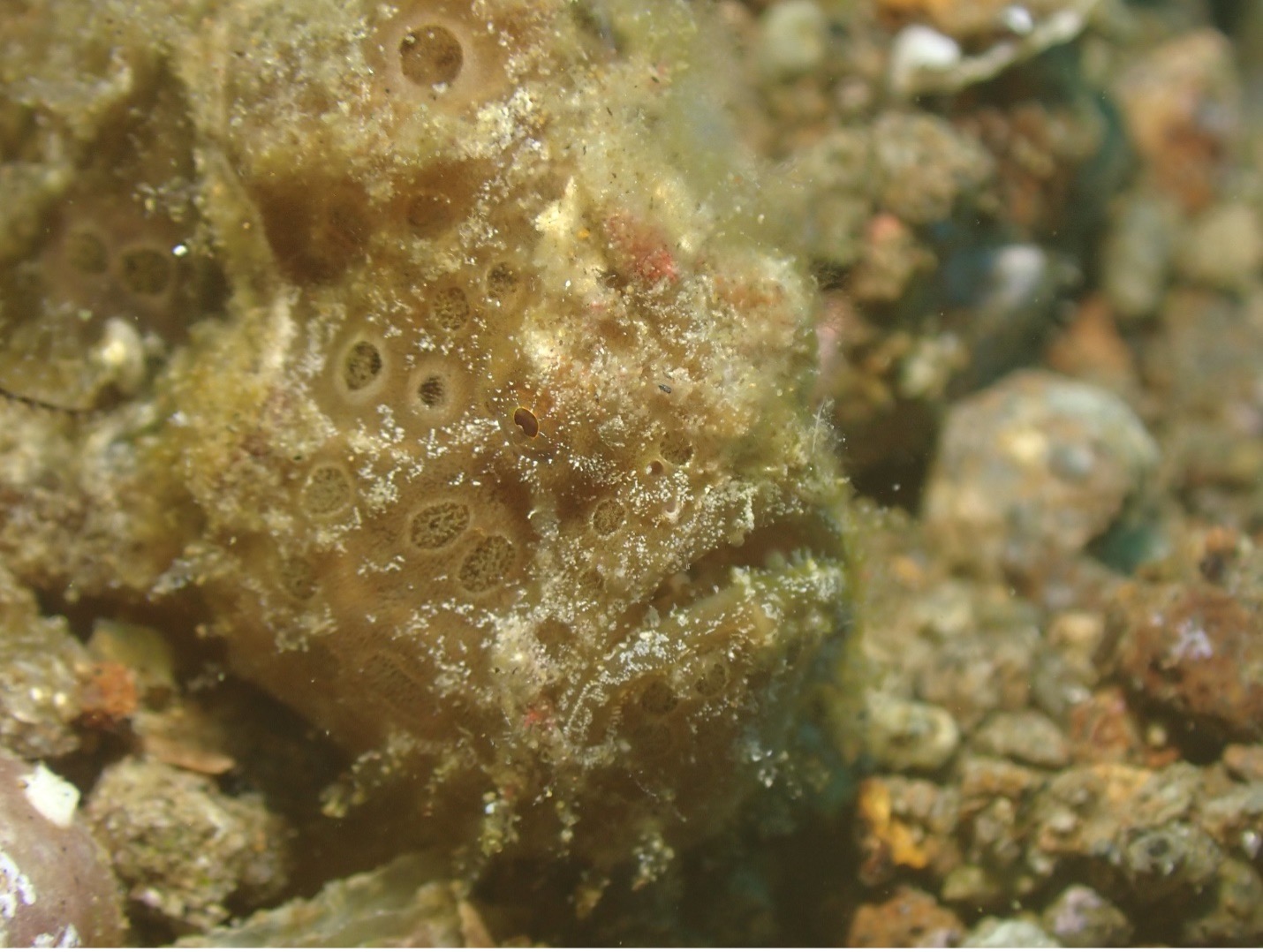
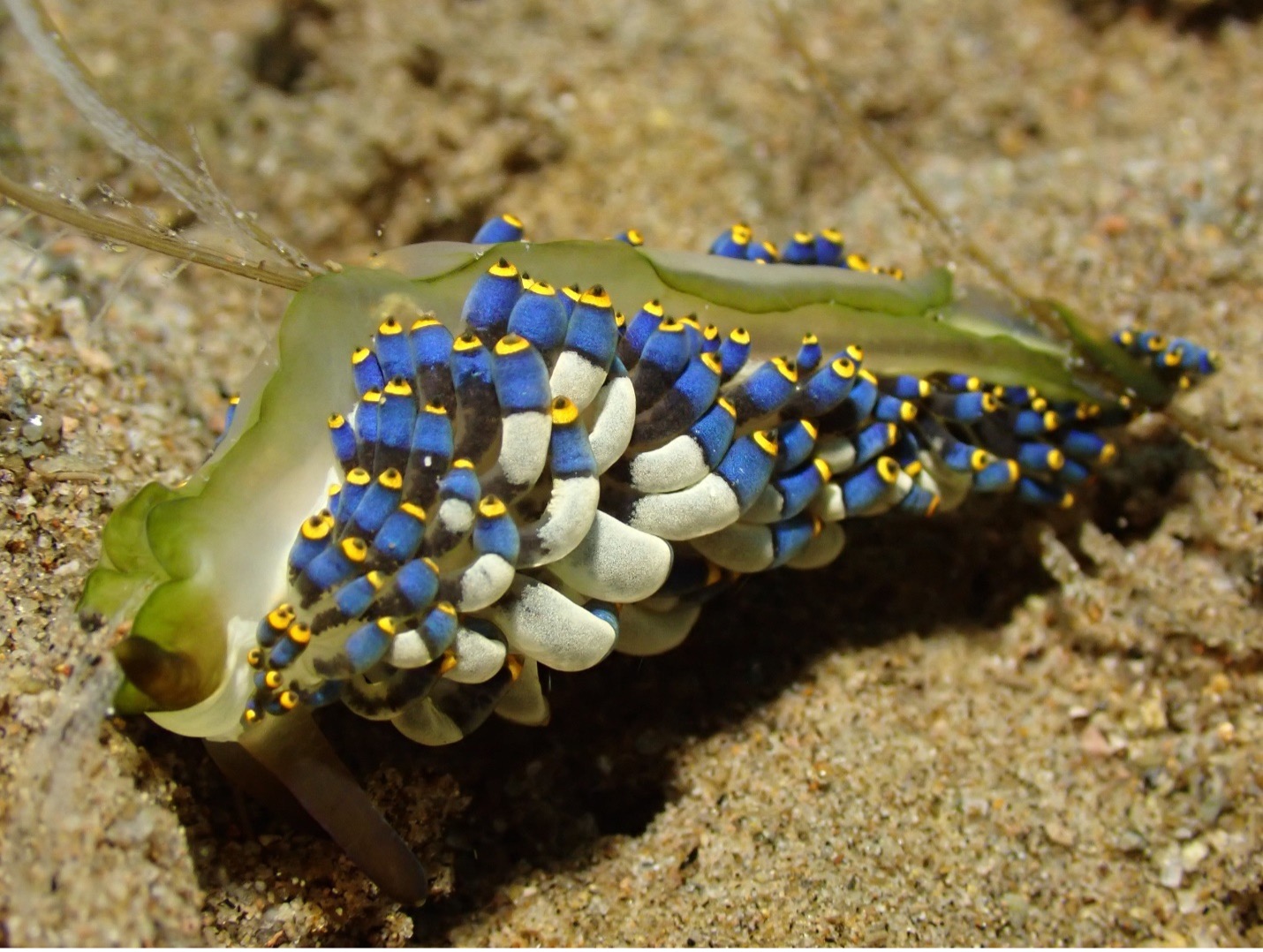
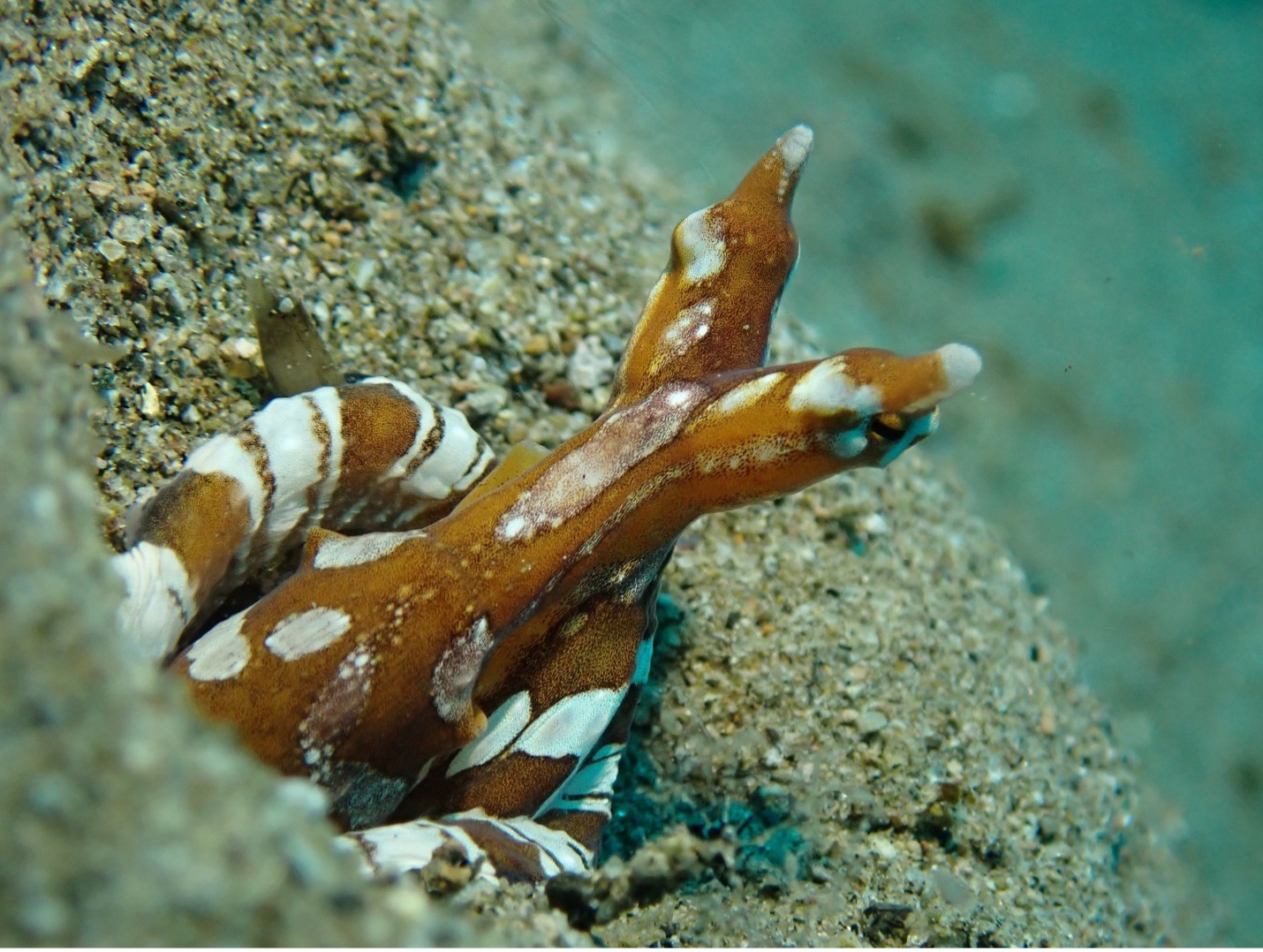
Spotting these animals has become a rewarding career for many island boys. Someone with a good eye to find a rare scorpionfish or shrimp will be a valuable asset to a dive shop catering to underwater photographers hoping to capture the muck diving fauna. A dive guide who is reliably able to spot a wunderpus, frogfish or a rare sea slug (see images below) will be popular with diving enthusiasts from all aver the world. It’s not uncommon to have returning divers specifically request to dive with the guide who had shown them the rarest and most unusual critters during their last visit.
The rich fauna seen while muck diving is proof how nature thrives in habitats which are unattractive at first glance. Even a seemingly boring plain of sand is home to the most amazing marine animals in the tropics, and it’s a habitat worth protecting.
An Ambon scorpionfish, pretending to be a ball of seaweed. This is an extremely rare fish, which I have only seen a handful of times in a decade of diving the Philippines’ best muck diving sites. But is it actually that rare, or did I swim by this fish many times without realizing that it’s a fish and not a bundle of algae?
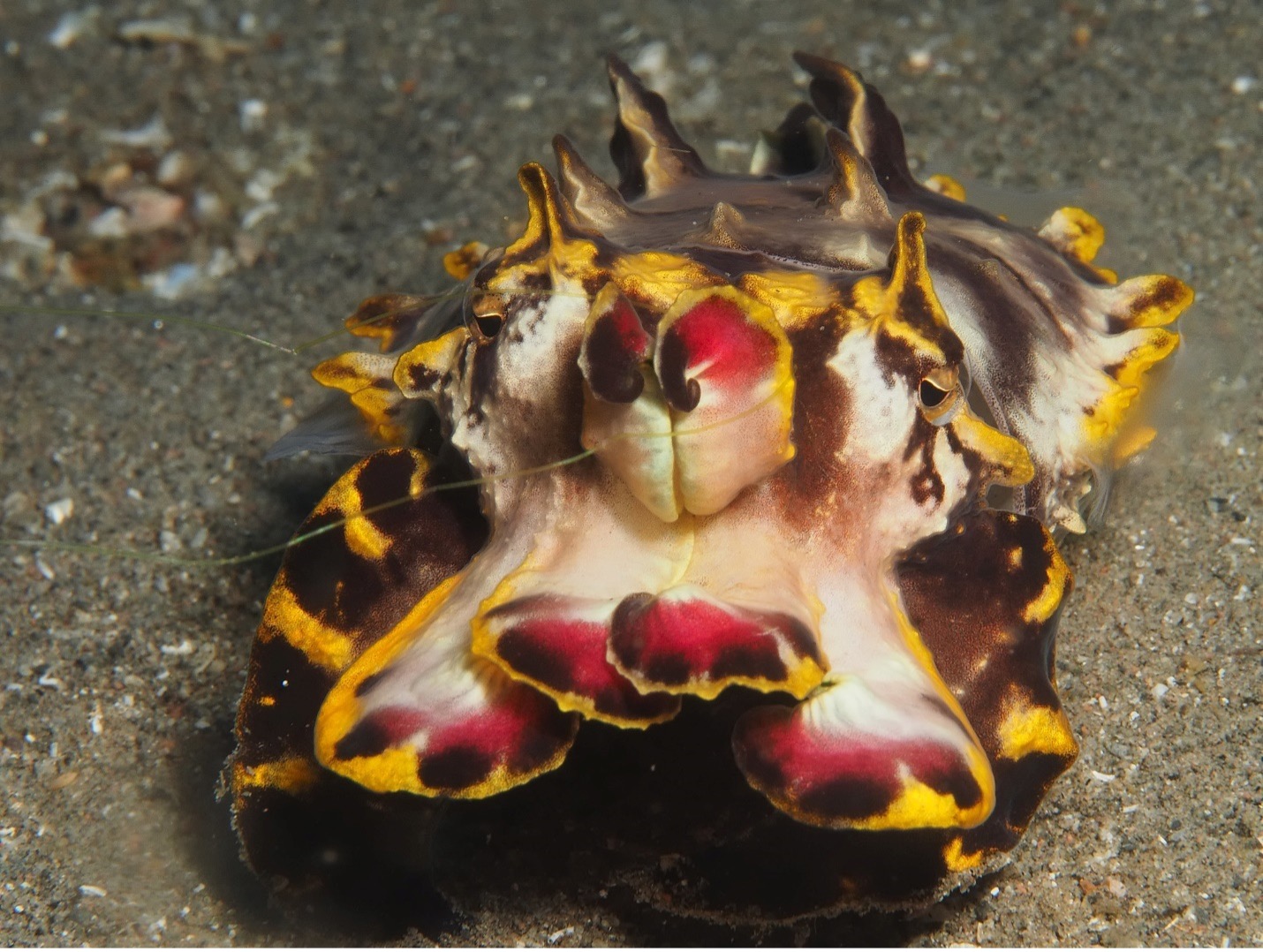
A flamboyant cuttlefish, one of the most prized finds in muck diving. This small cephalopod (big individuals are around 10 cm in length) is a relative of the squid and octopi, and can change its colors in seconds. The dark bands on the cuttlefish’s body move along the animal’s length in a hypnotic fashion
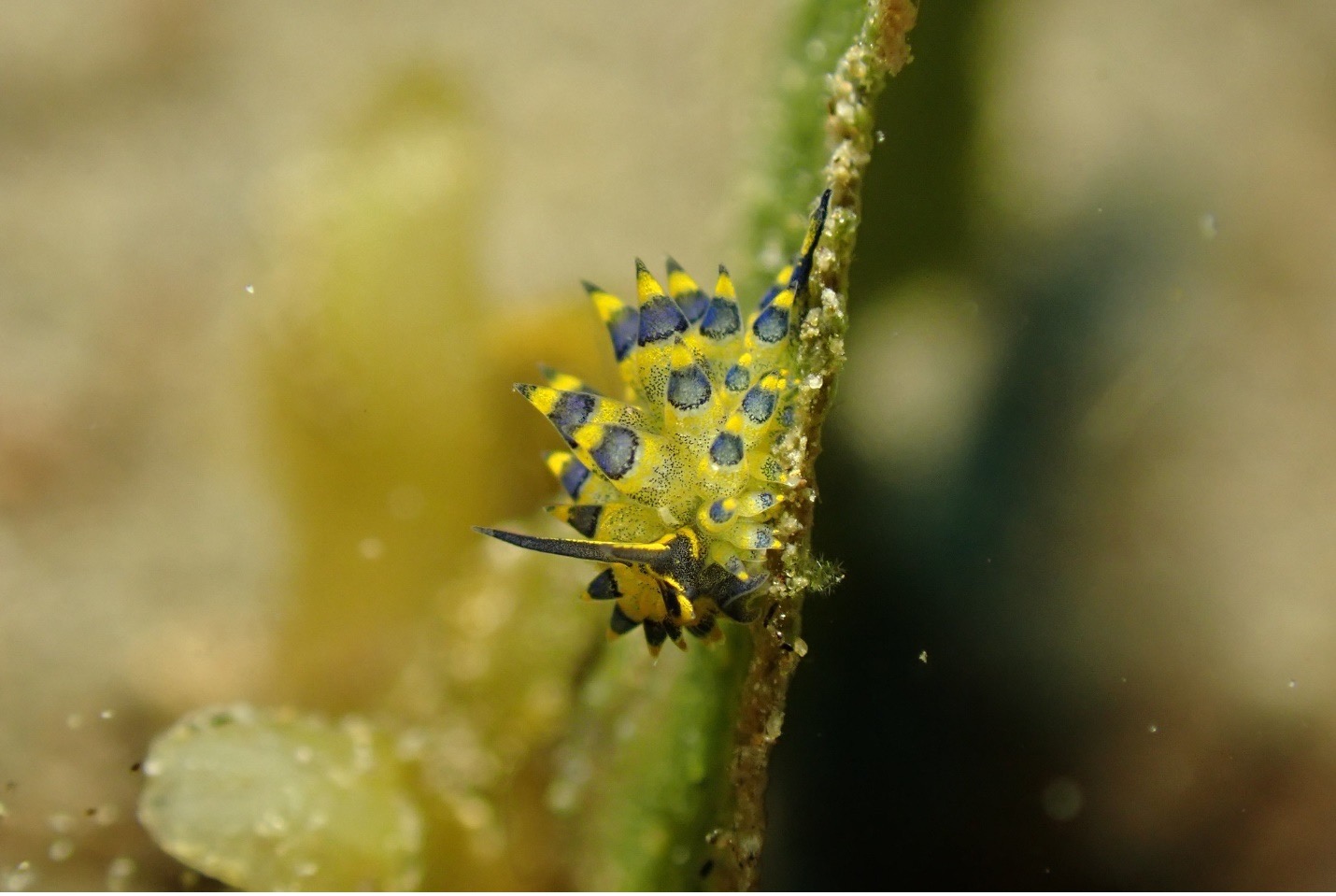
“Shawn the sheep,” a tiny sea slug named after a character from a popular stop-motion cartoon. The animal is only about the size of a rice grain, and lives exclusively on a semicircular algae. The slug grazes on the algae but doesn’t digest all of its cells: instead, it keeps them functioning in its translucent body, where they continue to generate sugars from sunlight, just like they do in the algae. This makes this unusual animal a “solar powered slug”
.jpeg)
