• Man at His Best 2025
  • Long Reads
  • Style
  • Money
  • Wheels
  • Culture
  • Opinion
  • CORNER OFFICE
Search
Menu
Close
Close
  • Man at His Best 2025
  • Long Reads
  • Style
  • Money
  • Wheels
  • Culture
  • Opinion
  • Style
    • Fashion
    • Grooming
    • Watches
  • The Good Life
    • Pursuits
    • What She Wants
    • Mavericks
    • The Directory
    • The Noble Man
  • Culture
    • Food & Drink
    • Arts & Entertainment
    • Lifestyle
    • Tech
    • Movies & TV
    • Music
    • Books & Art
    • Design
  • Wheels
    • Cars
    • Motorcycles
    • Drive
  • Money
    • Industry
    • Wealth
    • Capital
    • Movers
  • Long Reads
    • Notes & Essays
    • ESQ&A
    • What I've Learned
    • Fiction
    • Features
  • Life
    • Sports
    • Health & Fitness
    • Women
    • Sex & Relationships
    • Travel
  • Politics
    • Opinion
    • News
  • COUPONS
  • About Us
  • Terms of Use
  • Privacy Policy

NPC Seal of Registration

Esquire has been granted the NPC Seal of Registration in recognition of the successful registration of its DPO and DPS

BIR Seal of Registration
© 2026 EsquireMag.ph, All Rights Reserved
Long Reads

This Traveler From Taiwan Has Visited All 82 Provinces of the Philippines

By Allan Carreon
Nov 17, 2025

Travel has become accessible for more and more Filipinos nowadays, particularly with the advent of more convenient ways to plan and execute a trip. In the last decade or so, being able to visit all 82 provinces of the Philippines has become a source of pride for many locals—a way to support the country, its beauty, and its place in the global landscape for travel.

In the last few years, a group called the The Philippine Global Explorers, which was co-founded by Riza Rasco, has helped support the industry by verifying and honoring travelers who have made it to all 82 provinces and awarding them the prestigious title of Philippine Travel Master.

However, this year, during the organization’s second annual ceremony to be held in December, something unusual will happen: for the very first time, a foreigner will be given the honor of Philippine Travel Master.

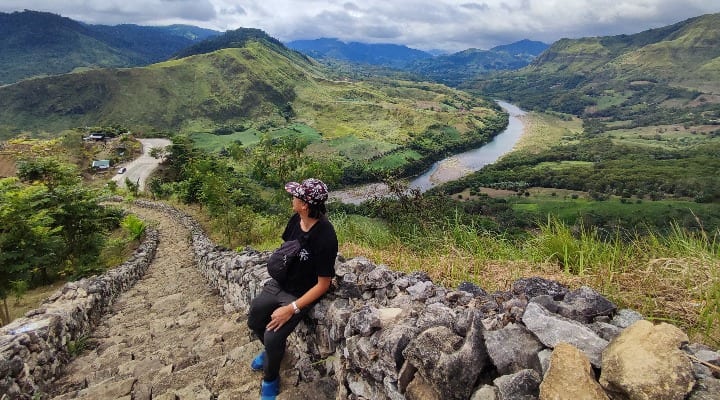
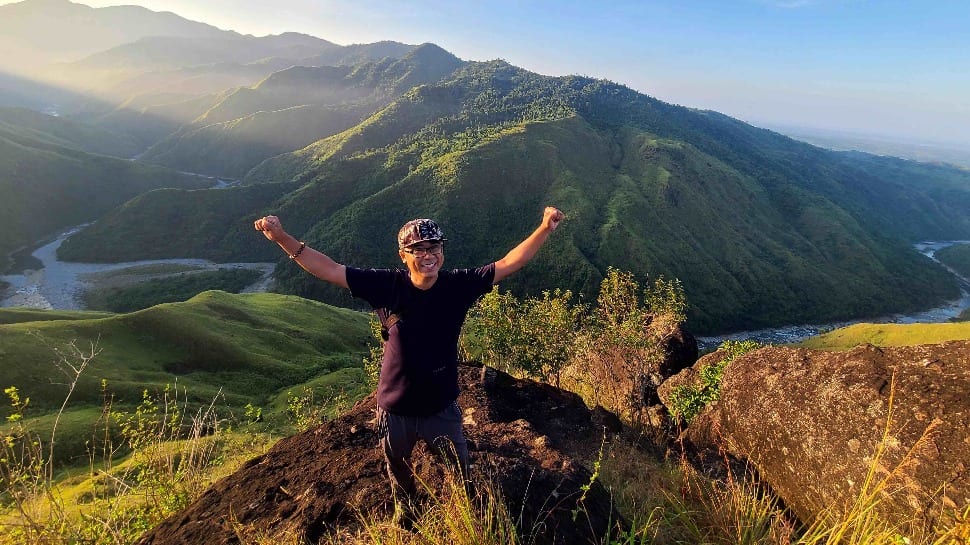
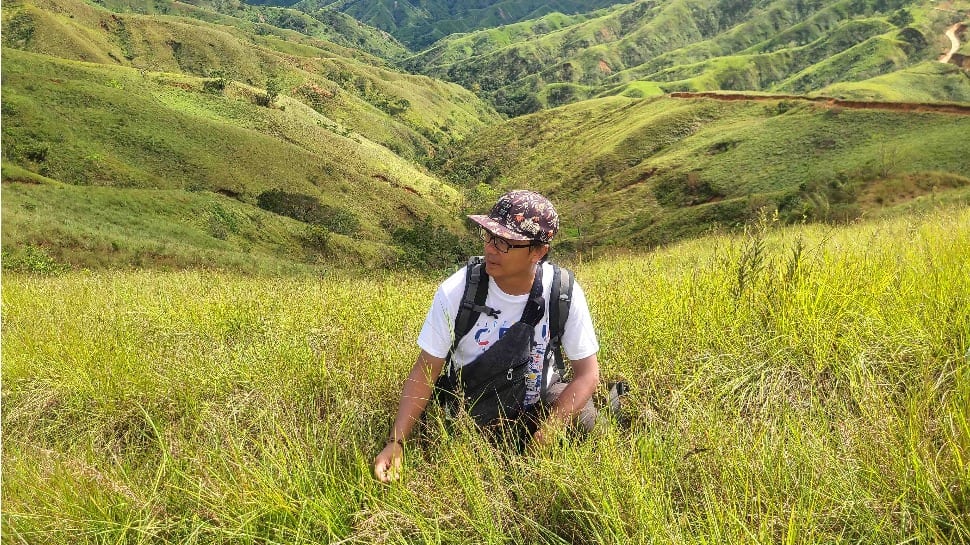
Taiwanese traveler Justin Liu in Apao Rolling Hills, Abra
ADVERTISEMENT - CONTINUE READING BELOW
taiwanese traveler justin liu in abra
Justin Liu

Yes, a non-Filipino has been able to cover ground and set foot on every province in the country. 

ALSO READ

Meet the First Filipina to Visit All 203 Countries and All 82 Provinces of the Philippines

Travel Goals: Meet The Girl Who’s Been to All 81 Provinces of the Philippines

CONTINUE READING BELOW
watch now

Taiwanese national Justin Liu first came to the Philippines in 2010 and now works as a freelance writer.

“I have traveled around the Philippines for almost 15 years now because I love the Philippines,” he tells Esquire Philippines. “I’m based in Manila now."

Born and raised in Taiwan, Liu grew up in Taipei City, but says he doesn’t consider himself a city guy. “I always like nature,” he says. “I like adventures.”

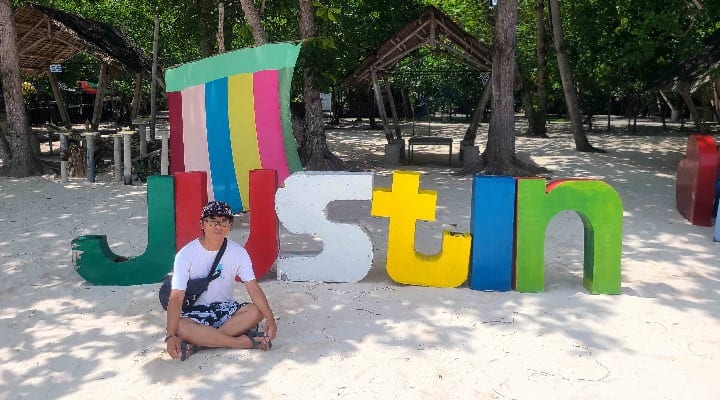
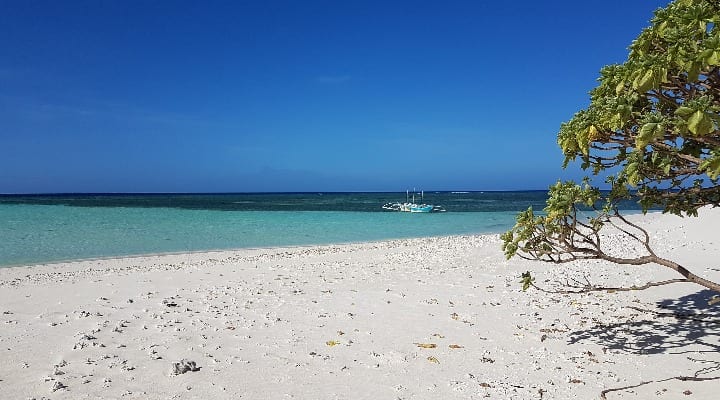
In Cala-Cala Island, Palawan
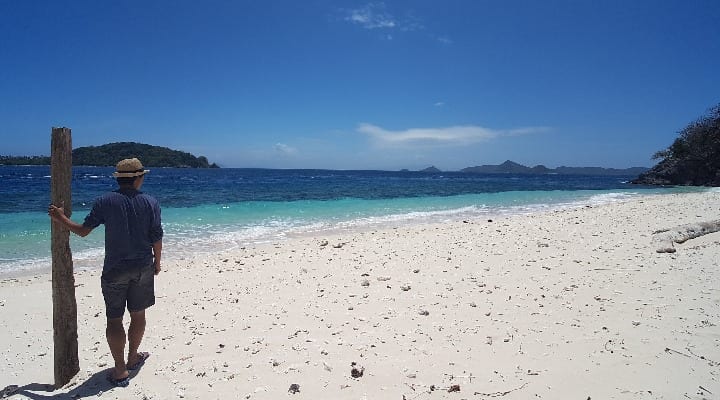
article big image
PHOTO: Justin Liu

He also enjoys history, which he took up as his major when he went to university. “I like to know about the social (norms), the history, and the people of a place. I’m full of curiosity. I want to see how different people (live) in other countries.”

Liu shares that Taiwan has mandatory military service; however, there is an option to do volunteer work instead. Thus, in 2010, when an opportunity to do volunteer work teaching in the Philippines presented itself, he grabbed the chance. He was assigned to work in a Catholic school in Tacloban, Leyte, teaching Mandarin to students.

ADVERTISEMENT - CONTINUE READING BELOW

“Before, when I was in Taiwan, I didn’t actually know the Philippines much,” he admits. He says he only knew that it was a country geographically close to his own home.

Liu tried to Google information about Tacloban, but says didn’t find much. He had apprehensions, not knowing a lot about where he was moving to and not knowing what could happen. 

In Biak na Bato, Bulacan

taiwanese traveler justin liu in bulacan
Justin Liu

“The first time I came to the Philippines, I had a (piece of) luggage, and I put a lot of shampoo and soap,” he says with a small laugh, “because I didn’t know if I can buy these here.”

Of course, the misconceptions and initial perceptions vanished soon thereafter, and he immersed himself in the work he needed to do. “It was very difficult because the kids are very naughty, always running around,” he recalls with a smile. “It’s a Chinese Catholic school. Most of them, their parents have Chinese blood. But actually, I think they didn’t (really) have the intention to learn Chinese.”

Despite the challenges, one thing really struck a chord in him. As someone who loves nature, “I started to love the nature of the Philippines,” he shares. “That’s the main reason I stay here. The nature is really amazing.”

ADVERTISEMENT - CONTINUE READING BELOW

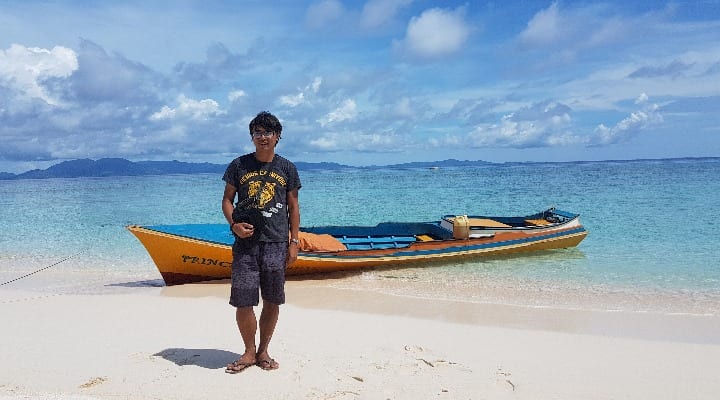
In Camiaran Island, Palawan

article big image
PHOTO: Justin Liu

Traveling around the country

Seeing there was much to explore in the Philippines, Liu started to spend many years just going around the country. As with many travelers, he didn’t really initially have the conscious intention of needing to visit all 82 provinces of the country. What he really wanted was to introduce the Philippines to more people in Taiwan or other Mandarin speaking nationals because he believed it’s a place worth going to.

Thus, in 2013, he published a Chinese language travel book about the Philippines. “At that time, I wrote the book because I thought maybe I’m the only one,” he muses. “Maybe I’m the only Taiwanese who can write a book about the Philippines as a tourist destination.”

“People like to ask me, which place (in the Philippines) do you like the most?” he continues. “I always say each place has its own beauty. It’s very hard to say where is the most beautiful. Some like Boracay. Some people like Palawan. For me, it’s all different. I like to find secret spots that are not so famous. I like to go mountains where people don’t go to.”

In Cresta de Gallo, Sibuyan Island

taiwanese traveler justin liu in sibuyan
Justin Liu

In Grande Sta. Cruz Island, Zamboanga del Sur

taiwanese traveler justin liu in zamboanga del sur
Justin Liu

Once Islas, Zamboanga del Sur

taiwanese traveler justin liu in zamboanga del sur
Justin Liu

As time went by, he traveled to more and more places in the Philippines, noting that he didn’t want to just “collect” provinces. “I want to explore more. If I go to a province, I’m not just, ‘Oh, that’s one spot, then finished.’  No, I want to see more spots as I can in the province.”

He proudly mentions that he has been to more than 2,000 spots across the 82 provinces. “So it’s like each province, I did 25 spots on the average.”

Of course, it’s not always easy. “Sometimes I feel so lazy,” he shares. “Before departure, I always say, ‘Oh, maybe I’ll just give up.’ But then I think, if I give up, maybe I cannot see that spot anymore. So I still keep going.”

This may have something to do with what he highlights as a key challenge when traveling around the Philippines. It’s not so much language barriers or safety, he notes. 

“It’s transportation. It’s one of the biggest problems of Philippine tourism. You don’t know where and when to take the bus or van, when is the last train, last bus, last van,” he says. “Especially if you go to the mountains, you don’t know if there’s a car to go back. You need to arrange. Even if you search on the internet, you cannot find so much information.” 

In General Fullon, Antique

article big image
PHOTO: Justin Liu

Among the especially difficult places for him to reach were Quirino and Zamboanga Sibugay, which were the last provinces he visited. He also noted his experience going to Sulu. 

“Before I went to Sulu… at that time, I had some trouble (getting) there,” he narrates. “In Zamboanga City, the coast guard didn’t allow me to go there. They said you need to find a local tour guide, then you can go. Then when I was at the pier, the ferry was cancelled. So I persuaded them to let me take another ferry. And when we arrived there, they sent three soldiers to accompany me.” 

Liu considers Seco Island in Antique as one of the most beautiful islands in the Visayas

taiwanese traveler justin liu in antique
Justin Liu

Panampangan in Tawi-Tawi is the longest sandbar in the Philippines

taiwanese traveler justin liu in tawi tawi
Justin Liu

As someone who has been in the country since 2010, Liu, of course, is not unaware of potential safety issues, especially for foreigners like him, in some parts of the country. However, as early as 2011, he says he’s been able to go to various places north to south that may have been deemed possibly unsafe for tourists. 

When asked by other Taiwanese whether the Philippines was dangerous or not, his response would always be, “It depends. If you feel it’s dangerous, you go to any country in the world, it can be dangerous.” He believes one must simply exercise the right amount of caution, “observe the environment, look around…” but that it shouldn’t be a hindrance. 

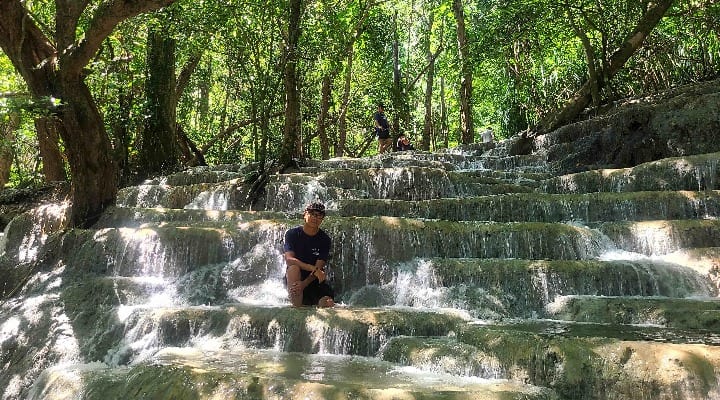
Kaparkan Falls in Abra 

article big image
PHOTO: Justin Liu

Ultimately, for him, the experience in meeting different people is worth it. He highlights Filipinos—especially Mindanaoans—as being particularly nice, friendly, and hospitable. 

He shares a story about a teacher that he and his Taiwanese roommate had just met on the bus, and she invited them to stay in her house. She even had them sleep in the master’s bedroom while she and her husband slept in a smaller room. “It’s very impressive.” 

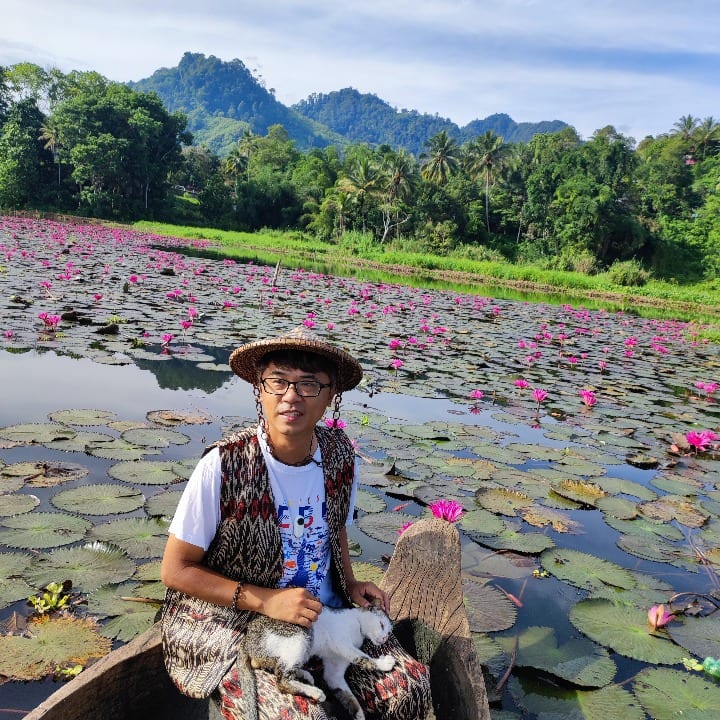
In Lake Sebu, South Cotabato

taiwanese traveler justin liu in south cotabato
Justin Liu

Among the many provinces he has been to, he mentions Sultan Kudarat as having surprised him the most. “At that time, when I went there, there’s not too much information about the province,” he says. “So when I went there, I went to the tourism office. The tourism officer, Toto was so helpful! He was the most joyful Filipino I’ve ever seen. He’s full of passion about the tourism. He arranged a lot of things. He sent people to accompany me to the mountain.” 

Honorary Filipino

Having moved here, Justin has become quite acculturated with Filipino society. In many ways, he has become almost like a local, too.

For one, he has learned Tagalog. “Kaunti lang,” he replies. “Like ‘magkano.’” He laughs.

Landingan Viewpoint, Quirino, which was one of the last provinces Liu visited

article big image
PHOTO: Justin Liu

However, our entire nearly hour-long conversation refutes this claim. He speaks the local language very well. He even understands the meaning of and nuance of the word kilig, a word that locals know has no strong direct translation in English.

“I only learned by myself,” he says, “through communication in daily life. Also, because here I can speak English, too.”

As a seasoned adopted local, Liu also has his own tips to share. For first time travelers, for example, he would recommend easier, more developed places like Cebu, Bohol, and Palawan. Aside from these being more developed, “(these are) also very tourist-friendly. They have a lot of travel agencies that can arrange everything unlike, say, Mindanao.”

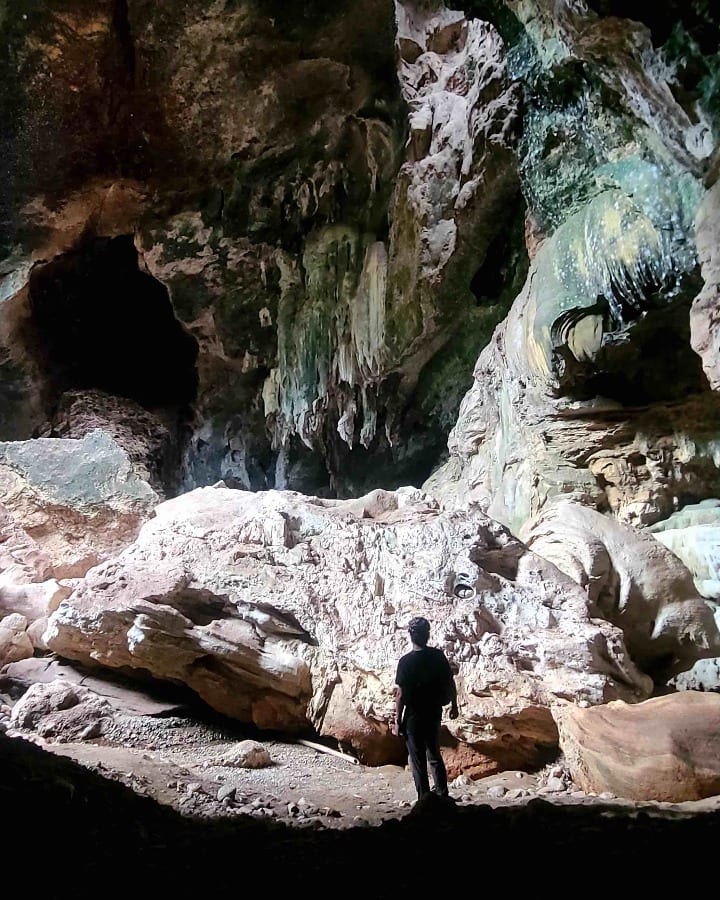
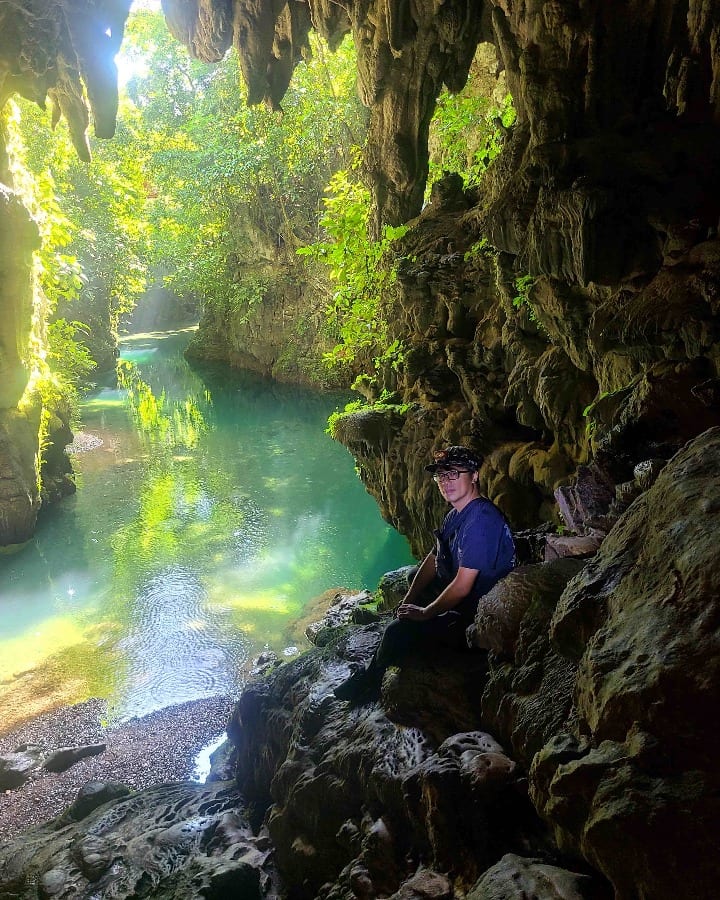
Lussok Cave, Apayao

taiwanese traveler justin liu in apayao
Justin Liu

Malangaan Cave and Spring, Bulacan

taiwanese traveler justin liu in bulacan
Justin Liu

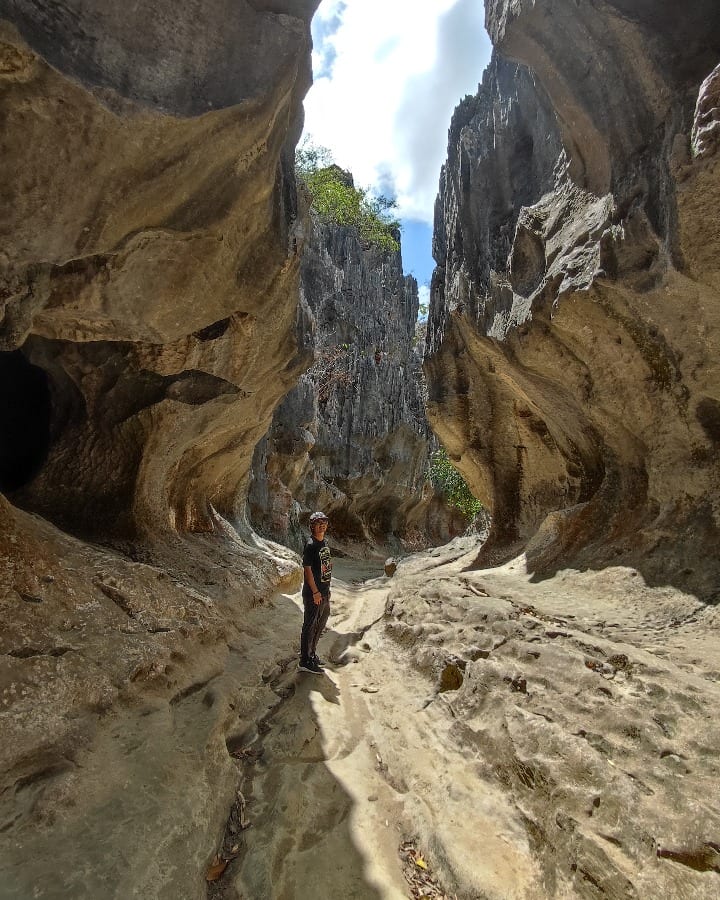
In Minalungao National Park, Nueva Ecija

taiwanese traveler justin liu in nueva ecija
Justin Liu

He has also become immersed with Filipino food. He likes sizzling sisig, lechon, halu-halo, and, surprisingly, balut, which is a delicacy very few foreigners even touch, let alone like or enjoy. 

When we did a Fast Talk style sequence during our interview, the amount of knowledge Liu had, even about some of our lesser known provinces, was extremely impressive. He knew about the Ivatans of Batanes, the origins of sisig in Pampanga, rock formations in Rizal, the marble industry of Romblon, the folklore around Siquijor, Douglas MacArthur’s role in Leyte, the beaches in Sulu, and more.

Liu also has a great perspective on the cultural differences between his homeland and his adopted home. “I think Filipinos are more cozy,” he observes. “The lifestyle is easygoing. Even when you have a typhoon or flood, you still smile—because maybe you know you cannot change the situation. You just need to face it.” 

“But in Taiwan,” he contrasts, “it’s more strict. Everything is like, you can’t do this, you can’t do that. You need to follow the rules. But in the Philippines, sometimes…like, jaywalking is okay,” he jokes. “But actually, I like the lifestyle like that. I don’t like too many strict rules.” 

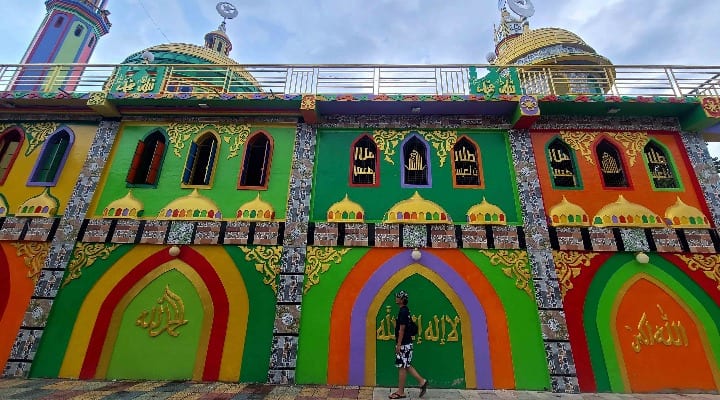
Masjid Rainbow, Zamboanga del Sur

article big image
PHOTO: Justin Liu

Liu also highlights festivals that he has attended and how these have helped him acculturate. “When I went to (some) places, I didn’t know there’s a festival. I just happened to be there, like the Magayon Festival. I think it’s May.” 

He also mentioned having experienced the Feast of the Black Nazarene in Quiapo, and he even candidly notes the date accurately. “I think it’s January 9. I also joined. There were like millions of people.” 

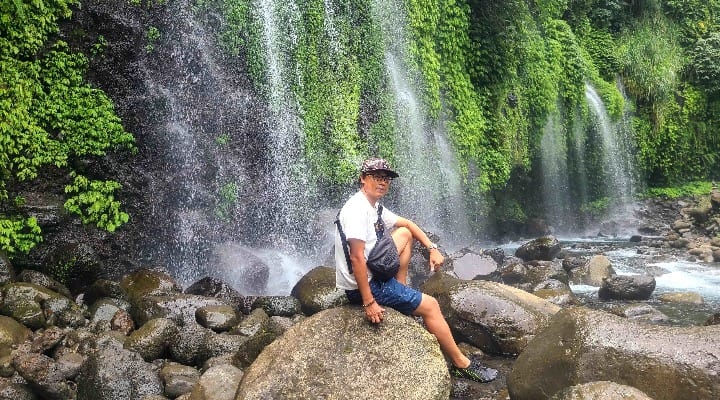
In Piduan Falls, Misamis Occidental

taiwanese traveler justin liu in misamis occidental
Justin Liu

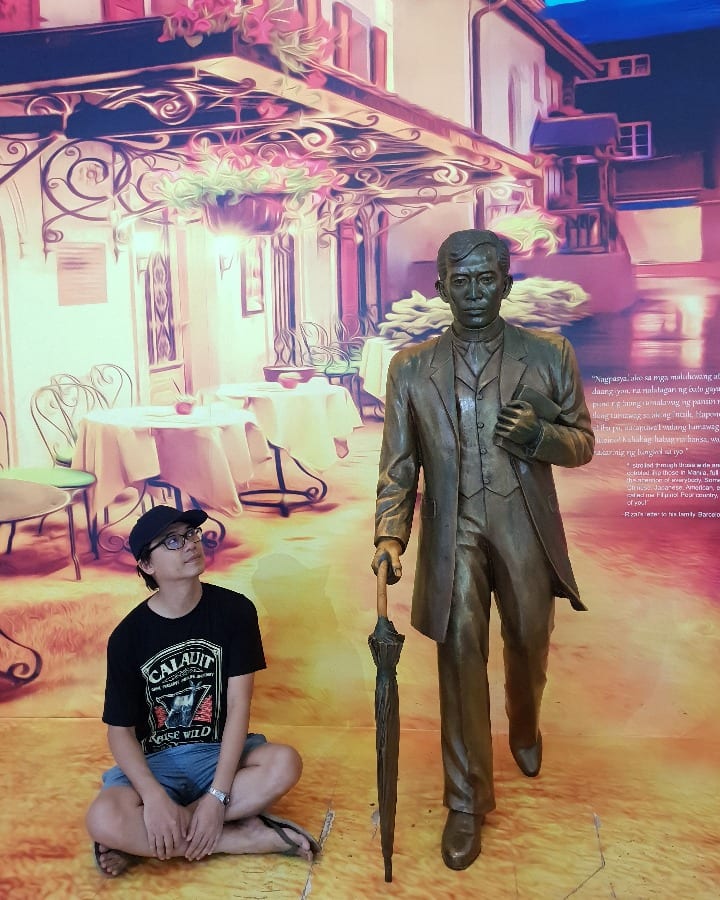
At the Rizal Shrine in Calamba, Laguna

Justin Liu in laguna
Justin Liu

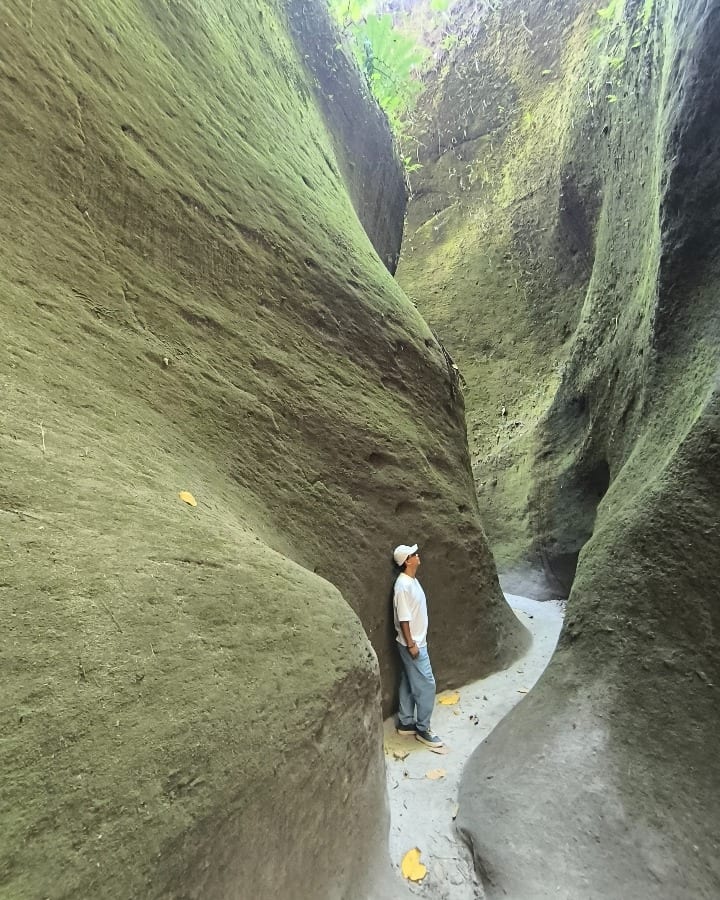
Tutulari Avatar Gorge, Pampanga 

taiwanese traveler justin liu in pampanga
Justin Liu

When asked about his thoughts on how Filipino festivals compared with Taiwanese festivals, he gave very astute observations.

“The passion is similar,” he says. Referring to his experience with the Black Nazarene, he notes, “It was my first time to join (as part of) the crowd. I see the passion of Filipinos for religion is impressive.”

“However, In Taiwan,” he adds, “we didn’t get taught to believe in God. Or it depends on yourself. Maybe now, I don’t have religion, but when I get older, or I start to believe there’s a God, you can choose to be Muslim, Catholic, Christian, Buddhist, (whichever) is okay for you. So for me, it’s more like tradition, not religion, in Taiwan.”

Getting verified

When Philippine Global Explorers invited the public to get verified for visiting the 82 provinces, Liu knew he wanted to do it. “I just wanted to get it,” he admits, “because I don’t know if there are some other foreigners who were going to do that. I spent so many years, and I default my life now to the Philippines. After spending 15 years (of my life) in the Philippines… maybe here I can find some people with the same interest and passion about Philippine tourism. Maybe even promote it." 

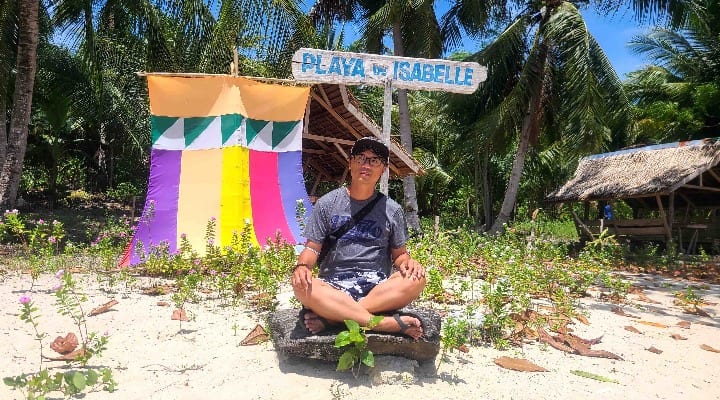
Tan-awan Bato, Isabela

article big image
PHOTO: Justin Liu

Traveling across a country not his homeland has also influenced his perspective about what “home” means. “In my trips, I (have seen), as a Taiwanese, that we should cherish what we have already.” He has seen some of the difficult sides of Filipino life, a contrast to his life in Taiwan, and it has given him the knowledge of how to understand each other. 

Now that Justin has completed the journey of the Philippines’ 82, he has no plans of stopping. He has been traveling around Southeast Asia as well. In fact, he had just come back from Malaysia before our interview. He also wants to travel more around the world.

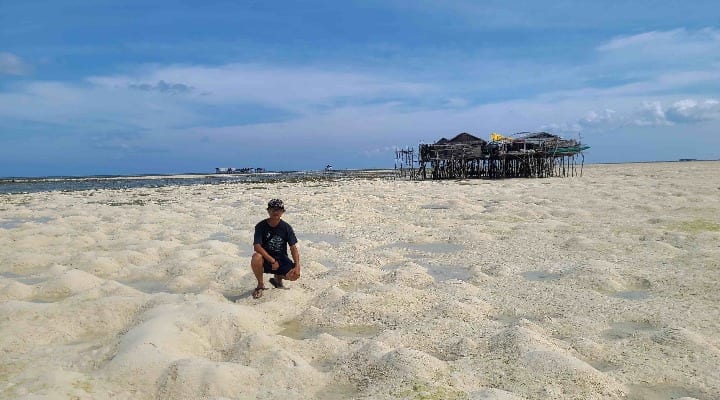
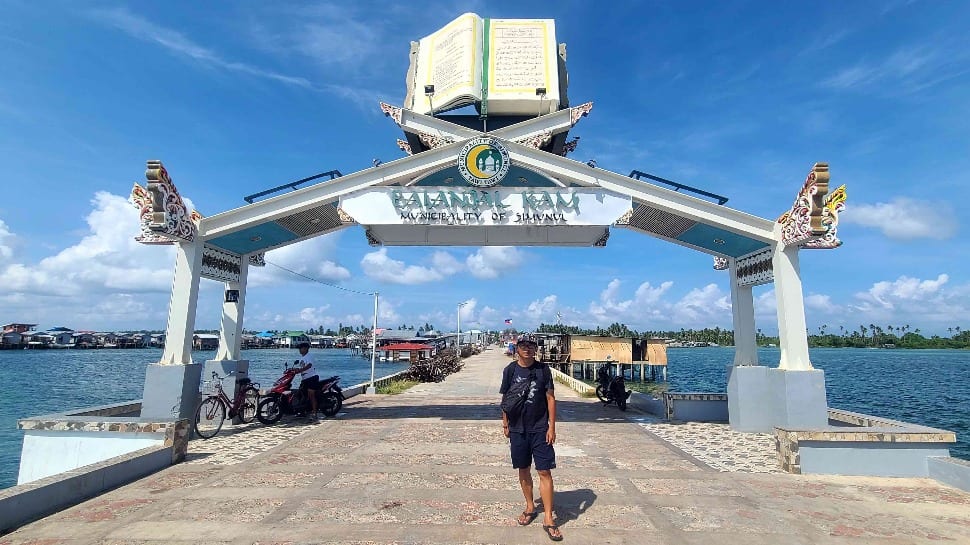
Simunul Island, Tawi-Tawi

taiwanese traveler justin liu in tawi-tawi
Justin Liu

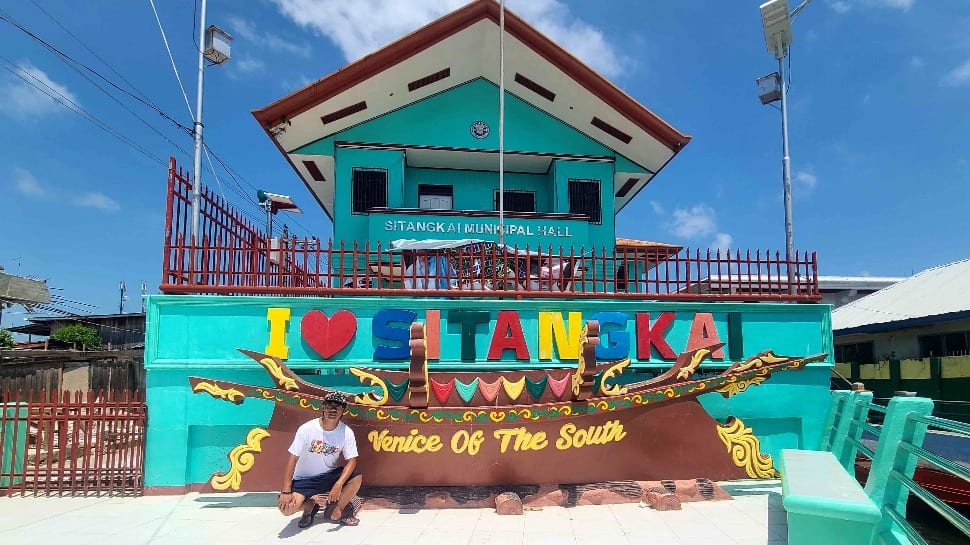
Sitangkai in Tawi-Tawi is one of the most Southernmost towns in the Philippines

taiwanese traveler justin liu in tawi-tawi
Justin Liu

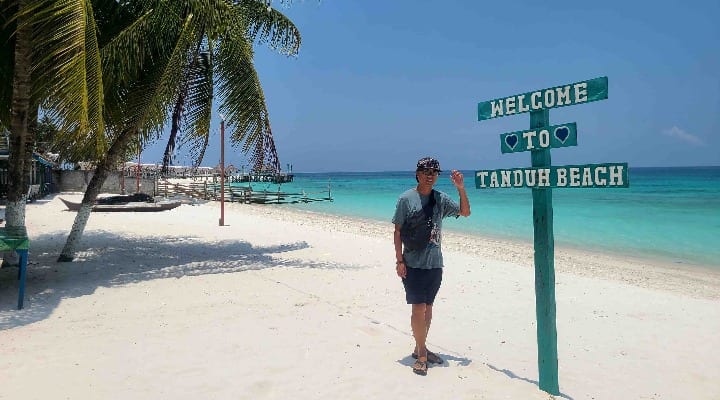
Tanduh Beach, Sulu

taiwanese traveler justin liu in sulu
Justin Liu

He also has his own advice to anyone—Filipino or foreigner—who may want to visit all the provinces of the Philippines.

“If you want to do the same thing (as I did),” he says, “don’t be scared. Just be brave and keep your passion. Just come to the Philippines.”

More from esquire

Read Next
The Party Goes On for Boracay Institution Nigi Nigi Nu Noos
Read more stories about
  • travel,
  • philippines,
  • con-00289,
  • traveler,
  • extreme travel,
  • justin liu
Most Shared
by author
Esquire Money
Most Popular
Latest Feed
The New Dean of New York University's Faculty of Arts and Science Is a Filipino
Armscor CEO Martin O. Tuason Passes Away at 51
A Fond Farewell to Chocolate Lover Inc.
The 8-Ball of Greatness in Philippine Pool
Tom Cruise Wore an Extremely Rare £70,000 'President' Rolex Watch to Accept His First Oscar
What Can Poetry Teach Us about Natural Disasters?
#InTheLoop
  • Politics
  • Culture
  • MONEY
  • Style
  • Long Reads
© EsquireMag.ph, All Rights Reserved.
  • About Us
  • Contact Us
  • Terms of Use
  • Privacy Policy
  • Sitemap
BIR Seal of Registration
Close

We use cookies to ensure you get the best experience on Esquiremag.ph. By continued use, you agree to our privacy policy and accept our use of such cookies. Find out more here.

Present
Read Cover Story
Read Cover Story
Catfish Image