
In Bulacan, Flood Is a Way of Life

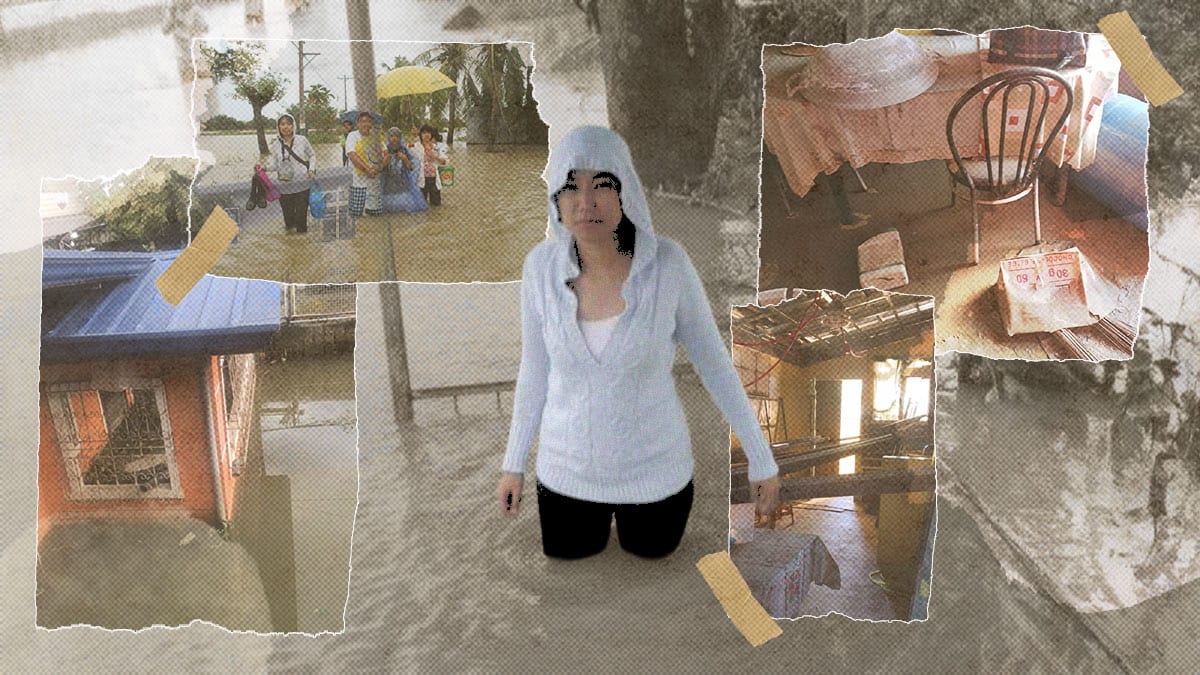
ILLUSTRATION: Igi Talao
The water is not clear. It's a thick, muddy brown, churning stew of earth, with rotting water lily stems, debris, and forgotten things. It creeps up silently at first, a cold, wet kiss on your ankles, a trickle that grows into a surge. Before long, you're wading through a surreal, amphibious existence where street signs are already half-submerged and the ground you once walked on has turned into a treacherous, unseen floor. The sensation is unsettling. Every step is a gamble, and the unseen debris beneath the surface makes you flinch, fearing a sharp stone, a jagged piece of metal, or the sudden, terrifying plunge into an exposed manhole. It's a journey not just through murky waters, but through a constant, low-grade anxiety of what you might step on next.
The writer and her family walk through knee-deep floodwaters during Typhoon Pedring in 2011.
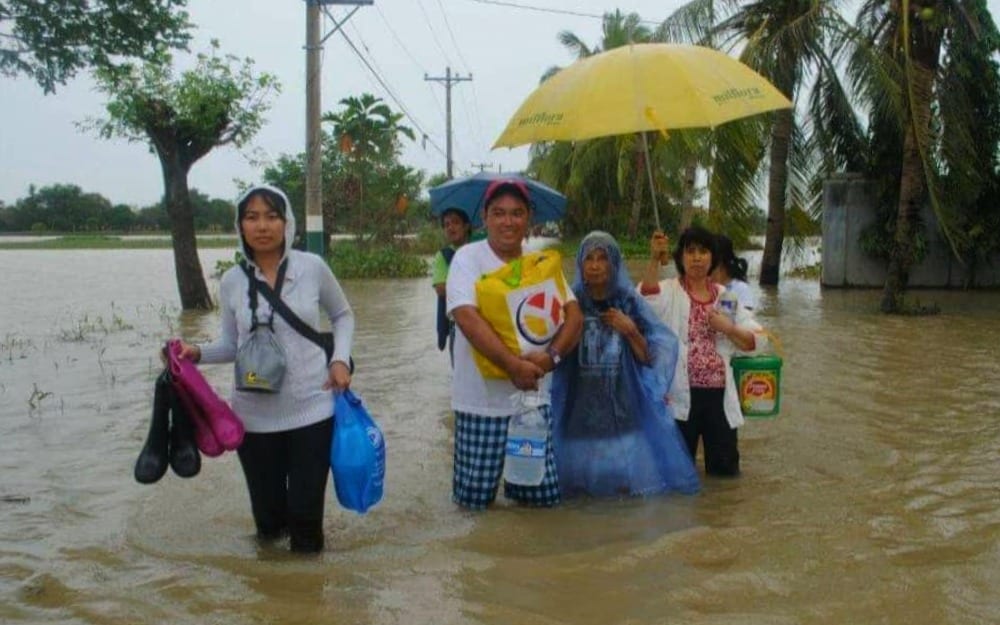
This scene has become a regular occurrence during typhoon season in Bulacan.
ALSO READ:
How a Nation's Frustration Found its Voice on the Streets
In Calumpit, Bulacan, this has been going on for decades. I remember visiting my grandmother in our ancestral home as a kid; I loved the sound of the rain and thunder during the monsoon season. My cousins and I would run outside and play in the downpour, chasing frogs in the rice paddies and corn fields. I'd run to my grandma's backyard, just a stone's throw from the Apalit-Calumpit tributary of the Pampanga River, and watch the fish try to swim back upstream as the water slowly rose. It was a fascinating scene for a kid. After the rain had mellowed and the ankle-to-knee-deep flood subsided, I'd enjoy the sound of crickets and the sight of fireflies coming out from their temporary refuge.
But now, every single drop of rain brings on a wave of anxiety. Nevertheless, we have learned to adapt to our new normal. For every Bulakenyo living in the barrios and puroks, it's just another regular day. It's like a quiet, slow takeover that we've all just gotten used to. We have learned to literally carry our lives on our backs to get around; the food, the television set still under credit installment, the hens and pigs, the kids. Folks put up makeshift bridges out of wood planks, set up sandbags to keep the water from getting inside their homes, and ready their rafts and boats. Neighbors call out to each other, offering to help carry heavy things to the second floor, to share a dry space, or to announce when the next government ration of water and goods is scheduled to arrive. The sound of hammering planks and the rustle of sandbags becomes the soundtrack of the season. And the kids, bless their hearts, play in this watery world like it's a normal park. They find a strange kind of joy splashing around, oblivious to the deeper problems. Honestly, if you've never had to feel the water pressing against your chest, the worry about what's underneath, then good for you!
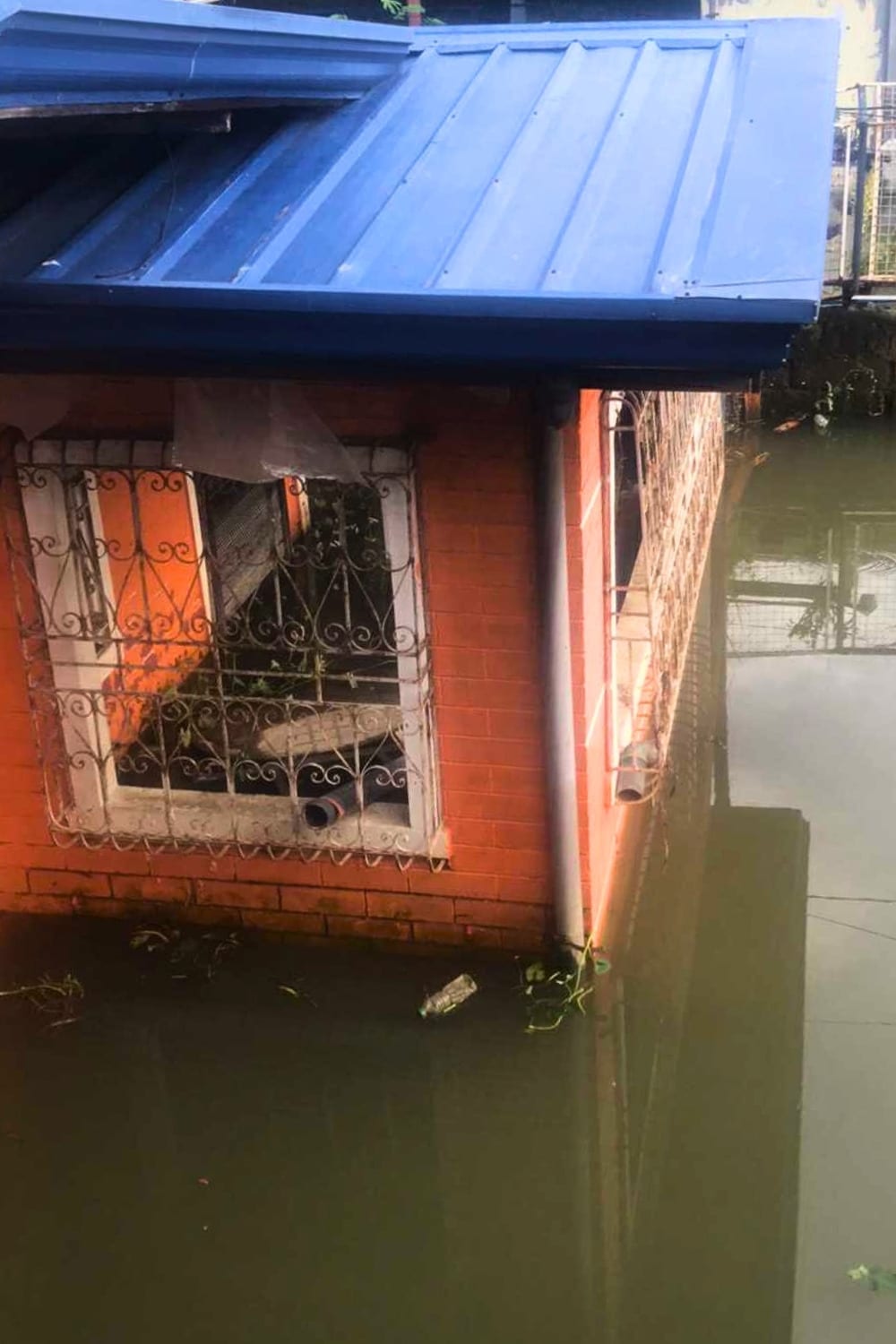
In July 2025, waist-to-chest-deep floodwater once again plagued the province of Bulacan.
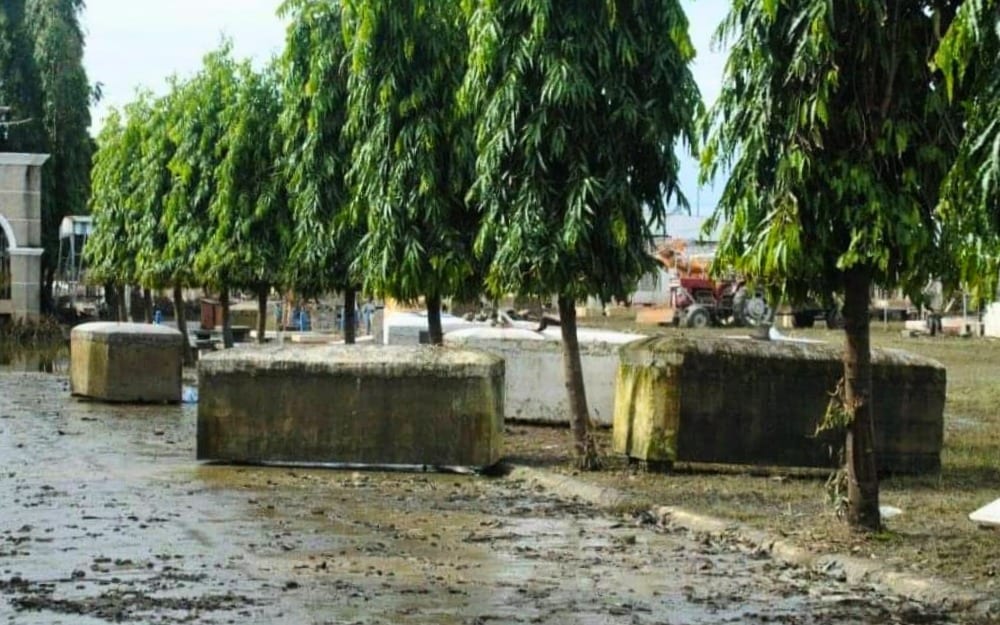
When the water receded, a thick layer of mud and debris was left behind inside homes.
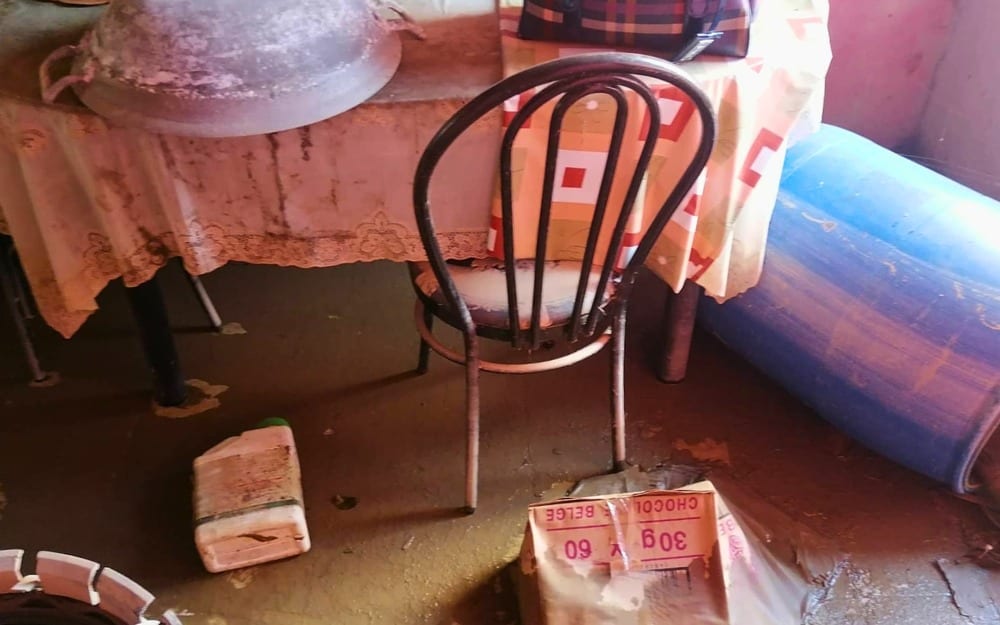
But the real flood isn't even the water. It's the huge wave of frustration and hopelessness that comes with it. Because we know, deep down, that this whole mess could have been prevented. All that money meant to improve drainage systems, dikes, and flood management measures has simply been stolen. Trillions of pesos, no matter who is in charge, just get pocketed. That money was supposed to finance road repairs, pumping stations, community evacuation centers, not to mention improving our healthcare and public school facilities and services. Instead, billions are spent on luxury cars, overseas travel, and private jets. The budgets are allocated, and yet nothing ever changes. The project signs go up, the ground is broken, and then, nothing. Our lives are completely upended for no apparent reason, even though we are all in this together. We are left with the same predictable man-made disaster, year after year. The empty promises and hollow assurances are just as predictable as the rain and thunder. It's an endless cycle of theft and neglect, and we are the ones left drowning in their failures, completely forgotten.
Tieza Santos is a Europe-based Filipina scholar, public policy and sustainability specialist, and development professional working on climate change, water and environmental governance, complex systems transitions, sustainability transformation, and open science. She holds an M.Sc. in Environmental Sciences and Policy, an M.A. in Global Politics, and an A.B. in European Studies - International Relations.
