
Financial Adviser: 5 Business Lessons Everyone Can Learn from Charles Paw, Founder of Digital Walker and Tasteless Group

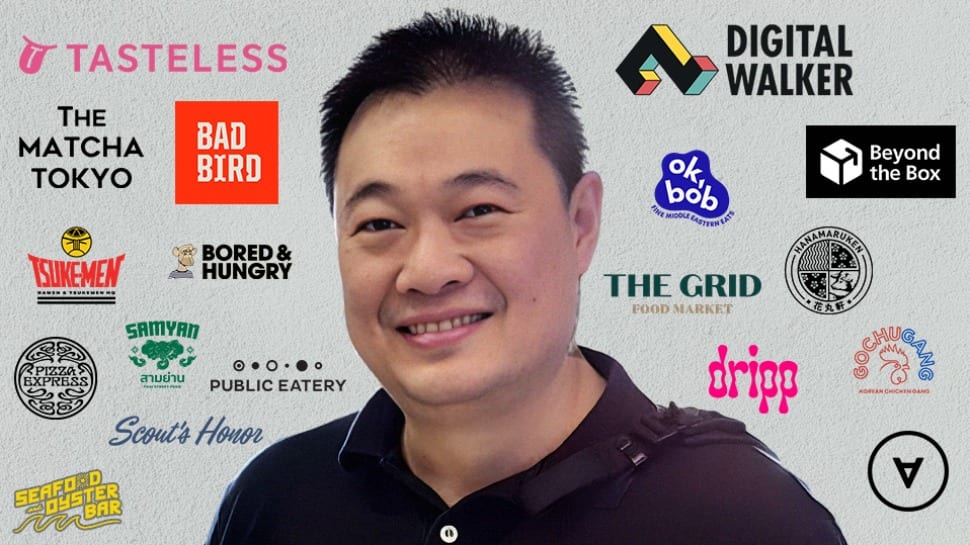
From his early days of selling computer parts in Greenhills to establishing one of the largest gadget stores in the Philippines and successfully venturing into the food industry, Charles Paw has demonstrated what it takes to turn challenges into opportunities. His story serves as an inspiration to aspiring entrepreneurs, showing that with vision, determination, and the right strategies, success is within reach.
Paw’s entrepreneurial journey began under challenging circumstances. At just 19 years old, he ventured into the business world by sourcing computer parts from Sham Shui Po in Hong Kong and selling them to shops in Greenhills. His knack for identifying quality parts set the foundation for his future success.
He set up a small shop in Greenhills that specialized in assembling and troubleshooting computers. His expertise in sourcing high-quality computer parts quickly gained him a reputation, which eventually caught the attention of his cousins who invited him to become a partner in launching their new store, Games and Gadgets, in Greenhills.
As the business grew, Paw proposed opening a premium gadget store to cater to the high-end market. When his partners hesitated in this new direction, Paw sold his shares and ventured out on his own. This decision gave birth to Digital Walker.
The store faced significant challenges in its initial years, but when Paw secured the distributorship of Crumpler, an emerging brand for camera bags, the new partnership not only boosted Digital Walker's product offerings but also significantly improved its market position.
Capitalizing on the success of Digital Walker, Paw also launched Beyond the Box, a premium store that caters to Apple products. This venture further solidified his presence in the high-tech accessories retail market for gadget enthusiasts and tech-savvy consumers alike.
Today, Paw owns the largest chain of tech accessories and gadgets stores in the country with 100 combined outlets of Digital Walker and Beyond the Box. Paw is also looking to double his number of outlets in the next five years.
In 2005, Paw diversified his business portfolio by venturing into the food industry. He brought Hanamaruken, a popular ramen restaurant from Osaka, Japan, to the Philippines. This was followed by the establishment of food halls in malls such as The Grid in Rockwell and The Public Eatery in Robinsons Magnolia. His innovative approach led to the creation of several successful brands such as Fowlbread and Bad Bird.
After the pandemic, Paw successfully franchised The Matcha Tokyo and Gashapon Bandai from Japan. He is also introducing frozen yogurt Yole from Singapore this year. These ventures highlight his ability to identify and capitalize on market opportunities, further expanding his food business empire.
How did Paw expand Digital Walker and Beyond the Box despite the growing competition in the market? What lessons can aspiring entrepreneurs learn from Paw's journey of turning challenges into opportunities?
Here are the five business lessons every entrepreneur can learn from Charles Paw, founder of Digital Walker and Tasteless Group:
ALSO READ
1| Know how to identify market gaps and opportunities
Finding and exploiting market gaps allows entrepreneurs to offer unique products or services that are not currently available. This differentiation can create a significant competitive advantage, setting the business apart from its competitors.
Market gaps often present opportunities that improve a business’s market positioning. By being the first to fill a gap, a business can establish itself as a leader in that niche, enhancing brand reputation and market share.
Entrepreneurs who continuously seek out and capitalize on market gaps are more likely to sustain long-term success. This proactive approach to identifying opportunities ensures that the business remains relevant and competitive over time.
Paw's ability to identify market gaps and foresee potential opportunities has been a cornerstone of his success. From recognizing the price discrepancies of computer parts in Hong Kong to envisioning the demand for premium gadget stores and niche food brands, his visionary thinking has consistently guided his entrepreneurial decisions.
Paw’s initial venture in selling computer parts to stalls in Greenhills demonstrated his proactive approach and opportunistic mindset. When he saw an opportunity to expand his small store into a larger space, he invited his cousins to invest and partner with him, resulting in the establishment of "Games & Gadgets," which quickly grew to five stores.
Despite this success, Paw recognized a greater opportunity in the premium segment. His decision to sell his shares and establish Digital Walker highlighted his foresight and willingness to take calculated risks.
Paw's strategic foresight and networking skills were further demonstrated when he secured valuable partnerships for distributing Crumpler-branded camera bags. His innovative thinking and willingness to seize unexpected opportunities also led him to become an Apple product reseller by establishing Beyond the Box outlets.
“I started when I was in college,” Paw says. “It was my first time to travel to Hong Kong. I was working for my cousin and I got an incentive trip to Hong Kong, so I went to this computer gadget area called Sham Shui Po. During that time, na-discover ko yung mga CD-ROM drives, mga memory for computer na sobrang mahal sa Philippines. So kinalculate ko parang ang laki ng tubo ah. Ginawa ko, I bought a lot.
“I went to Greenhills and I offered it to the stalls so nag alok-alok ako. I sold out everything in one day, then after a few days I flew back again. Bili ulit that’s how I started.
“I think I was 19 years old at that time. I was first year college. Actually, hindi ako nag-finish ng college. One year lang ako sa UST tapos second year sa PSBA Manila, but I didn’t finish. Second year pa lang, I dropped out na. I didn’t like to study din kasi bagsak-bagsak din ako sa school eh. So sabi ko magbu-business na lang ako. I decided to focus on the business.
“When I was selling in Greenhills at that time, I also loved to build computers, so what I did was I built computers and sold it to family and friends. Naga-assemble ako kasi dati wala akong store. I do it at home so ako lang and one staff na driver ko, kami lang. Na-realize ko na parang, every time nagbebenta ako ng computers sa family and friends, pag wala kang store, ikaw yung 24/7 sa support. Every time na may binentahan ako tapos nasira ng gabi, kailangan ko puntahan yun, so na-realize ko mauubos oras ko.
“So narealize ko na kailangan ko ng retail store kasi kung nagtayo ako ng retail store, I get to ask them to bring it there, I don’t have to go to them, so I opened my first store in Greenhills. It's a really small store like one table lang eh and nakihati pa ako kasi I cannot afford one full store. It was like 12 square meters and tig-isang table kami. Naghati kami. I was selling computer parts so every time may problem, dun ko pinapadala ganon.
“So I operated a small store lang siguro after a year there was an opportunity to get a bigger space. At that time I couldn't afford the bigger space, it was like 60 square meters. I couldn't afford that space, so I invited my cousins to invest—sila mag-finance and mag-partner kami. We got a bigger store and the name of the store was Games & Gadgets. We grew the business up to 5 stores that time.
“Pero after the fifth store, nag-iba na kasi my cousins wanted to make it low-end pero I wanted mas premium yung store. Feeling ko kasi, pag low-end mas maraming kang kalaban eh. Ayokong lumaban dun sa business na naglalabanan sa presyo? I wanted to go to premium na wala kaming kalaban. I didn't want to stay in the low-end market eh.
“So sabi ko kesa mag away away kami, buy me out na lang. Mag-sasarili na lang ako. That's the time I opened Digital Walker in Greenhills using the money I got from selling my shares
“At the time I brought in a brand that became really popular called Crumpler. That was my first international brand. We became so successful that we were able to open five Crumpler stores kasi may isang time nag-uso sya sobra and it did very well.
“At the time rin, by accident, we were able to meet the people from Apple. Aati wala pang Apple Philippines eh. So they were here from Singapore visiting and by accident lang I met them tapos nagkwento kwento, nag-coffee lang tapos sabi ko we are interested to open an Apple store. Anong mga requirements? So sabi nya sige sige, let’s just do parang business plan, ganon ganon, so we applied then and we got the license. I think kami yung second to the last, pero we got in at the right time.
“Kasi that time maliit pa si Apple eh. Dati wala pang iPhone, dati yung pinaka main product nila yung iPod yung music player tapos hindi pa sya nagwo-work for PC, it only works with Mac, so sobrang small ng market before when we started.”
2| Know how to differentiate and expand in a competitive market
Differentiation sets your business apart from competitors. It creates a unique value proposition that attracts customers to choose your products or services over others.
Offering unique products or services that meet specific customer needs can foster strong customer loyalty. Loyal customers are more likely to return and recommend your business to others.
Combining differentiation with scaling ensures that growth is strategic and sustainable. A strong store brand can grow more easily as it expands into new markets. Customers familiar with the brand are more likely to trust and adopt new products or services.
From the outset, Paw showed a clear understanding of his target market and what he wanted to sell, which laid the foundation for the store's growth. His knowledge of the market allowed him to identify and capitalize on trends quickly.
During the era when Palm Pilot PDAs were popular, Digital Walker was among the few stores that offered accessories for these devices. This niche market positioning gave the store a unique edge.
As the market shifted and photography became a trend, Paw recognized the opportunity to cater to the growing number of SLR camera users. By focusing on high-demand products like camera bags, he opened five Crumpler stores, a strategic move that capitalized on the photography trend. When this trend waned, Paw demonstrated adaptability by converting Crumpler stores into Digital Walker outlets, ensuring the business remained relevant.
Paw believed that finding the right product mix was important for success. Through trial and error, he eventually identified the brands and products that resonated with his customers, leading to increased profitability.
Paw’s approach to expansion was gradual and calculated. A key differentiator for Digital Walker has been its focus on exclusive products. This exclusivity creates a loyal customer base and reduces direct competition.
Securing partnerships with premium brands was initially challenging due to the small number of stores. However, as Digital Walker grew, it became easier to commit to larger orders and attract high-quality brands. This volume allowed Paw to secure exclusivity deals, further enhancing the store’s appeal.
“When we started Digital Walker, medyo pangit pa yung store kasi nung time na yun, yung mga tao hindi naman nagi-invest sa stores. Parang basta medyo matino lang, ganon ganon but it was not difficult naman kasi I knew what I wanted to sell eh and I knew my target market.
“We had like maybe one or two years na parang kinakapa-kapa pa namin kasi ang daming electronics, ang bilis magpalit eh. During that time ang sikat is Palm Pilot, yung PDA, so naka-ride kami dun. Kami lang yung stores na may available na accessories for the PDA Palm Pilot.
“Nung time na yun naging uso photography, and there was a time everybody had an SLR camera. Ang pinaka-popular bag nya is pang camera, so we saw the opportunity to open up to five stores. After three years, nawala rin yung uso so slowly we converted yung mga Crumpler stores to Digital Walker stores.
“It was just about breakeven lang for the first two years. Yung feeling ko naman at that time, it will work, kailangan lang namin to find yung right mix lang, so confident naman ako kasi as long as it was not losing money, we could sustain it naman. We were mixing it up until we finally found the right brands.
“So yung kita namin konti lang in the beginning tapos after nun maganda na yung brands namin. Maganda na yung mix so dahan-dahan lumalakas na so we decided to slowly expand.
“Siguro the first 10 years namin, we would open mga three to four stores a year. Gradual lang. It was only like siguro mga 8 years ago dun talaga umabot na kami ng 10 stores a year, like this year we're opening 25 stores this year na Digital Walker and Beyond the Box.
“When you go to a mall, let's say, sa Cyberzone, lahat ng mga katabi namin same lang binebenta eh. Usually mga cellphone stores lang di ba? They put a standee ng mga brands pero sa amin medyo wala kaming kalaban kasi mga brands namin unique eh, like we have Marshall speakers, Amazfit na watches, Fitbit kami rin lang, yung mga ganon, so feeling ko in every mall siguro dalawa or tatlo lang kami na premium. May sarili kami na market eh.
“Kasi if you want to buy a Marshall, you only have you go to our store. If you want to buy a, let's say, Nothing Phone, meron kaming Nothing na brand eh, so you have to buy in our own stores. About 90 percent ng product namin exclusive. We have a few items na, let's say, a few Sony, Jabra, JBL, eto yung just to add variety para masabi lang ng tao na kompleto kami pag punta sa store.
“It was more difficult to get brands in the beginning kasi kaunti pa lang stores namin eh, pero ngayon its easier na. We had the volume na eh. Kaya na namin mag commit na parang oh we can order this much in a year.
“For Beyond the Box, we have a few brands like accessories that support Apple. It's exclusive sa amin, like Momax. Meron kaming mga cases na Casetify. It’s a popular case. Sikat yan, wala yan sa ibang Apple stores. Yun talaga yung line namin, accessories talaga, premium na accessories. For Apple, we are the second-largest pero I think for premium accessories, I think we're the biggest. Kasi dyan talaga kami nakilala talaga.
“Kaya every mall, target namin premium mall or mid-level na mall. Dapat meron kaming branch. Kung sa class C lang na mall, it has to be really in a big city, bago kami maglalagay ganon. Dapat maraming namimili.
3| Know how to assess market potential for emerging brands
Evaluating market viability helps minimize the financial risks associated with launching a new brand. By understanding the market landscape, potential demand, and competitive environment, businesses can make informed decisions that reduce the likelihood of costly mistakes.
Assessing market viability is also essential for defining the brand’s position within the market. This process aids in crafting a clear brand identity and messaging that resonates with the intended audience, thereby establishing a strong foundation for the brand.
Paw's strategy for evaluating market fit for emerging brands involves a combination of personal passion, meticulous market research, practical testing, and strategic growth management.
He often starts by looking for brands he personally likes and finds interesting, particularly in gadgets. His enthusiasm for these products gives him a natural advantage in understanding their potential appeal.
Paw checks whether the brand has an existing following online. A strong online presence often indicates that there is already a market for the product, reducing the risk of introducing it to a new audience.
Sometimes, he takes on the challenge of building a brand from scratch. This involves starting with a single product and nurturing its growth year after year until it gains a significant market share.
Paw acknowledges the risks involved in handling new brands. He understands that brands can move away if not properly managed, hence the need for continuous growth and strong partnerships. His strategy is to keep the brand happy and satisfied with their growth and market performance.
“When I look for brands, usually it has to be something that I really like also kasi mahilig rin ako sa gadget. Dapat gut feel lang, minsan may mali, minsan may hit, minsan may sablay pero natuto na ko kasi dati, if there's a product that I like to distribute, minsan pagdating dito walang bumibili, tapos ako lang pala ang may gusto kasi medyo sobrang specialized na, so natuto ako na if I want something for myself, I just buy it, pero pag mag-iimport kami ng product dapat bebenta sya sa store.
“Usually, nakikita mo online yung brand kung may following na tapos some naman we like to build a brand from scratch, like when we started Marshall, hindi pa yan sikat eh. One product pa lang ganon tapos ang hina ng benta before, pero every year umaakyat hanggang ngayon sobrang laki na niya.
“Kasi pag small and bago yung brand, mas mabilis kausap like the minimum order quantities are not so high. Mas may hunger sila. Pag malaki na yung brand, usually volume na yan, inisip nila, ‘oh magkano kaya mo ibenta? Magkano ibibigay mo sa amin per year?’ Yung mga ganon.
“When I select new brands, usually I buy it first myself, gagamitin ko muna kung maganda tapos tignan ko rin yung review sa market kung kumusta.
“There is always a risk na mawala ung brand, that's why we have to keep on growing kasi if you don't grow, may reason sila to find another partner. Pero kung happy naman sila sayo, you grow together. They’ll stick with you, so every time we have a brand, it's a blessing na. We have to maximize it kasi hindi naman forever samin yung brand.”
4| Know how to professionalize and implement effective business practices
A professionalized business with effective systems in place is better equipped to scale. Clear procedures, well-documented processes, and a strong infrastructure make it easier to replicate success in new locations or markets. This readiness for expansion is crucial for businesses aiming to grow significantly.
Clear procedures ensure that every aspect of the business operates smoothly and efficiently. This streamlining of operations is essential when expanding to new locations, as it ensures that new branches can operate with the same level of efficiency as the original.
Documentation provides transparency in operations, making it easier to identify bottlenecks and areas for improvement. This transparency is essential for scaling, as it allows management to monitor and evaluate performance accurately across multiple locations.
Strong infrastructure offers the flexibility needed to adapt to new markets and customer demands. Whether it’s adapting the supply chain to new regions or modifying product offerings based on local preferences, a solid infrastructure allows for quick adjustments.
Paw's ability to adapt to changing circumstances and learn from his experiences was important in professionalizing his business. He continuously improved his methods and systems, ensuring the business remained efficient and scalable.
Paw's approach was hands-on and adaptive. He learned through experience, handling daily tasks such as issuing checks and managing bank transfers himself until he realized the inefficiencies in his methods. This trial-and-error approach allowed him to understand the nuances of business operations and gradually implement better systems.
Initially, Paw's inventory management was based on gut feel, ordering stock as needed without structured planning. As the business grew, he hired a merchandising team and implemented scientific methods to manage inventory levels, ensuring a balance between supply and demand.
Recognizing the importance of a strong team, Paw invested in building a dedicated HR team and brought in consultants to professionalize the business. To support his ambitious goal of opening 100 stores, Paw understood the need for a robust infrastructure by investing in logistics, HR, and other backend systems.
“Actually lahat natuto ko on the job eh. Naalala ko pa nga parang everyday dati ako lang kasi, wala akong tao, ako lang nagi-issue ng tseke sa mga payables. Tapos hindi ako marunong; everyday nagi-issue ako, so everyday kailangan umaga tsinecheck ko yung bangko kung enough yung pera, na-realize ko mali tong ginagawa ko. Dapat issue ko lahat every Saturday para Monday lang ako magbabantay. Yung mga ganon sarili ko lang na learn.
“Nung nag-start ako, yung mga bangko pahirapan. Pag new ka di ka naman kilala ng bank. Dati gagawin ko, wi-withdraw pa ako ng cash dito tapos tatakbo sa kabilang bangko para ilipat yung cash ko, sobrang manual lahat pero over the years, until na-build ko yung relationships, nakilala na nila ako, nagkaron ako ng line so hindi ko na kailangan mag-cash, kahit tseke na lang. Pag lilipat ako, tseke na lang issue ko.
“Dati kasi not so complicated yung business. Let's say three to four stores lang. Pag nag-order ako, good enough lang for four stores so pag dating kalas kaagad. Yun ang diskarte ko tapos pag naubos na, reorder ulit ako para pampuno lang. Dati hindi ko iniisip yung lead time eh. Pag walang deliver, e di wala munang benta yung store.
“Pag feeling ko, oh malakas to dadamihan ko na. Yun na yung ia-adjust ko. Gut feel lang. Wala kaming study na kailangan may extra nito or dapat mayfive5 weeks of inventory ako. Wala akong ganon. Kaya kilala ako dati sa mga supplier ko sa Hong Kong, pag punta ko sa office nila, ‘oh give me 100, 200’ puro gut feel lahat.
“Yung lumaki na kami, meron na kaming na-hire na mga merchandising team. Ngayon medyo may science na. So we have to keep a level of inventory and we need to know ano yung too much of inventory, mga ganon.
“We have an HR team na. Nagta-try kaming mag-professionalize na din tapos kumukuha na kami ng consultants, meron kaming HR consultant who built the HR team for us. Kumukuha kami sa outside to help us. Sa akin, we have to professionalize kasi kun hindi sasabog eh. Kung hindi kami nag-invest sa systems tapos mag-grow yung business, eventually sasabog yun.
“Sabi ko kailangan mag-invest talaga kami. Let's say we want to open like 100 stores by the end of the year. Kailangan ready yung backend namin, ready yung logistics , ready yung HR, ready lahat to support the team.”
5| Know how to explore new possibilities by being adaptable
Opportunities often arise unexpectedly. A flexible mindset enables businesses to recognize and capitalize on these opportunities, leading to potential growth and expansion. When businesses are open to new ideas and willing to experiment, they can develop innovative products that set them apart from competitors.
Adaptable entrepreneurs recognize the importance of continuous learning and improvement. By staying open to new knowledge and skills, they can enhance their operations, improve their products, and deliver better services. This commitment to learning keeps the business relevant and competitive.
Paw acknowledges the influence of his cousin, who acted as a mentor. Living together, Paw observed his cousin starting from nothing and building a business through hard work and persistence. This exposure to a successful role model helped Paw develop a mindset open to learning and emulating successful behaviors.
One of Paw's significant takeaways is the importance of being open to opportunities. He emphasizes the value of showing up and listening, even if the business idea initially seems uninteresting. This openness led him to take the franchise for Matcha Tokyo, which became a significant brand for him. His willingness to explore and capitalize on unexpected opportunities showcases his adaptability.
Despite not completing a university education, Paw is committed to continuous learning. He participates in executive courses and reads extensively to catch up on formal education. This dedication to self-improvement reflects his adaptable mindset, always seeking structured knowledge and frameworks to enhance his gut-feel business decisions.
Paw enjoys testing new concepts and values customer feedback. This iterative approach to business development allows him to adapt quickly based on market responses.
“I was fortunate enough na may mga nakilala ako sa industry that helped me,” he says. “Yung cousin ko, he's my mentor, kasi we lived together in the same house, and nag-start din sya walang pera. So nakita ko how he built his business, and medyo na-inspire ako from it. Nakita ko sya nagde-deliver, sya naga-alok, so sabi ko, ‘sige gagayahin ko yung ginagawa mo.’ Nagkaron ako ng role model.
“I think one of my takeaways is that you always have to be open to opportunities, parang just show up and listen kahit hindi mo type yung business. Pakinggan mo lang kasi it might be an opportunity, like what happened to us with Matcha Tokyo. We were not planning talaga. Hindi naman kami interested, but we were just open to the idea and eventually we took the franchise and it became our biggest brand.
“I started everything by myself from nothing. I tried also working for others for six months ako, so parang the way I run my business gusto ko may empathy. Sometimes hindi nagwo-work, sometimes naa-abuse ng mga tao, pero I try to stick to it. I have five staffs sa gadget business ko who were my first hires and are still working for me pa rin, so tumanda na sa amin.
“I work with different partners, and in my experience, working with a lot of different chefs, I think dapat aligned kayo sa goals. Kasi hindi pwede yung chef na gusto lang is to create and make a nice restaurant and lots of awards. Dapat same mindset kayo. If this is a business, dapat may business side. In the end you have to monitor your food cost ganon ganon, it has to be a business. It has to make money. Hindi pwede eto parang pang show mo lang. Ipapakita mo sa mundo na magaling ka, kailangan in the end it’s a business, so dapat kumita sya.
“I love to read like once in a while. Just lately I've been joining mga executive courses. Gusto ko lang matuto, kasi hindi naman ako nag-university. So I want to catch up lang.
“Kasi na-realize ko, kahit minsan alam mo na, pero maganda yung mas structured. May framework kasi dati parang lahat gut feel lang. Pero halos same naman ang ginagawa pero sa kanila may framework. May proper formula, and may case study.
“My favorite subject is more of marketing. Mahilig ako mag-test ng concepts. Yan ang pinaka-interesting for me. It's like you build something tapos tignan ko anong feedback ng tao. Kaya nga-nag create kami ng brand na Wrong Ramen and Fowlbread kasi gusto ko makita anong feedback ng tao rito. Nae-excite ako pero as I mature, I focus now more on scaling na dapat.”
Henry Ong, RFP, is an entrepreneur, financial planning advocate and business advisor. Email Henry for business advice hong@financialadviser.ph or follow him on Twitter @henryong888
