
Financial Adviser: 5 Business Lesson Everyone Can Learn from Isidro 'Sid' Consunji, President and CEO of DMCI Holdings

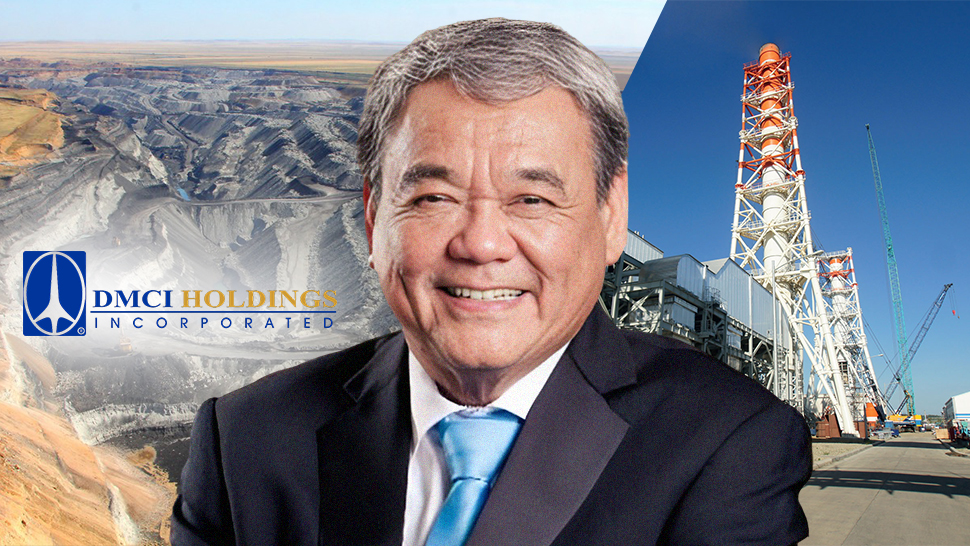
In the realm of business magnates and success stories, few tales are as compelling and inspiring as that of Isidro "Sid" Consunji. The eldest son among eight children of the esteemed construction magnate David Consunji, founder of DM Consunji Inc., Consunji's narrative is one of resilience, learning, and transcendence.
Consunji started working in the family business at a young age. After graduating from University of the Philippines with a degree in civil engineering, he immersed himself in the business, steadily working his way up the corporate ladder until he eventually became the president of DMCI Holdings, the parent company of DMCI.
In 1995, Consunji made a strategic move that would shape DMCI's future—he orchestrated the company's listing on the stock exchange, aimed to raise funds from the public and diversify the company's interests beyond construction.
However, unforeseen challenges lay ahead. The Asian financial crisis of 1997 struck, leaving DMCI on the brink of bankruptcy, unable to meet its loan obligations.
Amidst the crisis, Consunji's leadership and strategic decisions played a pivotal role in guiding DMCI Holdings towards stability and success. His innovative approach involved transforming idle lands into affordable condominiums, a move that not only generated revenue but also facilitated the repayment of the company's loans.
In the early 2000s, Consunji embarked on a transformative journey by acquiring a distressed company, Semirara Coal Corporation (now Semirara Mining and Power Corporation). This strategic move presented him with the formidable challenge of revitalizing the mining enterprise, a bold step that would expand DMCI Holdings' business horizons beyond its core construction domain.
Consunji's dedication and strategic investments began to pay off after seven years. Semirara Mining, under his leadership, transitioned from losses to profitability. Today, it stands as a pivotal contributor to DMCI Holdings' annual income, accounting for approximately 70 percent of the company's revenue. This triumphant turnaround story highlights Consunji's ability to transform adversity into opportunity.
The impact of Consunji’s leadership is undeniable. Both DMCI Holdings and Semirara Mining and Power Corporation have achieved blue-chip status, solidifying their positions as key players in the local business landscape. Their combined market capitalization, an impressive P240 billion, speaks to the enduring success that Consunji’s strategic decisions have helped usher.
Consunji’s unwavering dedication, coupled with transformative decisions, has not only safeguarded DMCI's legacy but propelled the entire group to new heights. As his story continues to unfold, it serves as a beacon of motivation, urging individuals to overcome challenges, embrace education, and forge their own paths to success.
How did Consunji's journey and accomplishments shape DMCI's evolution from a construction-focused entity to a diversified engineering conglomerate? What can we learn from Consunji's visionary leadership and willingness to embrace challenges in achieving sustainable business growth?
Here are the five business lessons everyone can learn from Isidro “Sid” Consunji, CEO and president of DMCI Holdings:
ALSO READ
1| Know how to prioritize education before starting in business
Education serves as a catalyst for entrepreneurs to create value that extends beyond profit margins. By equipping them with knowledge, skills, and a forward-thinking mindset, education empowers entrepreneurs to navigate complexities and seize opportunities.
Consunji once dropped out of college due to his disinterest in academic pursuits. He told his father that he wanted to leave school and work instead within their company, but he soon came to realize that his monthly paycheck couldn't sustain his expenses, as he struggled with his finances.
Realizing the importance of education in achieving his long-term goals, Consunji returned to school and completed his engineering degree at UP. His journey showcases his ability to balance practical experience with continuous education.
After college, he immersed himself in running a logging company, tapping into the practical skills he had acquired. His approach to prioritize education highlights his recognition of education as a powerful tool for personal and professional growth.
“My father finished civil engineering, and then he had to earn a living for his family,” he says. “So, he started working for his uncle as a contractor and after he learned about estimating, he decided that he might as well go on his own, so gumagawa sya ng apartment sa auntie niya.
“He borrowed money from his mother-in-law and bought a mixer. I think his first big jump was Manila Doctors. That was the first building he ever did in 1956.
“Then he teamed up with Architect Leandro Locsin and they did the first building in Ayala Avenue, Monterey Apartment, where Pacific Plaza is standing now. It was an eight-storey building.
“Parang nasabay siya doon sa development of Makati and we did mainly buildings, then in the 70s, we went to the Middle East, 1979 yata yun, and then we went to Brunei to do other projects.
“I stopped second year college eh. I got bored and wala akong ganang mag-aral noon. I was taking civil engineering at UP, but on my second year, I stopped schooling kasi wala akong motivation. My father said ‘Kung wala kang ganang mag-aral, e di wag ka mag-aral. Wala ka naman matututunan kung wala kang gana.’
“So I went to work in our company’s motor pool division, in the purchasing department. Ako yung tagabili ng spare parts kung may sira and so forth, but I was spending more than I was earning. When I get my paycheck on a Saturday, by Tuesday night, wala na akong pera, so naisip ko, mahirap pala yung mababa sweldo, no good, so I went back to school.
“I returned to UP to finish my engineering degree and then I went into logging. We had a logging company so I ran that company for two years after college, and then I went to AIM, but I didn't graduate. I finished everything but I didn’t get my diploma. Lakwatsero ako eh.
“Then I started buying bankrupt logging companies. I ran that for a while until 1981 when DMCI had other projects in Davao. One time, nagkaroon ng landslide, natabunan yung aming barracks, it was a terrible accident. My dad suggested, 'Why don’t you help out in DMCI?' I quit logging and I went to construction."
2| Know how to overcome business challenges and thrive
A business crisis is akin to a sudden storm in the vast ocean of commerce, capable of capsizing even the most robust vessels. These crises can take various forms: from financial downturns and market shifts to operational disruptions and unforeseen challenges. In such tumultuous moments, knowing how to steer the ship becomes paramount.
Consunji exemplified the traits of an entrepreneur skilled in crisis management and creative problem-solving. Instead of yielding to panic, he diversified into real estate by developing DMCI Homes. By transforming warehouses and a pre-cast plants into sellable properties, he ingeniously generated liquidity.
The transformation of these idle resources into a source of capital enabled the gradual repayment of loans and financial obligations. This strategic maneuver underscored Consunji's ability to navigate adversity by leveraging existing assets to generate revenue.
“For 14 years, I worked in construction, from 1981 to 1995, when we went public. I think I was vice president or something, but I did not care too much about the position eh. I was helping in preparing bids, collecting money, mainly on the commercial side of the business.
“Because the construction business is like a roller coaster, there are periods when there are too many jobs, and then there are times when there aren't enough jobs. So, we needed to stabilize the business. The challenge here is when we don’t have enough projects, we have to lay off very good people, and it's very hard to create a team, so we wanted stability. That's the reason why we went public.
“When we raised the money, we bought AG&P. We went into real estate sector and we bought Semirara, so we started putting construction people in the different businesses.
“Then, nagkaroon ng Asian crisis. We floated bonds, but we were unable to meet the payments. Yung mga banks parang pinutol na lahat ng credit lines at that time. We had liquidity crisis; we had assets but we did not have cash. It was a big-time problem because I could not pay the people.
“So, we developed DMCI Homes. We built on the land that we owned and sold properties to create liquidity. These were idle lands like we had warehouses na hindi na namin kailangan. We had pre-cast plants na hindi na umaandar, kinonvert namin into real estate para may pambayad kami ng utang.
“Binenta namin ng mura. The first one we sold was P750,000 lang yata for a two-bedroom condo na walang elevator, and we were able to pay our loans, dahan dahan.”
3| Know how to turn a struggling business into a valuable asset
Turning around a struggling business to achieve profitability is a strategic endeavor that holds the potential to yield substantial benefits and enhanced value.
Entrepreneurs who undertake this challenging journey can expect a significant boost in the overall value of their company. This transformative process entails revitalizing different facets of the business to yield positive financial results, thereby creating a conducive environment for value enhancement.
Consunji made a remarkable turnaround for Semirara by leveraging on their expertise in construction and earth-moving operations. Recognizing the similarities between construction and mining, he applied his familiarity with diesel engines, trucks, and heavy machinery to revamp the struggling company.
During these transformative years, Semirara faced consistent losses, enduring a seven-year journey to break even. To enhance efficiency and profitability, Consunji and his team implemented crucial changes. They transitioned to a new mine and improved engineering standards.
After years of perseverance, Semirara became profitable. Through Consunji's unwavering dedication, Semirara evolved from a struggling enterprise into a thriving and valuable asset, solidifying its position in the market and underscoring the power of resilience and strategic decision-making in the business world.
“We bought Semirara kasi pareho lang naman yan—dump truck operation din na earth-moving,” Consunji says. “I mean we were comfortable with diesel engines. We were comfortable with trucks and bulldozers. Either huhukay ka to put up a building or mine, pareho din di ba? It’s the same technology.
“We figured that we could turn it around. We figured we could improve the quality and improve the production, but it was not as easy as we thought kaya inabot kami ng seven years.
“We invested a lot of money. Everything got almost bankrupt because of Semirara. At that time, wala na gustong magpa-utang. The family was lending money. It was terrible. Hindi ka makagalaw eh. It was hard to regain the trust of banks, very hard. It takes time.
“We made our mistakes so inayos namin and we were able to fix it and then in 2005, we had a follow-on offering for Semirara, and we got money and pinambayad namin ng utang.
“Every year for seven years, lugi yung Semirara. It was losing money. It took us seven years to break even. Marami kaming ginawa doon eh. We transferred to a new mine, iniwanan naming yung mine na hindi engineered. We then shifted to truck and shovel. We created a cut off wall, put up a washing plant and started selling to other people aside from NPC (National Power Corporation).
“People did not want to buy Semirara coal then dahil pangit daw yung quality, so we had to fix the quality and so forth. It never made money from the beginning, it started making money only in 2004 or 2005.
“After seven years, production went up, prices went up, the quality went up and the cost went down. Semirara became profitable since then and last year, it made the biggest money.”
4| Know how to build an effective management team and cultivate business culture
Building a strong management team and cultivating a positive organizational culture create a strong foundation for a thriving business. They enhance operational efficiency, employee satisfaction, innovation, and adaptability.
Together, these elements contribute to the company's ability to navigate challenges, capitalize on opportunities, and achieve sustainable success in the dynamic business landscape.
Consunji recognized the challenges inherent in managing people by emphazing the importance of nurturing a cohesive culture. He believed in evaluating potential team members not only for their skills but also for their ability to collaborate effectively and contribute positively as team players.
Consunji's leadership focuses on essential aspects of business operations. He exercised control over critical elements such as key personnel recruitment and capital expenditures, recognizing their impact on the company's success. This strategic oversight allowed him to ensure that the right people were in key roles and that resources were allocated judiciously.
“I think creating a management team is one of the biggest challenges in managing companies,” he says. “It’s the hardest kasi you are dealing with human beings, di ba? You have to create the culture. You have to get cooperation. You have to get people to believe in your direction and your vision. It takes time.
“I don't know how to find the right people. Sometimes you hear some people say, ‘O magaling yan.’ E di subukan natin di ba? You need to find out if people are good team players. Mahirap kasi pag superstar kausap mo. They don't want to work with other people.
“Dalawa lang ang kino-control namin eh, hiring of key people and Capex. All the rest sila na bahala. With too many moving parts, mauubos ang oras mo kung babantayan mo lahat yan.
“When it comes to hiring, barat kami eh, so we prefer Ilokano, Cebuano, Chinese, sama-sama lahat yan. Our culture is simple: common sense, not complicating matters, and creating a unique selling proposition so it's easy to sell.
“When it comes to spending, my management just needs to show if they think they can make money. It's not in the amount, it is how they assess the risk involved and the reward. If they think they can make money, e di sige. More often than not, magaling naman sila. We have incentive pay once a year.
“We have many advisers. Our board is a very good adviser. I think we have a pretty active board. We're more casual and informal. We try to simplify our structure.
“My father got us very much interested in the business, but maybe intentionally, we enjoy construction, we enjoy logging so we're quite familiar with my dad's business. Hindi naman kami ni-push sa business before.
“I think a lot of my nephews and nieces like to get involved. They're getting involved little by little right now. They choose the area of their interest. One is now president of DMCI mining, my nephew, and the other one is OJT. Okay naman. They are well-educated but lacking pa in experience and exposure. I don't call it succession planning because it's a work in progress.
5| Know how to succeed in a dynamic business environment
A deep understanding of the business model provides clarity on how your company creates, delivers, and captures value. When you know the intricacies of your business model, you can allocate resources more efficiently.
Understanding the business model helps you identify potential risks and challenges. By anticipating obstacles that may arise, you can develop contingency plans and mitigate potential disruptions, safeguarding the continuity of your operations.
Consunji's strategic mindset included evaluating the future prospects of investments and aversion to complicated businesses. He preferred straightforward and manageable ventures. His inclination towards starting new businesses and his subsequent boredom after establishment highlighted his agile mindset.
Consunji’s emphasis on addressing customer needs, exemplified through his Maynilad example, underscored the significance of meeting client expectations. This customer-centric approach showcased his understanding that a business's success hinges on serving its clients effectively.
Consunji's insights into the construction industry's challenges revealed his understanding of risk mitigation and adaptability. His acknowledgment of various risks, from competition to external factors, displayed his capacity to navigate complexities effectively.
“When looking for investments, we prioritize positive cash flow and a potential payback period of less than seven years, if possible,” he says. “Meron bang future yan? Beneficial ba yan sa community? Is it easy to run? We don't like complicated businesses kasi headache yan. Gusto namin madali. Kung mahirap, ibigay mo sa masisipag.
“Mining business is easy to run if you know how. Paulit-ulit lang yun. There are some that don’t make money kasi minsan mababa yung grade, or mali yung technique, or maybe yung tao like people don’t behave, they are cheating the company. Or maybe bad timing, so many factors, di ba?
“But in general, I think mining should be profitable because you have something that many people don't have, whether it is copper, gold or silver, so you should be able to make money.
“Each mine has its own economics, but as a concept, it should make money. I like business. I’m probably more of…I like starting up a new business. Pag umaandar na, nabo-bore na ako, so I normally work with another person.
“Like when we went to Maynilad, I worked with my cousin, si Herbie and when we got it, naiwan na sya doon. When we went to Semirara, I worked with George San Pedro and my brother Vic and when we acquired it, iniwan ko na sila doon. I get bored very easily and I don't like working too hard. The company can only afford one lazy guy and it happens to be me so all of you need to work very hard.
“When you are starting, you're learning something, hindi mo alam eh, enjoy ka, you’re discovering something new, you have new insights, parang puzzle yan eh, pag nag solved mo na, ayaw mo na.
“Yung Maynilad naman, the water is there and the customer is there, but the problem is before the water reaches the customer, natapon na eh, so hanapin mo na yung leak para hindi matapon kasi may customer eh. The hardest thing in business is being without a customer.
“When we took over, it was marginally profitable. It became only very profitable when we started fixing the company. Everybody worked on that. It was a team effort. We hired consultants for that. Hindi namin tinigilan until we achieved success.
“When looking for the right partner, I assess if our directions are aligned and if you're comfortable with one another. Mahirap kung hindi kayo comfortable di ba? I also check their previous behavior and reputation in the industry, then rely on your sixth sense. Malalaman mo kung gusto mo yung tao o hindi.
“The construction industry is a very difficult business kasi its fragmented. Daming kalaban, maliit ang margin, high risk and then you are also subjected to inflation, cost of capital, weather, people, pilferage, ang dami. Many moving parts yung construction so many risks, di ba? Umulan lang eh, magbabayad ka ng sweldo ng 1,000 people na nagke-kwentuhan lang sa ilalim, walang ginagawa, di ba?
“The construction industry is a day-to-day job, parang restaurant. Every customer is important. Babantayan mo yung mga waiter mo and yung service. It’s a very difficult business and low margin. Kasi in construction you need very little capital to bid then lakas ng loob na lang.
“Properties naman matakaw sa cash. Matakaw sa working capital. Gumawa ka ng building pagkatapos bayad sa ‘yo 10 years to pay pero babayaran mo naman yung mga tao mo every month, so kailangan mabait sayo yung mga bangko para they are ready to lend you money during construction. You must be friends with your local bank.
“Pero housing will continue to grow. Marami pa dapat gawin. Marami pang tao wala pang bahay. Marami pang kalye dapat gawin na bulok. Ang daming tulay na kailangang gawin. Ang daming station ng train na kailangan pa.
“Sa Power business, it is easier. You just have to make sure that your generation is running. It becomes an operation problem. There is no risk about not being paid. Kung hindi ka binayaran e di putulin mo, sigurado bayad yun.
“There are three lessons I learned in business. One is that culture is important. You have to believe in something beyond money. Tingnan mo yung mga Hapon, they build for beyond their lifetime. They build something that will last for hundreds of years, like yung istasyon ng train and so on. They have a long-term vision eh.
“Philippine business is relatively very young. Very few companies have long-term vision. We have to develop a long-term vision. What's our place in society and how can we contribute? We have to inspire people to believe in that para sustainable.
“Second is yung tao, dapat walang dayaan kasi when people cheat, nawawalan ng gana yung iba tao eh. Some people make a lot of money because they cheat. Malalaman ng ibang tao. Why would I do hard work and get paid a little? Mahirap. Cheating is difficult.
“Third is you must have a unique selling proposition, di ba? You have to ask yourself, why will people buy my product instead of other people's product? If you cannot answer that question, you're just a commodity. What makes your product special? Is it the cheapest in the market? Is it the best in the market? Is it the highest value for money? Is it the fastest delivery? Is it the most reliable?
“Liquidity is very important so we try to borrow long rather than short and then we don’t want to be over-leveraged, so that when things go bad, we can still go to the bank and borrow money. Because bilog ang mundo eh. Minsan good weather, minsan bad weather, good time, bad time, di mo alam eh.”
Henry Ong, RFP, is an entrepreneur, financial planning advocate and business advisor. Email Henry for business advice hong@financialadviser.ph or follow him on Twitter @henryong888
