

Advocates Call for Action on Fossil Fuel Threat to Biodiversity

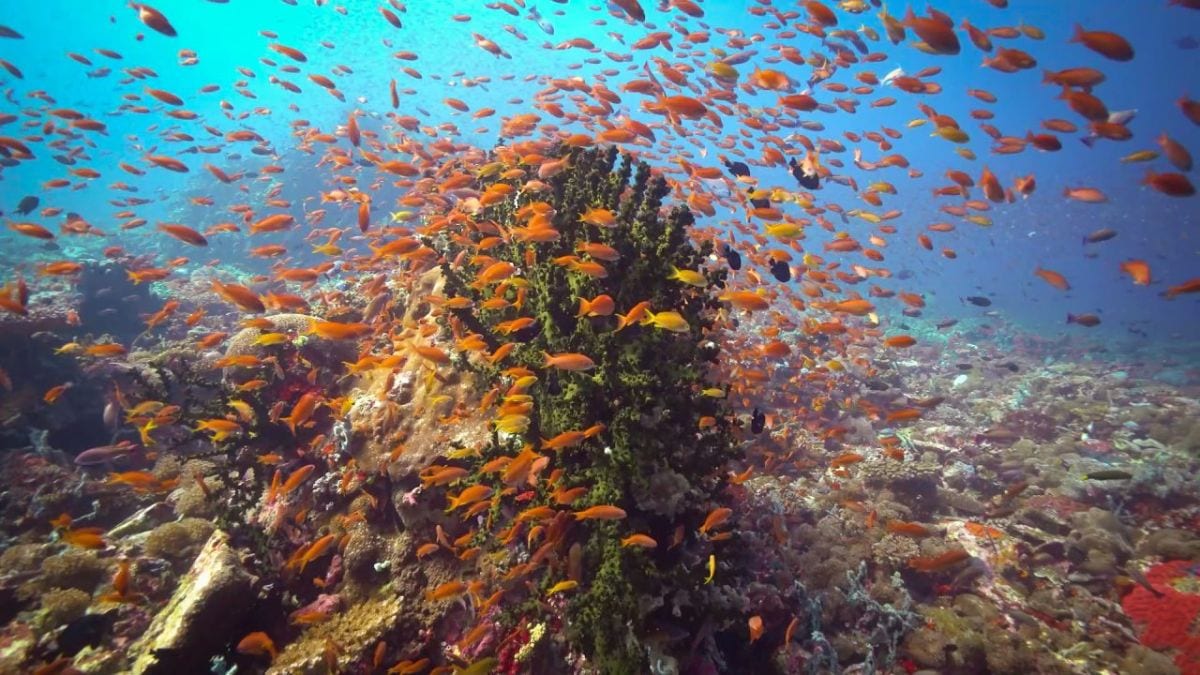
Fossil fuel expansion, particularly liquefied natural gas (LNG) and oil and gas exploration, threatens global biodiversity. In Southeast Asia, critical biodiversity hotspots such as the Verde Island Passage (VIP) in the Philippines and the Mekong Delta in Vietnam are particularly at risk. At the recent Conference of Parties to the United Nations Convention on Biological Diversity (CBD COP16) in Cali, Colombia, regional civil society groups strongly urged governments to acknowledge and address these pressing threats.
“The current trajectory of LNG expansion and other fossil fuel operations in the Coral Triangle is alarming. Contrary to claims that LNG is a clean energy alternative, it is a fossil fuel whose whole life cycle—from extraction to transport and burning for power—contributes to environmental and climate degradation," said Gerry Arances, Executive Director of the Center for Energy, Ecology, and Development (CEED) from the Philippines. "Increased shipping activities also risk gravely disrupting marine biodiversity and coastal communities.”
ALSO READ
More Areas in the Philippines are Starting to Experience Coral Bleaching
Dangerously Beautiful: Take a Peek Inside the Wild World of the Sea Urchins of the Philippines
The Coral Triangle, which includes parts of Indonesia, Malaysia, the Philippines, Papua New Guinea, the Solomon Islands, and Timor Leste, is critically threatened by ongoing fossil fuel projects in the region. By end of 2023, Southeast Asia was developing 139 GW of new gas power, accounting for over a fourth of all planned gas capacity in Asia, according to CEED. These activities endanger marine life and the livelihoods of millions who rely on healthy oceans for fishing and tourism.
In recent years, countries such as Vietnam, Indonesia, and the Philippines have invested over $30 billion in LNG as a supposed cleaner alternative to traditional fossil fuels. Currently, 19 LNG terminals and floating storage units operate within the Coral Triangle, with Indonesia and Malaysia hosting the majority.
Muhammad Reza, National Coordinator of The People’s Coalition for the Right to Water (KRuHA) from Indonesia expressed concern over the peril faced by marine life and seascapes in the Coral Triangle due to fossil fuel expansion. This development, she said, threatens not only climate stability and ecosystems but also the well-being of indigenous and local communities.
Meanwhile, Adam Farhan from Malaysia's RimbaWatch criticized their country's focus on fossil gas development in Borneo's biodiverse waters, which risks damaging critical marine habitats. Farhan said this contradicts climate science and endangers both biodiversity and local livelihoods.
Southeast Asian countries that are part of the Coral Triangle are calling for reduction on fossil fuel expansion and oil and gas exploration, a commitment to renewable energy, active community involvement, and increased international collaboration. They aim to influence the COP agenda to prioritize biodiversity protection and restoration.
