

Internet Memes Boost Student Learning, Ateneo Study Finds

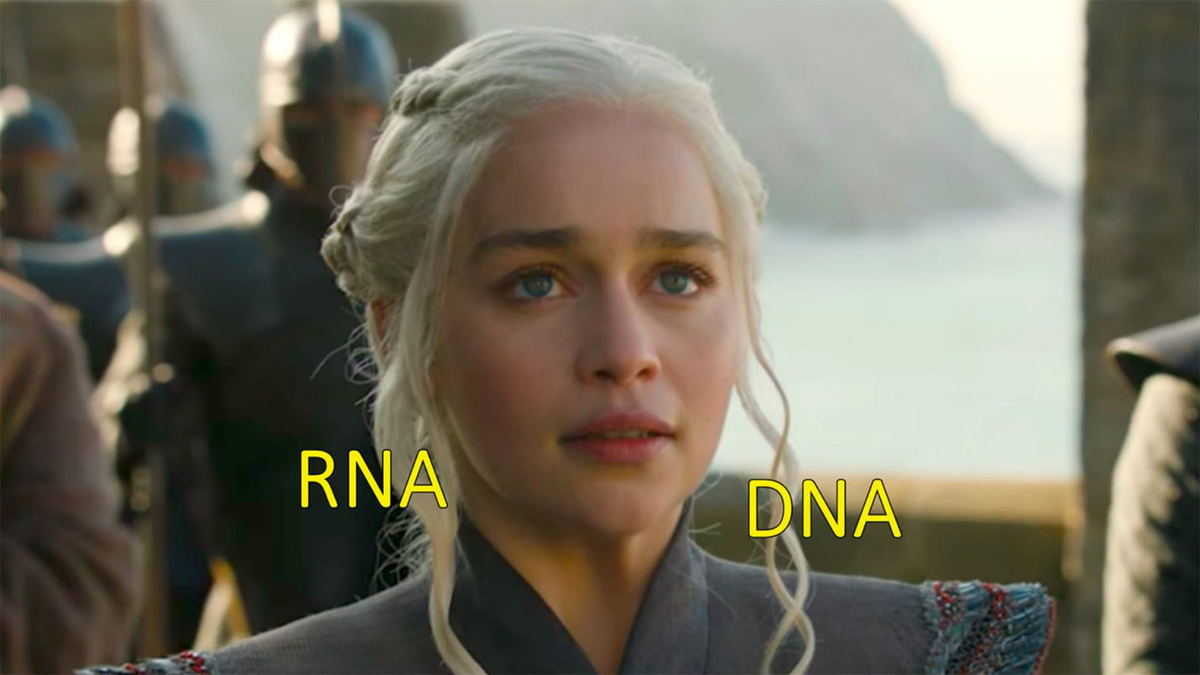
Memes, or images with texts containing cultural references and social representations, are all over the Internet. We like, share, and share some more, especially when we find these things relatable. But what if they can also be used to teach GenZ students, the generation born between 1997 and 2010 and basically grew up with smartphones and mobile tablets?
"Using memes in discussing Cellular Division and Genetics topics to non-STEM pre-university students improves their academic performance, attitudes towards science, and self-efficacy," concluded a study by Alyanna Nicole Carlos and Emmanuel D. Delocado, faculty from the Biology Department of the Ateneo de Manila University. It was titled "Utilizing Internet Memes in Senior High School Biology to Improve Gen Z’s Academic Achievement, Attitude, and Self-efficacy," and was published in the Asian Journal of Biology Education in November 2024.
ALSO READ:
Science Says Memes Are Good for Your Mental Health
Let Us Now Remember the Best Memes from the '90s
The Methodology
Carlos and Delocado focused on Grade 11 non-STEM students, who are basically first-year college students if K-12 was never implemented. Non-STEM, meaning they did not sign up for the Science/Technology/Engineering/Math track.
The study was conducted on 243 Grade 11 non-STEM students belonging to six sections of a private high school in the Philippines. Why non-STEM? They are not predisposed to liking science, but they do have to study general science subjects like biology.
Memes were incorporated into the instructional materials for their lessons, covering four topics: cellular division, DNA and RNA, central dogma, and Mendelian genetics. If you've forgotten about these things in high school biology, then this is the perfect time for a refresher: through memes.
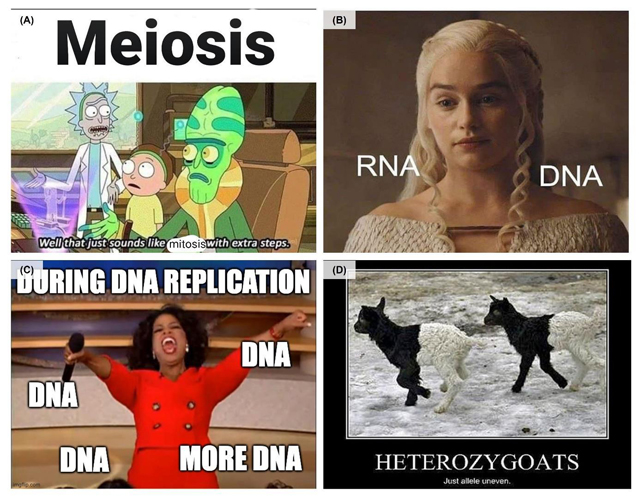
Teaching Biology Through Memes
Participants affirmed that "creating their own memes related to their lesson was an effective strategy to enjoy the class." Lessons also became "more enticing and interesting," and the memes helped a lot in "recall and retention." It was also effective in reviewing the material.
In terms of examinations, high school students who were taught using memes scored 21% higher on their tests than their peers who were taught using traditional methods.
Students in the experimental group agreed to the following constructs: having a good perception of the science teacher, having less anxiety toward science, seeing the value of science in society, witnessing self-concept in science, and enjoying science. They were still undecided, though, about forming sound motivation in science.
Conclusion
Carlos and Delocado's study suggests that "innovative teaching strategies that utilize materials which Gen Z’s find relatable and accessible are beneficial for student’s learning in biology."
It cannot be denied that the attention span of Gen Z learners, now at an average of eight seconds, has become much shorter. According to earlier studies, it is four seconds shorter than that of millennial learners. Pedagogical strategies have to recognize this trend and explore the benefits of utilizing memes in high school education.
