
Microplastics in Urban Road Dust Pose Health Risks, Study Finds

ILLUSTRATION: Igi Talao
Much has been said (and studied) about microplastics. It's found in our seas, then eventually ingested by fish and other marine creatures; in the soil, then absorbed into the roots of fruits and vegetables; and in the air. However, because of its small size, specifically less than five millimeters, the presence of microplastics in our environment is often overshadowed by more visible climate issues. But it is exactly this invisibility that makes it a silent threat to the human body, which is ever exposed to these tiny plastic particles even on the streets.
ALSO READ:
Filipinos Among the Leaders in Ingesting the Most Microplastics in the World
Filipinos Throw Out Over 163 Million Sachets and 93 Million Plastic Bags Each Day
Microplastics on the Road
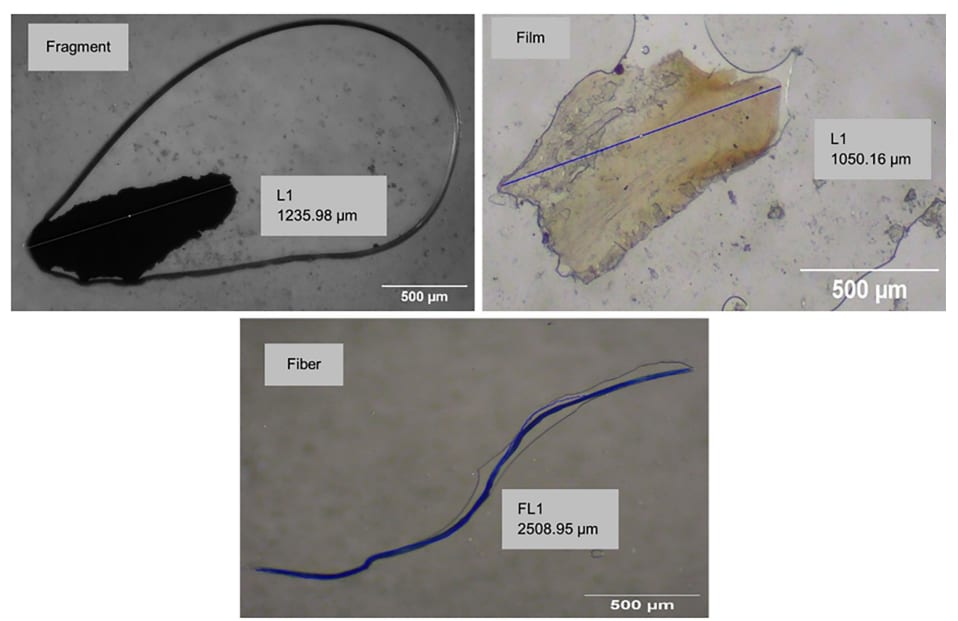
A study by the Mindanao State University–Iligan Institute of Technology (MSU-IIT) confirmed the presence of road dust microplastics (RDMPs) in the streets of Iligan City, which suggests the same situation for urban roads elsewhere. Imagine just walking on the road and inhaling these plastic particles. Particle sizes range from ≤ 100 µm to ≤ 5000 µm, with up to 90.7% of them made from fibrous materials and are blue in color. Their polymer types are mostly polyester (58.3%) – followed by ethylene propylene (25%), ethylene vinyl acetate (8.3%), and polyacrylamide (8.3%), the study added.
Some of Iligan City’s road dust microplastics (RDMPs) morphology, such as color, shape, and maximum distance.
The researchers, Tejano et al., assume that "these materials originate from fibers in textiles and industrial materials, tire abrasions, brakes, and other road elements." It also aligns with the hypothesis that smaller microplastics, such as RDMPs, are easily transported by wind, contributing to their ubiquitous presence in the environment.
Methodology
For this study, the researchers sampled three stations: Brgy. Tibanga, Brgy. Poblacion, and Brgy. Palao. These streets are near the city center to represent areas with high human activity, traffic density, commercial and residential buildings, and levels of pedestrian movement. In each station, sampling was done by placing three quadrats in both right- and left-hand traffic on the road. Dust was collected and scooped using plastic-free materials (metal spoons and glass containers) to avoid cross-contamination from 7 p.m. to 10 p.m.
Sample of road dust collected from the identified sampling stations.
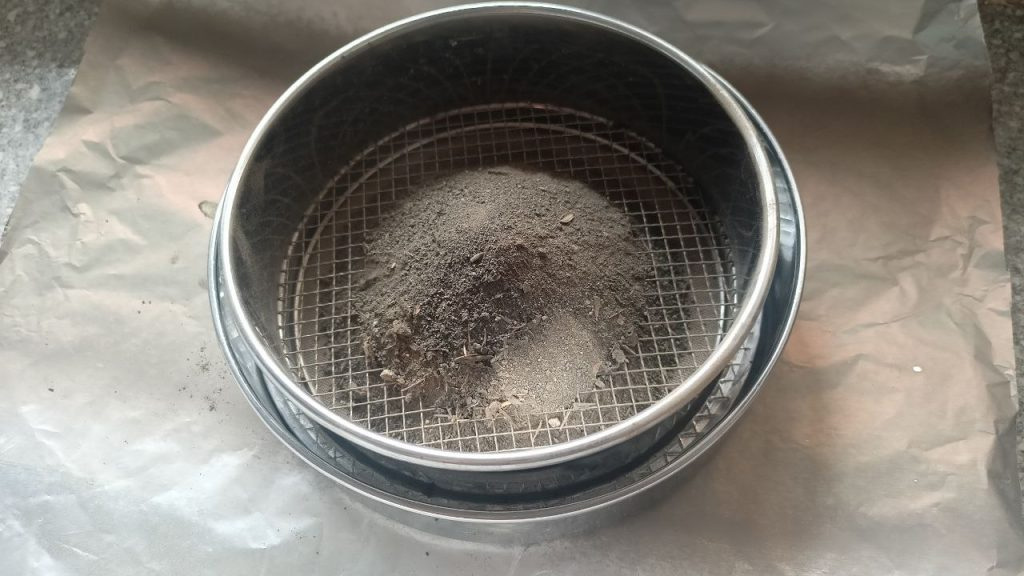
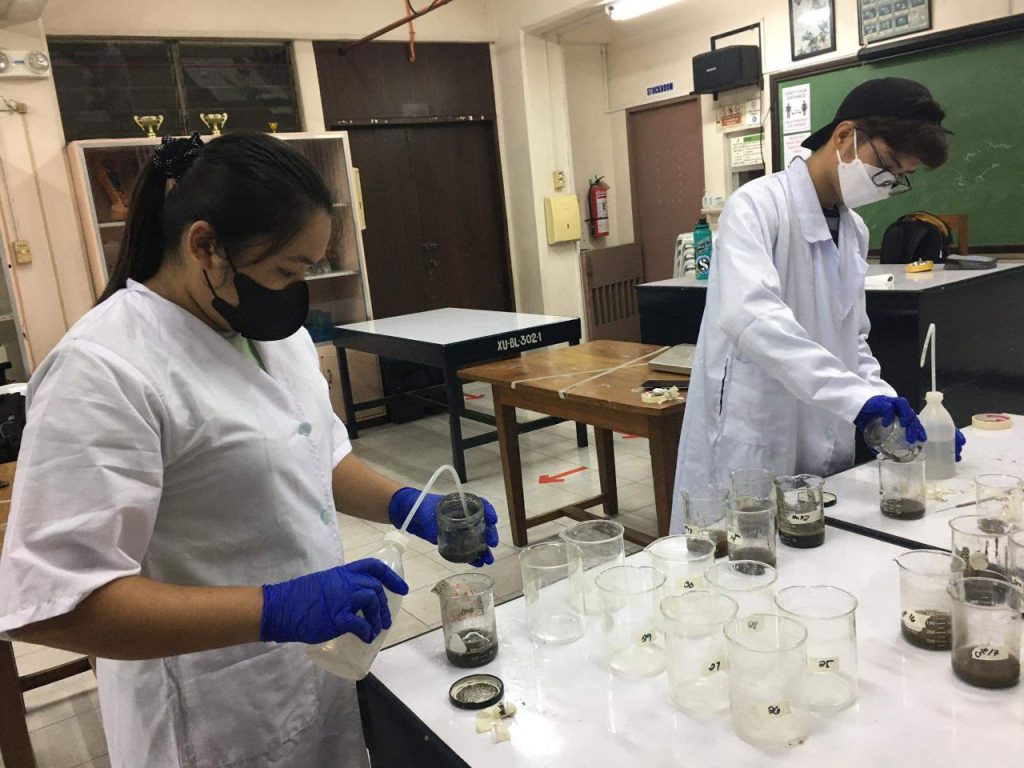
After collection, the 18 road dust samples were filtered in different metal sieving screens to allow categorization per particle size. The samples were digested in a solution, filtrated, and then isolated through microscopy analysis. The main instrumentation used was Fourier-transform infrared spectrometry to confirm their polymer types.
Researchers are putting the road dust sample on the filtration and sieving method to collect data.
The study, which was published in the Philippine Journal of Science in October 2024, is the first documentation of RDMPs within Mindanao and the Philippines. The Philippine Journal of Science is the oldest scientific peer-reviewed journal in the country, published regularly by the Department of Science and Technology – Science and Technology Information Institute.
Effects of Exposure to Microplastics
"Since RDMPs (road dust microplastics) can become airborne and be inhaled, they may contribute to respiratory inflammation, lung irritation, and other health complications. Some microplastics also contain toxic additives or can absorb harmful pollutants, further increasing health risks," Tejano said in an interview with PIA.
A study published in the Science of the Total Environment in 2020 summarized the potential negative effects of microplastics in the human body, with exposure occurring by ingestion, inhalation, and skin contact due to the presence of microplastics in products, food, and air.
"The high surface area of microplastics may lead to oxidative stress, cytotoxicity, and translocation to other tissues, while their persistent nature limits their removal from the organism, leading to chronic inflammation, which increases the risk of cancer. On the other hand, microplastics, as part of particulate matter, may also be involved in the increasing incidence of immune or neurodegenerative diseases. Furthermore, microplastics may release chemicals, from their matrixes or adsorbed from the environment, or act as vectors for dangerous microorganisms," the study titled "Environmental exposure to microplastics: An overview on possible human health effects" by Prata et al. said.
Dr. Hernando P. Bacosa, professor of environmental science at MSU-IIT and adviser of the research team, enumerated the ways to minimize RDMPs on the road: improvement of road and tire materials to minimize microplastic shedding from vehicular wear and tear, strengthening of waste management systems to prevent plastic litter from breaking down into microplastics, and regulatory measures on certain plastic products can limit sources of road dust microplastics.
Still, "knowledge on the effects of environmental exposure to microplastics on human health is limited, leading to high uncertainties that should not be translated into alarmism even when applying the precautionary principle. With the predicted increase of these synthetic materials in our environment, more studies are needed to fully understand the risk of microplastics to human health, requiring knowledge on human exposure, pathogenesis, and effects," Prata et al. recommended.
References:
Prata, J. C., da Costa, J. P., Lopes, I., Duarte, A. C., & Rocha-Santos, T. (2019). Environmental exposure to microplastics: An overview on possible human health effects. Science of The Total Environment, 702, 134455.
Tejano, J. B. B., Arana, K. N. D., Eleccion, E. B., Laya-og, M. E., Palasol, C. D. S., Pimentel, C. S., Dagoc, F. L. S., Romarate II, R. A., & Bacosa, H. P. (2024). Microplastics in the Road Dust of Iligan City, the Philippines, Philippine Journal of Science, 153(5), 1751–1756.
