
Why the Philippine Navy Is Accusing China of Spreading Fake News

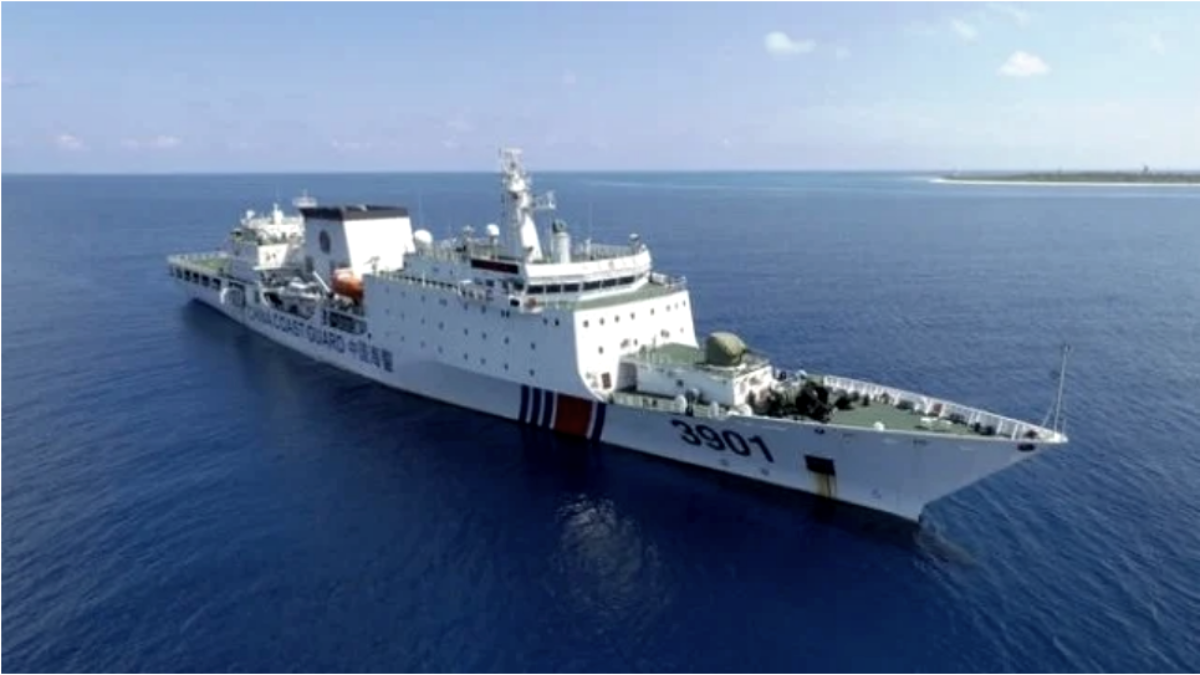
The Philippine Navy has dispelled reports from China's military of Beijing's own "coordinated air and sea patrols" that were purportedly being carried out during Manila and Tokyo's joint drills in the South China Sea.
Over the weekend, People's Liberation Army Southern Theater Command spokesperson Senior Colonel Tian Junli said the drills were allegedly being conducted to safeguard China's national sovreignty and maritime rights.
The command also accused the Philippines of "courting countries outside the region to organize joint patrols" which has "raised security risks in the region."
ALSO READ:
What The Japan-Philippines RAA Means For Our Ties With China
Why Marcos Wants a Code of Conduct on the South China Sea
But Philippine Navy spokesman for the West Philippine Sea, Admiral Roy Vincent Trinidad, denied the supposed Chinese patrols, noting that the Southern Theater Command is not known to engage in coercive maneuvers when the Philippines conducts these joint patrols with allies.
"What we have noticed is after the activity, they would come up with malign influence or fake news stating that they have conducted patrols in the vicinity of our maritime domain,” the navy official said during a news briefing.
“Reports like these are mere attempts at misinformation, disinformation, and malinformation to shape the internal and domestic narrative of the Chinese Communist Party’s illegal claims in our maritime domains."
The Chinese Embassy in Manila did not immediately reply to a message seeking comment.
The Chinese Southern Theatern Command spokesman said "any military activities that stir up trouble or create flashpoints" in the South China Sea are "fully under control."
Manila's Navy had continously kept an eye on what it called the continued illegal presence of Chinese Navy and Chinese Coast Guard vessels in the Philippines' maritime zones.
A Chinese Navy warship was spotted tailing the Philippine Navy's BRP Miguel Malvar and the Japanese Self-Defense Force's JS Takanami in the disputed waterway, Trinidad noted. He added that Tokyo and Manila's Bilateral Maritime Cooperative Activity was undisturbed despite this.
"We do not have contingency plans for their misinformation, disinformation, and malinformation," said the navy spokesman. "What we are doing now is we are countering them actively. In the information domain, we are actively countering all their malign influence operations."
These exercises come at the heels of Tokyo and Manila's ratifification of their Reciprocal Access Agreement, which will pave the way for the entry of defense and military equipment and troops on each other's soil.
This is a pact that is the first of its kind in Asia, signed amid Beijing's sweeping claims over the South China Sea.
Philippine President Ferdinand Marcos, Jr. has been pushing for a code of conduct on the waterway after aggressive actions by the Chinese Coast Guard and its vast fishing fleet.
The United Nations-backed Permanent Court of Arbitration has voided China's claim of 80 percent of the South China Sea for violating the UN Convention on the Law of the Sea.
Manila is on a quest to enhance its defense industry to counter China's aggression in the crucial waterway that sees $3 trillion of global trade pass through it. The Philippine government has allotted about P35 billion to boost its military capabilities in the next decade.
