It's been said many times that driving is ultimately functional. You need to get from point A to point B and, in most cases, a car does the job pretty well.
There are instances, however, when getting from origin to destination isn't as important or consequential as the experience you get along the way. Driving then, becomes a more existential exercise, savoring the journey itself and appreciating the minutes or hours or however long it takes to get to where you're going.
ADVERTISEMENT - CONTINUE READING BELOW
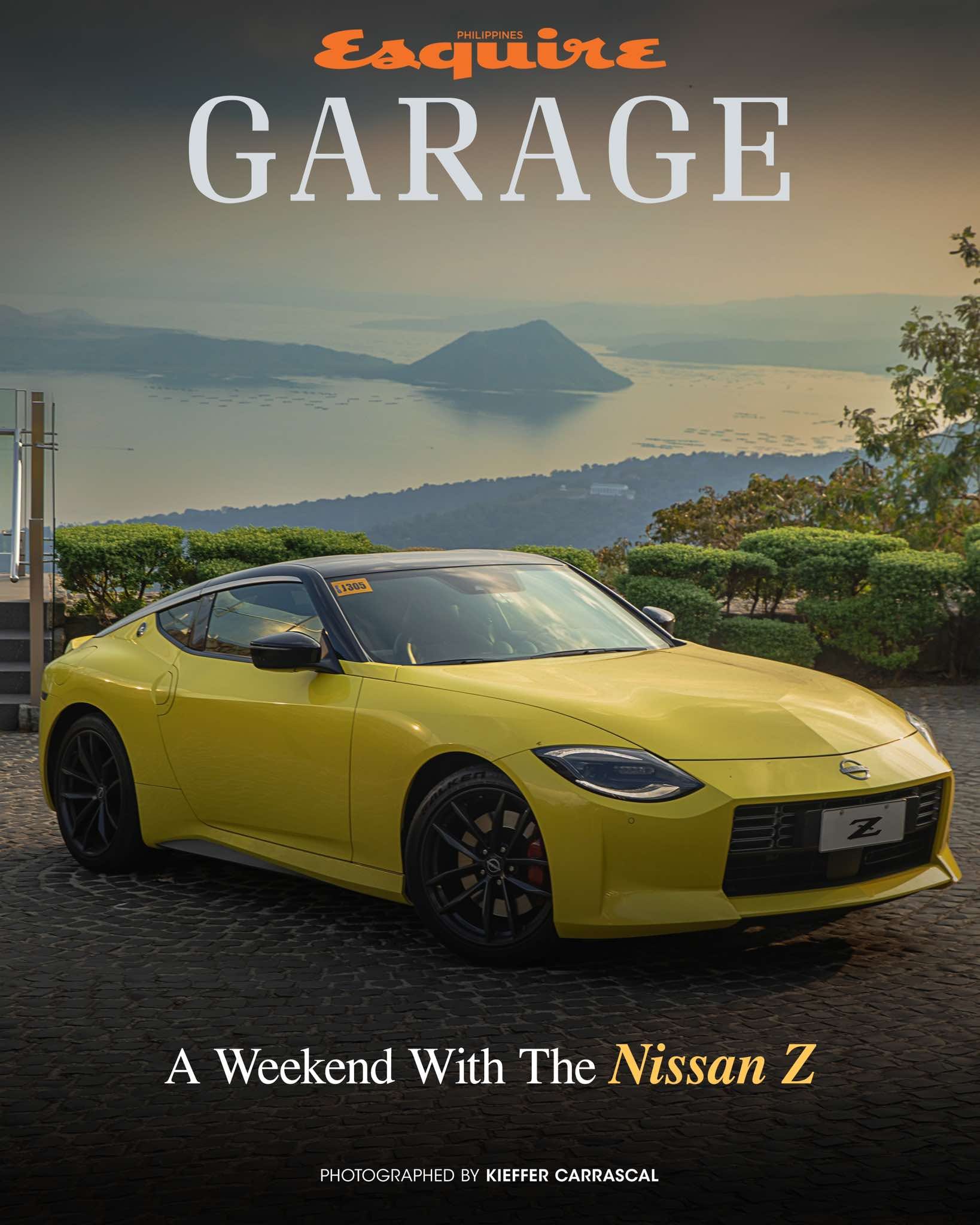
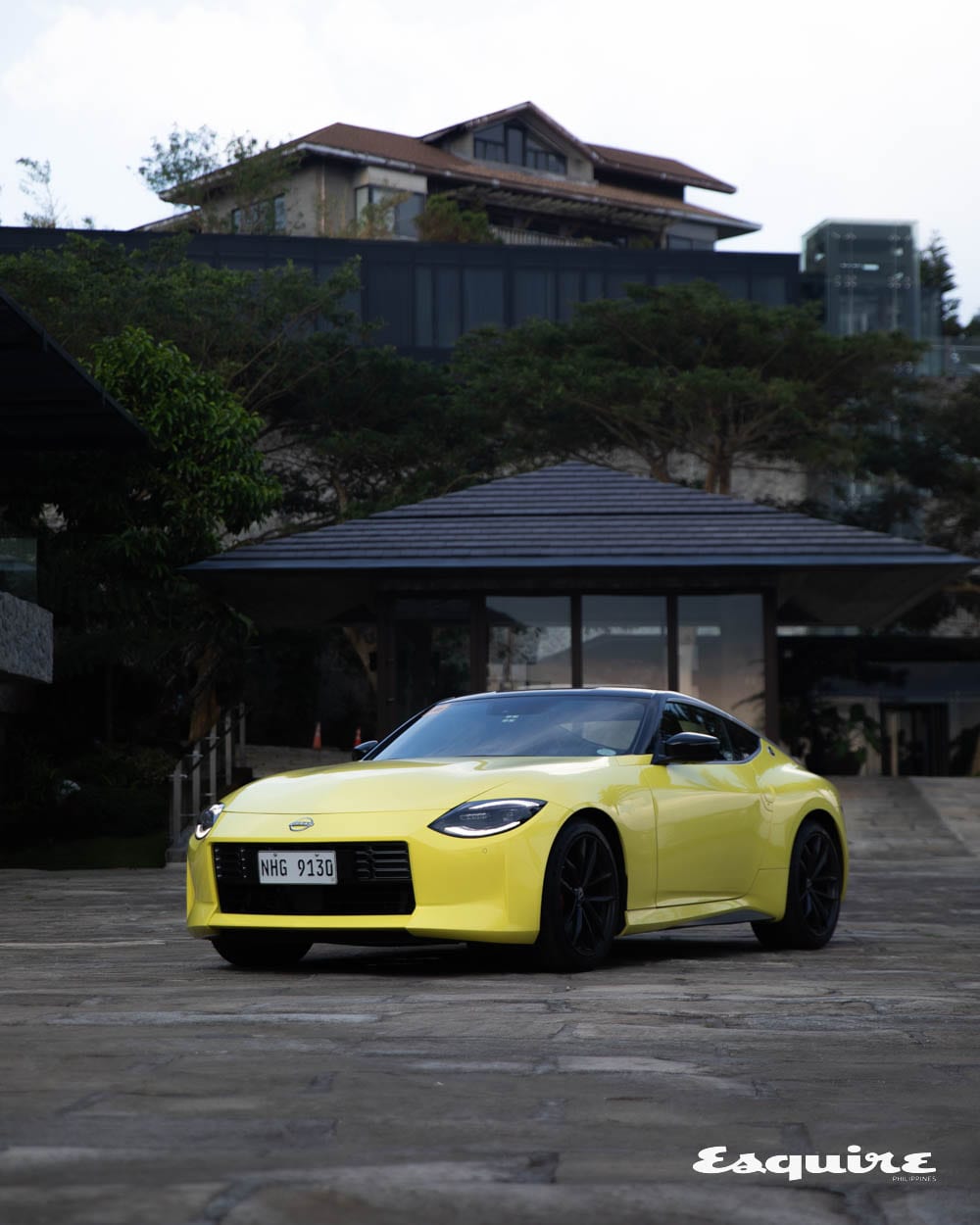
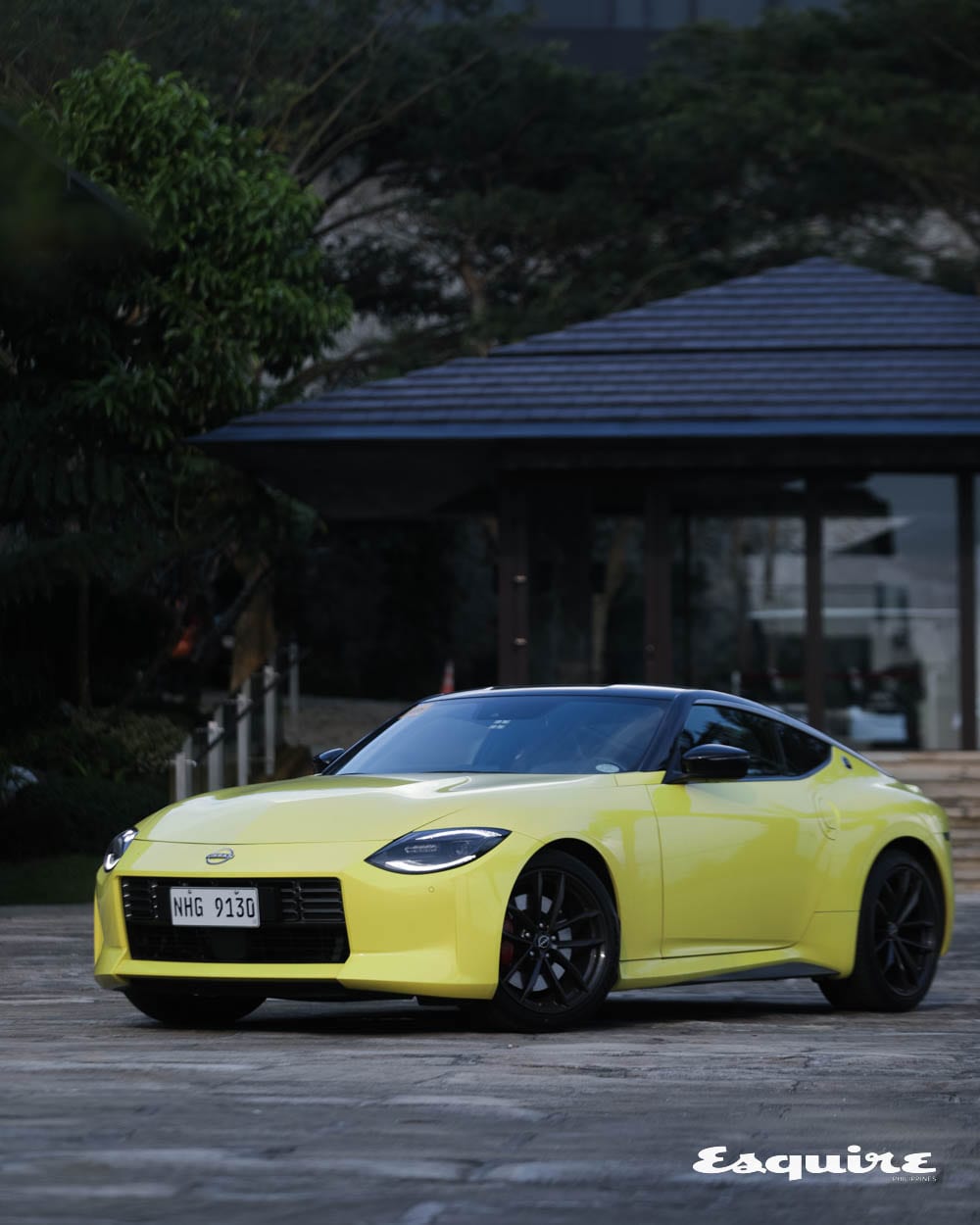
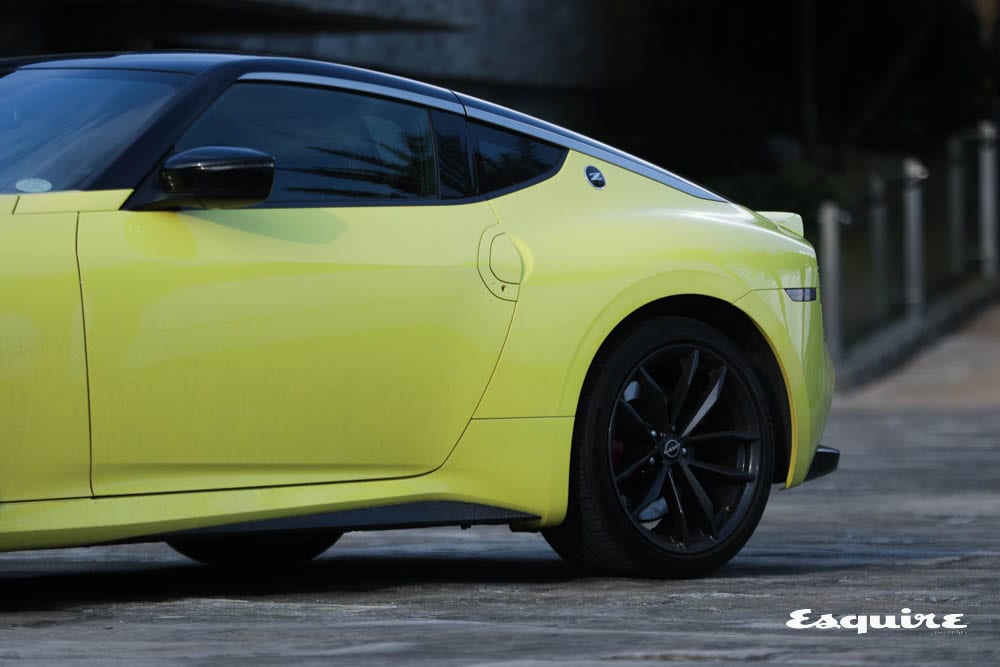
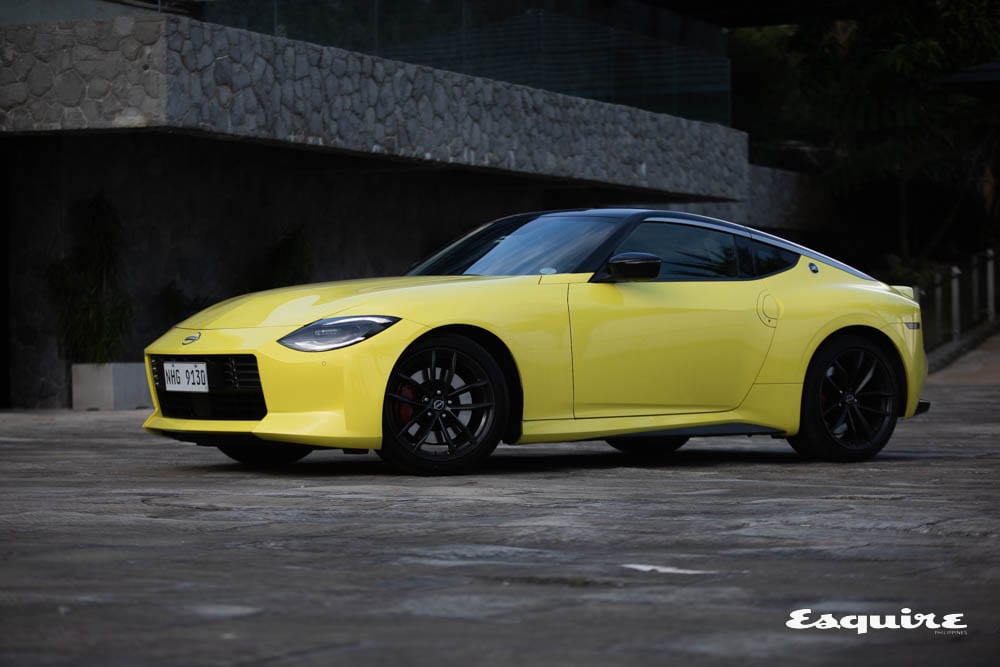
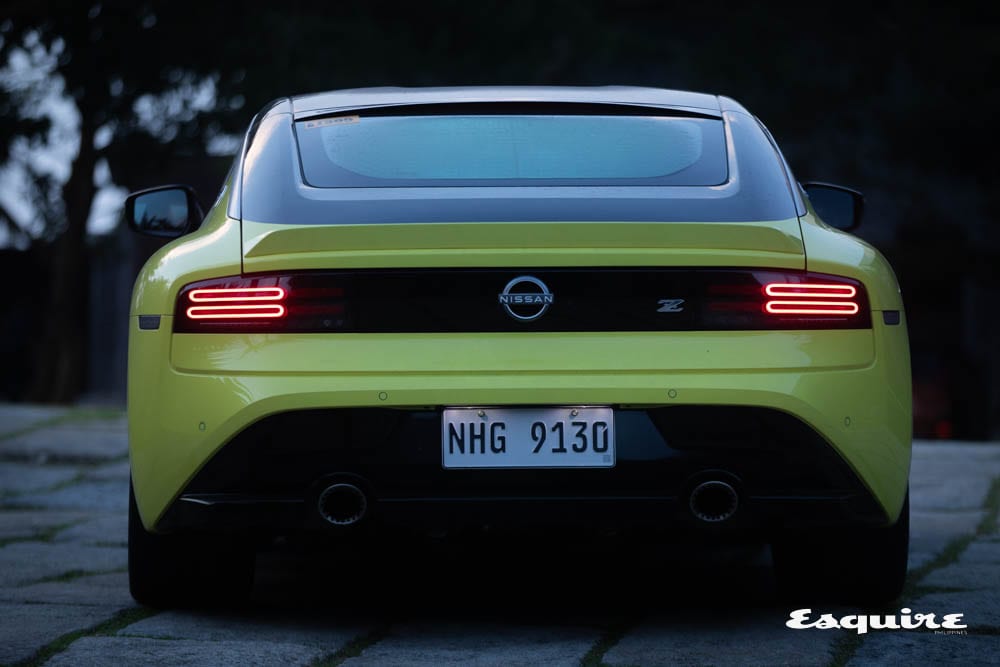
These are the thoughts in my head while behind the wheel of the Nissan Z. The seventh-generation two-seater sports car (RZ34) from the Japanese car giant might not be the most practical choice to get you where you need to go, but nobody can say that it's not an enjoyable way to travel. With sleek lines, comfortable interiors, and a powerful engine, the Z is the type of car for enthusiasts who rank the drive way higher than actually getting to their destination.
PHOTO: Kieffer Carrascal
The Z is the ideal car to take for a nice, leisurely drive out of the city on weekends, and so that's exactly what I did when I had it for a few days.
But first, here's a little history lesson about the Nissan Z.
The story of the Nissan Z began 55 years ago, in 1969, with the debut of the Datsun 240Z. It was a car that would end up redefining sports cars globally. Nissan (then badged as the Datsun in the US) created the Z as a response to British and Italian sports cars, combining sleek styling, reliability, and an affordable price point.
Kieffer Carrascal
ADVERTISEMENT - CONTINUE READING BELOW
The name "Fairlady Z" has its roots in the 1960s when Nissan’s then-president Yutaka Katayama was inspired by the Broadway musical "My Fair Lady," believing the name would bring charm and elegance to Japanese sports cars. In the US, the Z was marketed simply as the "Datsun 240Z," simplifying the brand for an international audience. This model quickly garnered a reputation for performance, thanks to its lightweight design and spirited 2.4-liter inline-six engine, which provided both speed and affordability.
Nissan created the Datsun brand specifically for export markets, and the choice to brand the Z as a "Datsun" in the US was part of Nissan’s strategy to create a distinct identity for its international audience, especially in North America where it wanted to introduce Japanese vehicles as reliable, affordable alternatives to European sports cars. The Datsun 240Z was a tremendous success, and the name Datsun became synonymous with the Z, embedding itself into the automotive culture of the time.
Kieffer Carrascal
Kieffer Carrascal
ADVERTISEMENT - CONTINUE READING BELOW
How the Z invaded the US market
In the late summer of 1969, a sleek, low-slung Japanese sports car rolled off a freighter in Long Beach, California. The car wore no badges and was in a nondescript shade of silver, which was a color chosen to avoid drawing attention to its sharp lines and coupe silhouette. This was the prototype Datsun 240Z, Nissan’s first real attempt to bring a Japanese sports car into the American market—a gamble that would require meticulous planning, patience, and, as it turned out, one secret cross-country test drive.
Two men were tasked to conduct this test drive. Their mission: to drive coast to coast, testing the 240Z's endurance, performance, and appeal in a variety of real-world conditions. One of the men was a Japanese engineer from Nissan’s factory, eager to see if his team’s vision would hold up on the open American road. The other was a seasoned American auto journalist, sworn to secrecy and charged with documenting the car’s behavior, feel, and potential appeal in the US market.
Kieffer Carrascal
The two men started in the West Coast and headed eastward, with only a loose itinerary in mind. Avoiding major highways, the pair navigated backroads and small towns, occasionally pausing to observe how locals reacted to the car. During one stop, a diner waitress commented that the car "looked like an Italian car." The engineer just nodded, recognizing that the car’s sporty European-inspired design was drawing exactly the kind of curiosity they had hoped for.
Over the next several days, the pair drove through mountain passes, deserts, and winding country roads, stopping every night at a motel to jot down notes, including things like whether the engine ran smoothly, even at high elevations; whether the handling was stable, even on rough gravel roads; and did the suspension absorb bumps and cracks with remarkable grace. Every so often, someone would walk up to the car, and they'd deflect questions with vague mentions of a "prototype."
Kieffer Carrascal
One of the men was Yutaka Katayama, often called "Mr. K" and considered the "Father of the Z car." He brought and test-drove the 240Z and arrived at New York days before its official release. When the two men finally pulled into New York City, exhausted but exhilarated, they both knew they had experienced something extraordinary. The 240Z had withstood every mile, and it had captured hearts along the way.
A few months later, Nissan would introduce the 240Z to the US market, and the rest is history. For the two men, however, that secretive, cross-country journey would always be their own private prelude to one of the greatest automotive success stories of all time.
Kieffer Carrascal
The Nissan Rebrand
In the early 1980s, Nissan began transitioning away from the Datsun brand in favor of a unified global brand identity under "Nissan." By 1984, the rebranding was largely complete, and the Z carried the Nissan badge worldwide. While the transition was met with mixed feelings initially—especially among fans who had come to love the Datsun name—the legacy and design of the Z continued to captivate fans and drivers.
Nissan leaned into this heritage, maintaining the Z's reputation for performance, reliability, and affordability under its unified branding. The Datsun-to-Nissan transition ultimately solidified Nissan’s identity as a global automaker, allowing it to build on the Z's reputation as a beloved sports car for enthusiasts worldwide.
Kieffer Carrascal
In 1996, Nissan initiated the Vintage Z Factory Restoration Project, which offered fully restored 240Zs to celebrate the Z’s enduring appeal and legacy. This program demonstrated the deep appreciation both Nissan and its fans had for the model's history. Through the Z's motorsport triumphs and the brand's transition from Datsun to Nissan, the Z remains an enduring icon, both in racing circles and among car lovers globally.
More recently, Nissan's decision to unveil the new Nissan Z in New York pays homage to the original 240Z's history. The moment was pivotal for Nissan, as Katayama's confidence in the US market helped launch the Z as an affordable, high-performance sports car that appealed to a broad audience. Needless to say, the 240Z became a huge success.
Kieffer Carrascal
Driving the Z
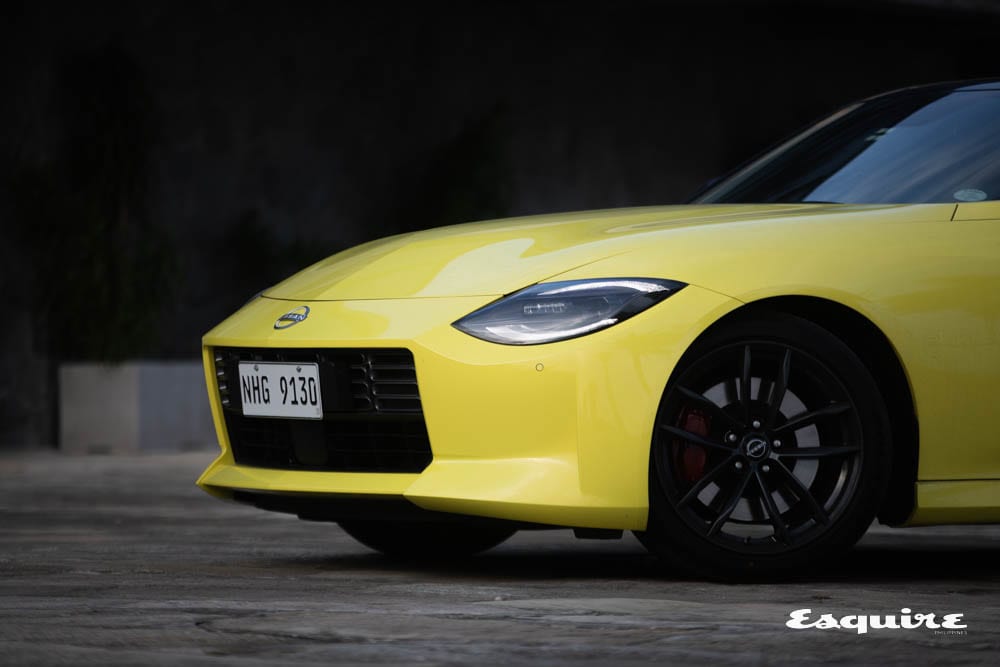
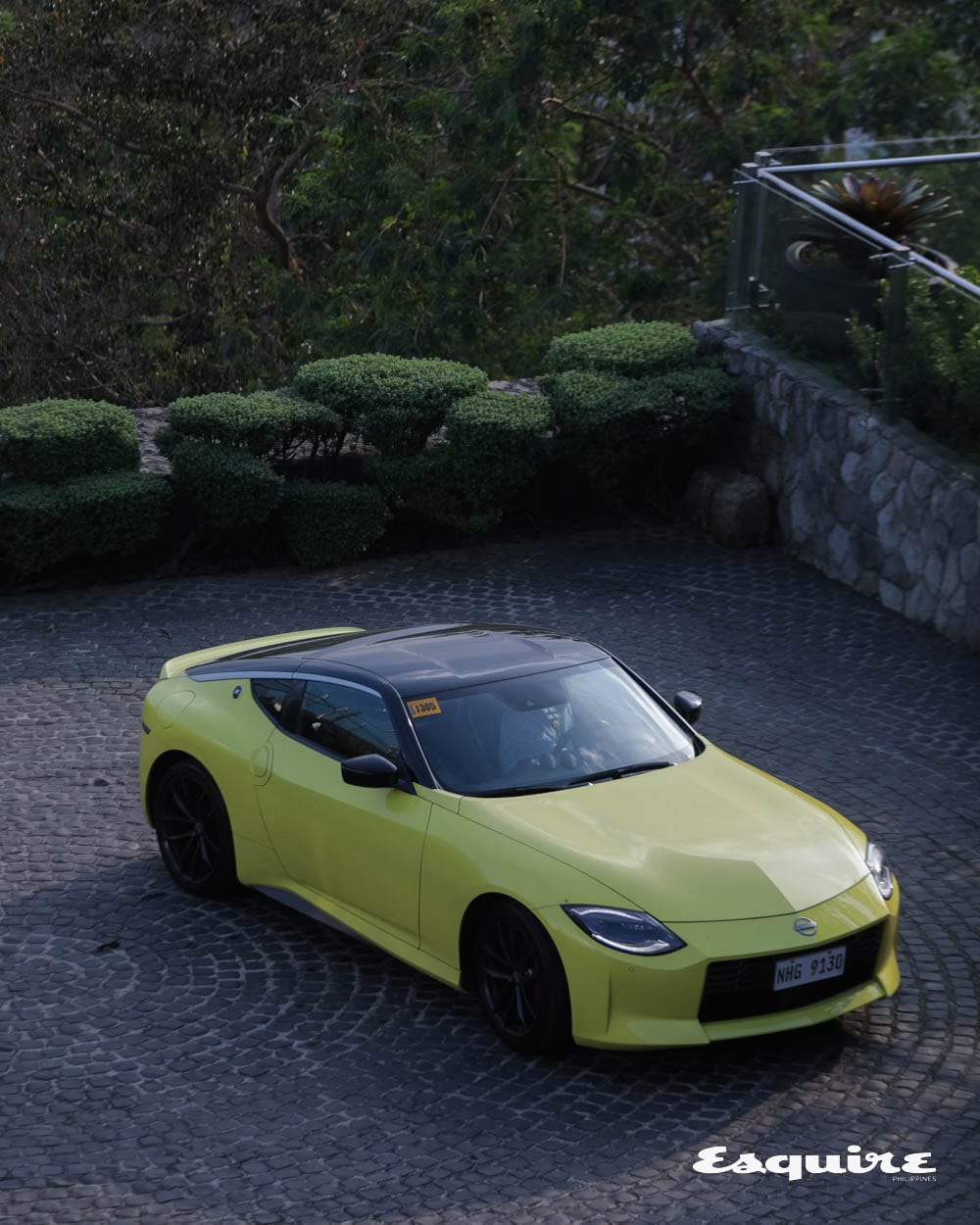
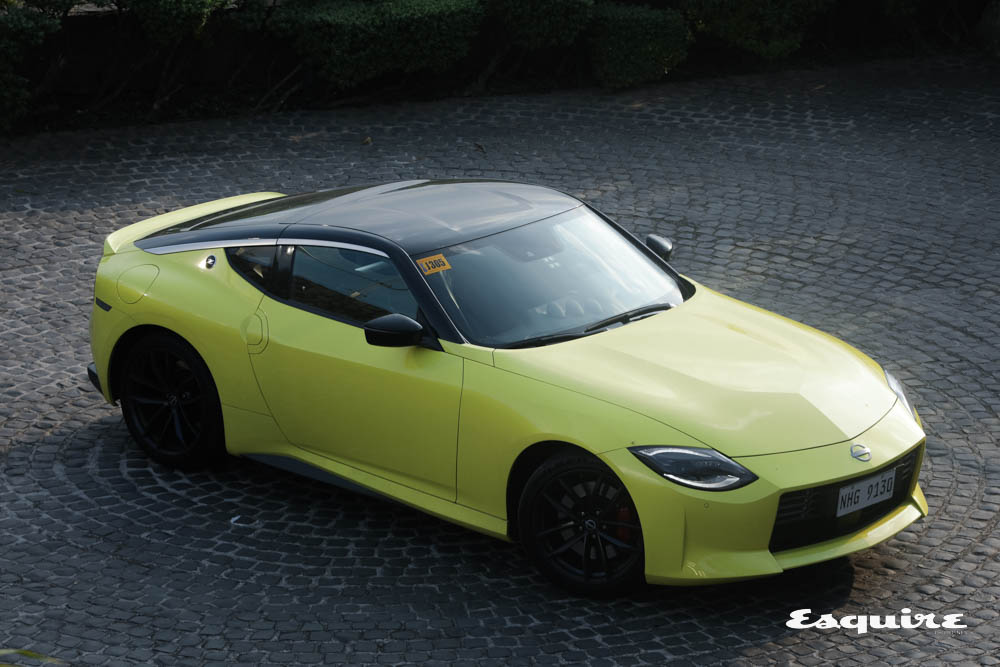
The shape of the Z is already a headturner, but when you get it in what Nissan calls Ikazuchi Yellow (ikazuchi, Google says, is the Japanese word for "thunder"). Starting the car produces a satisfying roar, thanks to the twin-turbocharged 3.0-liter V6 engine, and whoever's in the vicinity not already looking will for sure start craning their necks.
Driving in the congested streets of Metro Manila, I felt like a caged animal just raring to experience freedom. That feeling would come soon enough as soon as I reached the expressway. Flooring the accelerator at just a hair under the speed limit produced a rush that is quite difficult to describe; it wasn't unlike diving into the ocean and letting the water wash the stresses and impurities off your body.
Kieffer Carrascal
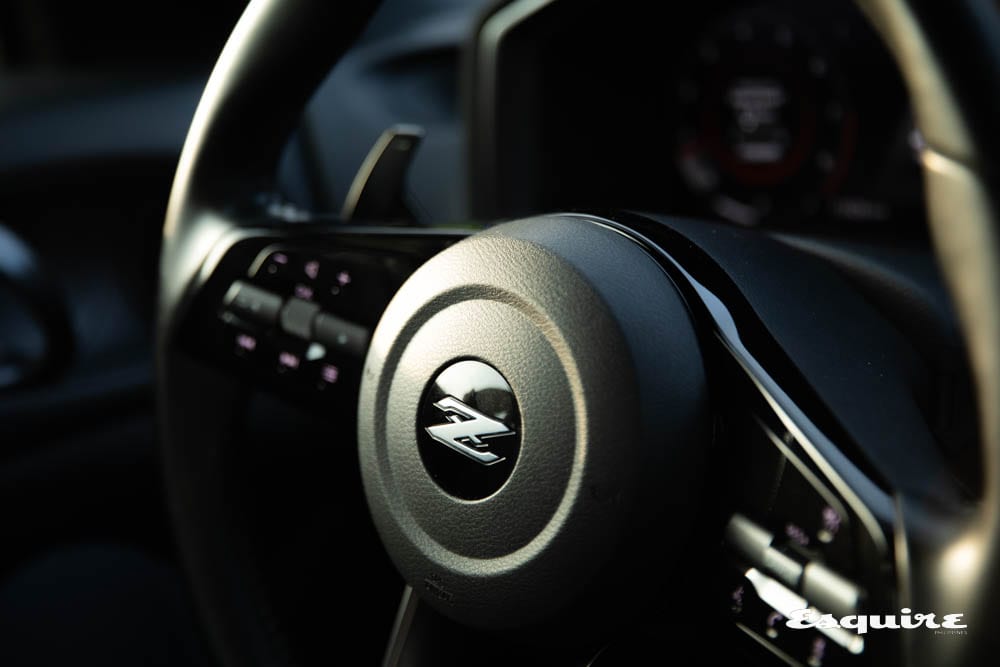
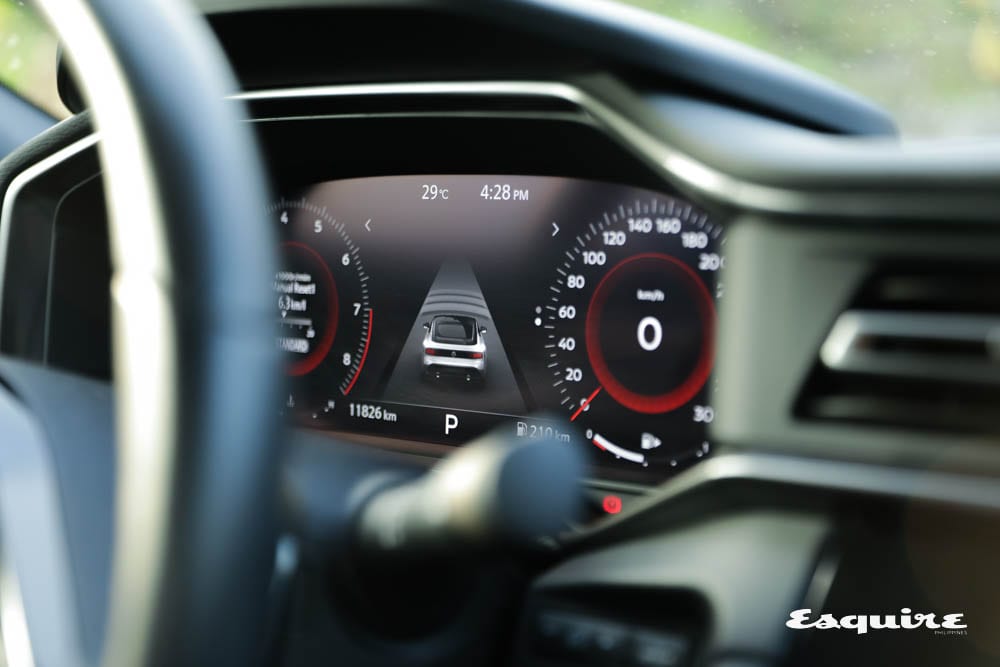
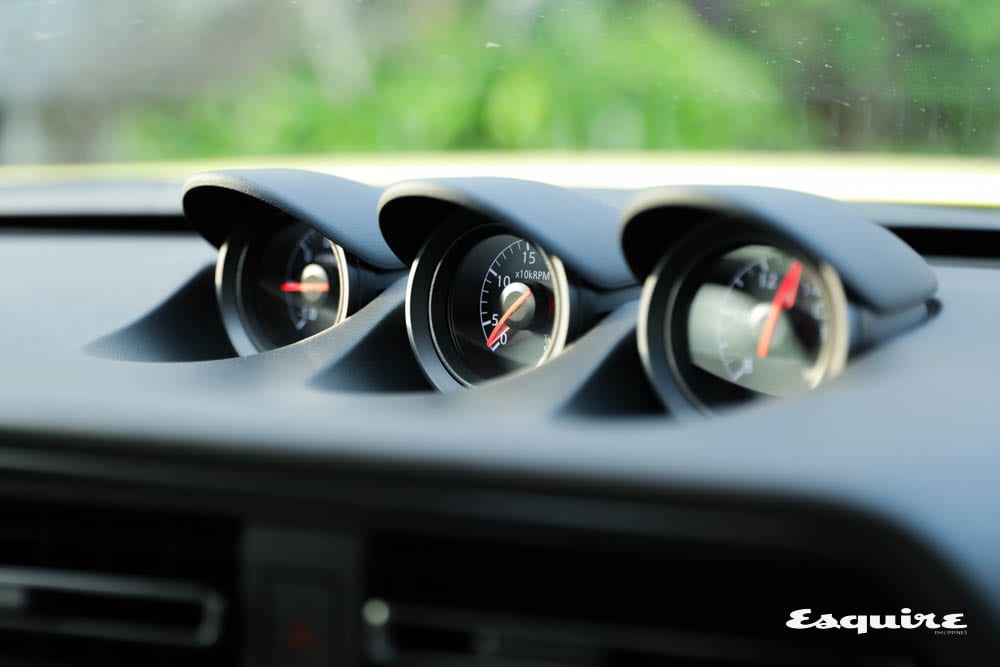
The Z had tons of nifty features that made driving such a joy. Signal lights inside the car just beside the side mirrors that warn of approaching vehicles added an extra layer of safety in case I needed to switch lanes; Bose speakers blasted my playlist from my phone connected via Bluetooth to the touchscreen infotainment system; and electronically adjustable seats ensured total comfort while I was driving.
Because it was small and nimble, the Z could easily outmaneuver slower cars on the road and had no problems tackling the winding roads up to Tagaytay. It was easy to imagine making the weekly drive up to spend a few hours (or a few days) in the popular resort town. And dealing with increasingly bad traffic in the city wouldn't even be an issue; not when you're sitting comfortably inside the Z.
PHOTO: Kieffer Carrascal
My colleague Alvin, who had owned a restored 1971 Datsun 240Z in the mid-2000s, driving the new Nissan Z brought back memories.
"The new Z offers a refined power with impressive handling and modern comfort, yet I found myself reminiscing about the analog charm of the old 240," he says. "The experience highlighted how Nissan has honored its heritage while adapting to modern performance and comfort standards, proving that while the driving experience has evolved, the spirit of the Z lives on."
Kieffer Carrascal
On the way back, I encountered stretches of bumper-to-bumper traffic along Aguinaldo Highway and towards the end of CALAX. I didn’t mind it so much—that just meant I had more time with the Z. Yes, I still needed to get home, but I was in no rush. It was one of those times when I cared more about how I was getting there than whether I got there at all. Maybe the Z had something to do with it.
We use cookies to ensure you get the best experience on Esquiremag.ph. By continued use, you agree to our privacy policy and accept our use of such cookies. Find out more here.