
What is Toyota’s ‘Beyond Zero’ Plan and How Will It Change the World?

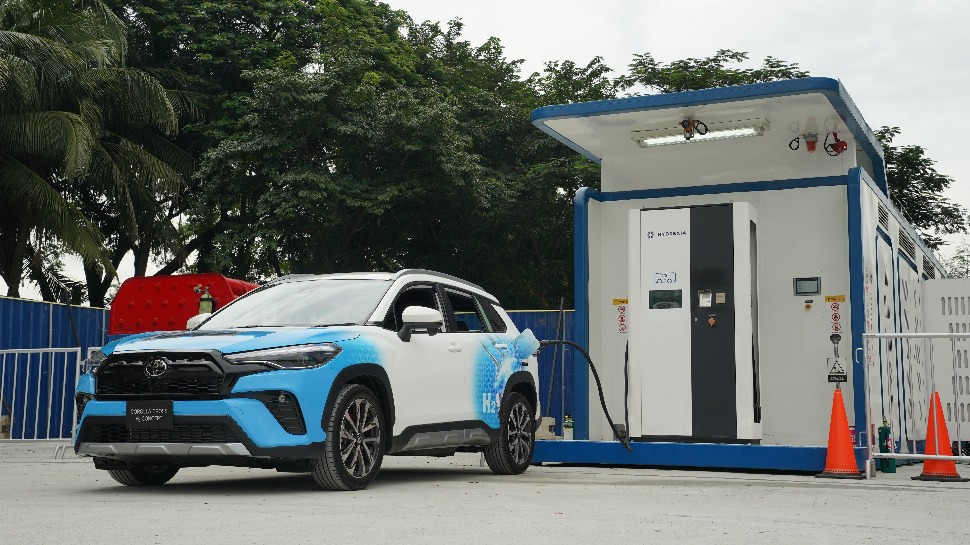
Toyota Motor Philippines Corporation (TMP) unveiled its groundbreaking Beyond Zero campaign during the Philippine International Motor Show (PIMS) 2024 weekend, marking a significant step toward achieving a sustainable automotive future. The initiative reflects Toyota's global commitment to carbon neutrality while fostering a mobility ecosystem that benefits both people and the planet.
Beyond Zero embodies an integrated approach to sustainability built on three key pillars: Electrification, Diversification, and Intelligence.
The Corolla Cross H2 Concept
During the launch, one of the resource panelists, Toyota Mobility Solutions Philippines, Inc. (TMSPH) president Ma. Cristina Fe Arevalo, cited the company’s existing efforts in vehicle optimization and future carbon emission data analytics, enabling efficient movement of people and goods while minimizing environmental impact. This data-driven approach aims to help raise awareness of carbon footprints and effect travel efficiency in applicable sectors including logistics, services, and public transportation.
ALSO READ
The New Toyota Corolla Cross is Now Exclusively Available as a Hybrid
Toyota Kicks Off 10th Season of Gazoo Racing Philippine Cup
With electrification at the forefront of its strategy, TMP is promoting a multi-pathway approach to vehicle electrification. Understanding that different regions and customers have unique needs, Toyota presents a diverse range of electrified vehicles (xEVs). These include Hybrid Electric Vehicles (HEVs), Plug-in Hybrid Electric Vehicles (PHEVs), Battery Electric Vehicles (BEVs), and Fuel Cell Electric Vehicles (FCEVs). It’s a strategy the Japanese automotive giant has been espousing for a few years now.
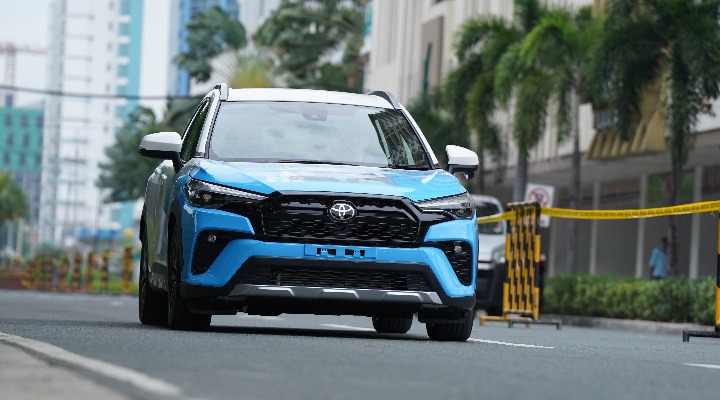
The Corolla Cross H2 Concept features a hydrogen-fueled internal combustion engine
In fact, while other car manufacturers have only recently begun the shift to more sustainable means of transport, Toyota has been a pioneer in the early adoption of electrification in its vehicles for decades, starting with the Toyota Prius in 1997, which became the world’s first mass-produced hybrid car. This innovative vehicle combined a conventional gasoline engine with an electric motor, allowing for greater fuel efficiency and reduced emissions. For almost three decades, the Prius pioneered Toyota’s commitment to environmental sustainability, using advanced technology to create a more eco-friendly driving experience. By prioritizing hybrid technology early on, Toyota set a benchmark in the automotive industry, demonstrating that performance and efficiency could coexist in a single vehicle.
The success of the Prius not only solidified Toyota’s reputation as a leader in green technology but also sparked widespread interest in hybrid vehicles among consumers and manufacturers alike. As the first car to earn the title of "green car," the Prius became a symbol of the shift towards sustainable mobility. Toyota's focus on research and development in hybrid technology laid the groundwork for future advancements in electrification, including plug-in hybrids and fully electric vehicles. This strategic foresight not only positioned Toyota as a trailblazer in the industry but also helped to pave the way for the broader adoption of electric vehicles, influencing the direction of automotive innovation for years to come. With infrastructure for xEVs still at its relative infancy in many markets worldwide, the hybrid remains to be the most viable platform which Toyota cars serve as the gold standard.
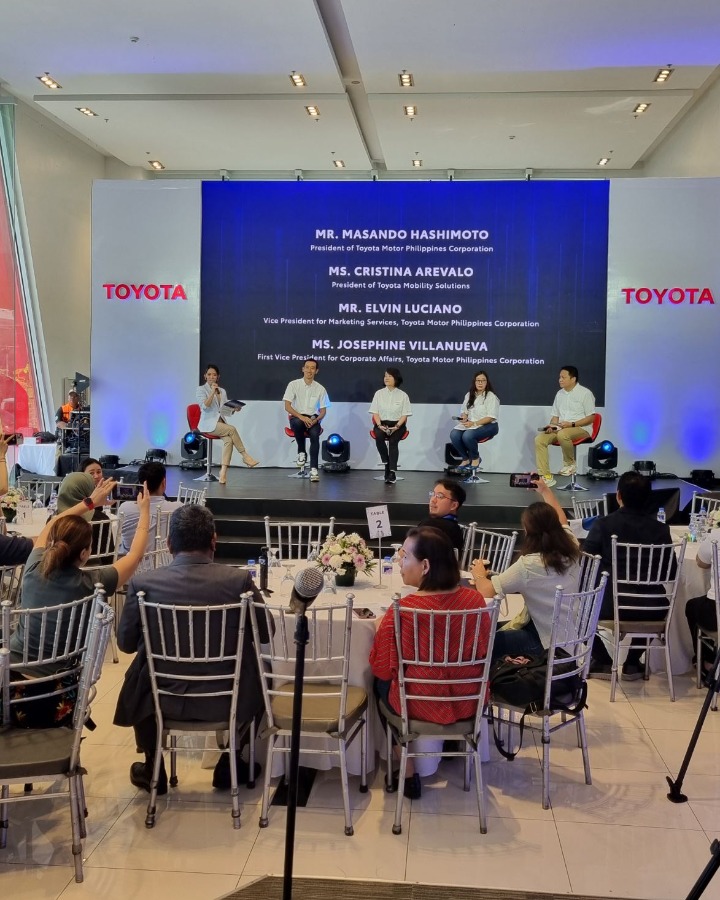
Panelists at the Toyota Beyond Zero campaign event launch
Diversification reflects Toyota's commitment to exploring various energy resources that complement its powertrain technologies. This approach ensures energy self-reliance and security, particularly in Asia. TMP is keenly aware of the diverse mobility needs across the Philippines and is dedicated to providing a variety of solutions. The upcoming Next Generation Tamaraw, for instance, exemplifies this approach. The Tamaraw is designed to meet local requirements while promoting sustainable manufacturing and compatibility with future "carbon-smart" applications.
TMP Corporate Affairs Group's first vice president, Josephine Villanueva, emphasized the importance of a comprehensive roadmap for xEV adoption in the Philippines. This includes government support and a robust charging infrastructure, aligning with the goals set out in the government's Electric Vehicle Industry Development Act (EVIDA), which aims for 50 percent xEV market penetration by 2040.
Meanwhile, Arevalo, also highlighted ongoing efforts in vehicle optimization and carbon emission analytics. Utilizing data-driven approaches allows TMP to raise awareness of carbon footprints and improve travel efficiency across various sectors, including logistics and public transportation.
In addition, TMP’s Life Cycle Action initiatives target carbon neutrality in its manufacturing plants by 2035 through renewable energy, energy efficiency, and future carbon offsetting. The company collaborates with suppliers, dealers, and logistics networks to reduce environmental impacts and promote sustainable practices. It’s also actively engaged in End-of-Life Vehicle (ELV) management, encouraging responsible vehicle dismantling and battery recycling to minimize waste and maximize resource recovery.
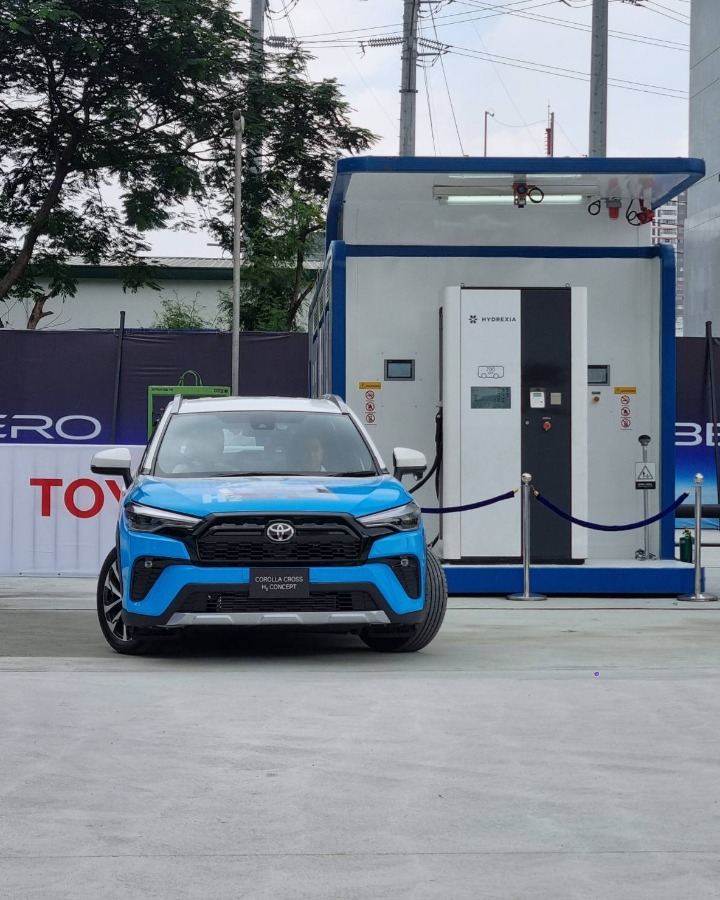
The Corolla Cross H2 Concept allows Toyota to demonstrate the potential of hydrogen technology
During this year’s PIMS, Toyota introduced the Corolla Cross H2 Concept, which features a hydrogen-fueled internal combustion engine. We actually rode shotgun with a Toyota test drive pilot and we thought the car feels and drives like an ordinary internal combustion sedan. This vehicle allows TMP to demonstrate the potential of hydrogen technology, with media participants experiencing a ride in the prototype and witnessing a hydrogen fueling infrastructure demonstration imported from Malaysia.
All in all, Toyota’s Beyond Zero campaign is essentially a recognition that that there is no single solution to achieving a carbon-neutral future. TMP believes in its multi-pathway approach to energy and vehicle technologies, highlighting the strengths and roles of various energy sources in the transition toward sustainability. This means that various types of fuels including biofuels, natural gas, and hydrogen would continue to make headways in the automotive market in the years ahead.
