
DENR Sounds Alarm Over 82 Percent Drop in Philippine Crocodile Count

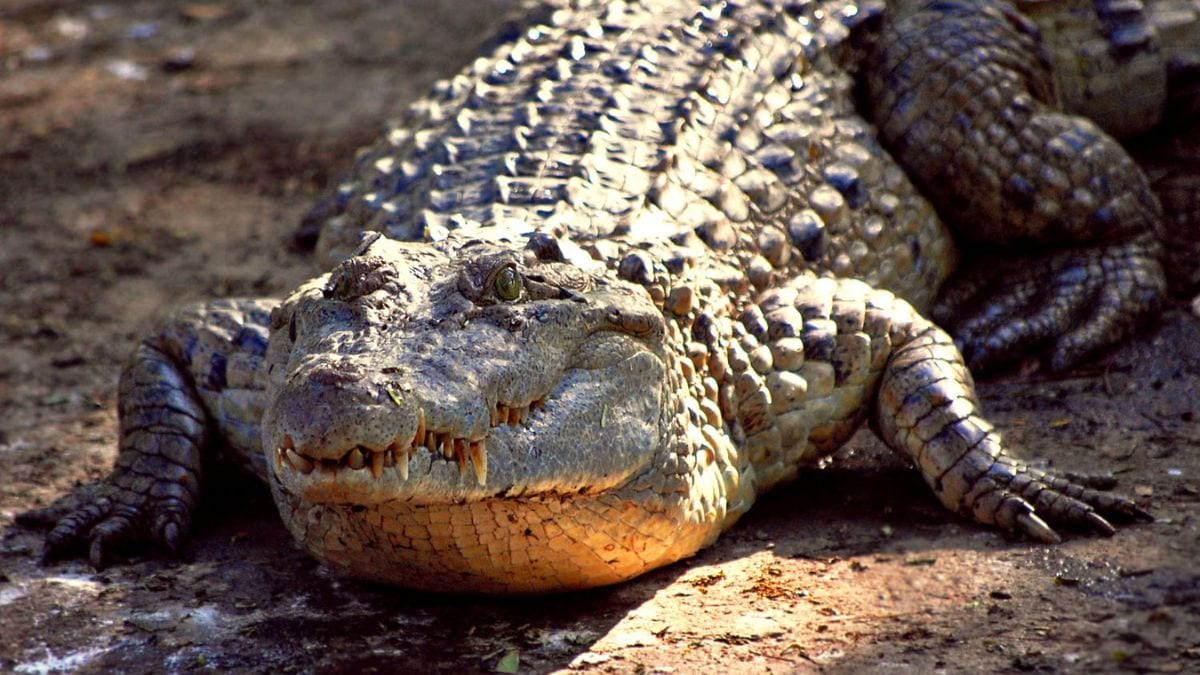
It's disheartening enough that crocodiles are unfavorably compared to the predators lurking within the halls of government. Yet, during the recent observance of the 29th Crocodile Conservation Week, Department of Environment and Natural Resources (DENR) Secretary Maria Antonia Yulo-Loyzaga highlighted an even more somber fact: the Crocodylus mindorensis, our native crocodile species, has seen its numbers dwindle by a staggering 82 percent.
Loyzaga reported that there are only about 500 Philippine crocodiles (Crocodylus mindorensis) and over 6,000 saltwater crocodiles (Crocodylus porosus) in the wild. Crocodylus mindorensis is listed as critically endangered by the International Union for Conservation of Nature (IUCN).
ALSO READ:
The Las Piñas-Parañaque Wetland Park: An Ecotourism Oasis in Manila Bay
Why Are Thousands of Birds Flocking to Bataan?
The decreasing number of these reptiles can primarily be attributed to the loss of their natural habitats, particularly mangrove forests, according to the DENR. As mangrove areas are depleted, largely due to human activities such as development and deforestation, crocodiles are compelled to venture into new territories in search of suitable habitats. This migration often leads to conflicts within ecosystems, disrupting the natural balance and further endangering the survival of this already vulnerable species.
To support and replenish the population of these native crocodile species, the Palawan Wildlife Rescue and Conservation Center (PWRCC), previously known as the Crocodile Farming Institute, has been breeding these crocodiles. She reported that there are at least 68 freshwater and saltwater crocodiles, spanning various stages of life from hatchlings to adults housed at the center. These include individuals found throughout the Philippines, reaching as far as Mindanao.
A juvenile Philippine crocodile

Philippine crocodiles are important due to their roles in ecology, culture, and conservation. They are crucial for ecosystem balance and biodiversity through their prey control. Their presence also indicates the condition of freshwater ecosystems. Globally, crocodiles represent a symbol of biodiversity conservation, with efforts to protect them contributing to the broader goal of saving endangered species and preserving habitats.
According to Britannica, the diet of younger Philippine crocodiles primarily consists of invertebrates, small fish, larger fishes, birds, and sometimes small mammals, depending on the crocodile's size and age. While there have been isolated incidents of Philippine crocodiles attacking livestock, these are not typical predatory behaviors towards humans but rather situations where the crocodile might have felt threatened or provoked. The notion of crocodiles as man-eaters is largely a myth and does not accurately reflect the behavior of Philippine crocodiles in their natural habitats.
