
Tiny Dogs Tend to Have an Abundance of Attitude, Science Confirms

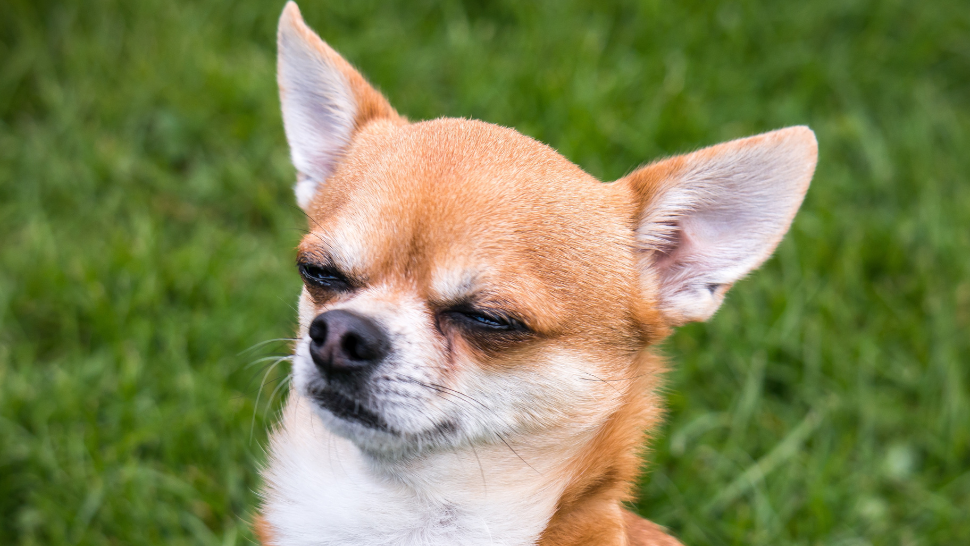
Ever wondered why your large aspin is more behaved than you Shih Tzu? Or why Chihuahuas are Satan incarnate? Or why Golden Retrievers are all gentle giants?
A new study by researchers from University of Sao Paulo has confirmed the thought lingering in all our minds: tiny dogs tend to have an abundance of attitude. Probably to make up for their lack of size.
READ: Asong Gubat: Will This Be the First Official Dog Breed of the Philippines?
The Brazilian study asked the owners of 665 dogs across 57 breeds to answer three questionnaires: one of themselves as the owner, one on their dog’s personality, and another on their dog’s temperament or aggression. The results found that heavier dogs were, surprisingly, less likely to display aggression.
Meanwhile, small dogs with short snouts (brachycephalic dogs) were 79 percent more likely to show aggression toward their owner than mesocephalic dogs (dogs with skulls of intermediate length and width). Brachycephalic dogs include breeds like French Bulldogs, Shih Tzus, Pugs, and Lhasa Apsos, while mesocephalic include Beagles, Golden Retrievers, and German Shepherds.

The study also found that female dogs were 40 percent less likely to show aggression to owners than male dogs, while dogs with male owners were 73 percent more likely to show aggression than dogs with female owners. Another factor that influenced was whether dogs were walked daily by owners as dogs that went on regular walks were less likely to be aggressive.
Overall, the study found that there are a lot of factors that can contribute to aggression, but weight and skull shape (brachycephalic vs. mesocephalic dogs) can play a significant role in your dog’s natural aggression.
Of course, like all studies, the researchers caution readers to take everything with a grain of salt.
“We found relationships, but it's impossible to say which comes first,” explained Flavio Ayrosa, the first author of the study. The findings aren’t cause-and-effect correlations, because there were a number of factors that weren’t considered.
For example, big dogs might show less aggression because they tend to receive more training because of their size. Meanwhile, small dogs tend to be coddled and pampered because of their size.
Either way, it just goes to show that the universe has a way of balancing things out. Big dogs can be gentle giants, while tiny dogs can hide big (and sassy) personalities.
