

Bill to Ban Eating Dog Meat Passes in South Korea, But Dog Farmers and Old-Timers Aren't Happy

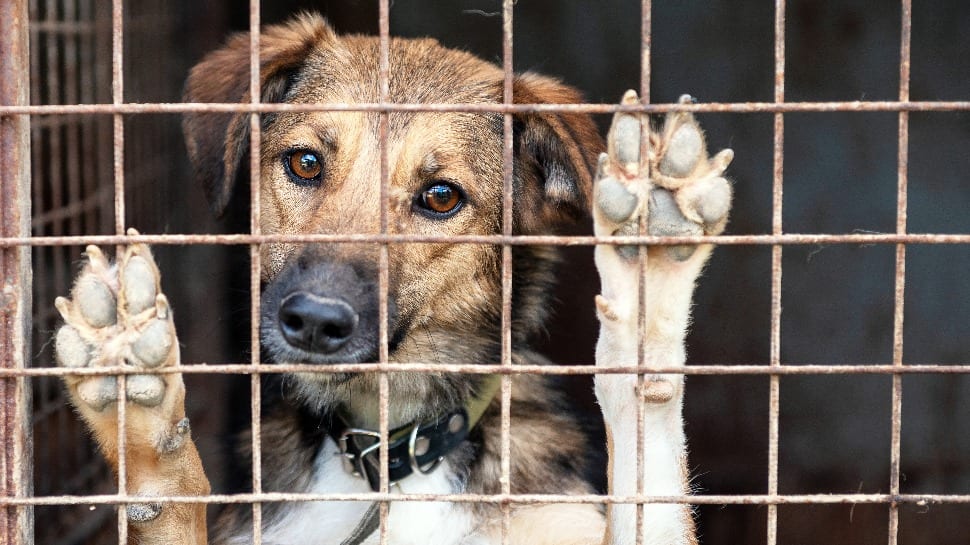
South Korea has banned the sale and consumption of dog meat after its parliament passed a bill earlier this week, but dog farmers and old people who like eating it are not happy with the decision.
The bill, which was approved on Tuesday (January 9), is the first step in the country’s efforts to stop the consumption and trade of dogs. The new law will officially take effect after a three-year grace period. In 2027, the breeding and slaughtering of dog meat will become illegal and will be punishable by up to three years in prison or 30 million won (or about $22,800) in fines, according to a Reuters report.
South Koreans, which have a long history of dog meat consumption, have, in recent times, renounced the practice. The Reuters report quoted a poll conducted by the Animal Welfare Awareness, Research and Education that found about 94 percent of respondents had not eaten dog meat over the past year, and a further 93 percent saying they did not plan on doing so in the future.
ALSO READ
What Ever Happened to the Manilla Spaniel?
A Corgi Just Became the First Dog From the Philippines to Win at the World Dog Show
The bill is also backed by the country’s President Yoon Suk Yeol, whose wife First Lady Kim Keon Hee, is a vocal critic of dog meat consumption. The couple reportedly own six dogs and eight cats.
But not everyone supports the passing of the bill. A group known as the Korea Dog Meat Farmers’ Association has long opposed moves to end the dog meat trade as it will directly affect their source of livelihood. In November, members of the group held a rally to protest the bill and threatened to release about two million dogs near government landmarks all over Seoul, according to a Time report.
The report also said that, according to authorities, there are over 1,000 breeding farms and 34 slaughterhouses in South Korea, as well as some 1,600 restaurants that serve dog meat. But industry representatives say the numbers are far bigger, with an estimated 3,500 farms and 3,000 restaurants, all of which face the risk of shutting down after the passage of the bill.
Dog meat consumption in Korea
Many historians believe that Koreans, as well as other civilizations in Asia, first started eating dog meat as far back as the Neolithic period (about 6,000 to 2,000 BCE). Religious and cultural changes over the centuries have altered peoples’ perceptions and practices regarding dog meat consumption. In the Joseon period (1392-1897), for example, evidence suggests that dog meat was a delicacy, and that it was often eaten during special events such as funerals and 60th birthday celebrations.
But the practice has sharply fallen in recent decades. Today, mostly older people in Korea report eating dog meat. The actual slaughter of dogs for their meat has also been a point of contention, with reports saying that dogs electrocuted, strangled, hanged, and or beaten to death. A BBC report said that some dogs were still alive when they were blow-torched or thrown into boiling water to remove their fur.
According to the Time report, a 2023 Nielsen poll commissioned by animal advocacy group Humane Society International said 86 percent of South Koreans have little intention of consuming dog meat, and 57 percent supported a ban on dog meat consumption. Meanwhile, a 2022 Gallup Korea poll showed that 64 percent of respondents opposed dog meat consumption.
Still, the topic is a sore spot in Korean culture, with dog meat farmers vehemently opposed to the idea of banning it altogether, while animal rights activists are clearly in support of the ban. Time will tell if eating dog meat in Korea will eventually become just a footnote in history.
