

DOT Launches Five-Year Roadmap on PH Gastronomy Tourism

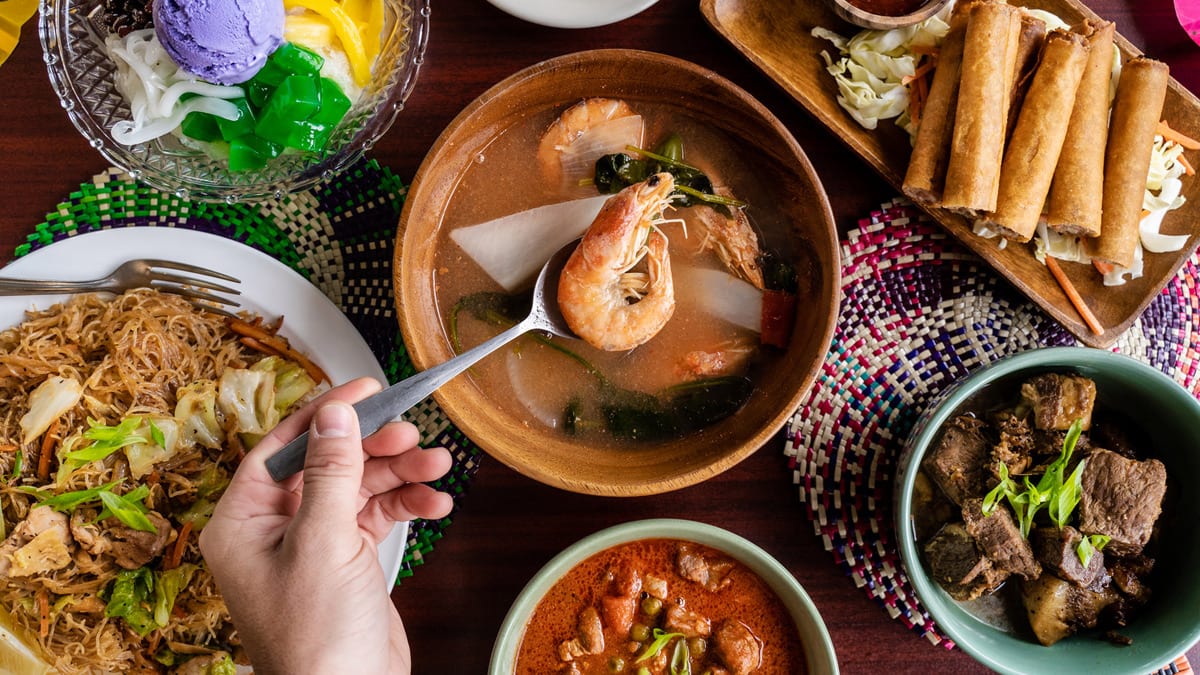
In the Philippines, food speaks not only of culinary skills, but also of our culture. So it doesn't come as a surprise that the Department of Tourism is pulling out all the stops in making the country a gastronomy tourist destination by 2029. In light of this, the tourism agency has completed its Food and Gastronomy Tourism Roadmap for 2024–2029, a strategic plan designed to highlight the Philippines' "culinary diversity and locally-produced fare" and position it as a major tourism powerhouse in Southeast Asia.
ALSO READ:
Asia's Most Important Slow Food Event Is Coming to Bacolod
From Kalinga's Fields to Your Plate: Discovering the Slow Food Community in Pasil
Tourism Secretary Christina Garcia Frasco emphasized that the roadmap, launched alongside a Market Tourism Product Development Program, is more than just an aspirational slogan. "[These are] strategies designed to deliver work, build pride, and position Filipino culinary culture where it belongs, at the center of national and regional development in the eyes of the world," Frasco stated.
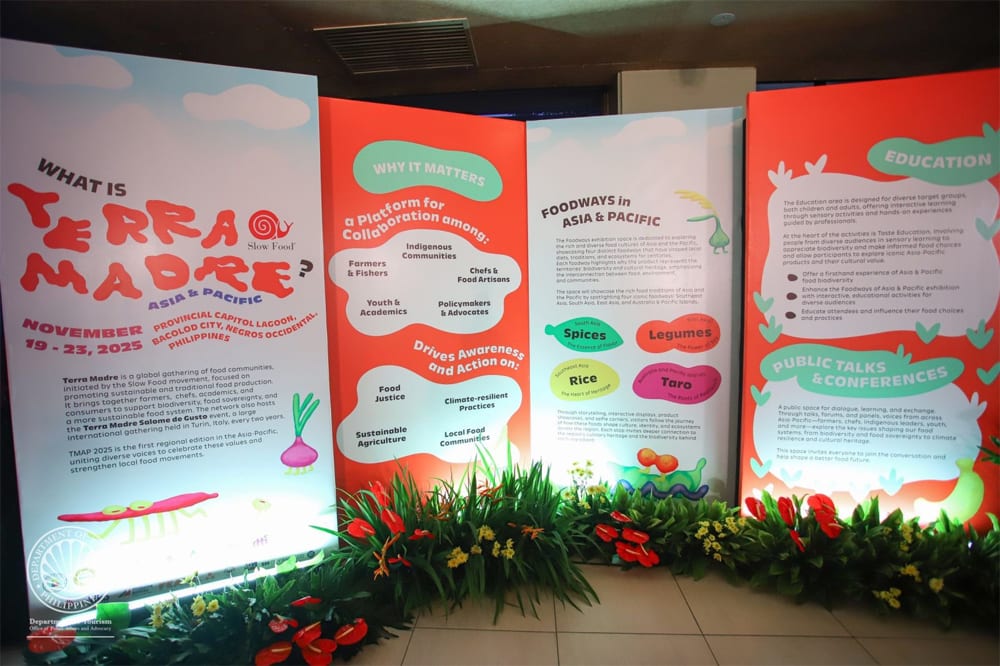
The roadmap’s release is timely, coinciding with the Philippines' role as the host of the first-ever Terra Madre Asia & Pacific event, which is happening from November 19 to 23 in Bacolod City. This major international gathering is expected to draw over 2,000 delegates, including food producers, chefs, educators, and activists, for a series of lectures, discussions, and food demonstrations.
The Philippines formally launched Terra Madre Asia & Pacific 2025 last September 9 at the North Forbes Park Pavilion in Makati City.
While not specifying an investment amount, the roadmap's overarching goal is to "guide public and private stakeholders" in developing food tourism, fostering appreciation for Filipino gastronomy, supporting diverse cultural storytelling, and ultimately contributing to a distinctive and sustainable tourism identity.
The Food and Gastronomy Tourism Roadmap for 2024–2029 has four major goals:
- Ensuring the integrity, diversity, and quality of food and gastronomy tourism experiences.
- Nurturing the growing awareness and recognition of Filipino food domestically and internationally.
- Empowering stakeholders in the stewardship and sustainability of food and gastronomy tourism.
- Building institutions for the shared development and management of the sector.
To execute these strategies, the DOT plans to implement key action plans in coordination with Local Government Units (LGUs), other government agencies (such as the Departments of Trade and Industry, Agriculture, and Foreign Affairs), and the private sector. A technical working group will be organized to align these diverse efforts. In addition, the Market Tourism Product Development Program is a significant component, specifically targeting LGUs and stakeholders to help them reimagine traditional public markets as cultural tourism destinations.
The roadmap also identifies a diverse set of core markets, including domestic travelers, tourists from East Asia (South Korea, Japan, China, Hong Kong, and Taiwan), travelers of Filipino descent in English-speaking countries, and future markets in Europe and other parts of Southeast Asia.
Concrete initiatives in DOT's roadmap include product development, specifically in terms of farm-to-table dining, indigenous food and beverage trails, and agricultural culinary tours; creating packages for key food festivals; partnering with hotels to offer curated Filipino menus; developing certification seals for establishments that source a designated percentage of their produce locally; actively pursuing bids to host major international culinary events; improving tourism infrastructure in remote culinary destinations; creating a gastronomy tourism marketing guidebook; and developing food guides to document traditional recipes and techniques. Lastly, the tourism agency is looking to work with chefs, culinary heritage scholars, and cultural awardees in this undertaking.
The five-year roadmap signals a major commitment from the Philippine government to use its diverse, rich culinary heritage as a powerful driver for national growth and international recognition.
