The thick density and vastness of the Amazon's 7,000-kilometer waterways make it nearly impossible to explore. Only a select group of people have gone into the deep forest. We still have a lot to unravel in terms of the Amazon River basin's intricacies, local fauna, and flora, as well as the myriad communities who've found a way of life here.
This region is the heart of the planet for a reason. The world's most important rainforest is our great climate stabilizer, after all, with roughly 76 billion tons of carbon stored in it. But with deforestation slowly chipping away at the ecosystem, the Amazon battles its biggest existential threats. A large portion of the rainforest continues to battle urbanization and illegal logging.
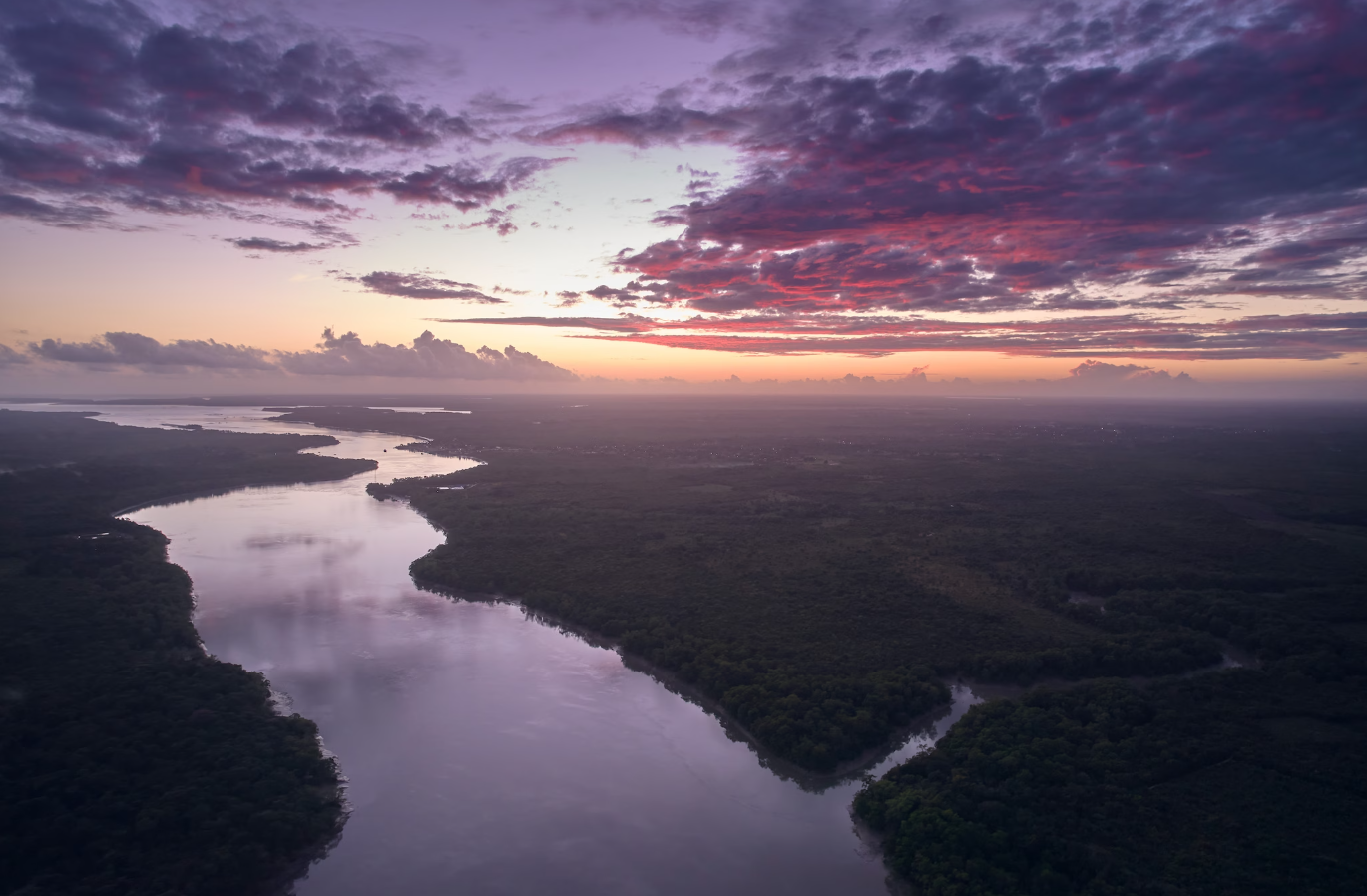
Sunrise over the Amazon. Seen here is the site of the freshwater mangrove trees.
PHOTO: Pablo Albarenga/National Geographic
Post a Comment
Initiatives like the Rolex and National Geographic Perpetual Planet Amazon Expedition, however, hope to further investigate the Amazon to document and address these concerns. In the past year, the exploration went into the heart of the Amazon to try to break new ground. National Geographic photographer Thomas Peschak would chronicle the expedition through his series of photographs.
ADVERTISEMENT - CONTINUE READING BELOW
"From the Andes to the Atlantic, the 6,400-kilometer-long Amazon River, and its thousands of tributaries, are the lifeblood of the region," Peschak noted in a statement. "Together, they form a giant aquatic web the size of Australia."
The marine biologist-turned-wildlife journalist's work previously only focused on the ocean before setting his sights right in the Andes. Here, he joins a team comprised of ecologists, climate scientists, cartographers, geologists, and conservationists as they traverse uncharted territory for the two-year mission. One year later, suffice it to say, they've shed new light on the phenomena of the basin.
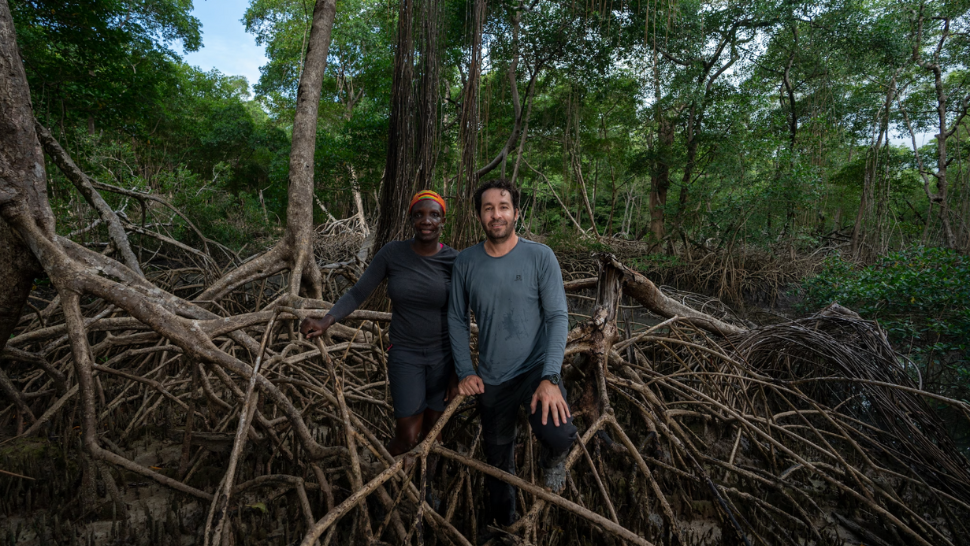
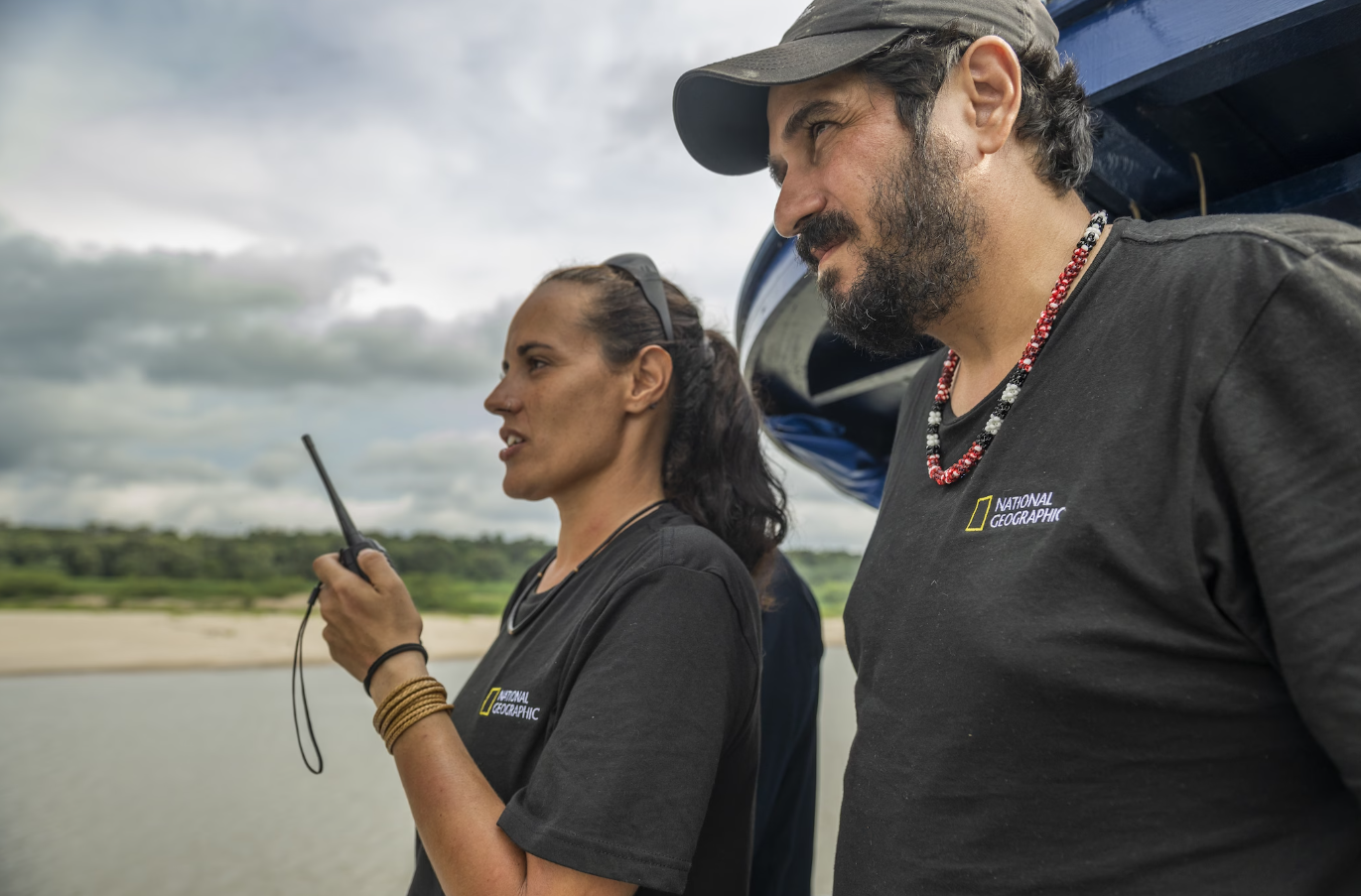
National Geographic Explorers Angelo Bernardino and Margaret Owuor led the team that would explore the Amazon delta and its mangroves.
Margaret Owuor and Angelo Bernardino on the trail.
ADVERTISEMENT - CONTINUE READING BELOW
The group would go on to identify the world’s first-known freshwater mangroves. Most mangroves only grow partially submerged in the salty seawaters of intertidal zones along coasts. Berardino, however, would discover a different species that grew in little to no salinity. The revelation would expand the known area of mangroves in the region by as much as 20 percent, which also makes it the first from Rolex and National Geographic Perpetual Planet Amazon Expedition's portfolio.
Fellow National Geographic Explorer Thiago Silva would create the first-ever 3D models of the Amazon basin's flooded wetland forests. Throughout the trip, he used drones, laser scanning, and more to find out the phenomenon of the basin.
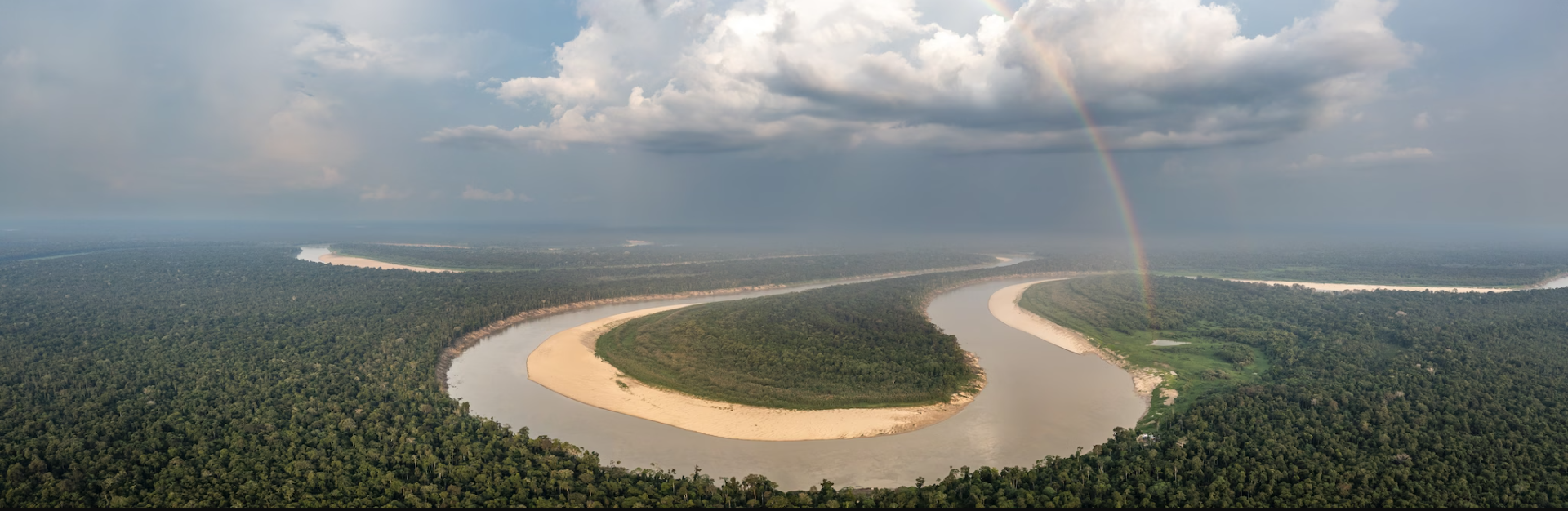
A panorama of the basin.
PHOTO: André Dib/National Geographic
Post a Comment
River Residents
While Bernardino and Owuor dealt with the mangroves, National Geographic Explorer Fernando Trujillo monitored the wildlife in the area. One of which is the disappearing pink river dolphin and how local communities have banded together to coexist with and protect them. Upon surveying, the team found 1,400 of the Amazon’s iconic pink river dolphins.
Rolex Awards for Enterprise Laureate João Campos-Silva and fellow National Geographic Explorer Andressa Scabin, on the other hand, would work with river residents to track overexploited freshwater species like turtles, manatees, pink dolphins, giant otters, and black caiman. They ended up becoming the first people to GPS-tag an arapaima, the world’s largest freshwater fish.
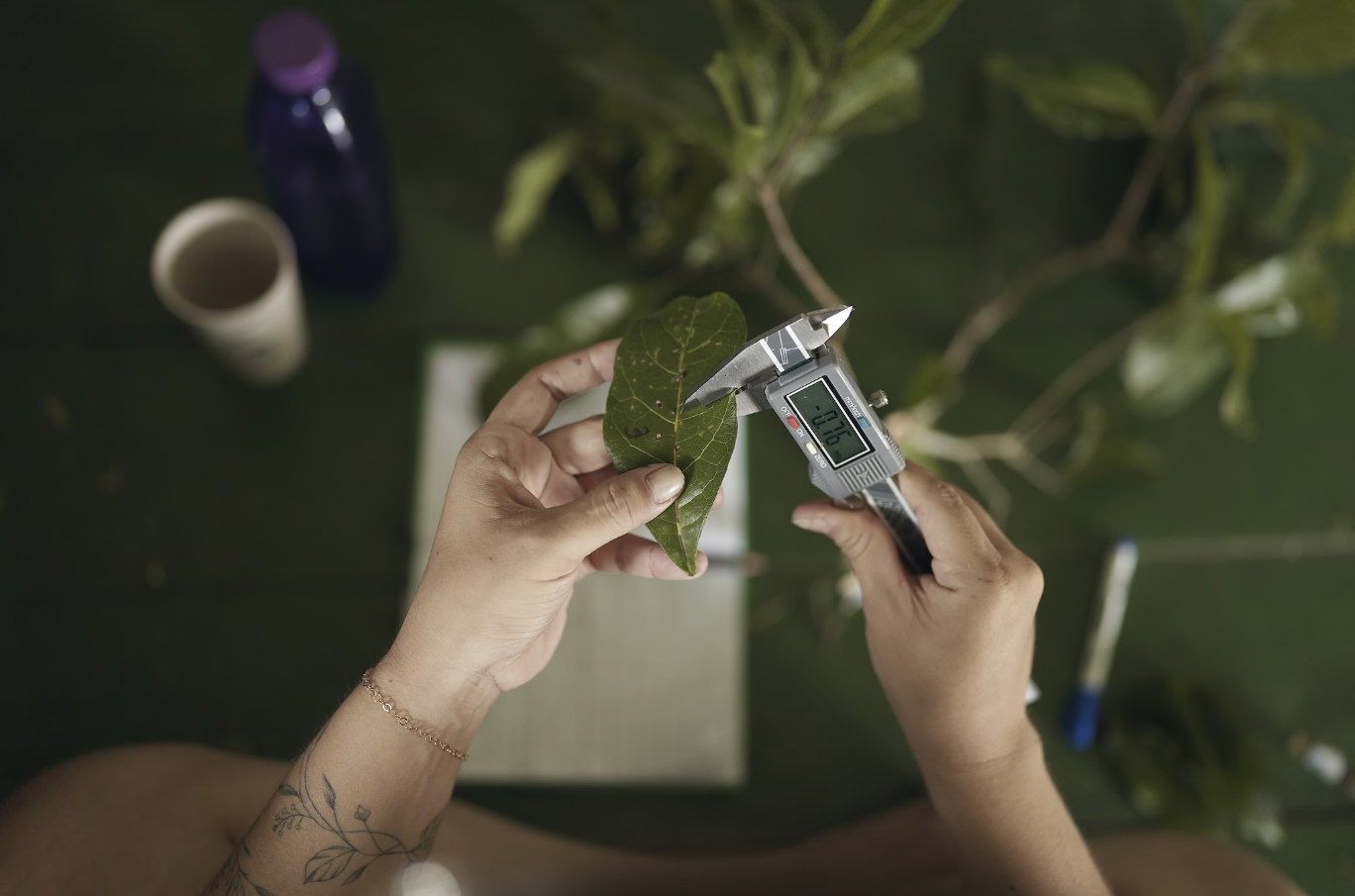
National Geographic Explorer Thiago Silva and Julia Tavares check individual leaves to better appreciate their ability to absorb water.
ADVERTISEMENT - CONTINUE READING BELOW
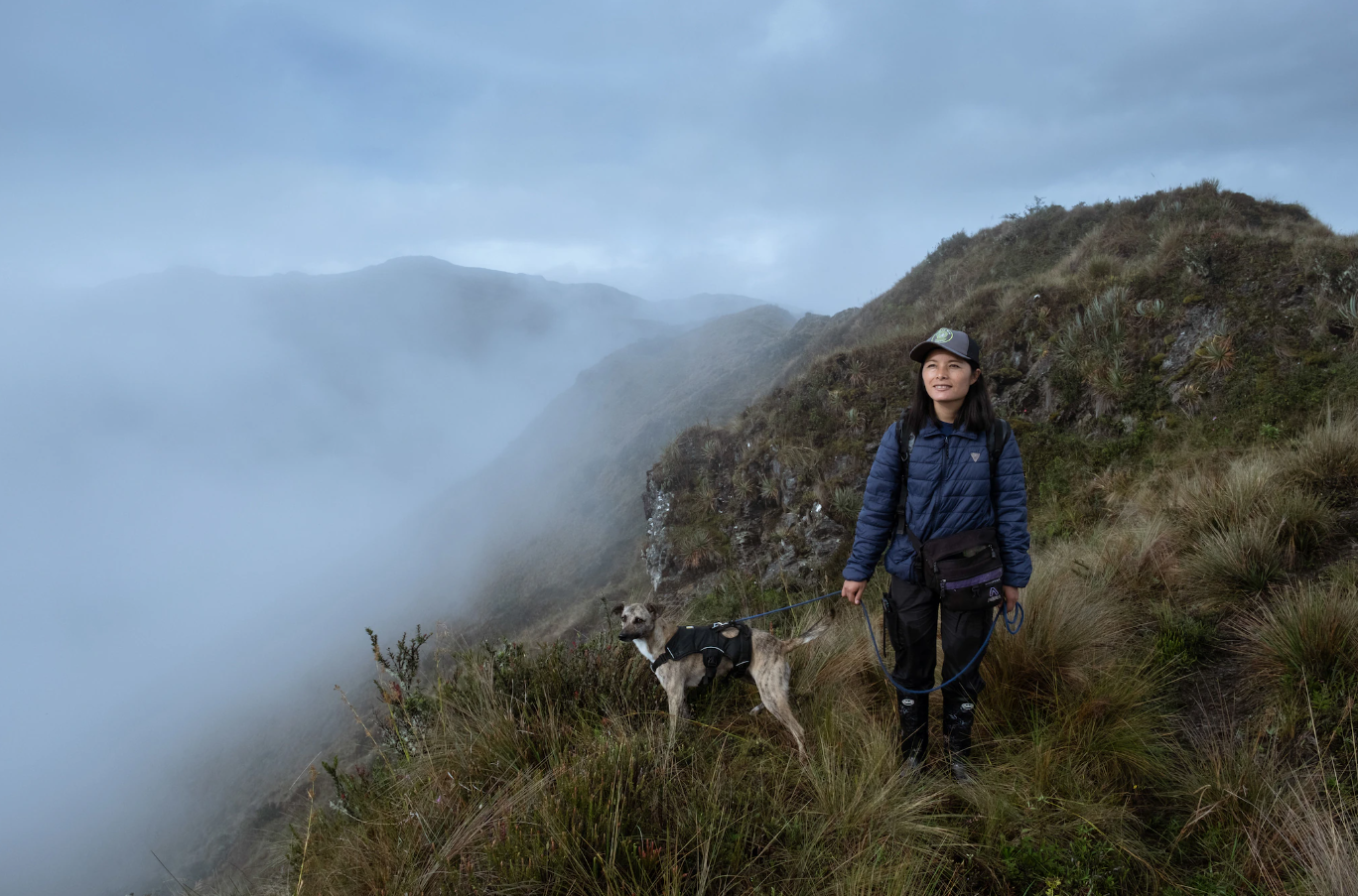
Huarcaya, the indigenous Peruvian biologist, with her dog Ukuku.
There's also the case of the Andean bear, a critical species of value to the Indigenous people of the land. Ruthmery Pillco Huarcaya, a National Geographic Explorer part of the group, has a special relationship with the Indigenous Quechua community.
Huarcaya was raised with stories and legends about these bears. Andean bears are an integral part of the Amazon’s water cycle, as they play a key role in dispersing tree seeds in the cloud forests. The trees serve as a wall of dense vegetation on the western face of the Andes.
Scabin and Campos-Silva counting pink river dolphins in the Juruá River.
The Highest Weather Station in the Amazon
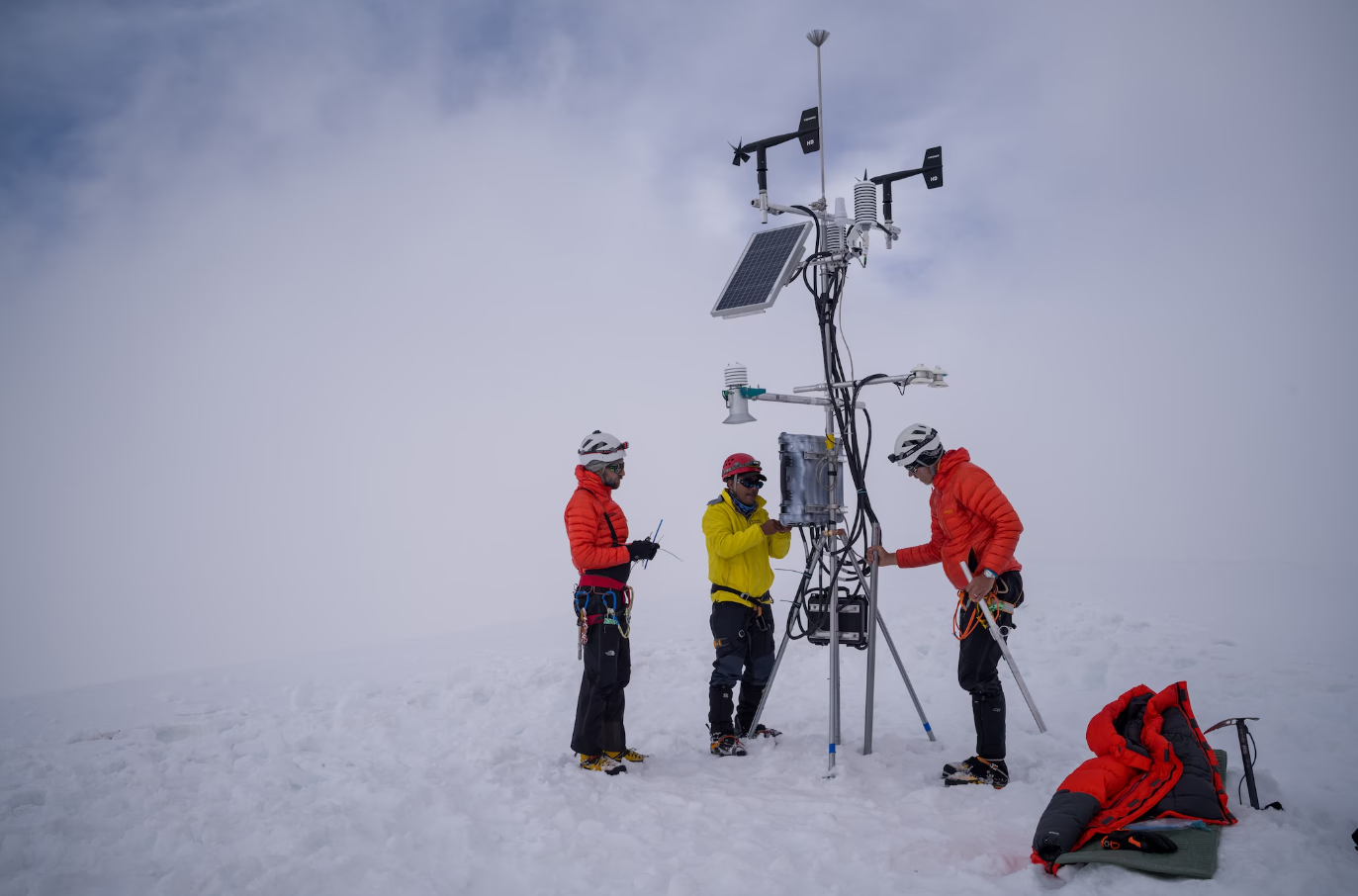
Tom Matthews, Sandro Arias, and Baker Perry installing a weather station on the summit of Nevado Ausangat.
PHOTO: Justen Bruns/National Geographic
Post a Comment
As part of the mission, National Geographic Explorers and climate scientists Baker Perry and Tom Matthews would go on to install the highest weather station in the tropical Andes last July 2022. At 6,349 meters, just 35 meters from the peak of Nevado Ausangate, this is the highest peak in the densely populated Cusco region.
With the weather station, we now have real-time meteorological data. This should explain further how climate change is affecting the Amazon’s primary source of fresh water for communities downstream. "The Amazon is one of the most important regions globally, for influencing atmospheric circulation, especially of water between the land and the atmosphere," Perry added.
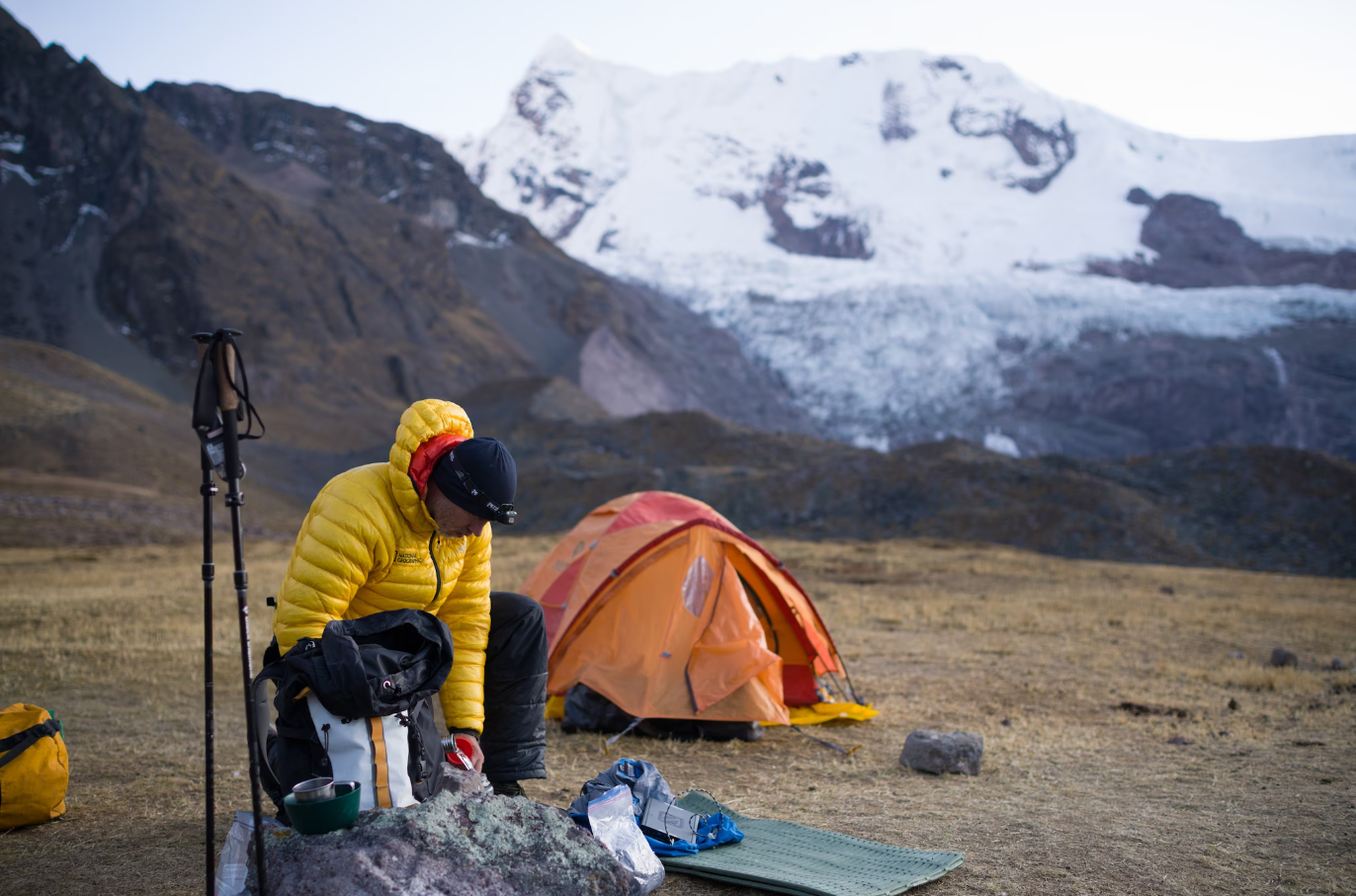
At the base camp of the expedition up Nevado Ausangate.
Just one year after its launch, the Rolex and National Geographic Perpetual Planet Amazon Expedition's findings could soon very well change what we know about the Amazon River and where it's headed in the face of uncertainty.
We use cookies to ensure you get the best experience on Esquiremag.ph. By continued use, you agree to our privacy policy and accept our use of such cookies. Find out more here.