The Extraordinary Story of Anna Bayle, the Filipina Who Became Asia's First Supermodel

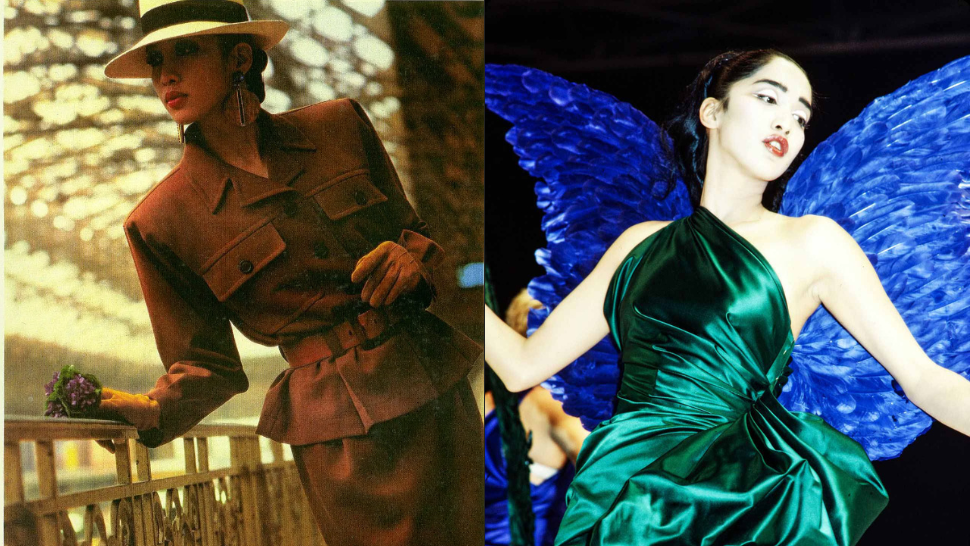
There's an argument to be made that the '80s saw the fashion world's introduction to the modern world. It was a period of transition, both in the shapes and forms of the clothes, but especially, for styling and super modeling. This was when women on the runway broke bigger barriers and crushed outdated stereotypes.
The supermodels then laid down the foundation for a more diverse and innovative industry, one that would transcend colorism and racism. Back then, it was the likes of Jerry Hall, Iman, Cristina Córdula, and Katoucha Niane, to name a few, who dominated runways all over the world. And of course, we can't leave out one very special Filipina. Anna Bayle went from being an unknown Filipina pre-med scholar in the Philippines to becoming an icon of the global runway circuit.
As Asia's first supermodel, Bayle came from pretty humble roots. But she had always been destined for the big time, it seems. The 5"10 morena was even singled out by none other than the late great French fashion designer Theirry Mugler, who considered her one of his favorite muses. He saw a vision for Bayle, and the two would have a productive partnership throughout the '80s, up until her retirement in the mid-'90s. She was a Filipina model who triumphed in fashion capitals worldwide at her absolute peak. Bayle would be seen in Paris, New York, and beyond, dressed in some of the most glamorous ensembles of the era.
Bayle in 1984.
.jpg)
Before all this, however, she was a Manila-born pre-medical student at the University of the Philippines who also happened to be a member of the university varsity team. She would come a long way, as we all know. The supermodel has quite the hero story, really.
ALSO READ:
Harrison Ford Is the Forgotten Father of New York's Streetwear Revival
How Did Tech Geeks End Up Dating Supermodels: An Analysis
View this post on Instagram>pAnna Bayle, Before the Superstardom>h2Born in 1956, Bayle excelled as a student growing up. She would graduate from the Philippine Science High School System and then would be off to take up a pre-medical course at the University of the Philippines. While in school, she ended up competing in the 1976 Miss Republic of the Philippines after being strongly urged by friends. The finals were to be held in London and, funny enough, she said in early interviews that she always wanted to see Big Ben. It was the perfect opportunity.>pShe may not have won the crown, but at the very least, she was named Miss Luzon, good enough for a first runner-up finish.>pBayle would nevertheless catch the eye of Filipino fashion designer Auggie Cordero, who would soon become her mentor in the modeling scene. In a span of just a few years since meeting Cordero, Bayle would graduate to the international circuit, modeling in Hong Kong on her way elsewhere. From there, it was on to New York and Paris. She stood out on the international stage for her striking looks, evocative poses, and silky long black hair. >pOf course, they're familiar.>p
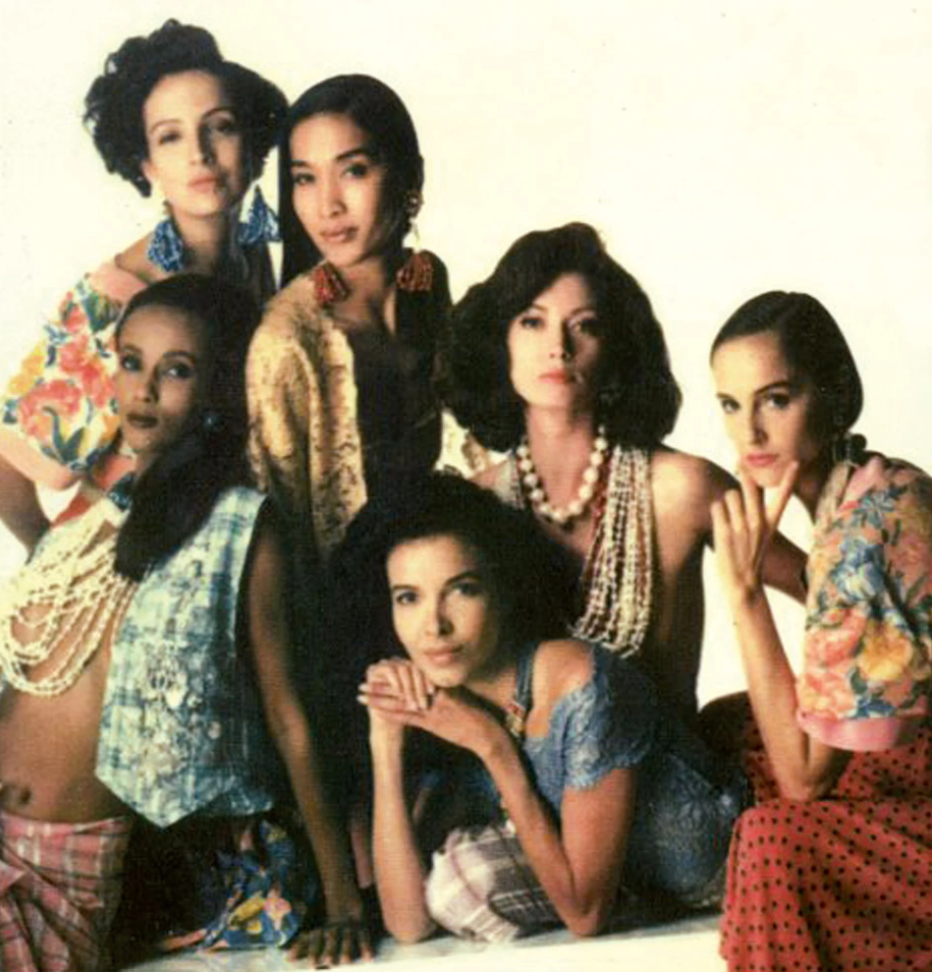 Photo by COURTESY.
>p'80s Global Runway Dominance
>h2In America, Bayle would work with New York designers. Here, she would model for Elite Modeling Agency and Shiseido Cosmetics. She would be a staple in fashion books, courtesy of Chanel, Dior, Scaasi, and more. She would collaborate with Yves Saint Laurent, Chanel, Christian Lacroix, and Versace, among others, too. Gianni Versace loved her and Karl Lagerfeld loved her, as well. >pBut out of all of them, it was Mugler who saw just how much potential she had. She was hired by Mulger when he attended her first and only press show. He would subsequently put her beside his biggest stars. Bayle would fit right in.>pShe was so popular in the scene these days that The New York Times even coined a term for her strut, calling it the "Anna Bayle Walk," which was described as "if she were crushing a cigarette butt with each step down the runway." Photographers, like Norman Parkinson, Sante D' Orazio, Peter Beard, David Seidner, Oliviero Toscani, and so on, adored her in front of the camera, as well.>pSome of her work with Mugler.>p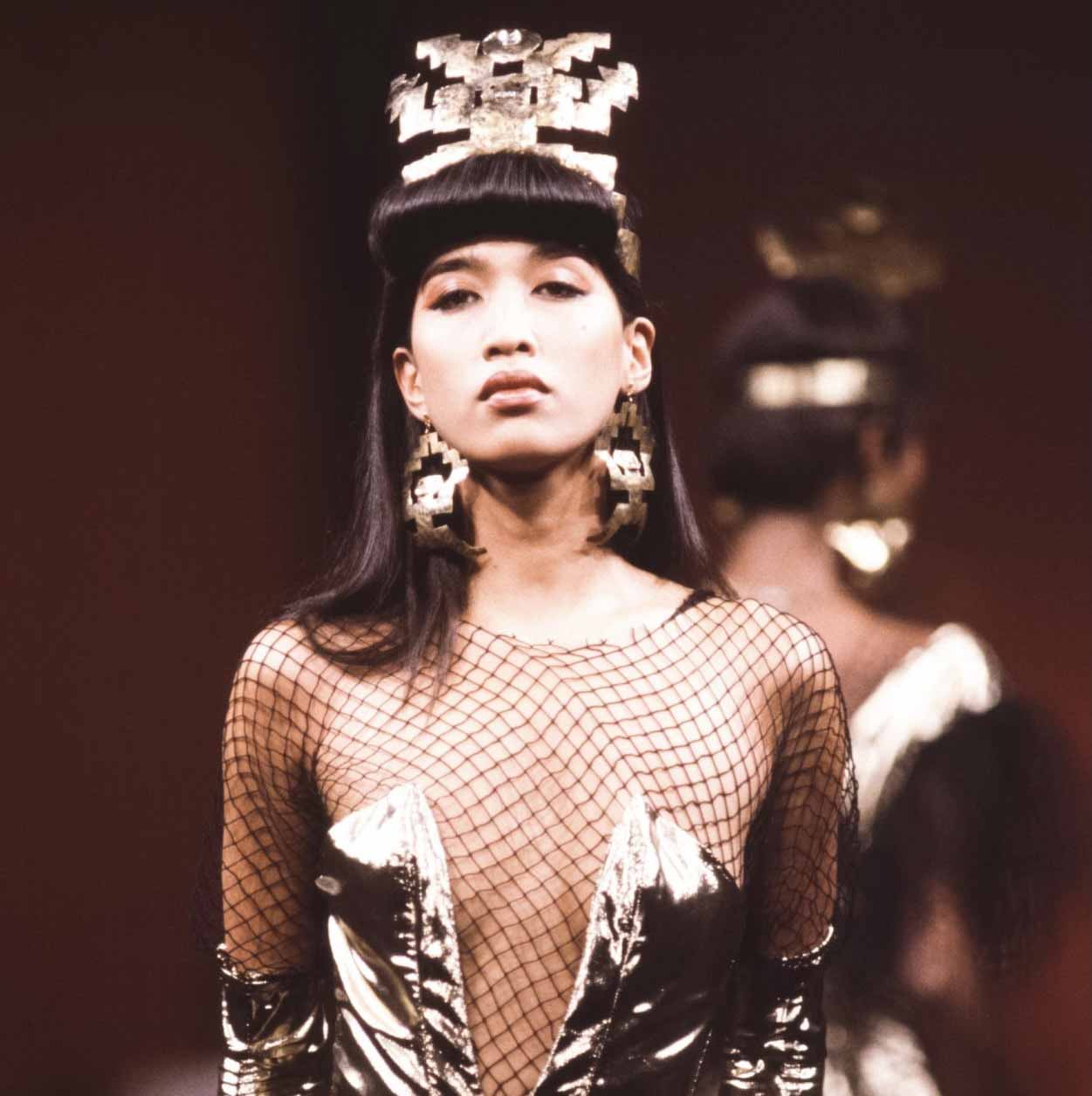 Photo by HIERRY MUGLER SS 1985.
>p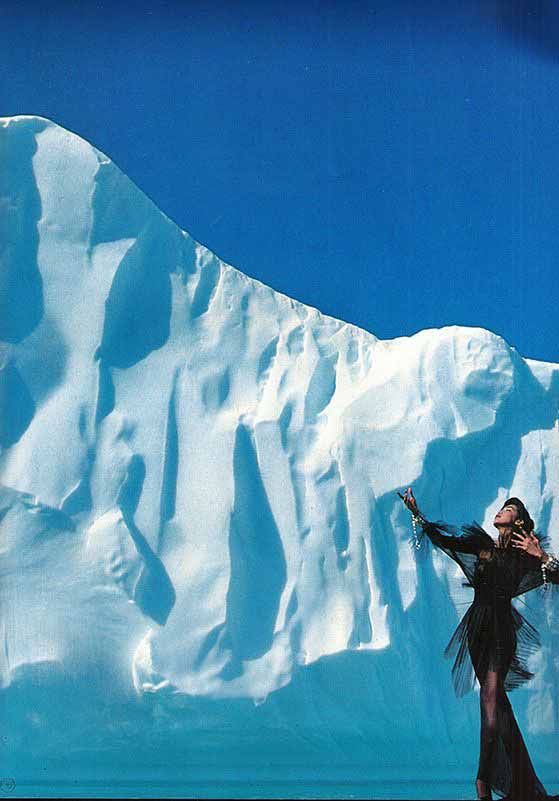
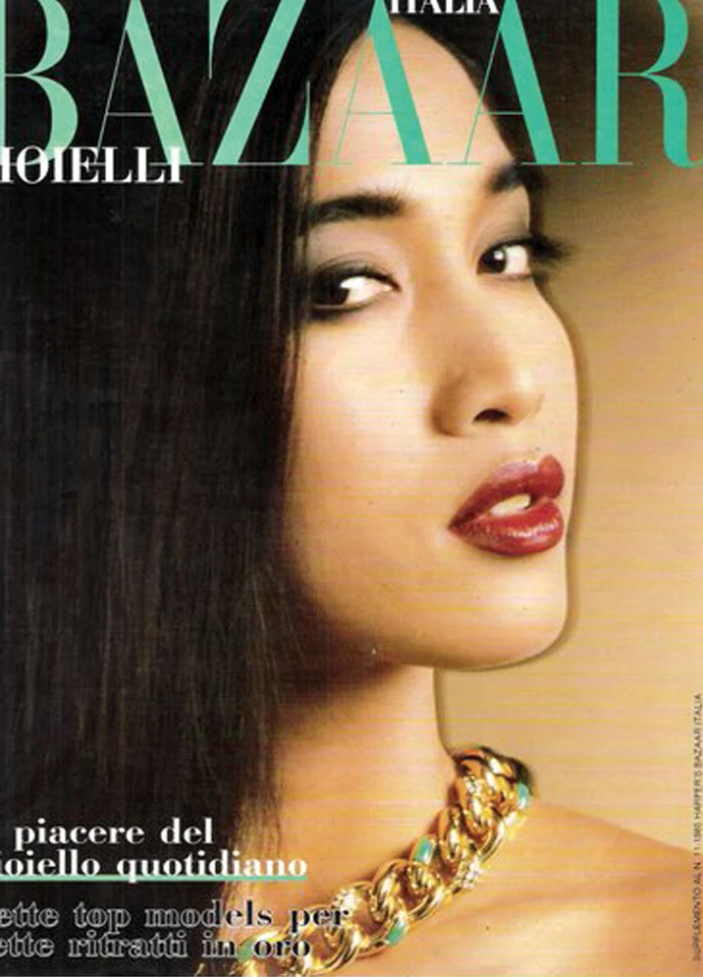
>pA Vogue magazine feature, as well as being recognized as a consensus top-five model in the world (she was named top three in the "Model of the Eighties" list by Harper's Bazaar), would cement Bayle as one of the greats, a generational titan. Bayle was said to be doing nine shows a day during this time in her life. She would become the first Asian supermodel to achieve this kind of notoriety. Thus, the monicker.>pThe Aftermath of Becoming the First Asian Supermodel>h2Bayle would spend about 25 years of her life in the rigorous fashion circuit. Her longevity was unprecedented then, seeing as though most of her contemporaries only lasted three to seven years at their apex. In 1994, she decided to retire on her own terms.>pThe runway star would find herself working as an editorial assistant for CNN Style for a few years. Bayle knew her way around the industry, after all. She would end up releasing a collection of lipsticks in her name at Henri Bendel, too. Eventually, the retired Filipina supermodel would step away from the bright lights of the business and focus on taking care of her son, Callum, following her divorce.>pOn the cover of Harper's Bazaar Italy.>p