

How Anti-Filipino Racism Triggered California Riots in 1930

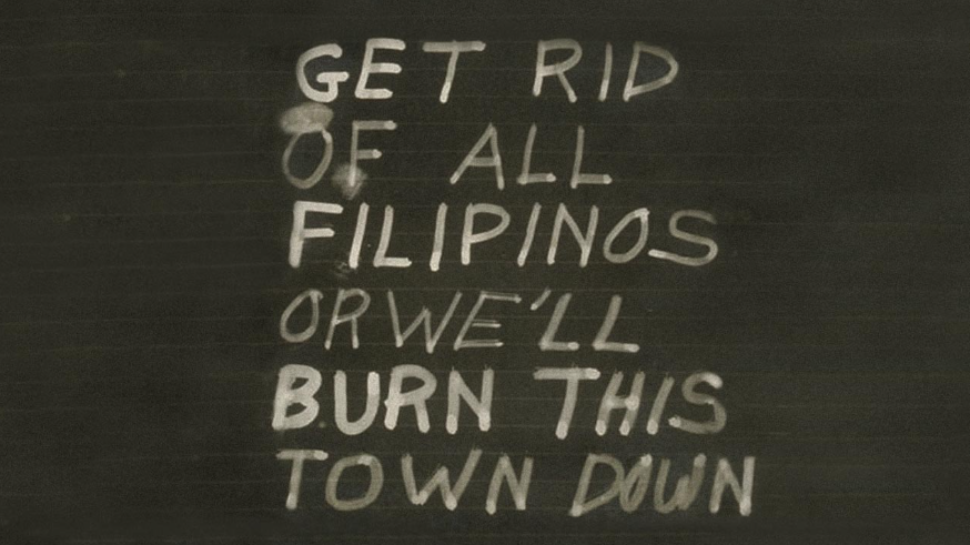
For five days in late January 1930, terror struck a community of Filipino farmers in Watsonville, California when mobs of young White men stormed the streets to incite violence and destroy their properties. What was to be known later as the Watsonville Riots are believed to have started after Filipino men were seen dancing with White women at a local dance hall. But a closer look at history hints that anti-Filipino hate may be the actual cause.
There were an estimated 30,000 Filipinos living in California during this era, who emigrated en masse due to demand for their low-wage labor. They settled in scattered areas across the state, working in farms and canneries, and forging small communities. In San Francisco, there was a small neighborhood called Manilatown, a district that thrived from domestic service labor and businesses that catered to the Filipino American population. It was home away from home.
Also read:
Roldan v. Los Angeles County: The Case That Criminalized Filipinos Marrying Outside Their Race
How Racism Pushed This U.S. Soldier to Join Filipino Guerrillas
Soon after Spain ceded the Philippines to the United States in 1898, Filipinos were given the privilege to become U.S. citizens. This did not grant them the same rights as American citizens, but it gave them the freedom to live and work in the foreign country. As native inhabitants of a U.S. territory, Filipinos were also the only migrant group legally permitted to stay in America. Workers from China, Korea, Japan, and India were all barred due to the widespread anti-Asian rhetoric in White communities. So much for the land of the free.
But this status did not exempt Filipinos from the harsh labor conditions and racial discrimination that the other Asian groups endured. See, 19th-century California was the produce basket of America. Approximately 50 percent of fruits and vegetables came from the state, and the cheap labor that Filipinos supplied was vital to sustaining the booming agricultural industry. Add to the mix the looming Great Depression, and you can imagine why working-class Americans would feel threatened by immigrants.

Government officials did very little to suppress the spread of racism either. In fact, they were sometimes even complicit in it. According to Equal Justice Initiative, “In the days and weeks before the rioting, politicians and community leaders had ramped up their anti-Filipino rhetoric, calling the farmworkers ‘a menace’ and demanding that Filipino residents be deported so ‘White people who have inherited this country for themselves and their offspring could live.’”
More than a threat to their job security, White people also saw Filipino men as sexual competition. As one local judge exaggerated, “The worst part of [the Filipino man] being here is his mixing with young White girls from 13 to 17. He gives them silk underwear and makes them pregnant and crowds Whites out of jobs in the bargain.”
This tension started because carousing the pool halls and taxi dance halls were a popular recreational activity among the farm laborers. They were mostly young men, bachelors who could not settle down because of anti-miscegenation laws. They would purchase 10-cent tickets that granted one dance with a young lady. When these White women started dating Filipino men, local communities became even more enraged.
It didn’t help that, despite being immigrants, Filipinos were fluent in American culture. Writer Maddin Malone observed this in an LA Times article in 1938, saying “the little brown men from the Philippines [sic] are two or three years ahead of the styles and the well dressed American in a few seasons will be wearing what they are wearing down in Los Angeles and Main streets now.” Having grown up watching Hollywood films, Filipinos were heavily inspired by the fashion sense of actors. Thus, they were often seen wearing expensive, bespoke suits, which didn’t always sit well with Americans.
The combination of labor competition and issues with racial mixing was a disaster waiting to happen. And then, it did.
The riots began outside a Filipino dance club in Palm Beach, Watsonville. This Filipino-owned club offered dances with the nine White women in its residence, so mobs came wielding clubs and weapons intending to take the women out and burn the club down. The owners threatened to open fire if the riot persisted, and when the mob refused to leave, they started to shoot.
Things only escalated from there. From January 19 to January 23, mobs of up to 500 White people rioted around Watsonville, dragging Filipinos out of their homes, beating them, and shooting down their houses. One Filipino named Fermin Tobera was shot dead in his sleep in a San Juan Road labor camp. His body was brought home, but no one was ever tried for his murder.
The violence in Watsonville also ignited riots in other California cities including Stockton, San Francisco, Salinas, and San Jose. There was even a bombing incident at Stockton’s Filipino Federation Building. As reported by the Healdsburg Tribune, “Whites in an automobile hurled a bomb into the building, blowing the facade clear across the street and throwing occupants of the club from their beds.” Only one person was injured during the bombing, but yet again, no one was persecuted for the crime.

Racial segregation was taken one step further in 1933, when California amended its anti-miscegenation law to effectively criminalize marriage between Filipinos and Whites. The following year, Congress passed the Tydings McDuffie Act, which granted the Philippines independence, but at the same time revoked the right of Filipinos to live or work in America. This effectively—and immediately—halted unchecked migrations and all but forced Filipino immigrants either relocate or move out of the U.S. Those who wished to return home but could not afford to do so because of the worsening economic conditions of the era were repatriated by the federal government in 1935.
It was only in 2011 that the California legislature formally apologized for the discrimination, prejudice, and animosity endured by Filipino Americans during this era, expressing “regret for the suffering and hardship those individuals and their families endured as a direct result of governmental actions taken because of the state’s various policies and laws that it had enacted.”
The first-generation Filipino immigrants persisted against racism the best they could, built communities in areas where they were more welcome, and paved the way for today’s Filipino American diaspora. But the Watsonville Riots are a striking example of how quickly ideals, like white supremacy, can fester hatred among humans—something society would really do well to reflect on.
