

The Cry of Masungi: How the Battle Rages for This Piece of Paradise

Masungi Georeserve is an internationally awarded conservation project that is just a day trip away from Manila. Throughout its existence, the reserve has ensured the survival of over 400 species of flora and fauna, protected 60-million-year-old limestone formations, planted 40,000 indigenous trees, and employed over 100 locals who are now helping protect this piece of paradise.
Plants Older Than Dinosaurs Thrive In Masungi Georeserve

In July 2020, the reserve shared how a prehistoric plant older than dinosaurs can be found in its forests. According to the Masungi Georeserve Foundation, cycads are regarded as the "Rosetta Stone" of plant biology because of the information they contain about the Earth's past. Of the 11 cycads species in the Philippines, 10 are endemic—or can only be found here. Unfortunately, more than half of the 297 known species and subspecies of cycads around the world are now classified as threatened due to loss of habitat and illegal plant collecting.
Barbed Wire and Bleeding Trees

In February 2020, barbed wires and bleeding trees in Masungi made headlines as the reserve fought a desperate war against mining companies seeking to plunder its rich quarry.
The barbed wires were allegedly illegally installed, despite the fenced-off area being within the Masungi Geopark Project—a reforestation initiative covering about 3,000 hectares of land in the area of Rizal. According to the reserve, the move was “intended to derail the reforestation project in favor of quarrying and other harmful activities to the environment.”
Armed Men Preventing Masungi’s Reforestation Efforts
Masungi’s rangers removed the barbed wires installed in February, thinking that was the end of it. They were wrong.
In an audacious attempt to send a louder message to the administration of the reserve, armed men returned to the site on October 23 and once again fenced portions of the Masungi Georeserve that is currently undergoing reforestation.
Before and After Reforestation at Masungi Georeserve

The armed men did not present documents allowing them to install barbed fences, said the Masungi Georeserve. They even put up a sign that says, “No Trespassing.” To make it worse, the armed guards had also built a makeshift hut for themselves, cut from the trees within the protected site, according to Masungi Georeserve.
Billie Dumaliang, trustee of the Masungi Georeserve, confronted the armed men in a video posted by Masungi Georeseve. Dumaliang and her escorts asked the guards why they fenced off the area, to which they replied it was “private property” and they were protecting the site from intruders. The confrontation was posted on Facebook on October 25.
Masungi asked for help from the Department of Environment and Natural Resources (DENR), which sent its own team of foresters to aid Masungi’s rangers, according to Rappler.
Masungi Georeserve is protected under Republic Act 7586 or the National Integrated Protected Areas System Act of 1992, which safeguards the reserve from any form of human exploitation. The law also prohibits the construction of any kind of structure within Masungi, even if these are makeshift fences of barbed wire and bamboo.
On October 26, DENR undersecretary Jonas Leones rebuked the private entity encroaching on Masungi Georeserve. Leones told ABS-CBN what was happening in Masungi was a clear violation of existing laws.
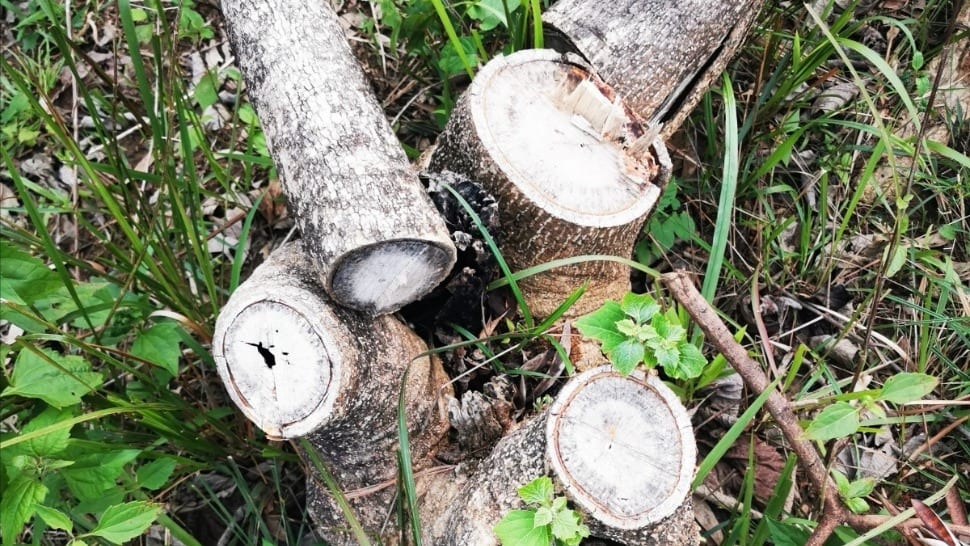
Felled Trees, Garbage Left at the Site
When Dumaliang returned to the site on October 26, they found garbage and felled trees. “If they were indeed protecting the area, bakit ganito 'yung inabutan namin?” she told Rappler.
Although the fences have been dismantled, Dumaliang said rangers report seeing the armed guards roving the area.


Private Entity’s Response
Rublou Inc., the company that sent armed guards to “protect” the area, released a statement belying Masungi Georeserve’s claim on the area. According to Rublou, the contested site is part of the ancestral lands of the Dumagat-Remontados, and the armed guards were stationed there to protect the site from land grabbers and illegal loggers.

