
The U.S.-China Tariff War: Impacts and Repercussions

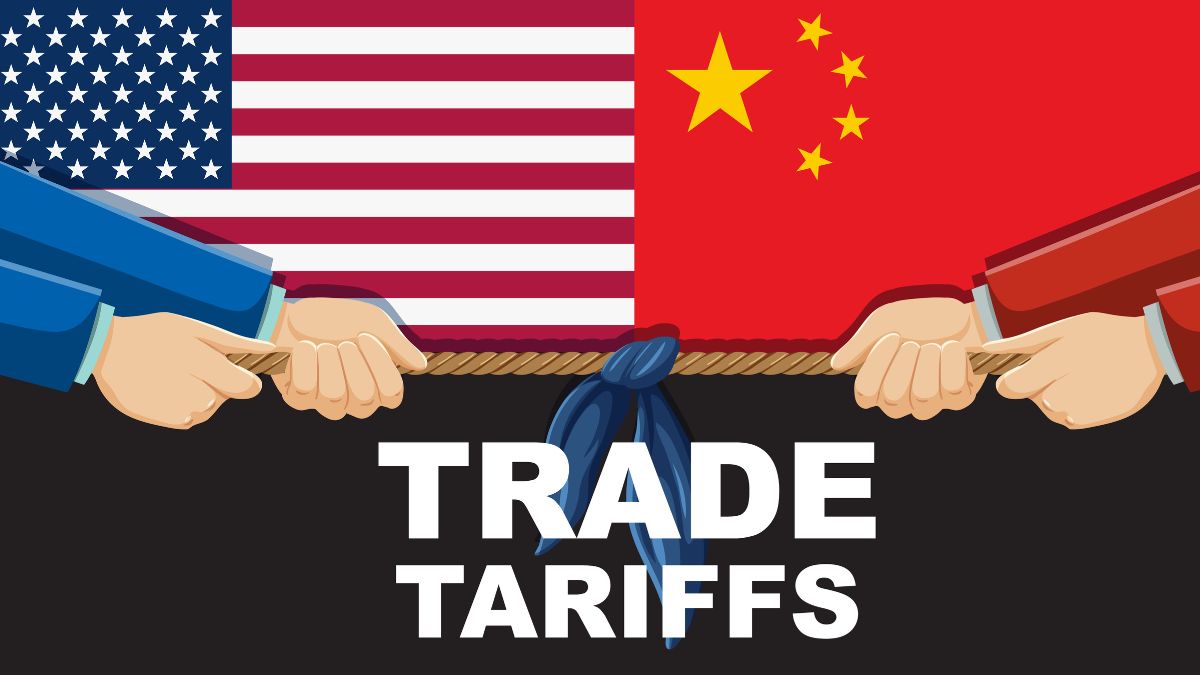
It was in early 2025 when U.S. President Donald Trump refueled trade tensions between China and the U.S. by imposing a hefty tariff on all Chinese imports, citing fentanyl trafficking and intellectual property violations as the major reasons for the action. The total tariffs on Chinese goods entering the U.S. are now over $50 billion worth of imports, with several products facing tariffs ranging from 25 percent to 100 percent in certain sectors.
The tariff war initially started in 2018 under President Trump when a 10 percent tariff was imposed on about $200 billion worth of Chinese goods in response to what the U.S. claims as “unfair trade practices.” Over the years, these tariffs increased, with some rising to 25 percent, and they were maintained during the Biden administration. However, in 2025, President Trump imposed an expanded 10 percent blanket tariff on all Chinese imports. This new round of tariffs covers virtually every product category, including low-value items that were previously exempted. The targeted trade correction became one of the most aggressive tariff regimes in U.S. history, further weakening and straining supply chains and trade relations.
China responded quickly by implementing tariffs ranging from 10 percent to 15 percent on all key U.S. exports, which include crude oil, liquefied natural gas, and agricultural machinery. In addition, China initiated export controls on critical minerals, among a few other moves, signaling a multifaceted approach to counteract US trade measures.
China also started a PR offensive by allowing viral exposés on TikTok and other Chinese social media platforms. These exposés revealed that luxury Western brands—such as LV, Hermes, Gucci, and Balenciaga—were being manufactured in Chinese factories in Dongguan, Guangdong, Hangzhou, and Zhejiang, to name a few. Previously, these factories operated under original equipment manufacturing (OEM) agreements that had lapsed several years ago. These video revelations, amplified by many global influencers and short-form video content creators, have undermined the perceived exclusivity of Western luxury labels. This indirect but very damaging form of retaliation embarrassed foreign brands and raised questions about China’s willingness to weaponize insider knowledge as leverage in a global trade dispute.
Impact of Chinese Imports to the U.S.A.
These new tariffs have disrupted American supply chains and increased costs for American importers and consumers. Small businesses dependent on low-cost Chinese goods are facing significant cost hikes. As a result, many are now forced to lower inventory, increase prices, or seek alternative suppliers at much higher rates. It’s very basic: businesses will see a surge in supplier costs of up to 34 percent, leading to reduced profit margins and, ultimately, higher consumer prices.
E-commerce platforms that previously benefited from U.S. exemptions allowing duty-free entry for select goods are now raising their prices for U.S. customers due to the new tariffs and regulatory changes.
The once seamless flow of very affordable goods from China is now experiencing a bottleneck and is causing disruption on all kinds of businesses and fueling inflationary pressure on the U.S. economy.
ALSO READ
Trump Is Ignoring the Climate Crisis—Here’s Why That Sucks for the Philippines
What Trump's Re-Election Means for Filipinos
China's Trade Tactics
China’s rebuttal? It has imposed retaliatory tariffs ranging from 10 percent to 15 percent on select U.S. imports, including crude oil and liquefied natural gas. In addition, China has formally filed a complaint with the World Trade Organization and initiated an antitrust investigation into Google, signaling a strategic response.
China has also silently begun delaying customs clearances and increasing regulatory inspections on U.S. goods entering Chinese ports. This non-tariff retaliation creates bottleneck problems and discourages U.S. companies from exporting in fields like technology and pharmaceuticals, which are very vulnerable to delays and quality inspections.
Opportunities and Challenges in Philippine Exports
As for us Filipinos, while our country is not directly targeted by the tariffs, we also face some indirect consequences that are becoming increasingly visible. Philippine goods such as electronics, textiles, and food ingredients regularly exported to the U.S. may become less competitive as U.S. consumers face soaring prices and, in effect, reduced purchasing power. Many Filipino businesspeople and entrepreneurs rely on manufacturing processes outsourced to China. Also, Philippine-manufactured products in China, like Filipino exporters that use Chinese components, now face additional scrutiny from U.S. customs and are subject to the new tariffs. This ultimately leads to increased costs and supply chain disruptions for Filipino businesspeople and exporters, affecting the competitiveness of Philippine exports to the U.S., which is one of our largest trading partners.
Exports from the Philippines to the U.S., such as electronics and agriculture, face uncertainties because of potential tariff impositions. For instance, projected 17 percent U.S. tariffs could impact around $1.89 billion in Philippine exports, hitting sectors like electronics and agriculture.
In addition, even remittances may be affected in export-oriented sectors such as logistics, warehousing, and assembly lines in the Philippines, which are indirectly affected by a trade slowdown in the region because of protectionist policies.
On the brighter side, this also means American companies are looking for alternative sourcing destinations, and the Philippines, if given the chance, can position itself as an alternative manufacturing and export partner in industries such as electronics, semiconductors, and garments—key sectors that already dominate its export portfolio. The Philippines seems to be a “beneficiary-by-default” of this trade shift, especially in manufacturing electronics that previously relied on Chinese suppliers. This trade diversion might result in increased foreign direct investments and job creation. But the country should also do its part to strengthen its infrastructure, logistics efficiency, and policies.
The TikTok Exposé: China's Role in Luxury Brand Manufacturing
A trend has appeared on TikTok where English-speaking Chinese users share videos revealing that many foreign luxury brands assemble and fabricate their products in China. These exposés often use the term "OED" (Original Equipment Designer), highlighting China's vital role in the global manufacturing scene. While the legality of these revelations is quite complex, they raise questions about the binding nature of confidentiality agreements and the lack of transparency luxury brands have regarding their manufacturing practices.
The U.S.-China trade conflict under President Trump has seemingly far-reaching implications, affecting not only the two global superpowers but also global trade partners like the Philippines. As U.S. tariffs increase costs and wreak havoc on supply chains, businesses and consumers worldwide must navigate the evolving economic landscape.
In the end, it seems that consumers are the winners because the shrouded veil of secrecy from the past is now wide open for everyone to see. U.S. consumers and customers worldwide now have the choice to order directly from the manufacturer, significantly cutting product costs by bypassing various middlemen or the exorbitantly greedy profit margins set by the luxury brands themselves.
About the author: Gerald Grana is an entrepreneur/MSME business owner, marketing professional, and editor who offers a grounded perspective on global trade and its impact on local businesses. With experience as a weekend radio announcer for Radyo Pilipinas Dos and as an online editorial staff member for PTV4, he bridges media, business, and public affairs to illuminate how international developments affect everyday Filipino entrepreneurs.
