
Trump Slaps Higher Tariffs On Philippine Exports: What Does This Mean For Local Businesses?

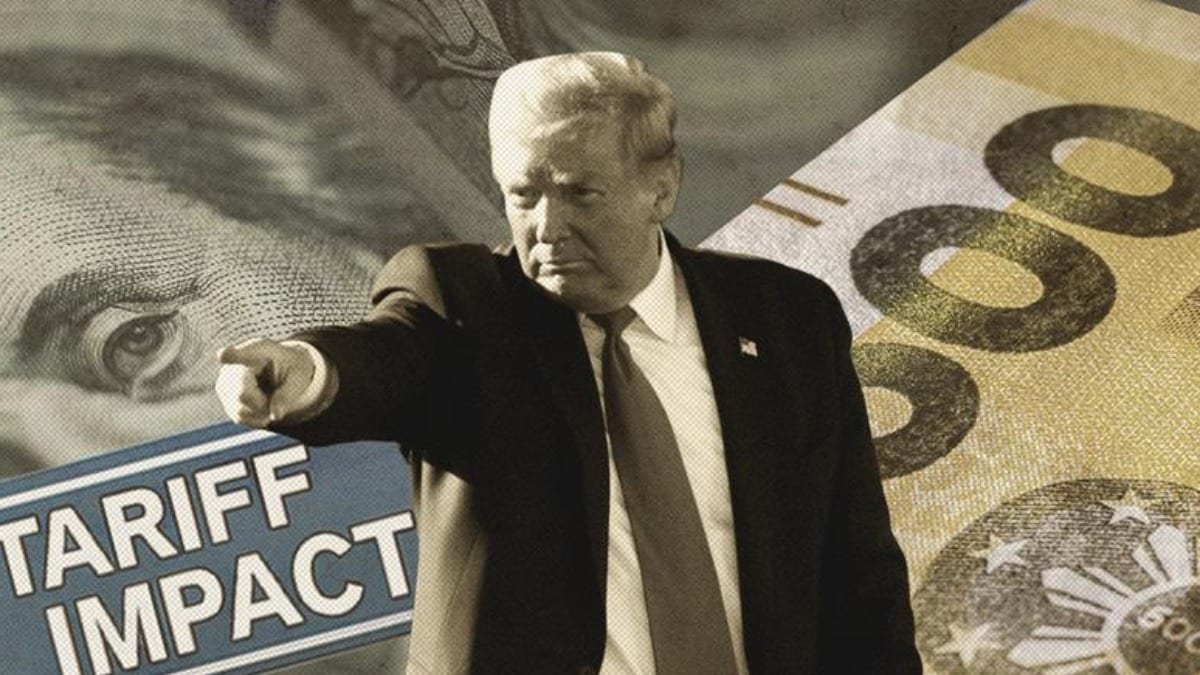
US President Donald J. Trump has imposed a 20 percent tariff on Philippine exports, hiking the initial 17 percent on Manila’s goods included in his initial halted reciprocal tariff scheme last April. What will this mean for local products and which ones in particular will take a hit from these duties?
The White House’s official X account posted multiple tariff letters dated July 9, with one addressed to Philippine President Ferdinand R. Marcos detailing the new rate, which will take effect on August 1 this year.
“Please understand that the 20 percent number is far less than what is needed to eliminate the Trade Deficit disparity we have with your country,” according to the letter. “As you are aware, there will be no Tariff if the Philippines, or companies within your country, decide to build or manufacture products within the United States and, in fact, we will do everything possible to get approvals quickly, professionally, and routinely — in other words, in a matter of weeks."
After assuming office in January, President Trump announced his reciprocal tariff scheme that entails high duties and levies on Washington’s trade partners, but eventually decided to pause these after Wall Street panicked and investors sold off shares, tanking the stock market.
ALSO READ:
How Trump's Tariffs Will Affect the Philippine Economy
U.S. Tariff Impact: Philippines May See Gains, but Growth Prospects Still Face Challenges
Manila currently imposes a 34 percent tariff on US goods, which was based on estimates made by US trade officials. Malacañang had called on Philippine industries to double their efforts to boost the competitiveness of local products and services to raise exports.
Besides the Philippines, the US announced a new round of tariffs on several other countries; Algeria, Sri Lanka and Iraq face import tax rates of 30 percent; while Brunei, Libya and Moldova are getting 25 percent.
Brazil got slapped with the highest tariff rate among the countries in the group at 50 percent after Trump cited “grave injustices” such as alleged censorship and attacks on “free elections.”
These tariff letters come as the 90-day tariff negotiation period lapsed after talks on working out a baseline levy of 10 percent. The US President is still giving his trade partners time to negotiate the new tariff round before his August 1 deadline, barring those that already received letters.
Based on the US Census Bureau data last year, the country has a trade imbalance of $4.9 billion with the Philippines, $2.6 billion with Sri Lanka, $1.4 billion with Algeria, $5.9 billion with Iraq, $900 million with Libya, and $111 million with Brunei.
Looking at Brazil, the US has a trade surplus of $7.4 billion as it exports about $49.7 billion worth of goods to the South American country, while importing $42.3 billion.
Manila's Next Moves Following The Higher Duties
Trump also announced that the planned duty for copper would be at 50 percent and pharmaceutical products could face a levy as high as 200 percent, but companies would be given time to relocate operations.
Based on the order, reciprocal tariffs do not apply to the following: goods loaded onto a vessel at a port of loading and in transit on the last mode of transport, products derived from steel and aluminum, automobile parts, cooper, semiconductors, lumber articles, certain critical minerals, and energy products.
Sonny Africa, executive director of the think tank IBON Foundation, said the Philippines’ export basket to the US consists of agricultural products, garments, footwear, and furniture. “The core issue is that the tariff hike exposes the weakness of an export-driven, foreign-led economy," he told Esquire Philippines in an interview. "The increase from 17 percent in April to 20 percent today underscores the need for a more assertive and self-reliant trade strategy.
"It’s long overdue for a government that charts an independent economic path for the Philippines," he added.
Africa also cited the need to boost domestic production and purchasing power to build a robust Filipino industrial base to make the country less vulnerable to policy shifts.
As of May this year, the United States was the Philippines' top export destination, with products exported amounting to $1.11 billion or 15.3 percent of total exports that month.
According to data from the United Nations COMTRADE, Manila’s top exports to Washington last year were electronic equipment, machinery, animal products, leather goods, and technical and medical apparatus among others.
“Whatever the case, these tariffs will further undermine the competitiveness of the country in the US, a major destination of exports, especially in semi-conductors and electronics,” Leonardo Lanzona, who teaches economics at the Ateneo de Manila University, said in an online exchange. “The Philippines should have focused on using these tariffs to reset export and industrial policy. Instead of negotiating with the US and only ending up with even higher tariffs.”
He added that Manila needs to diversify its trade options away from the US to cushion the effects of possible trade diversion penalties.
“Trade diversion to the Philippines to take advantage of our previously lower tariffs may not happen, with Vietnam getting a trade deal of the same 20 percent. Electronic exports, which constitute the bulk of our exports to the US, will suffer,” Calixto V. Chikiamco, Foundation for Economic Freedom president, told Esquire Philippines in a Viber message.
Chikiamco also floated the idea of the government allowing the peso weaken against the dollar to offset the effects of US trade policies and improve competitiveness to make exports cheaper to US buyers.
The Philippines’ economic managers now expect the Philippine economy to grow by 5.5-6.5 percent, a cut from the previous target of six to eight percent due to “heightened global uncertainties.”
The economy grew by 5.4 percent in the first quarter of the year, lower than the 5.9 percent growth a year earlier.
The Development Budget Coordination Committee, which consists of the country’s economic managers, also assumed that foreign exchange would “remain stable” and average at P56-P58 to the dollar until 2028.
Reyes Tacandong & Co. Senior Adviser Jonathan Ravelas also told Esquire PHilippines that the Philippine government should consider accelerating free trade agreement talks targeting affected industries such as semiconductors, and to invest in trade facilitation infrastructure.
“Businessnes should also consider diversifying export markets and expire US-based manufacturing partnerships, and leveraging Southeast Asian trade networks,” he said.
