
Why the Philippines Is Betting Big on TikTok to Save Its Tourism

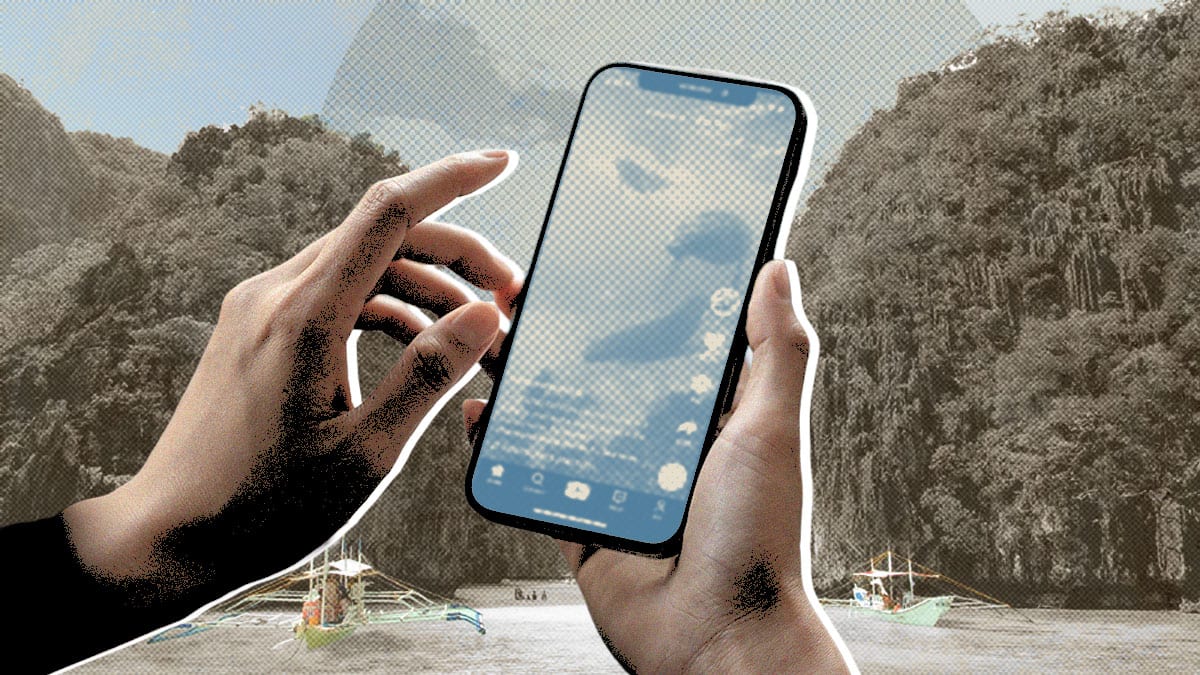
Despite the latest recognitions of having some of the world's best beaches and natural wonders, the Philippines is struggling to bring in tourists. Data for the first nine months of 2025 revealed that overall international arrivals dropped by 2.4 percent compared to the year before. This failure to grow in a competitive Southeast Asian market is costing the country valuable revenue and jobs.
To stop the bleeding, the government isn't relying on old methods. Instead, the Department of Tourism (DOT) is making a huge, high-risk bet on TikTok, hoping the viral video platform can mitigate declining numbers in the travel industry. This digitally driven and all-out hustle is designed to hit a target of 6.7 million international tourists by 2026.
ALSO READ:
Why the Tourism Industry Must Focus on Keeping Staff, Not Just Hiring Them
DOT Launches Five-Year Roadmap on PH Gastronomy Tourism
The Problem: When Balikbayan Arrivals Aren't Enough
The drop in arrivals was even sharper among foreign visitors, who declined by 3.5 percent, falling to 4.3 million travelers. The industry—which employs millions and is vital to the economy—is struggling to recover its pre-pandemic steam.
The only thing keeping the industry from a major collapse was the constant flow of balikbayans—Filipinos living abroad who come home to visit. This loyal demographic proved to be an unexpected economic safety net, with their arrivals rising a strong 10.3 percent. They are the built-in, reliable market, providing a cushion while the government figures out how to bring back other foreign guests.
However, the country’s biggest foreign tourist sources are performing poorly. South Korea, usually the top market, saw a sharp drop of over 20 percent. Even worse, China, which used to be the second-biggest market with 1.74 million visitors in 2019, remains severely constrained, contributing only slightly over 200,000 arrivals in the nine-month period.
The Political Fix: Easing the Entry Hassle
While launching the digital plan, the DOT is also tackling old-school barriers by trying to open up two massive markets: China and India. This is where politics and logistics meet the bottom line.
The biggest hurdle has been China, where diplomatic tensions over the West Philippine Sea have chilled relations. The government is determined to separate politics from profit by pushing through the electronic visa (e-visa) scheme for Chinese nationals starting in November.
Tourism Secretary Christina Garcia Frasco called the new e-visa system "both necessary and overdue." She admitted the policy won't fix everything overnight, noting, "We do not expect immediate surges in arrivals given the timing of implementation and broader external factors."
Frasco framed the e-visa as essential to fixing "a gap that has constrained our regional competitiveness for nearly three years." It's a practical step to make entry easier and restore confidence among travelers.
The Philippines is also taking a huge chance by granting visa-free status for India, a massive market that other Southeast Asian countries are also trying to attract. These moves are crucial because they signal that the Philippines is actively working to make travel simpler.
But since these policy changes take time to convert into actual tourists, the agency needed a solution that could provide immediate, massive, and cost-effective results.
The TikTok Strategy: A Digital Army of Entrepreneurs
This is where the "Content Camp: Level Up with TikTok" partnership becomes the DOT’s most interesting and potentially game-changing move.
The logic behind this massive digital bet is simple and driven by local economics: close to 98 percent of tourism businesses in the Philippines are Micro, Small, and Medium Enterprises (MSMEs). These are the small hotels, local food stalls, souvenir makers, and family-run tour operators—the very people who define the unique traveler experience. They often lack the capital or know-how for big marketing campaigns.
The DOT-TikTok agreement aims to fix this by giving MSMEs the necessary digital skills. The goal, as Frasco explained, is totally focused on money and growth. It’s about giving them the tools to "turn their creativity into content, stories into opportunities, and their products into a livelihood that will support their families."
“The beauty of this partnership is that it aligns with the objectives of TikTok, which has a global reach, and the objectives of Philippine tourism, which seeks to benefit the entire nation. And with that, the execution can be immediately seen in terms of impact, especially with those destinations that need it the most at this time," the tourism secretary added.
The training teaches MSMEs practical skills like content creation, effective use of the live feature (for selling), and advertising basics. For a small shop in a remote area, a short, viral video of their product or location can turn directly into bookings and revenue—reaching a global audience (TikTok has over two billion global users) they could never have accessed otherwise.
Yves Gonzalez, Head of Public Policy for TikTok Philippines, confirmed the focus on practical skills: "Those who still don’t know how to use [TikTok], we will teach them how to use it, while those who already know, we will teach them to level up. We will teach them how to do content creation, effective use of the live feature, as well as advertising. So it’s about really empowering them with digital skills to allow them to level up."
Each training batch will have up to 50 MSMEs, which will come from the agency's registry to target specific businesses. The workshop will last for an entire day, face-to-face or online. It will be rolled out nationwide starting this November with pilot areas in the National Capital Region and in Cebu.
The success of the partnership will be measured by clear business results, focusing on what Frasco calls "the conversion": an increase in revenue, better market reach, and finally, conversion into actual tourist arrivals.
Trying Everything to Increase Tourist Numbers
At this point, the Philippine tourism industry is willing to try anything to push its tourist arrivals while admitting that the travel industry has changed. TikTok's video format makes marketing affordable, allowing small businesses to sell themselves authentically. Furthermore, travelers today trust user-generated content more than formal government ads, making this approach highly effective.
This new strategy comes at a time when the DOT is also dealing with significant financial constraints. Frasco noted in recent statements that the tourism promotions budget has been drastically cut, while neighboring ASEAN countries operate with far larger funds. This financial squeeze makes the need for a low-cost, high-impact solution like TikTok even more critical.
