

18 Times Competing Car Brands Worked Together


The automotive industry can be extremely competitive and cutthroat. Rival manufacturers fight for a bigger share of the market, which often lead to intense secrecy surrounding new technologies.
However, collaborations between car brands aren’t completely unheard of. In the last decade, especially, there has been an increasing number of carmakers working with each other on things like shared platforms, powertrains, drivetrains, and even entire bodies. These partnerships are not just about engineering convenience, but strategic moves to maximize efficiency, reduce research and development (R&D) expenses, and achieve economies of scale. At the same time, each brand still strives to maintain its distinctive design language and driving experience.
When you think about it, rival car companies sometimes working together make sense. Developing an all-new car platform from scratch can cost billions of dollars and take several years. But by sharing the development of a chassis or drivetrain, carmakers can pool resources, reduce development timelines, and bring products to market faster. This is especially useful in an era where new technologies like electrification, advanced driver assistance systems (ADAS), and stricter emissions regulations demand heavy investment.
Shared platforms also allow mass production of common components, leading to lower manufacturing costs, using a principle known as economies of scale. Yet, with clever tuning, design differentiation, and feature packaging, brands can preserve or even strengthen their individual identities, even when they collaborate with perceived competitors.
Here are some notable partnerships between carmakers in recent history:
ALSO READ
Today I Learned: The Mazda MX-5 is Celebrating 10 Years in the Philippines
1| Toyota Supra (A90) & BMW Z4 (G29)
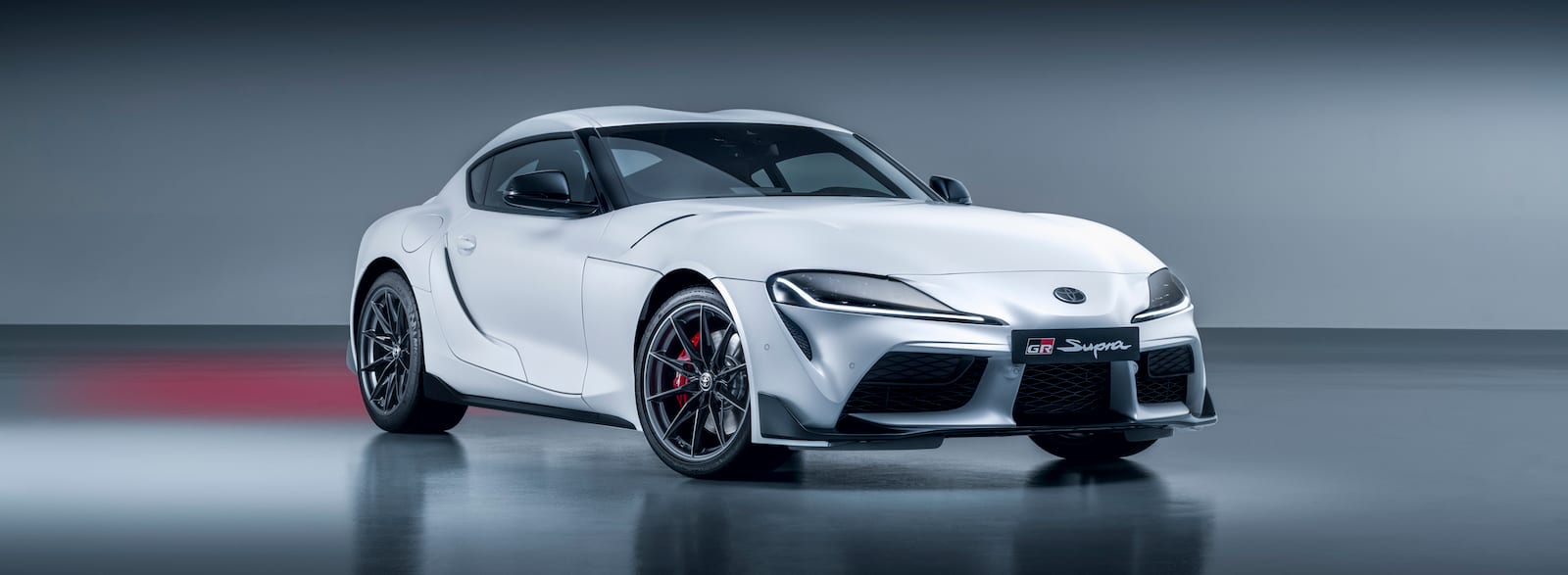
Toyota Supra
BMW Z4
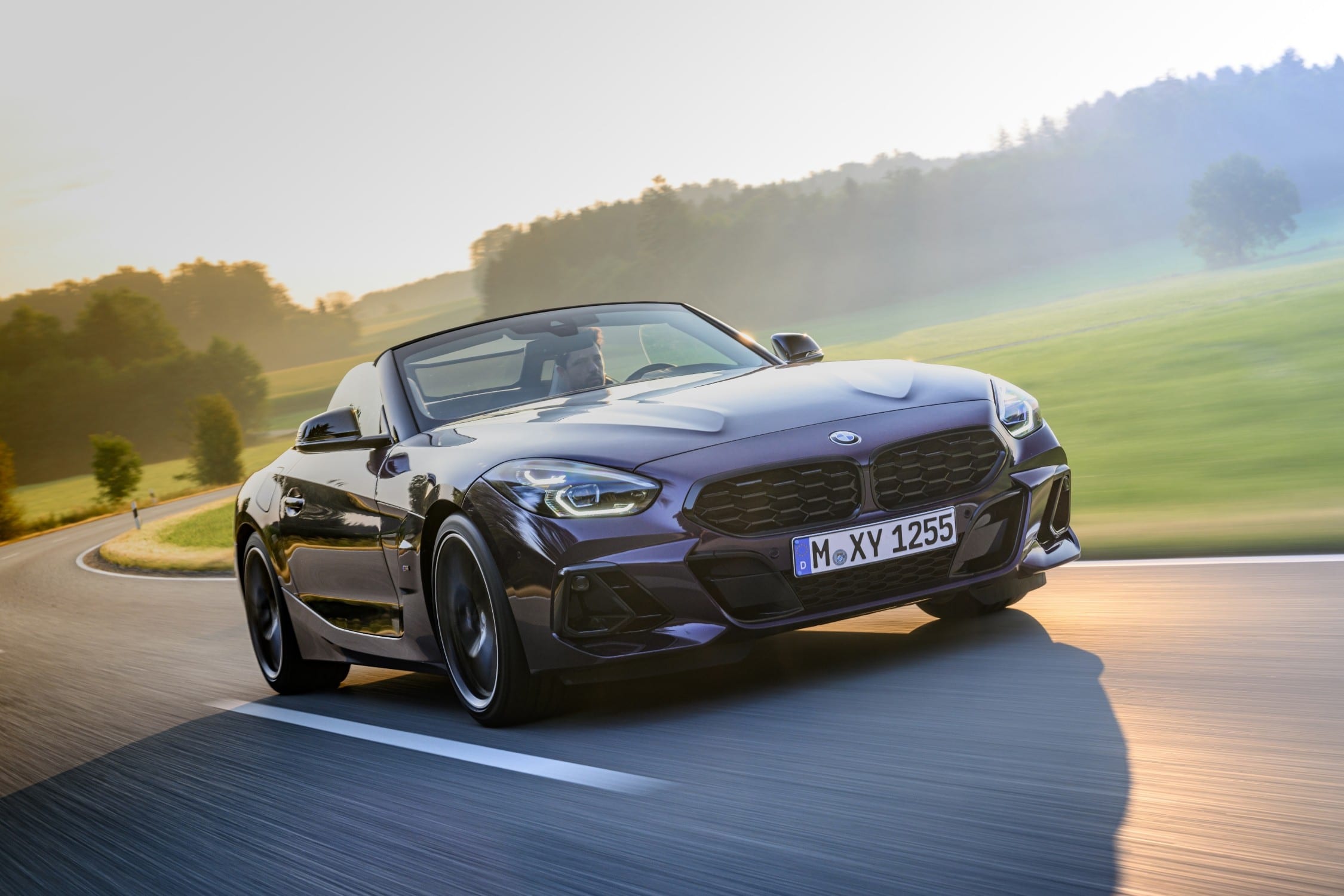
Perhaps one of the most recognizable recent collaborations is between Toyota and BMW. The A90 Supra shares BMW’s CLAR platform, the B58 inline-six engine, 8-speed ZF transmission, and much of its interior electronics with the BMW Z4. While mechanically similar, Toyota engineered its own suspension setup and tuning to deliver a Supra-specific driving character.
Design-wise, both vehicles look distinct, with the Z4 being a convertible and the Supra a fixed-roof coupe. Some parts of the Toyota Supra even have stickers marked with the BMW logo.
2| Toyota GR 86 & Subaru BRZ
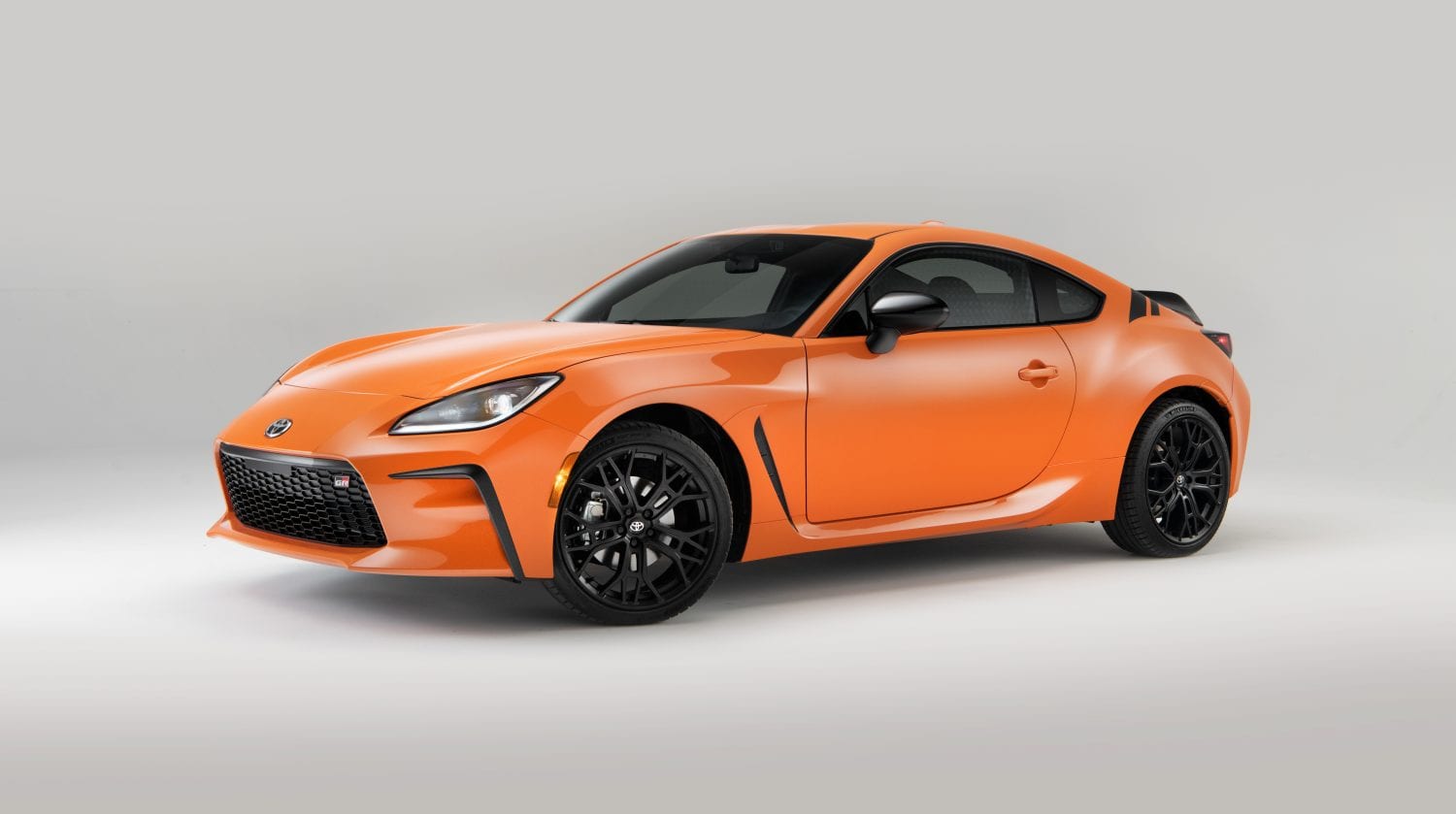
Toyota GR 86
Subaru BRZ
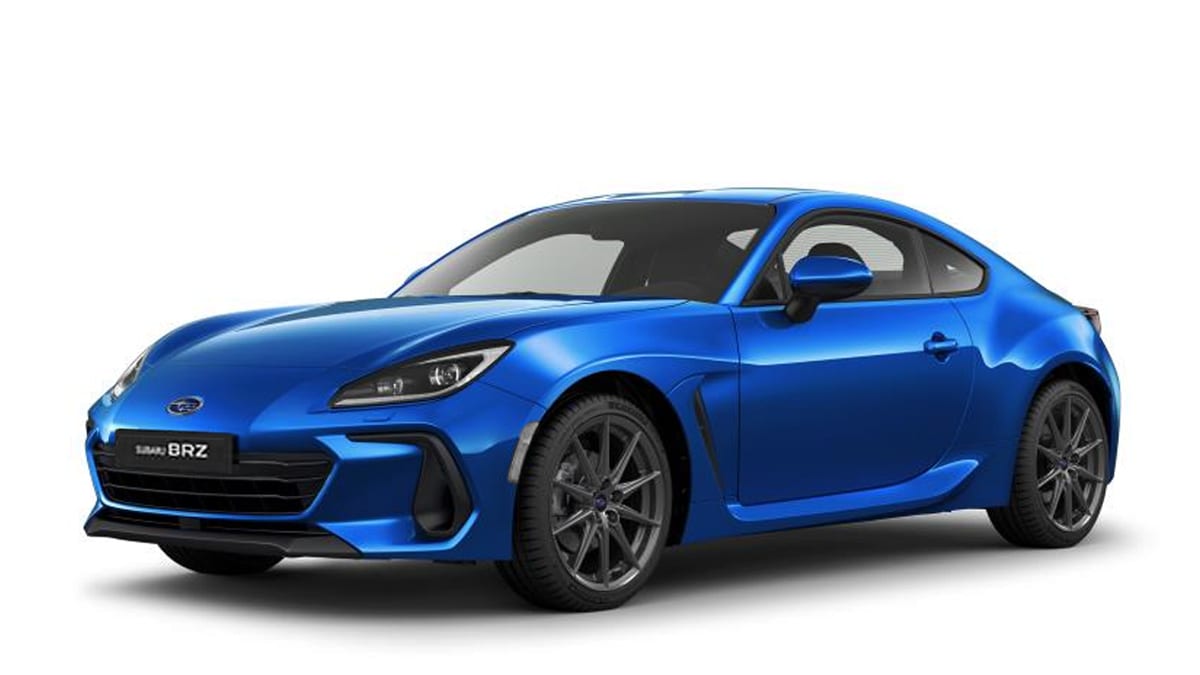
This duo is a true co-development, with Subaru providing its boxer engine and rear-wheel-drive platform, and Toyota contributing chassis tuning and calibration. Despite near-identical bodies, both cars have different suspension setups and driving dynamics, appealing to slightly different enthusiast segments.
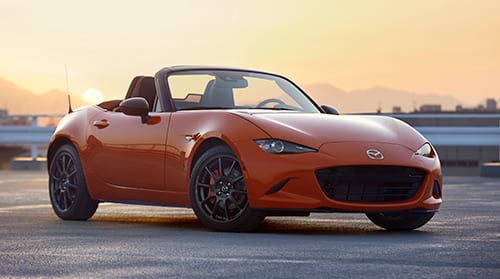
3| Mazda MX-5 (ND) & Fiat/Abarth 124 Spider
Mazda MX-5 ND
Abarth 124 Spider
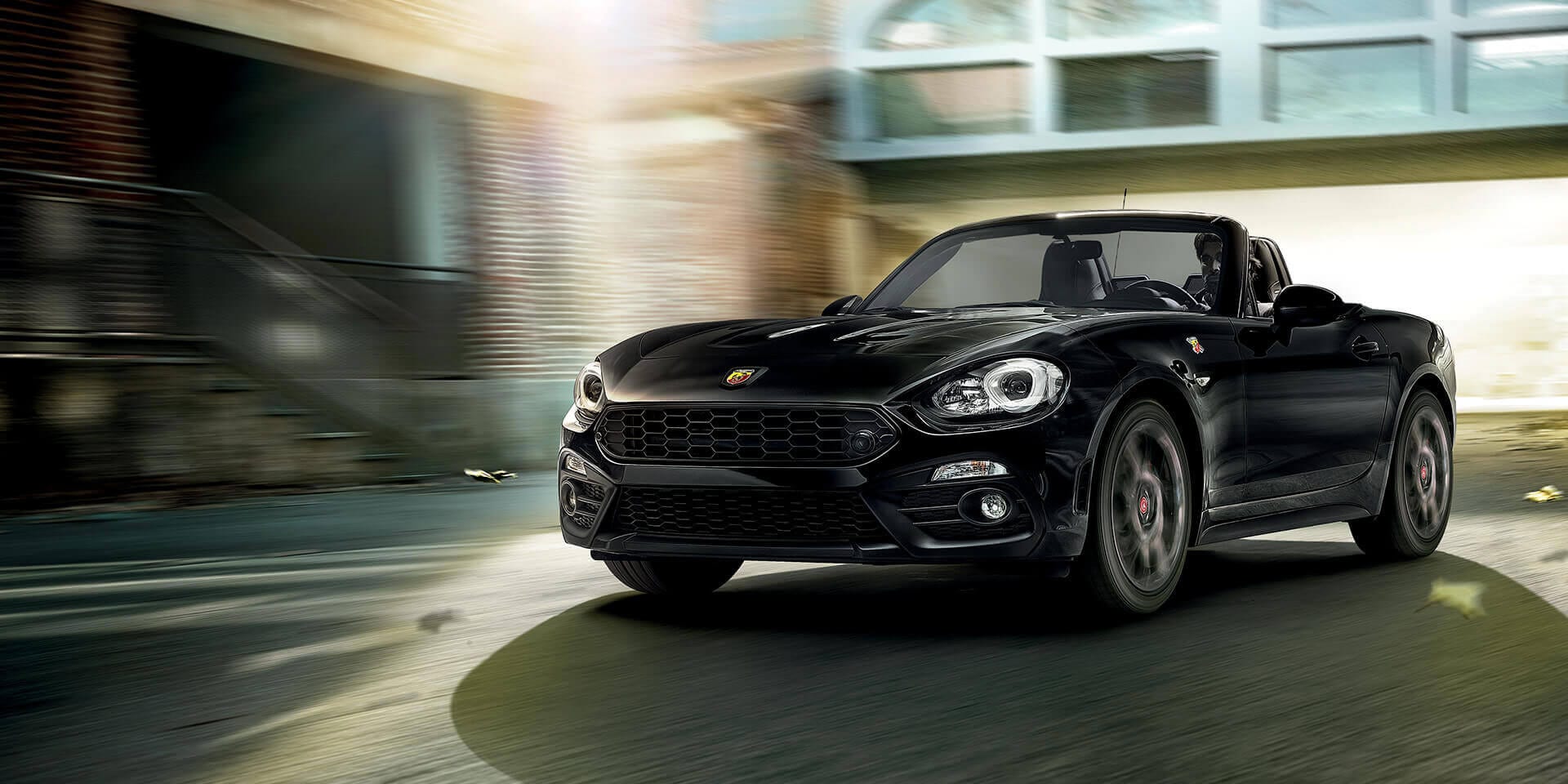
Built in Japan by Mazda, the 124 Spider rides on the MX-5’s chassis but features a Fiat turbo engine and distinct retro-inspired styling. Abarth added performance tweaks, creating a different flavor of the lightweight roadster formula.
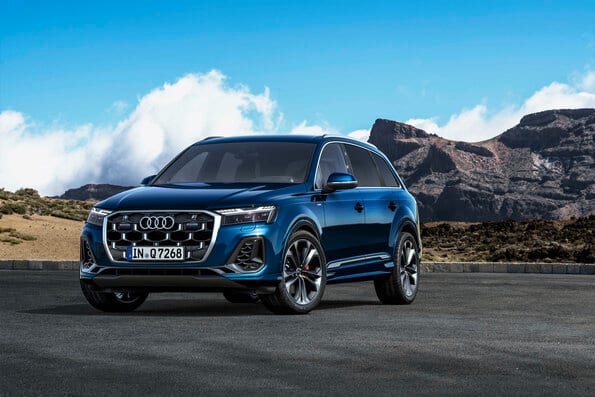
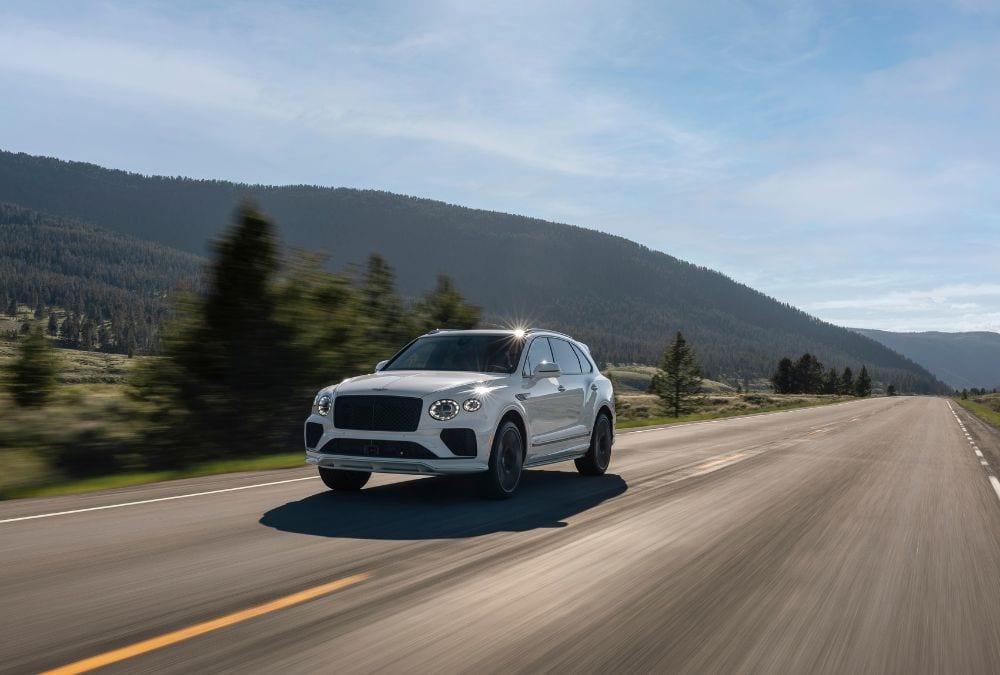
4| Audi Q7 / Porsche Cayenne / VW Touareg / Bentley Bentayga / Lamborghini Urus
Audi Q7
Bentley Bentayga
Lamborghini Urus
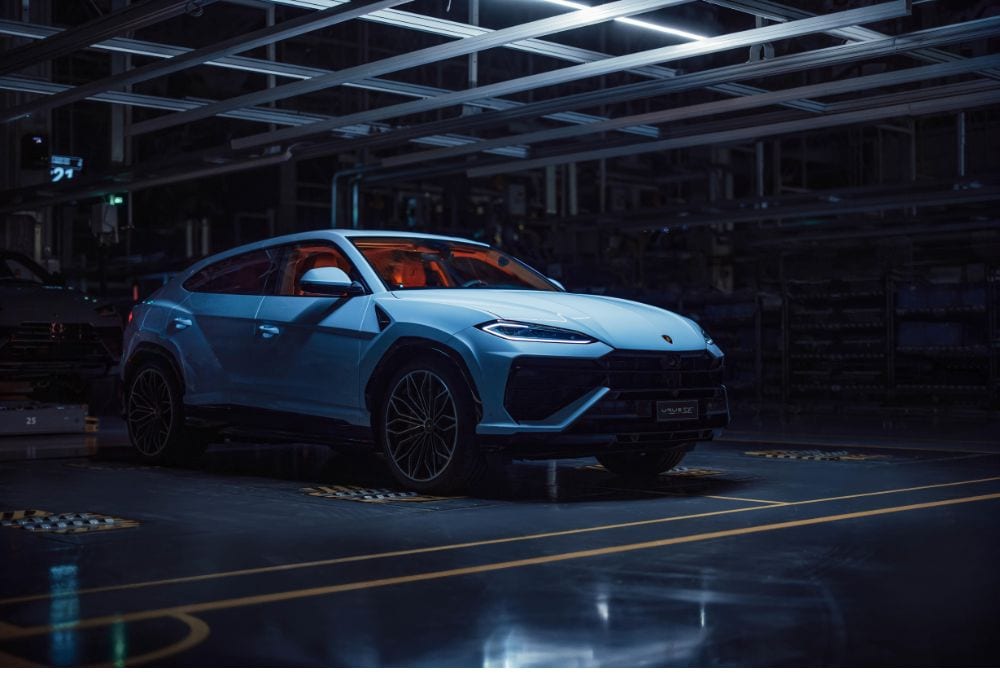
All five luxury SUVs are based on the Volkswagen Group’s MLB Evo platform. This flexible architecture underpins vehicles with varying price tags and personalities, ranging from the practical Touareg to the performance-oriented Urus. Each brand infuses its identity via bespoke interiors, engines, suspension tuning, and technology packages.
5| VW Golf / Audi A3 / Skoda Octavia / SEAT Leon
Sharing the MQB platform, these compact cars cater to different market segments. Audi leans on premium positioning, Skoda on practicality, and SEAT on sportiness. Underneath, they use the same engines, electronics, and structural architecture.
6| Porsche Taycan & Audi e-tron GT
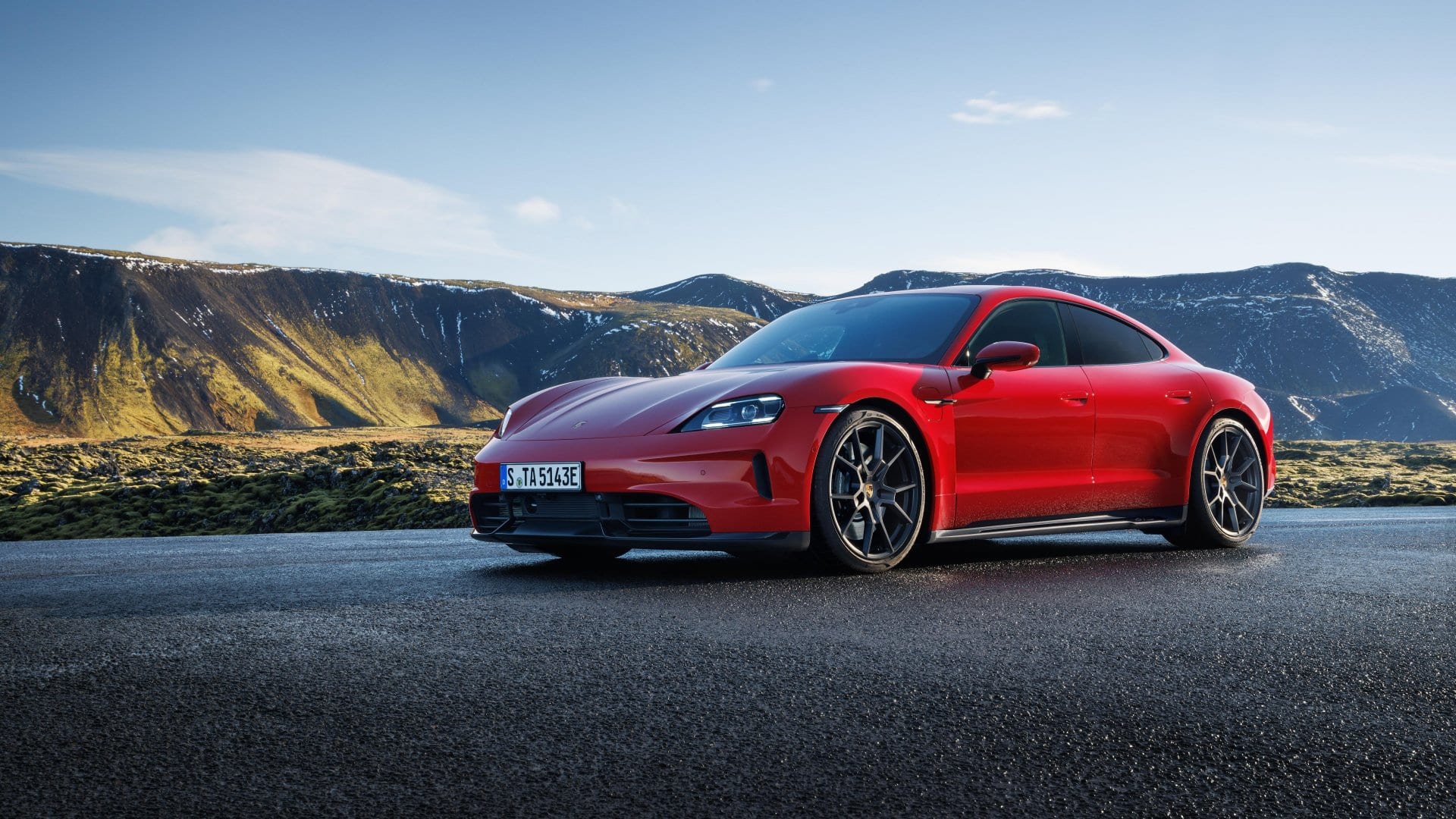
Porsche Taycan
Audi e-tron
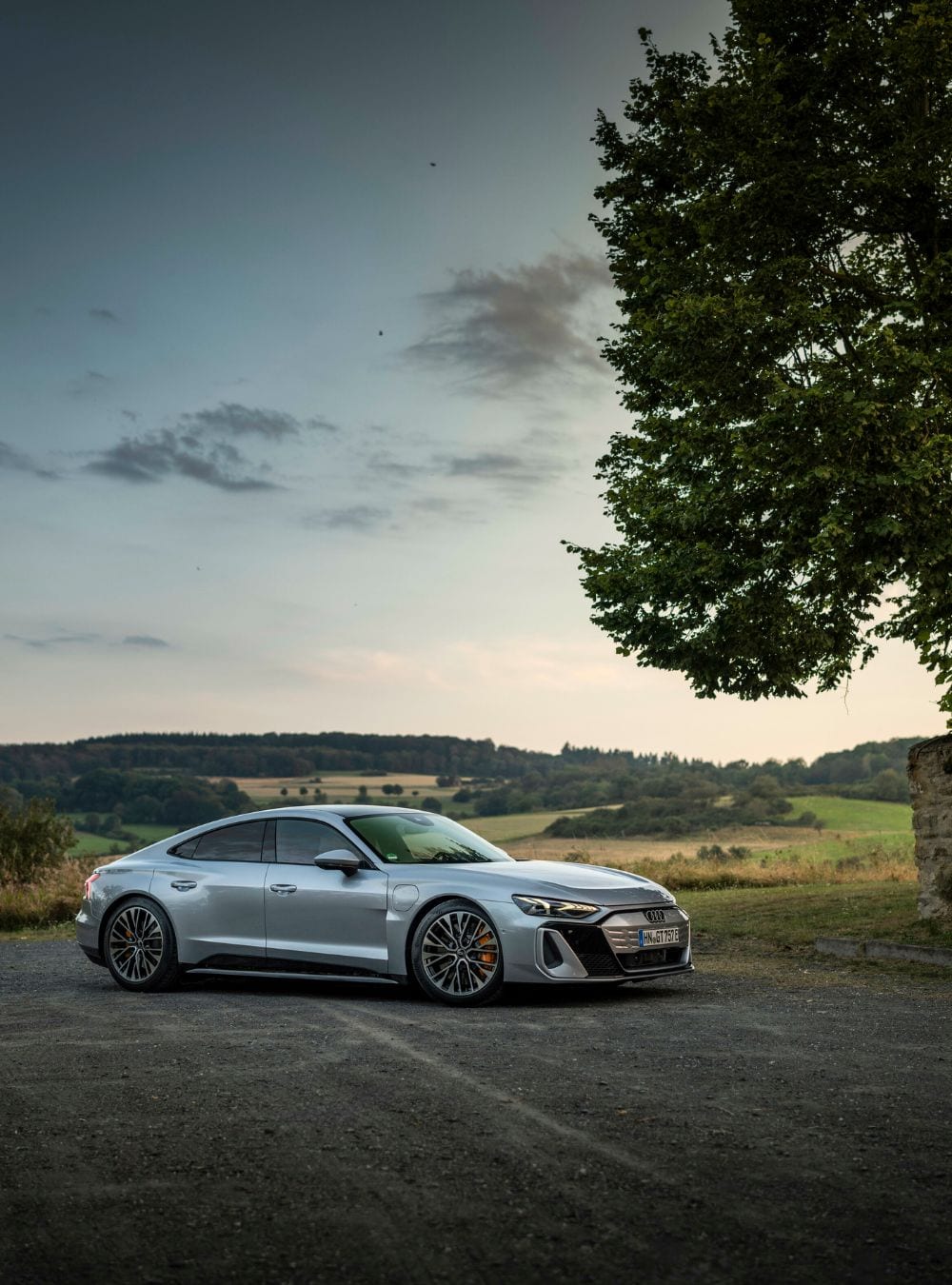
These high-performance EVs ride on the same J1 platform, but Porsche tuned the Taycan for sharper handling, while Audi emphasized comfort and design flair. The collaboration showcases how even cutting-edge EV architectures can be shared while preserving brand uniqueness.
7| Suzuki Across & Toyota RAV4 PHEV
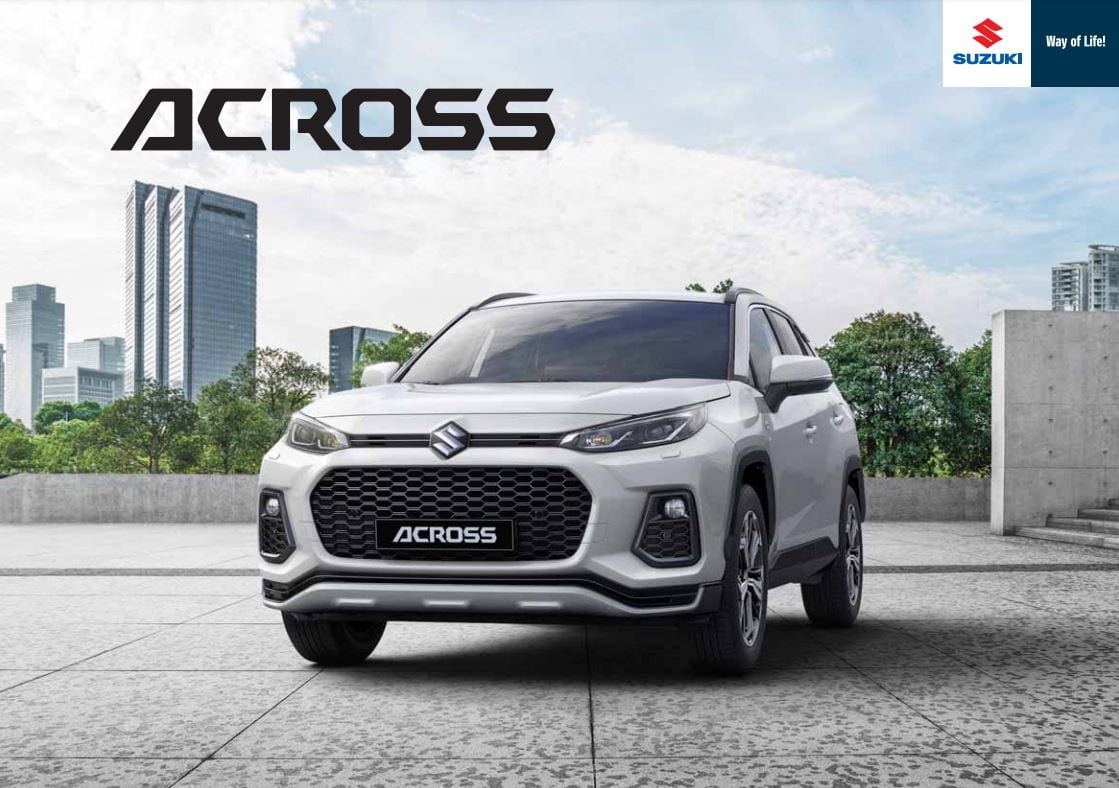
Suzuki Across
Toyota Rav-4
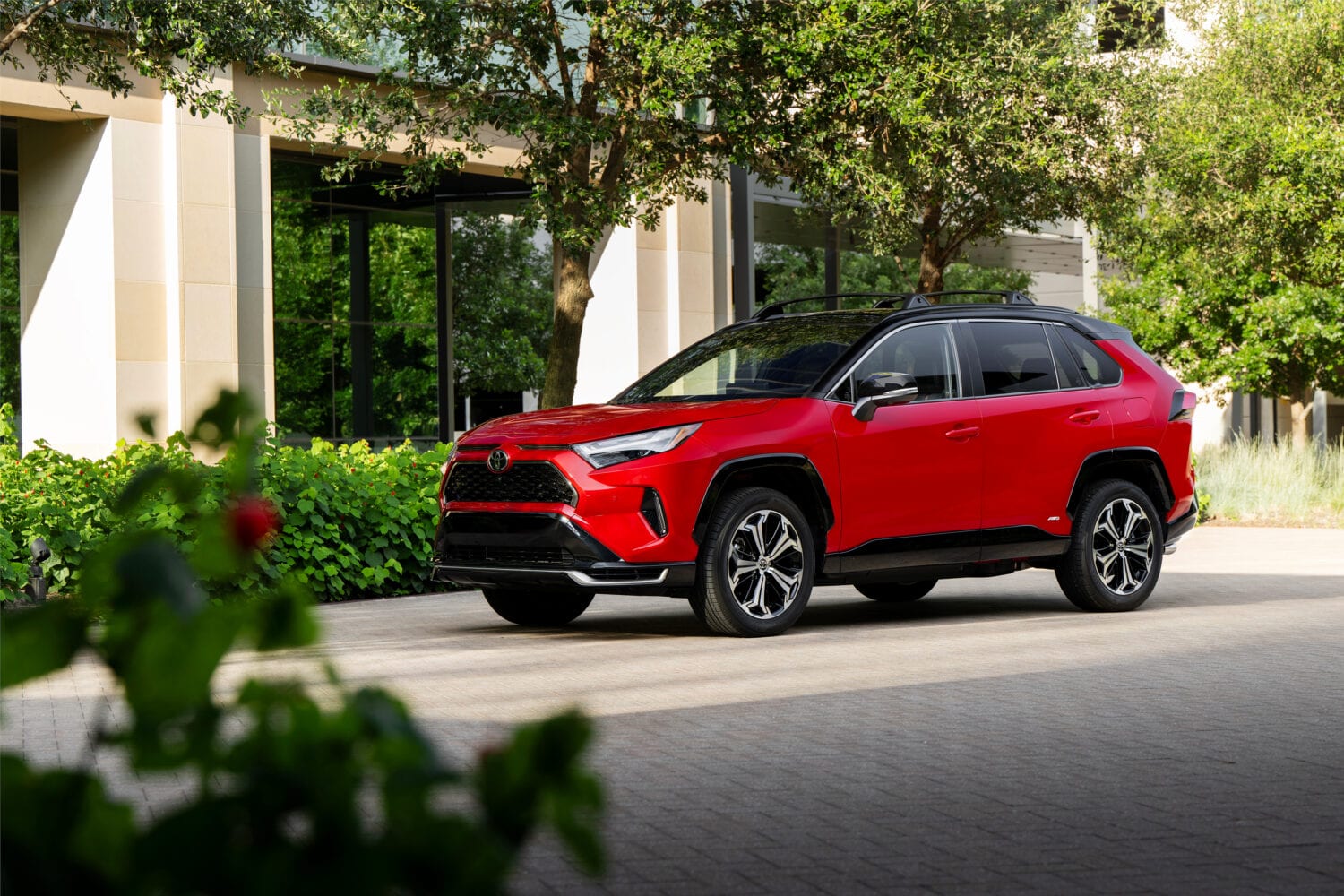
The Across is essentially a rebadged RAV4 Plug-in Hybrid tailored mostly for European markets, benefiting Suzuki with a ready-made, emissions-compliant model while Toyota expands its platform footprint.
8| Suzuki Swace & Toyota Corolla Touring Sports
Another EU-market rebadge, the Swace capitalizes on the Corolla’s hybrid tech while allowing Suzuki to meet fleet emissions targets.
9| Mitsubishi ASX (2023) & Renault Captur
Mitsubishi’s re-entry into the European compact SUV market was made easy by rebadging the Renault Captur, tweaking styling slightly to fit the Mitsubishi family look.
10| Infiniti QX30 & Mercedes-Benz GLA (1st Gen)
Both vehicles used Mercedes’ MFA platform and shared the 2.0L turbo engine. Infiniti gave the QX30 unique exterior styling and revised suspension for a sportier drive.
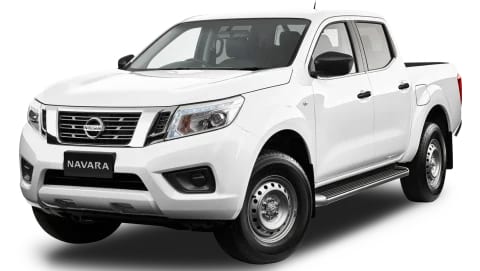
11| Nissan Navara & Mercedes-Benz X-Class
Nissan Navara
Mercedes-Benz X-Class
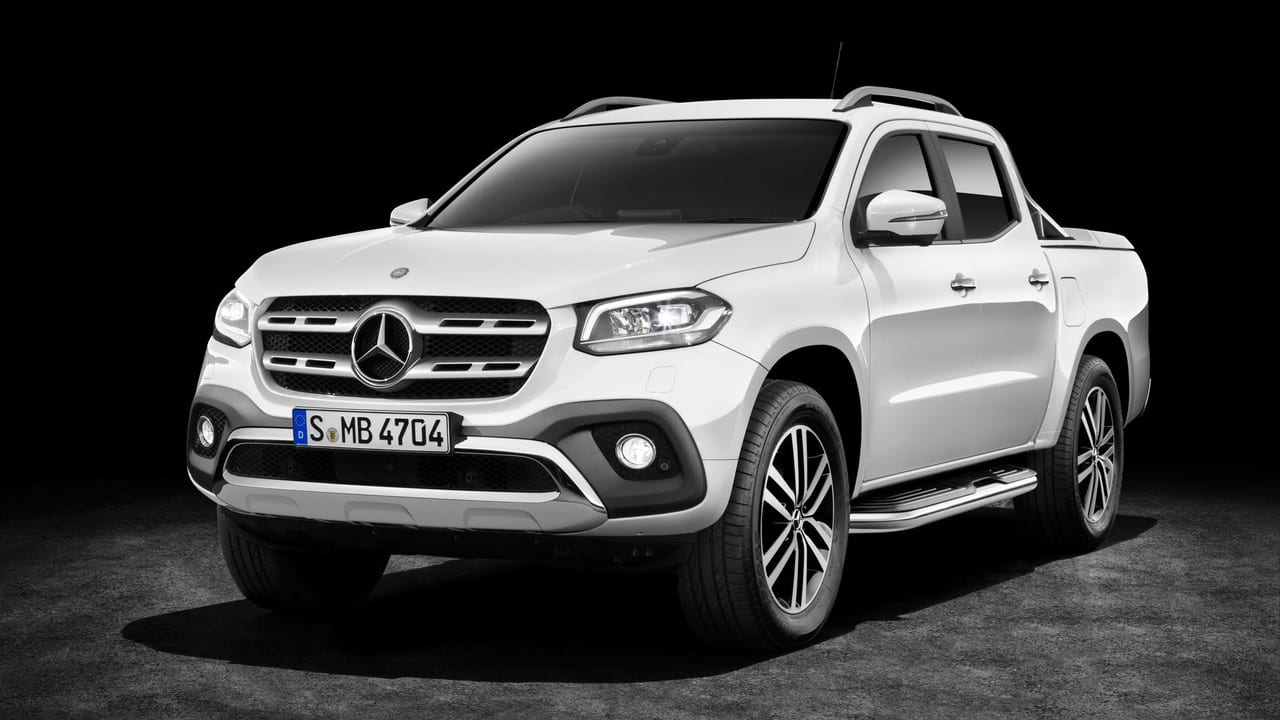
The X-Class pickup was heavily based on the Navara’s chassis, but Mercedes re-engineered the body and interior and offered its own powertrains in some markets. The project initially created a lot of stir, but despite that, the project was discontinued due to limited market success.
12| Ford Ranger & Mazda BT-50 (prior to 2020s)
These trucks shared development until Mazda partnered with Isuzu for the new 0generation BT-50. The shared models had differences in styling, features, and market focus.
13| Ford Explorer & Lincoln Aviator
Built on Ford’s CD6 platform, the Explorer and Aviator offer different levels of luxury and performance, with Lincoln focusing on upscale features and comfort.
14| Chevrolet Colorado / GMC Canyon / Isuzu D-Max (earlier gens)
The trio once shared key elements under General Motors and Isuzu collaborations, but later models diverged as brands pursued separate development paths.
15| Lynk & Co 01 / Volvo XC40 / Polestar 2
These vehicles all ride on the Compact Modular Architecture (CMA), co-developed by Volvo and its parent company Geely. Volvo focuses on premium, safety-first design, while Lynk & Co emphasizes tech and youth appeal. Polestar goes all-in on electrification and performance. Despite the shared DNA, each model serves a different market niche.
16| Toyota Yaris iA / Mazda2 Sedan (North America)
Mazda built this model, but Toyota sold it under its badge with minor tweaks in styling and infotainment.
17| Chevrolet Spark / Daewoo Matiz / Holden Barina Spark
A global platform offered under several General Motors brands, tailored for local markets.
18| Mitsubishi Outlander (2022+) & Nissan X-Trail/Rogue
Built on the Renault-Nissan-Mitsubishi Alliance’s CMF-C platform, the Outlander and X-Trail share major components but differ in design and trim execution.
