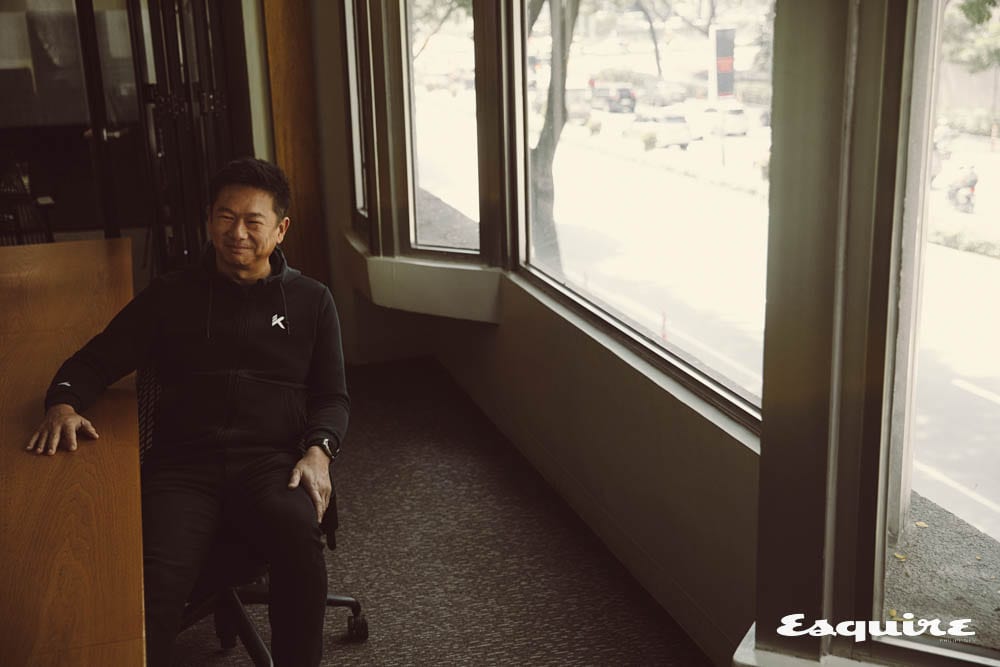
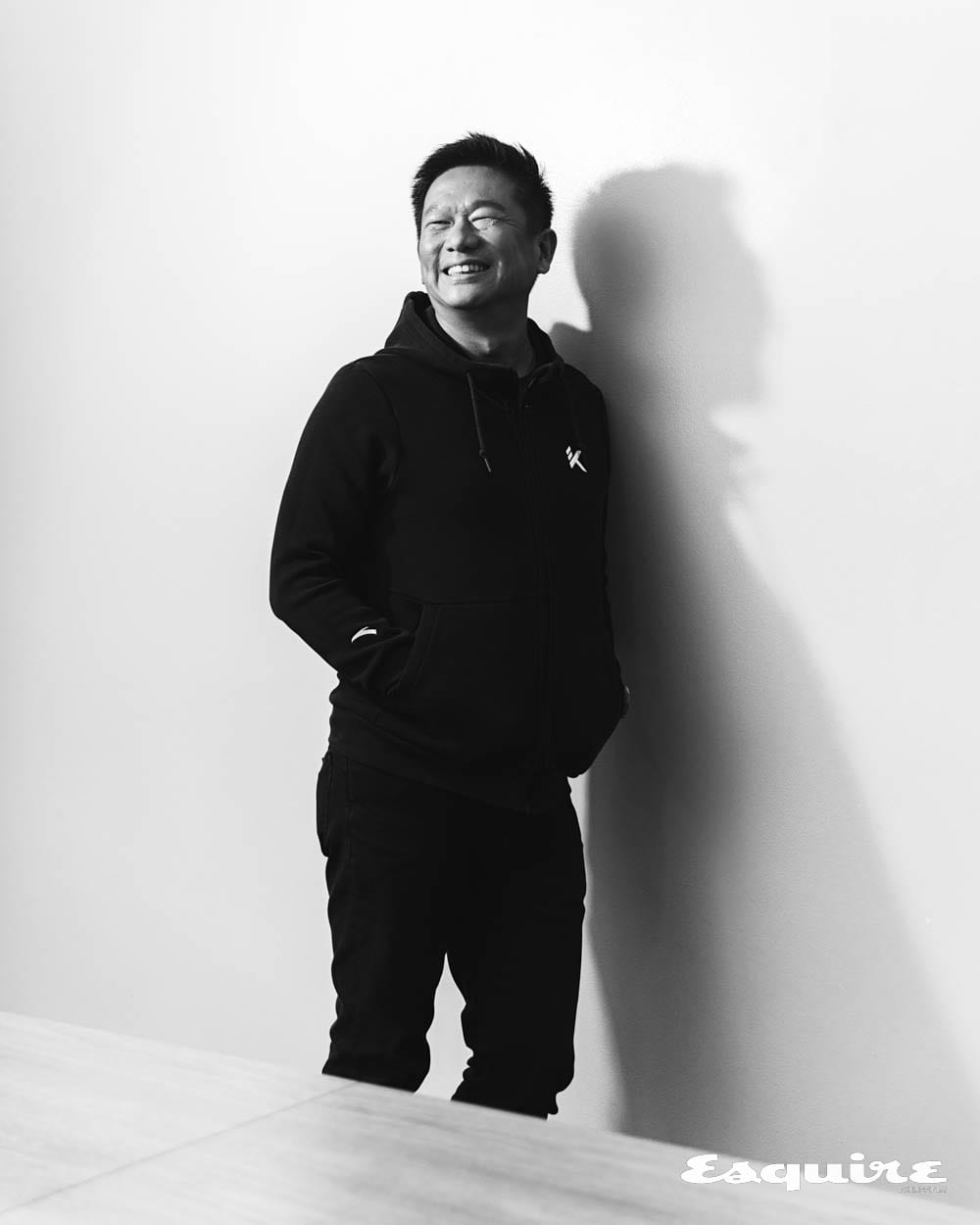
When you deal with the kind of high-net-worth individuals and economic uncertainty the way David Leechiu does, you can easily get lost in the gaudy numbers, fiscal totems, and endless pretensions and possibilities.
But the CEO and co-founder of Leechiu Property Consultants (LPC) has come this far not only because of savvy or a firm handshake. Truth be told, surviving in a fickle industry like his requires something more: a curious mind, mental fortitude, unbelievable foresight, taking failures in stride, and, of course, a little bit of luck.
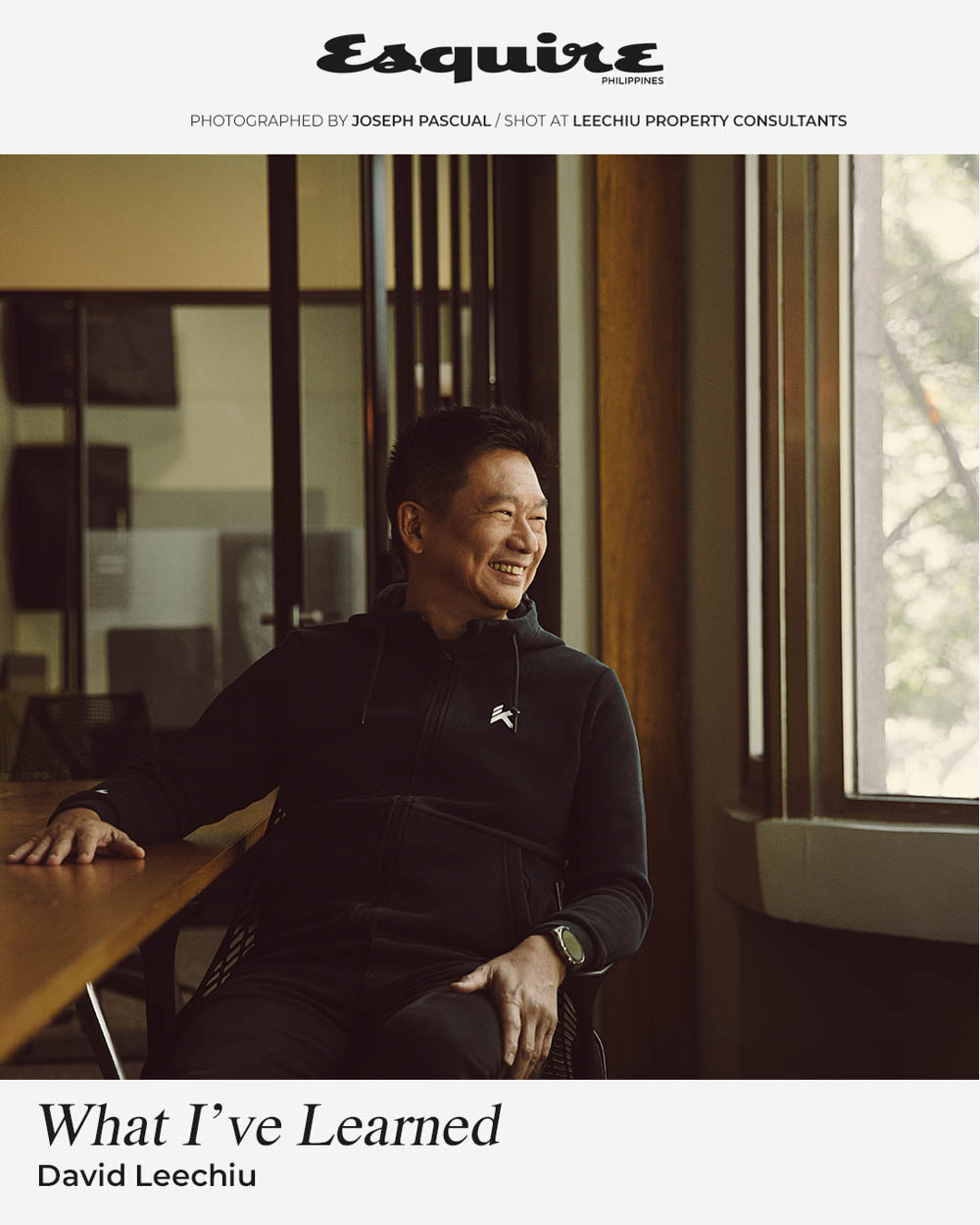
The property wunderkind has taken some pretty hard blows and calculated risks over his lifetime. Leechiu had his family's appliance store in Cubao burn down, worked with Cuervo Appraisers and Richard Ellis (now CBRE), cut costs with Savills, dealt with multiple economic and political crises, and emerged from Jones Lang LaSalle Inc. (JLL) to establish his highly successful real estate brokerage company back in 2016.
Early in Leechiu's career, he says that he watched a video of a guy by the name of Jim Rogers. Yes, that Jim Rogers, a man who had once been the third biggest investor in the world, right next to Warren Buffet and George Soros. Rogers' words made quite an impression on Leechiu. From there, he learned that if you think you know everything that you need to know, you're probably sitting at the beginning of disaster.
It's something that's shaped his perspective on his future pursuits. In this month's feature on What I've Learned, Leechiu talks us through the most valuable lessons he's picked up from investing in times of crisis, being a leader, and understanding even the most complicated of people.
ALSO READ:
What I've Learned: Jim Paredes
What I've Learned: Ramon 'RJ' Jacinto
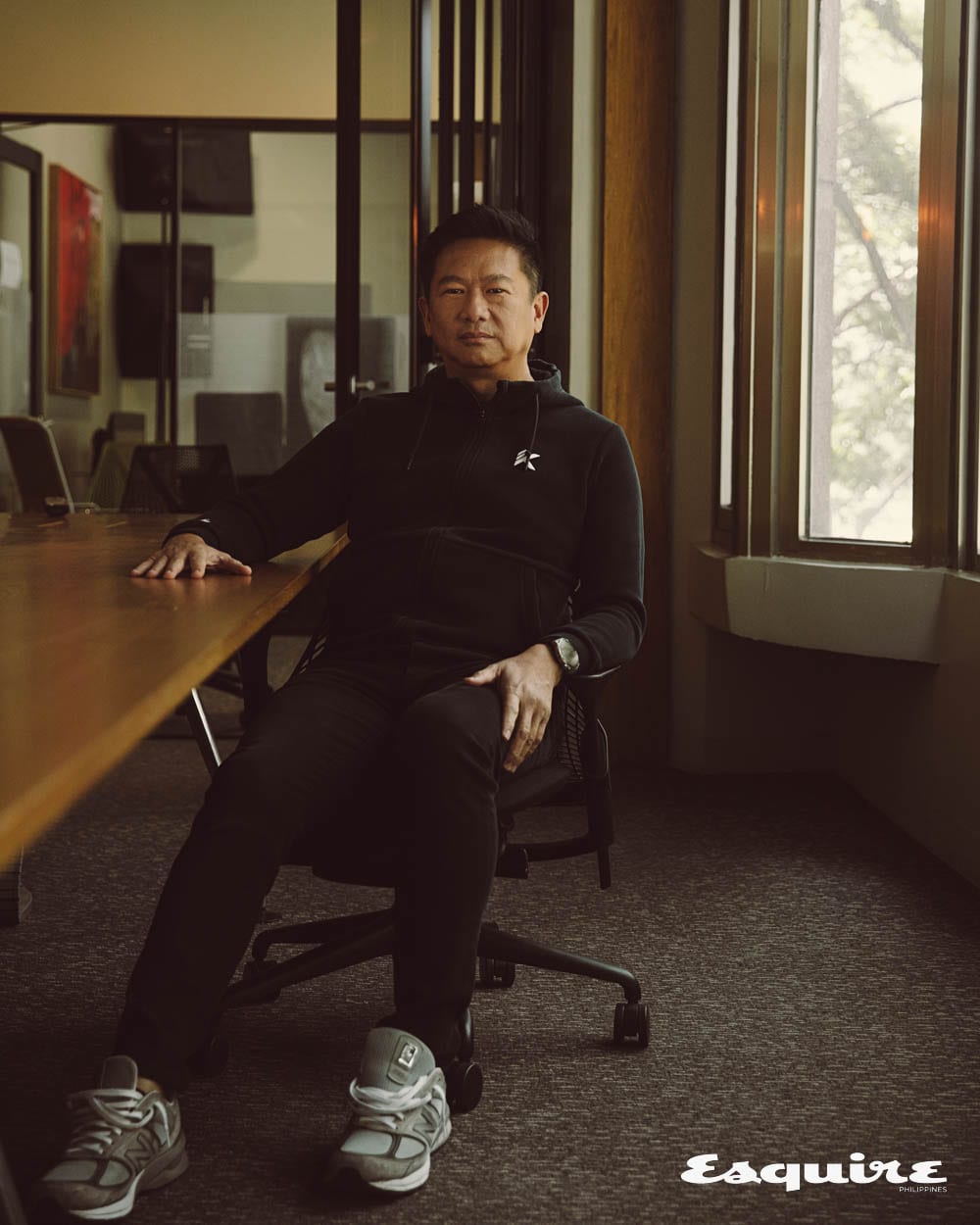
Money always f*cks with your brain. It makes you think of things that aren't necessary. I believe, [based on] the people who I've talked to and are successful in life, that they are successful because they aren't owned by the money that they have. They're not possessed by their wealth and they can think normally. They treat people normally.
There's just risk. It's a good risk when the risk pays off. It's bad when it doesn't. In 2003, I was the general manager of Savills, and they said they were going to close the business because the country was in such a mess. I joined them in 1998, at the height of the Asian Financial Crisis. So [that crisis] started in '97, then went on to '98, '99, '00, '01, '02, '03, '04. It was an eight-year window. In those eight years, we had rallies on Ayala Avenue, corner Paseo Roxas. The peso went from 25 pesos to the dollar, to 50 in a span of 12 to 18 months. And that wasn't just in the Philippines. That was happening all over Asia.
It destroyed many companies, lost so many jobs, and industries were wiped out all over Asia. All those things led to a political crisis, which was why we elected President Estrada and then in 18 months, we kicked him out. And we installed GMA, whether rightly or wrongly, and when she sat there, we wanted her out, as well.
All these economic hardships led to political uncertainty that eventually led to risk. Savills said, 'Oh we're pulling out the business. While you're growing the business, peso-wise, the moment convert that to dollars, (the local success) means nothing because your pesos are worth half a dollar now.'
So they said that the easiest way to continue was to run a franchise. That would have been seen as a moment of hardship, yes, but it was a great opportunity. Back then, my father-in-law said, 'David, this is a great opportunity. Let's do it.' So I put all my savings into the company and he borrowed against his house. My other partner, Angela Padilla, took her share and invested in the company, as well. These are the three people who founded Leechiu and Associates in 2003, and that became the business we sold to JLL five years later.
What I learned from clients at the time was that you have to be brave. But for you to do that, you need years of preparation. You have to build assets in the anticipation that one day, a crisis will happen and when that crisis is there, you have resources during that crisis, deploy the capital, and buy when nobody else wants to buy. When companies are falling left and right, this is when you don't know which company to buy but maybe you take a risk and maybe that risk pays off.
So many people in the '80s left the Philippines and those who stayed said, 'Okay, Forbes Park at P1,800 pesos per square meter? Ayala Avenue property at P1,000 per square meter? Let's go do it.' Did they know that P1,800 would climb up to P250,000 in less than 10 years? They didn't know that. But they prepared and they were brave enough and they sat it out.
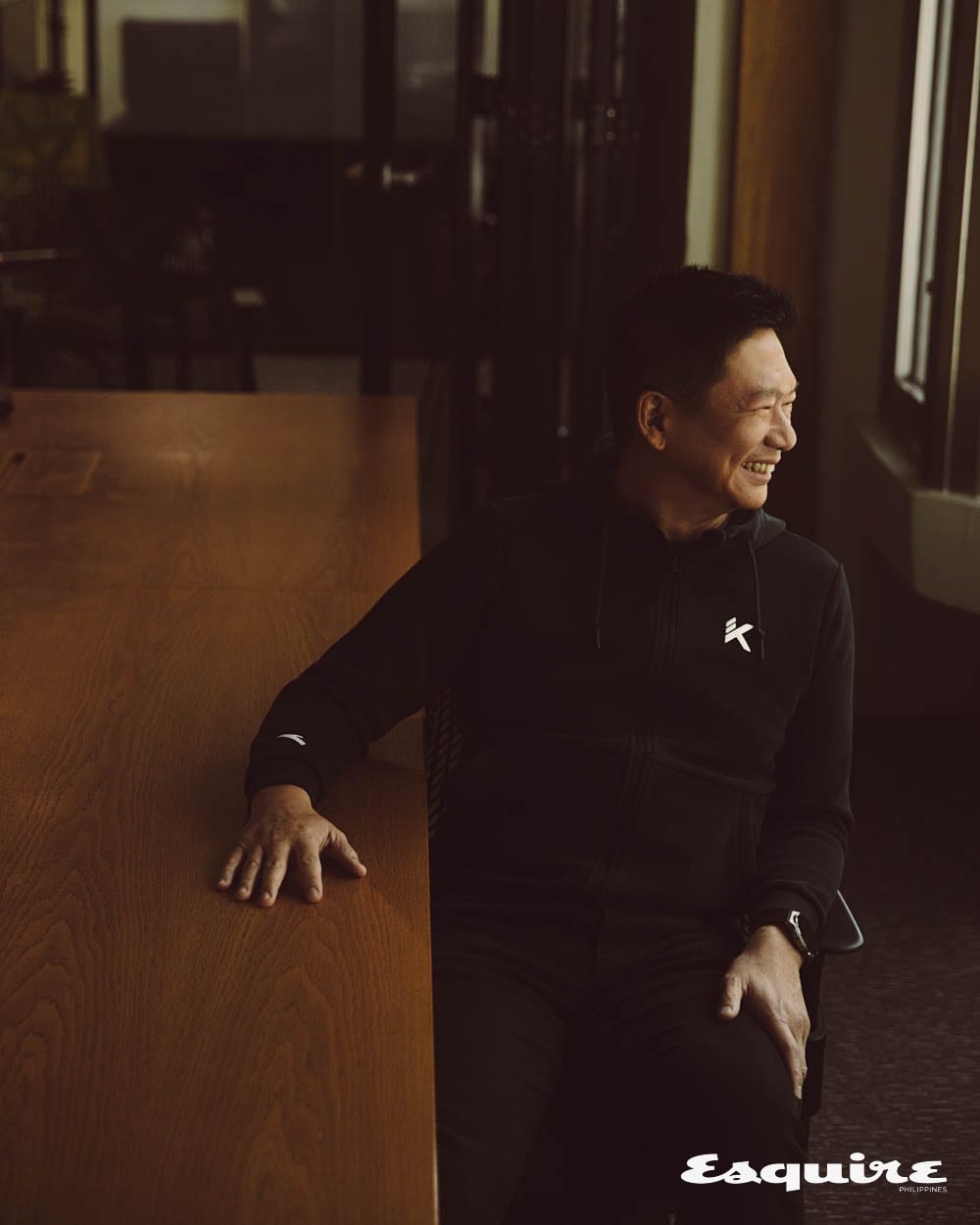
You think you can predict the trend and take positions. Sometimes, you know where the trend is going. You either bet too early or are betting too late. Then you need to bet on the right horse. Sometimes you think it's the right horse, then 'yun pala, sabit.
Ever so often, I think there are big disasters and big booms in the economy. So you want to be able to buy assets when there's a disaster. You want to be able to sell when there's a boom. For five years of my life, there was this disaster that was going to happen and that was the Global Financial Crisis. I felt in 2007 that things were not right and so I sold a lot of my assets that year, preparing for what could be a crisis fairly soon.
I didn't know what was going on. All I knew was that things were not right in the world. And that might produce a crisis of some kind. I didn't know what was going to happen. But I knew I had to prepare for that eventuality. I was able to raise a lot of cash that time to prepare myself for investing that money. That was a lot of money at the time for me. I mean that's not a lot of money for other people. But it was a lot of money for me. It was everything that I had.
And when that moment came—the global financial crisis, stocks fell 50, 60, 70, 80 percent in very big, solid companies—I had the opportunity to deploy all of it at the very bottom of the market. In hindsight, that was one moment when I could've bought a particular stock that I wanted to buy for many years. I waited for the moment. The moment arrived, and I let it pass.
Why? Because I was too smart. I was thinking, 'Oh, it's going to hit this peso' and that it's going to keep falling. But it stopped falling because I was so smart, I just missed it. I should've said, 'It could fall further but this is a good time.'
You can never catch the market at the bottom. People always say that. But I was there at the bottom, and I didn't even know. And I missed it. From that point on, it never went back. It just grew 11 times. So whatever the price of the stock of that company was, it grew 11 times over 10 years. So I missed a very critical life-changing moment. If you think you know the trend, and you're making the right bets with the right horse, but you don't have the courage to do it, then you'll miss it.