PH Gov't Eyes Direct Flights to Brunei from Clark, Cebu

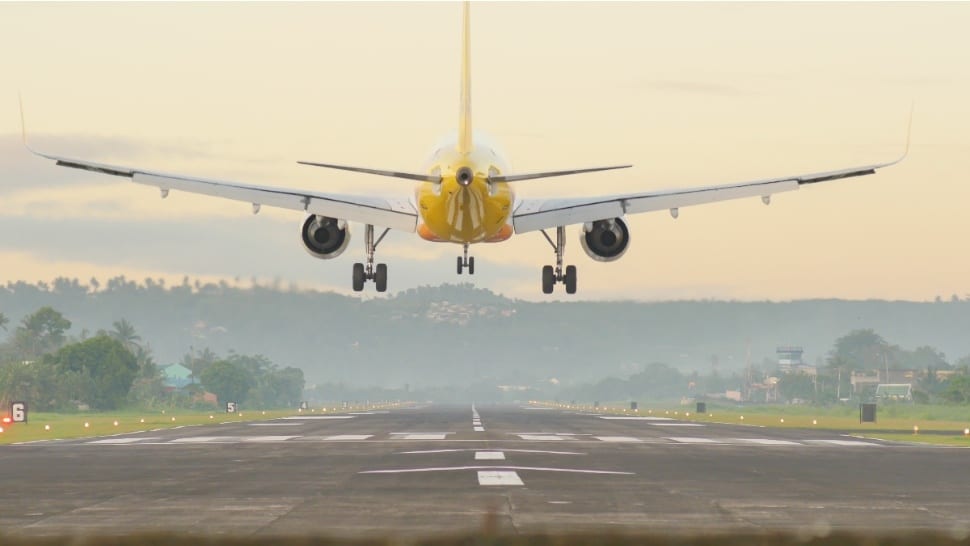
One way to jumpstart tourism is by expanding access to countries with high spending power. This is how government officials look at Brunei — which is why they are planning to introduce direct flights to Bandar Seri Begawan, this time from Clark, Pampanga, and Cebu. Currently, trips to the Bruneian capital are only available from Manila.
To get the ball rolling, the Department of Tourism (DOT), along with the Department of Transportation (DOTr), will be coordinating with concerned authorities for the development of routes outside Manila.
ALSO READ
New Joint Visa to Enable Seamless Travel Across Gulf Countries
More Chinese and Japanese Tourists are Visiting the Philippines, DOT Says
“‘Yung goal natin ay ‘yung connectivity natin, hindi lang diretso sa Manila, kundi sa ating tourism destinations, such as Cebu and Clark (Our goal is to promote connectivity not only to Manila, but also to our tourism destinations, such as Cebu and Clark),” Tourism Secretary Christina Frasco told reporters in an interview.
This plan comes as President Bongbong Marcos ordered tourism officials to find ways to boost inbound trips from Brunei. Once the additional flights to the oil-rich Sultanate are launched, the government expects more opportunities to be made available to the public, on top of the 5.35 million Filipinos currently employed in tourism.
“It’s really the quality of the tourists,” said Frasco. “Ang tinitingnan po natin, hindi ‘yung warm bodies, kundi ‘yung visitor spending kasi ‘yung income capacity po ng ating visitors from Brunei guarantees higher tourism spending (We’re looking not at warm bodies, but at visitor spending, as the income capacity of our visitors from Brunei guarantees higher tourism spending).”
The Philippines saw more than two million international tourist arrivals as of late April, with the majority (94.2 percent) coming from foreign travelers, according to the DOT. This comes on the back of stronger growth in tourism receipts, totaling about P157.62 billion in the first quarter.